
Results for "United States National Museum. Exhibits Modernization Program"

"Open Wide!": Photographs of Dentists and Dental Researchers from the Science Service Collections
- Date: October 10, 2019
- Creator: Marcel Chotkowski LaFollette
- Description: To celebrate National Dental Hygiene Month, the Smithsonian Institution Archives presents photographs of dentists and dental researchers.

Science Service, Up Close: Elegant Transparency
- Date: May 26, 2016
- Creator: Marcel Chotkowski LaFollette
- Description: A slide show of photographs of laboratory interiors from the Science Service collection.
- Blog Post
Publicity, Politics, and Physics
- Date: March 10, 2010
- Creator: Marcel Chotkowski LaFollette
- Description: Long ago and far away, before gray hairs and creaky knees, before history became my passion, I was an undergraduate physics major. Physics seemed fascinating and beautiful, if difficult. Later, after career paths led into history and science policy, I learned that physics, however elegant, did not reside in a cultural vacuum. Its people and discoveries coexisted with

Science Service, Up Close: Journalists, Cancer Research, and Public Education
- Date: March 6, 2018
- Creator: Marcel Chotkowski LaFollette
- Description: Cancer, James T. Patterson observed in The Dread Disease, serves as a powerful metaphor in American culture, where the malady mirrors the “manifestation of social, economic, and ideological divisions” in modern life. In the decades since publication of Patterson’s book, medical research has made great strides in methods of detection and treatment. But the challenge for science
- Blog Post
Television and the Smithsonian: Worldly Success
- Date: December 18, 2012
- Creator: Marcel Chotkowski LaFollette
- Description: For six seasons, beginning in 1984, the television series Smithsonian World opened new windows on the research and scientists at the Smithsonian Institution.

Science Service, Up Close: Watson Comes Home
- Date: October 6, 2015
- Creator: Marcel Chotkowski LaFollette
- Description: After successfully completing his 1925 European business trip, 29-year-old Watson Davis headed home on the S.S. Republic, boarding at Cherbourg, France, on October 2. The science journalist had covered the annual meeting of the British Association for the Advancement of Science and discussed with Sir Richard Gregory (Editor of the journal Nature) the plausibility of
- Blog Post
Fame ... By Any Other Name
- Date: March 20, 2012
- Creator: Marcel Chotkowski LaFollette
- Description: How social media has changed the ways that scientists, particularly women, can achieve fame in their respective fields.
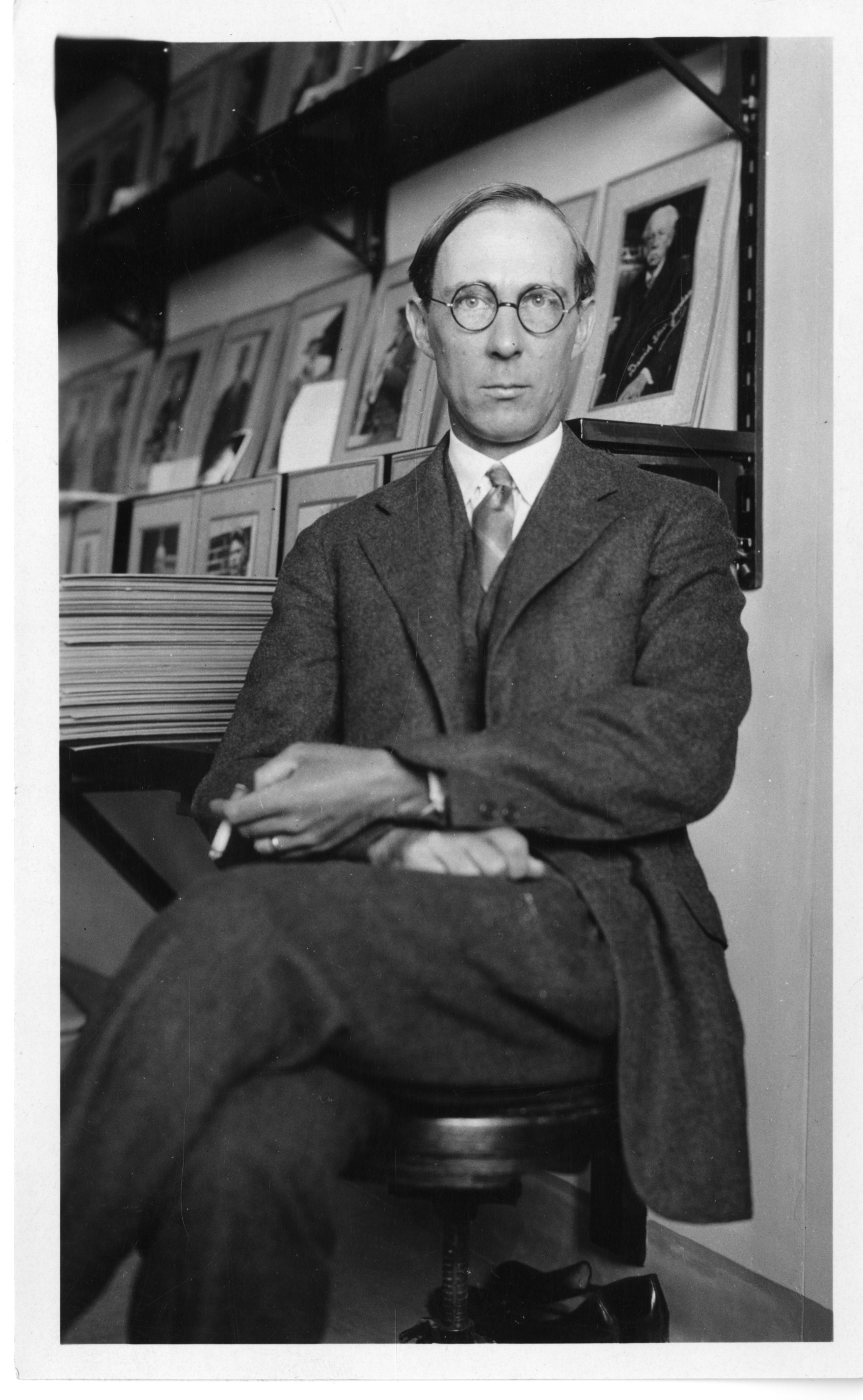
The Scientific Portraits of Julian Papin Scott, Part 1 of 2: The Photographer Behind the Lens
- Date: September 3, 2019
- Creator: Marcel Chotkowski LaFollette
- Description: In a world drowning in images, where we swipe past photos of friends, relatives, and selves in mere seconds, a set of remarkable portraits taken in the 1910s and 1920s by Julian Papin Scott (1877-1961) deserve more considered attention. Sometimes, his subjects appear immersed in work, surrounded by microscopes, beakers, or stacks of books, as if unaware of the photographer.

Science Service, Up Close: Honors and Honorees
- Date: August 4, 2016
- Creator: Marcel Chotkowski LaFollette
- Description: A selection from thirty years of engineering and scientific awards from the Science Service biographical morgue.