
Results for "Smithsonian Institution. Quadrangle Museum Project"
- Webpage
WWI: Staff Supporting the War Effort
- Date: June 17, 2016
- Description: The men and women of the Smithsonian are the Institution’s most important asset, a fact which was as true in the 1910s as it is today. The staff of the Smithsonian work together to fulfill their mission: ‘the increase and diffusion of knowledge,’ working for the public good and engaging the world. During World War I, this mission expanded beyond academic knowledge to support
- Finding Aid
SIA Acc. 15-024, Smithsonian Institution, Website Records, 2014
- Date: 2014
- Creator: Smithsonian Institution
- Creator: Smithsonian Institution Archives
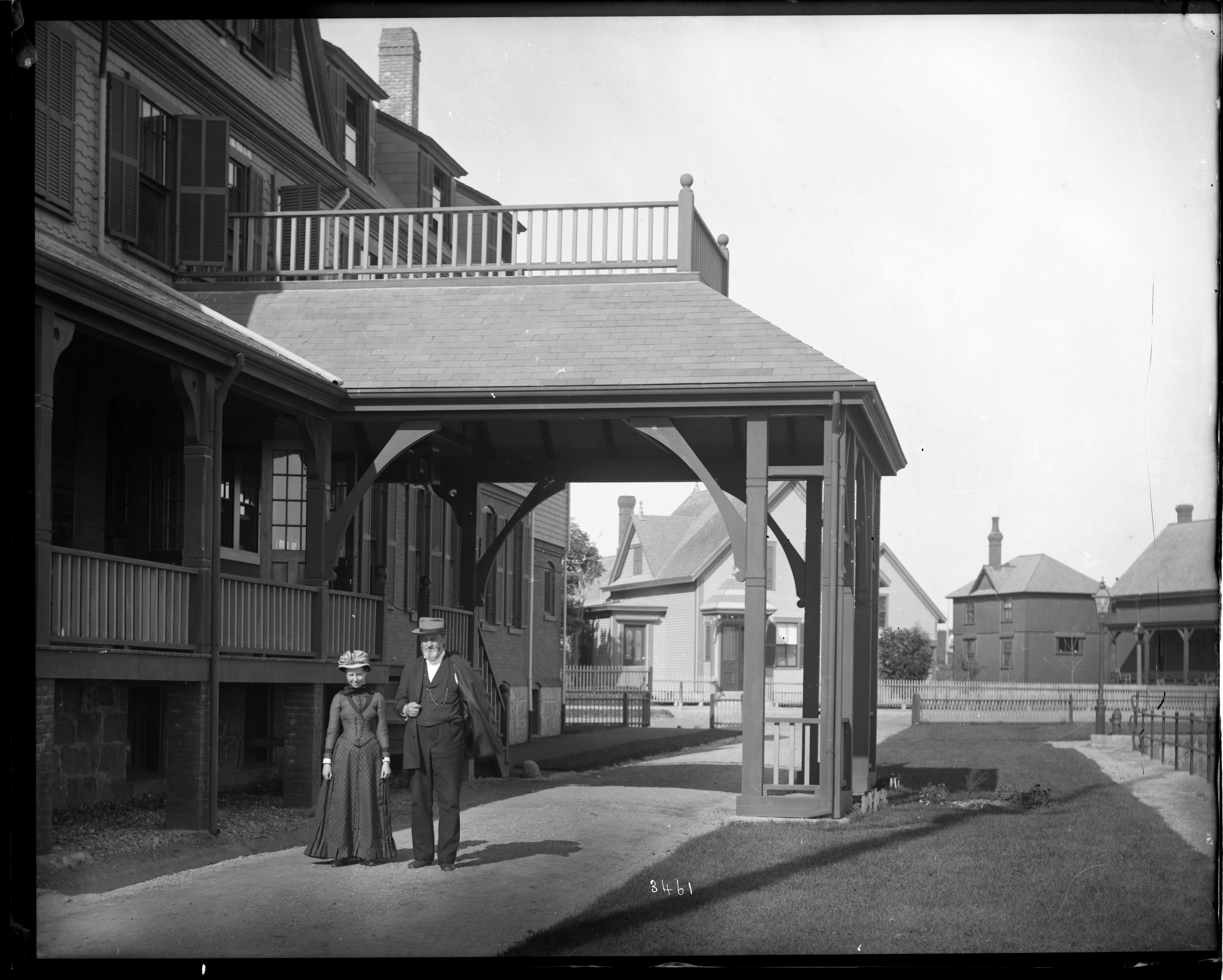
Lucy Hunter Baird: Much More Than a Devoted Daughter
- Date: March 5, 2020
- Description: Lucy Hunter Baird did not shy away from her father’s towering legacy in American science, she embraced it. As the only child of Spencer Fullerton Baird, second Secretary of the Smithsonian Institution, Lucy Baird developed a passion for her father’s discipline of ornithology (the study of birds) and strove to chronicle his extraordinary life in a biography. Although she was
- Historic Pictures
Center for Folklife and Cultural Heritage
- Date: April 18, 2011
- Description: Folklife presentation, education, and research began at the Smithsonian Institution in 1967 with the first annual Festival of American Folklife held on the National Mall. To this day, the festival features performers, crafts people, and community groups from the United States and foreign countries. The festival was started by folklorist Ralph C. Rinzler (1934-1994). Originally
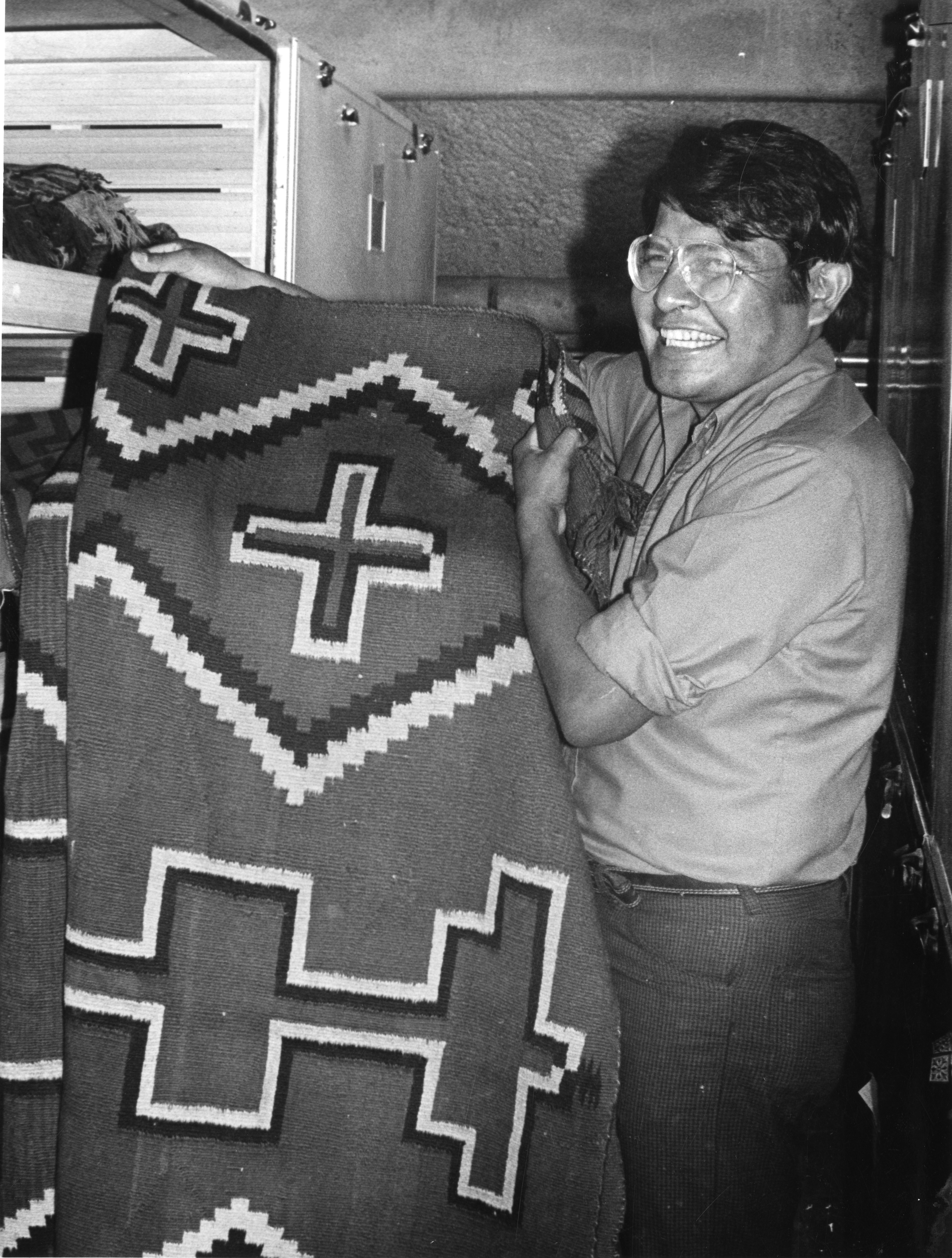
Harry Walters - Director of the Diné College Museum, 1973-2008
- Date: July 30, 2020
- Creator: Mitch Toda
- Description: Before becoming the Director of the Diné College Museum in Arizona, Harry Walters spent three months at the Smithsonian learning techniques for the care and handling of artifacts, including their identification, description, conservation, storage, and exhibition.
- Document
Art Displays S. C. Johnson Modern Art Collection | Smithsonian Institution Archives
- Webpage
WWII: The Smithsonian on the Home Front
- Date: June 27, 2016
- Description: As World War II raged throughout the world, many feared the threat of another attack on American soil. Washington, D.C., and the National Mall were obvious targets for the Axis countries which put the Smithsonian buildings and collections located there in danger. In order to protect the Smithsonian’s collections, staff took action and moved many materials off of the National
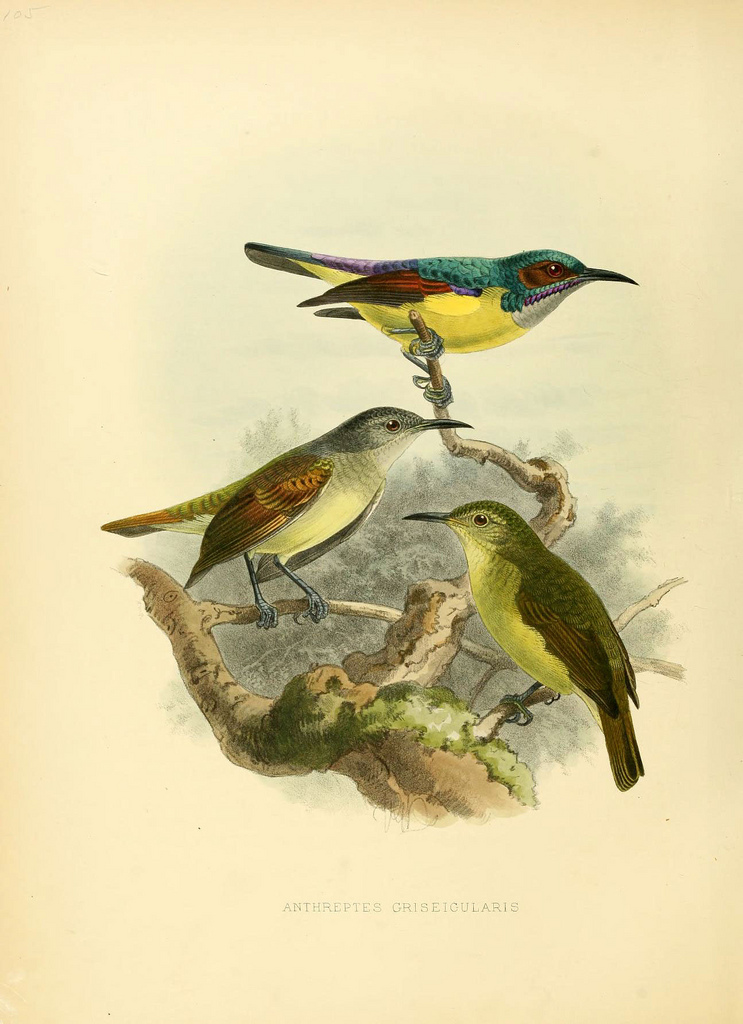
Link Love: 5/25/2012
- Date: May 25, 2012
- Creator: Catherine Shteynberg
- Description: Link Love: a weekly blog feature with links to interesting videos and stories regarding archival issues, the Smithsonian, and history.

Wonderful Women Wednesday: Sarah Grusin
- Date: April 6, 2022
- Creator: Emily Niekrasz
- Description: Each week, the Archives features a woman who has been a groundbreaker at the Smithsonian, past or present, in a series titled Wonderful Women Wednesday.
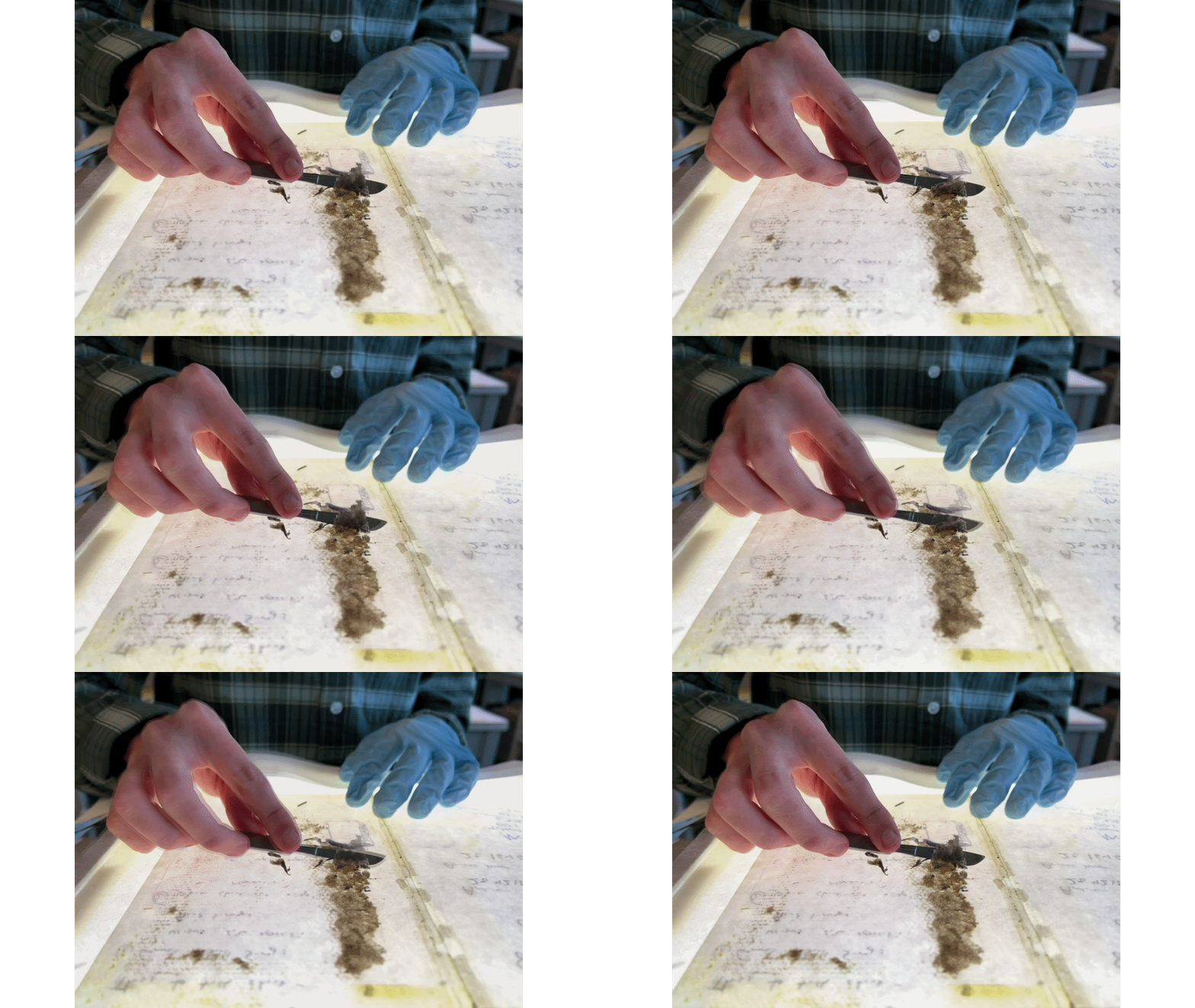
Coffee, tea or mold?
- Date: September 29, 2022
- Creator: Nora Lockshin
- Description: We’re lucky that our interns love coffee, because for this summer’s final project, I selected Russell Greenberg’s Field notes, Xalapa and Chiapas, Mexico, 2001 for a full conservation treatment. If you’ve not had your morning cup yet, you may be wondering why we celebrate his work on National Coffee Day. Dr. Greenberg was an ornithologist, founder and director of the
- Blog Post
Link Love: 1/16/2015
- Date: January 16, 2015
- Creator: Mitch Toda
- Description: Link Love: a weekly blog feature with links to interesting videos and stories regarding archival issues, the Smithsonian, and history.
- Document
Clinton Signs Legislation Creating Udvar-Hazy Center | Smithsonian Institution Archi