
Results for "Rochester Museum and Science Center"

Science Conversations in the Shenandoah
- Date: September 6, 2018
- Creator: Mitch Toda
- Description: In February 1975, twenty Smithsonian scientists gathered at the National Zoo's Conservation Research Center in Front Royal, Virginia to talk about their research and the future of science at the Smithsonian.

In the Name of Science
- Date: February 3, 2015
- Creator: Effie Kapsalis
- Description: As some of you reading this know, we enjoy getting to know fascinating women in science throughout our collections and in the Smithsonian's history. We enjoy it so much that one of us decided we needed a set of LEGO women scientists. Over lunch, we assembled the the sets with some trepidation as it had been years since our previous LEGO adventures. We had fun playing and
Women in Science Wednesday: Sharon Purdy
- Date: September 30, 2015
- Creator: Effie Kapsalis
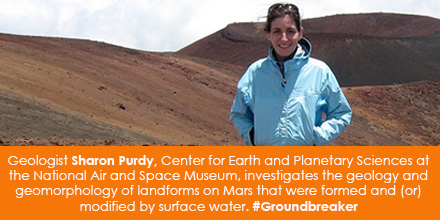
- Description: Geologist Sharon Purdy, Center for Earch and Planetary Sciences at the National Air and Space Museum, investigates the geology and geomorphology of landforms on Mars that were formed and (or) modified by surface water. #Groundbreaker
- Blog Post
Smithsonian Scientists at Work
- Date: April 20, 2017
- Description: [view:sia_slideshow==75408]Scientific research has been integral to the Smithsonian, from its founding to today. The Smithsonian's founder, Englishman James Smithson, saw in the U.S. (according to his biographer, Heather Ewing) "a place of the future" that could support "science and progress for humanity." He believed that scientists were "citizens of the world" and that the

Hot Topics: Edible Seaweed and Passenger Pigeons
- Date: April 9, 2013
- Creator: Mary Markey
- Description: A quarterly overview of research at the Smithsonian Institution Archives.
- Blog Post
Science Service, Up Close: Of Princes, Princesses, and Science
- Date: June 12, 2018
- Creator: Marcel Chotkowski LaFollette
- Description: As editor E. E. Slosson began setting up the Science Service news office, his mail was flooded with inquiries from potential contributors. Writers and photographers described their accomplishments and submitted samples of their work. One such letter, from Albert Harlingue on April 13, 1921, must have piqued Slosson’s interest, for it coincided with the Washington visit of “a
- Blog Post
Science Service, Up Close: Summer Road Trips for Science, 1935
- Date: July 24, 2018
- Creator: Marcel Chotkowski LaFollette
- Description: In 1935, Beloit College in Wisconsin began allowing female students to join the annual summer archeological expeditions.
Wonderful Women Wednesday: Marsha E. Sitnik
- Date: June 1, 2022
- Creator: Emily Niekrasz
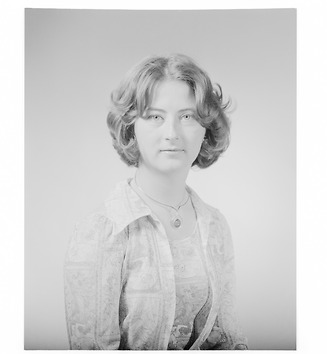
- Description: Each week, the Archives features a woman who has been a groundbreaker at the Smithsonian, past or present, in a series titled Wonderful Women Wednesday.

Hot Topics in Archives Research
- Date: February 18, 2014
- Creator: Mary Markey
- Description: Quarterly post on research at the Smithsonian Institution Archives.
Wonderful Women Wednesday: Stephanie Norby
- Date: December 8, 2021
- Creator: Emily Niekrasz
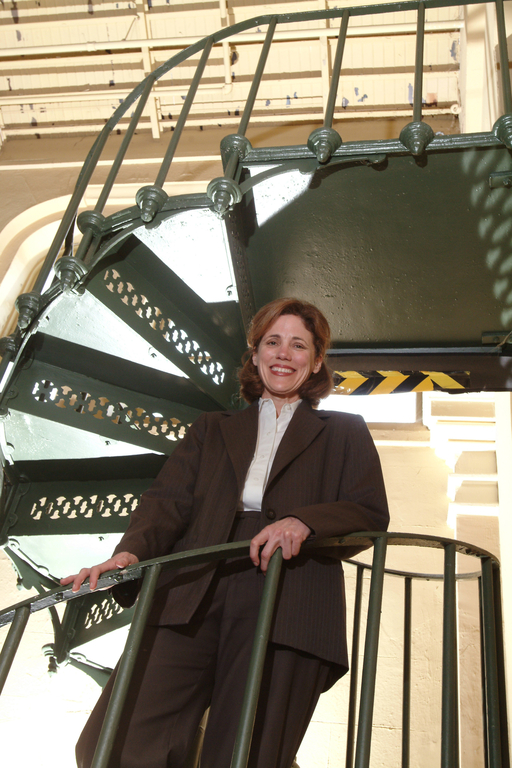
- Description: Each week, the Archives features a woman who has been a groundbreaker at the Smithsonian, past or present, in a series titled Wonderful Women Wednesday.

Sneak Peek 2/22/2016
- Date: February 22, 2016
- Creator: Marguerite Roby
- Description: Roy S. Clarke, Associate Curator in the Department of Mineral Sciences at the National Museum of Natural History, examines samples from a Mexican meteorite shower for the Center for Short-Lived Phenomena, OPA-1447-09A.

Celebrate Asian Pacific American Heritage Month!
- Date: May 1, 2013
- Creator: Mitch Toda
- Description: May is Asian Pacific American Heritage Month and the Smithsonian Institution Archives presents some images from their collections.