
Results for "Photographs"
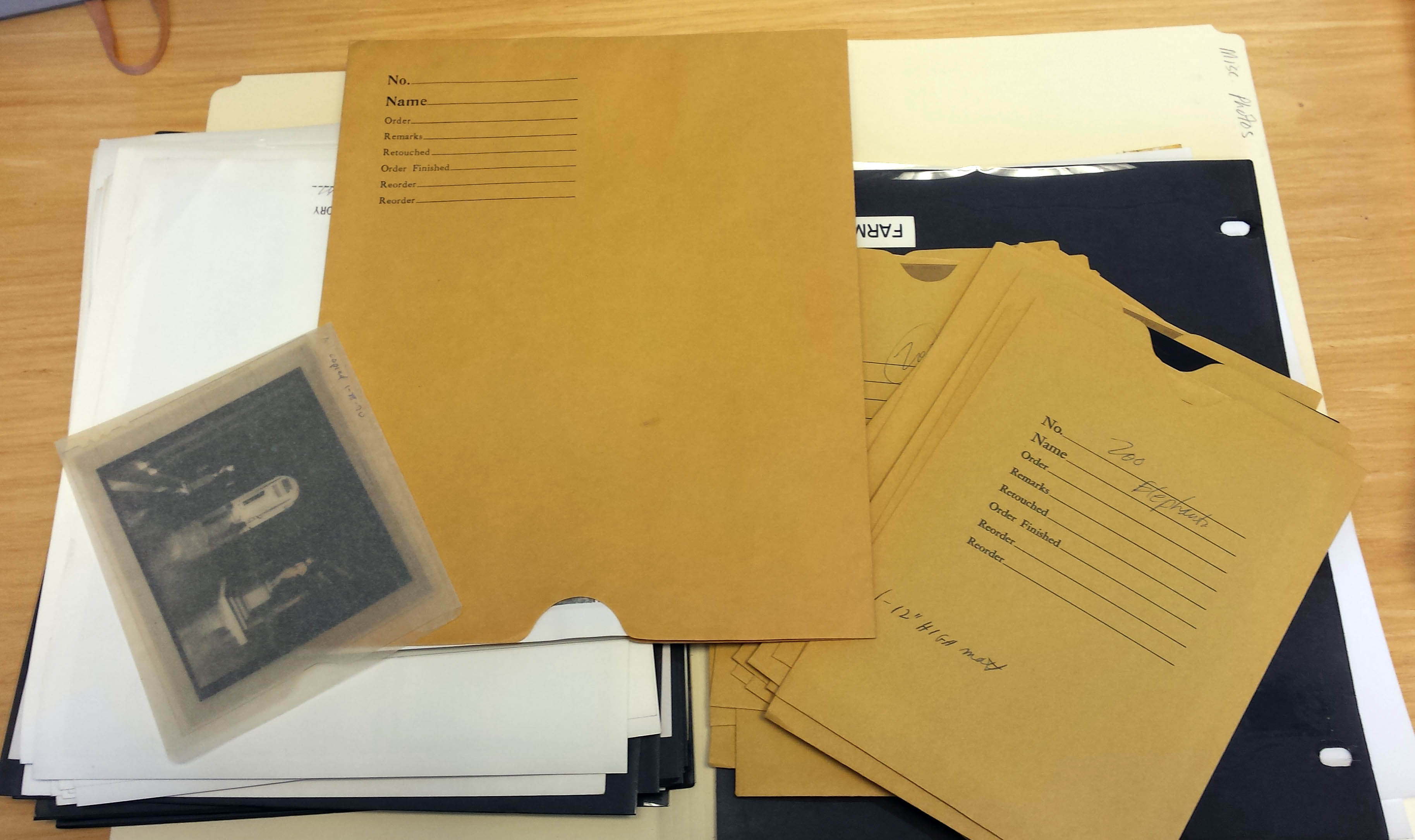
Miscellaneous Adventures: Exhibit Photographs
- Date: July 31, 2014
- Creator: Courtney Bellizzi
- Description: Look inside the Smithsonian Institution Archives as we open up an exhibits folder of miscellaneous images.

Highlighting Diane Arbus: "A box of ten photographs"
- Date: March 29, 2018
- Creator: Alison Reppert Gerber
- Description: Opening on April 6, 2018, A box of ten photographs highlights the portfolio of Diane Arbus, an American photographer known for her black-and-white images of marginalized individuals, including the mentally ill, circus performers, and transgender people. The exhibition, at the Smithsonian American Art Museum (SAAM) until January 21, 2019, traces the history of Arbus's
- Blog Post
Still Photographs That Make You Want Moving Ones
- Date: November 24, 2009
- Creator: Marvin Heiferman
- Description: [caption id="attachment_3065" align="aligncenter" width="300" caption="Detail of a vinyl advertisement, Chennai, India, 2004, by Preminda Jacob."][/caption] It’s interesting to think about how shrewdly and often free still photography is used to get us to pay to watch motion pictures. Still photographs—often shot by special photographers on sound stages or on location, just

Mounting Photographs with Earth Magnets
- Date: May 7, 2013
- Description: A photograph of Charles Greeley Abbot belonging to the Smithsonian Archives was in need of conservation. The photograph is stable, but the board to which the photograph is mounted is broken into three pieces. The board was stabilized and placed into a new housing constructed with rare earth magnets to impose a slight pressure on the object. The new housing holds the object

"Open Wide!": Photographs of Dentists and Dental Researchers from the Science Service Collections
- Date: October 10, 2019
- Creator: Marcel Chotkowski LaFollette
- Description: To celebrate National Dental Hygiene Month, the Smithsonian Institution Archives presents photographs of dentists and dental researchers.
- Blog Post
Slowly (the photographs) turn…
- Date: April 8, 2010
- Description: Like Lou Costello or Mo of the Three Stooges whenever I hear the name “Niagara Falls” I pause and take a turn. One turn is to, of course, remember the classic comedy routine (when I was growing up it seemed to play on TV all the time) that involves the interactions between a once prosperous and educated bum and an unsuspecting citizen who doesn’t have a clue about the

Happy New Year! Some Photographs of Firsts
- Date: January 1, 2010
- Creator: Marvin Heiferman
- Description: In many cases, after photography was introduced to the public in 1839, if an event seemed like it might be unique, it is likely that someone (or, more recently, something) was there to photograph it. Even today, when cameras are positioned to photograph repetitious things or situations—cars at traffic lights, luggage at airports, shoppers lingering around merchandise on
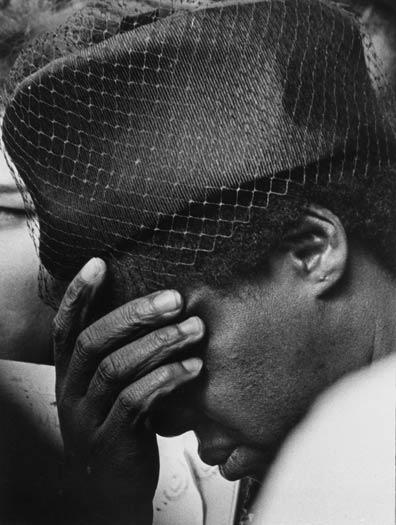
Freedom! Photographs of the Civil Rights Movement by Diana Davies
- Date: January 18, 2010
- Description: In honor of Martin Luther King Day 2010, we selected images from the Smithsonian Center for Folklife and Cultural Heritage's Diana Davies Photograph Collection. Davies began her career as a musician and became a photojournalist in the 1960s. During that time she documented Newport Folk Festivals, anti-poverty and Civil Rights movements, and farm workers' struggles. Her images,
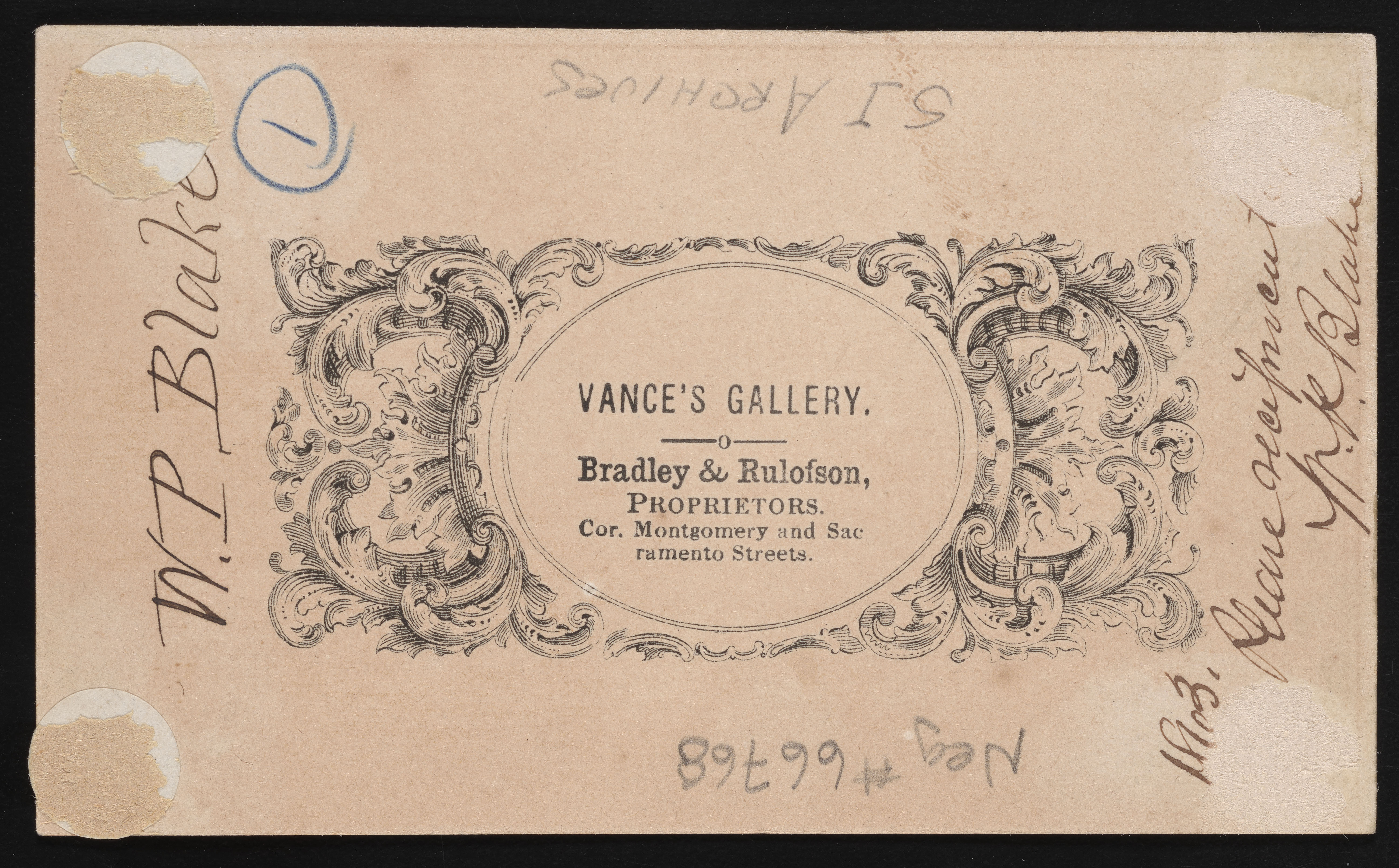
Baby Got Backmark: A Closer Look at Card Photograph Mounts
- Date: May 6, 2021
- Creator: Marguerite Roby
- Description: A look at the elaborate graphics photographers used to advertise their businesses on the backs of 19th century card mounted photographs.
- Blog Post
A Photographer, Not a Terrorist
- Date: March 11, 2010
- Creator: Marvin Heiferman
- Description: Starting last fall, stories started popping up in the British media and online about photographers who’d been stopped by officials empowered to question and search them if they seemed suspicious or might have some links to terrorism.
- Blog Post
A Well Engineered Photograph
- Date: November 20, 2009
- Description: [caption id="" align="aligncenter" width="384" caption="Construction of the Pension Building, Designed by Montgomery Meigs, c. 1883, by Unknown photographer, Albumen print, National Museum of American History, Kenneth E. Behring Center, Image ID: AFS 182."][/caption] One of the first collections that I encountered during my travels through the photography collections of the
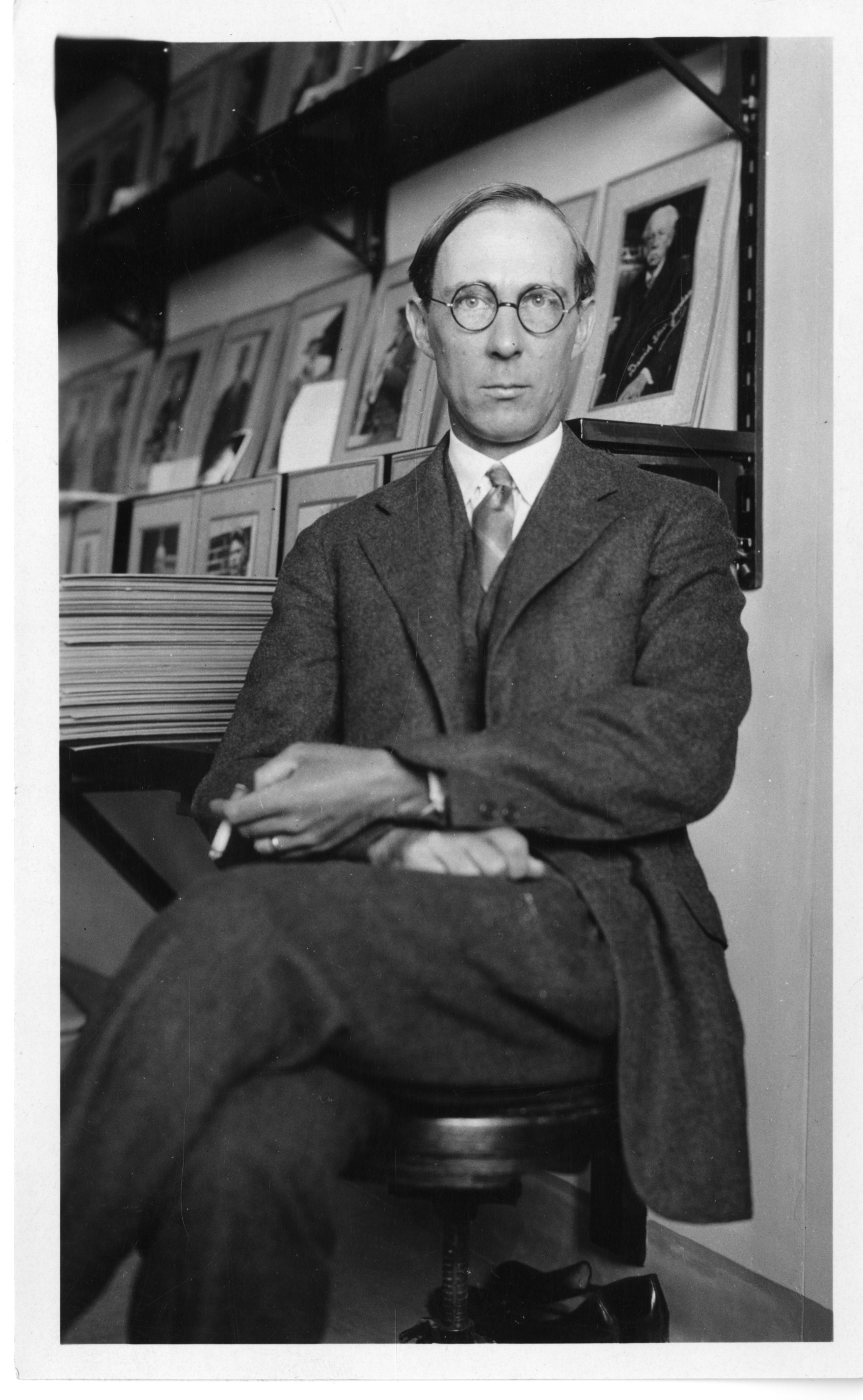
The Scientific Portraits of Julian Papin Scott, Part 1 of 2: The Photographer Behind the Lens
- Date: September 3, 2019
- Creator: Marcel Chotkowski LaFollette
- Description: In a world drowning in images, where we swipe past photos of friends, relatives, and selves in mere seconds, a set of remarkable portraits taken in the 1910s and 1920s by Julian Papin Scott (1877-1961) deserve more considered attention. Sometimes, his subjects appear immersed in work, surrounded by microscopes, beakers, or stacks of books, as if unaware of the photographer.