
Results for "Philippines"

Serpents, Slugs and Science: The Interesting Career of Paul Bartsch
- Date: August 9, 2012
- Description: Learn about Smithsonian zoologist Paul Bartsch, whose love of mollusks and science was not just a career but a way of life.

An Undersea Invertebrates Update: Treatment Progress on Bartsch’s Nudibranchs Field Book
- Date: May 18, 2017
- Creator: William Bennett
- Description: Treatment continues on Paul Bartsch’s field book documenting nudibranchs—see our progress!

Coming Soon to the Transcription Center: Department of Invertebrate Zoology
- Date: November 15, 2016
- Creator: William Bennett
- Description: See what’s in store for the Transcription Center from the invertebrate zoology collections!

Collection Highlights: New Additions to the SIA Website
- Date: October 4, 2018
- Creator: Tammy L. Peters
- Description: See new collection highlights posted to the Smithsonian Institution Archives website.

Embracing the Crowd
- Date: April 15, 2014
- Creator: Effie Kapsalis
- Description: When I started working with museums in 2005, the concept of crowdsourcing was in its infancy. That year, James Surowiecki ‘s book, “The Wisdom of Crowds,” was published and there were tiny experiments in crowdsourcing occurring in the cultural heritage sector. There were hesitations and objections about the whole concept within the GLAM (gallery, library, archive, museum)

Found in the Archives: The Trail of a Naturalist Pirate
- Date: September 19, 2017
- Creator: Jessica Lavin
- Description: Barbeque. Doughboy. Free trade. Pumple-nose. Smugglers. Cortan. Crockadore. Chopsticks. William Dampier, the 17th century explorer turned privateer/pirate, is credited with introducing these words, and more than 1,000 others, into the English vernacular. He was the first explorer to circumnavigate the globe three times, and created the first detailed record of Australian Flora
- Blog Post
Folklife Festival 2011: Smithsonian-Peace Corps Environmental Program
- Date: July 7, 2011
- Creator: Pamela M. Henson
- Description: The Smithsonian Folklife Festival will be held from June 30 to July 4 and July 7 to 11, 2011 on the National Mall. Read more about the history of the Folklife Festival here. At the Smithsonian Folklife Festival this year, the Peace Corps is celebrating its fiftieth anniversary. On March 1, 1961, President John F. Kennedy signed an Executive Order authorizing the Peace Corps to
- Blog Post
Par for the Course
- Date: July 18, 2011
- Creator: Marcel Chotkowski LaFollette
- Description: This post is the third in a series this month that honor the anniversary of the famous Scopes Trial held in Tennessee from July 10–21, 1925. We're highlighting a set of rare and newly digitized photographs from the Smithsonian Institution Archives collections, of witnesses at the trial, which have been added to the Smithsonian Flickr Commons. On Wednesday afternoon, July 15,
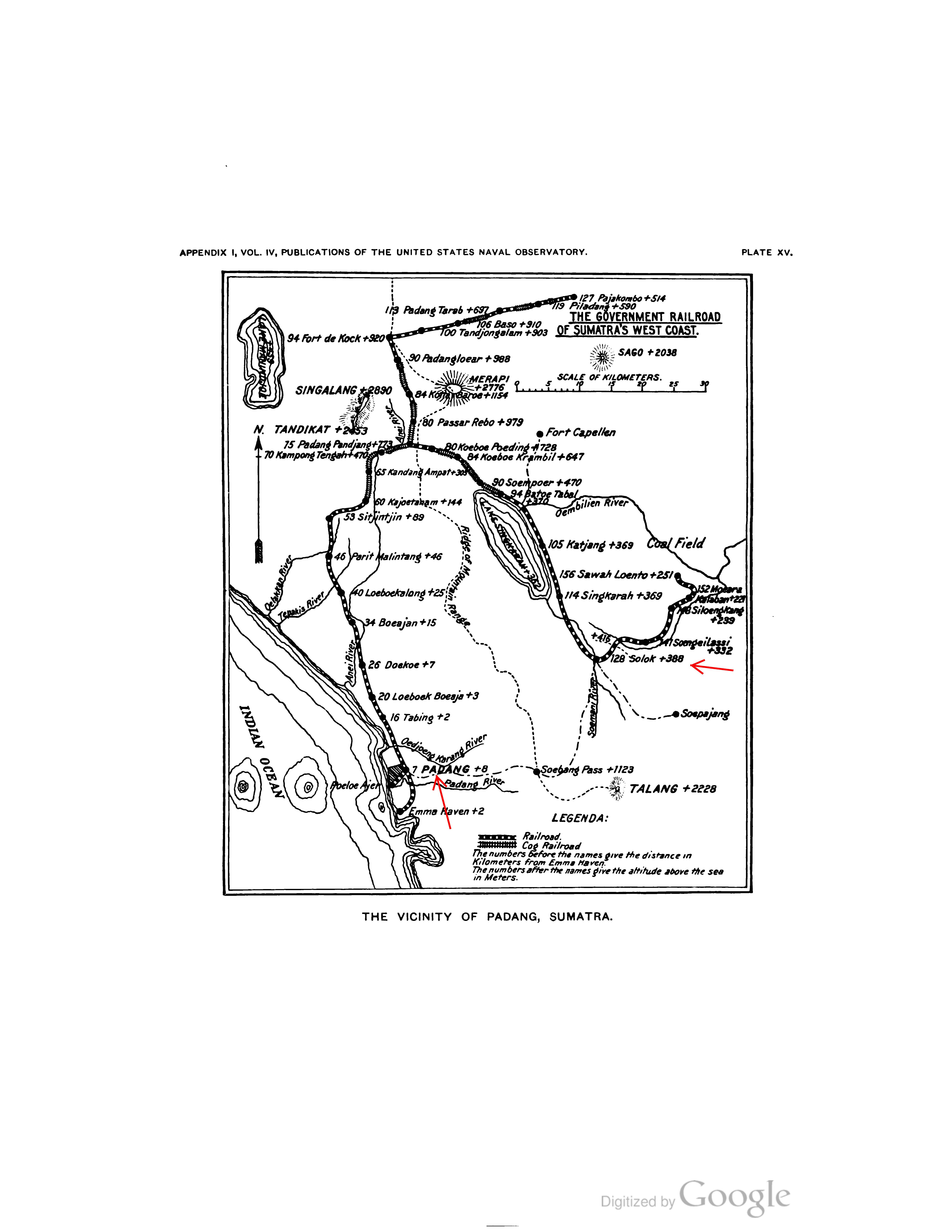
The Best-Laid Plans of Mice and Astronomers Often Go Awry: The 1901 Sumatra Eclipse Expedition
- Date: August 17, 2017
- Creator: Pamela M. Henson
- Description: Astronomers travel far and wide to see solar eclipses but sometimes their best laid plans don’t work out..
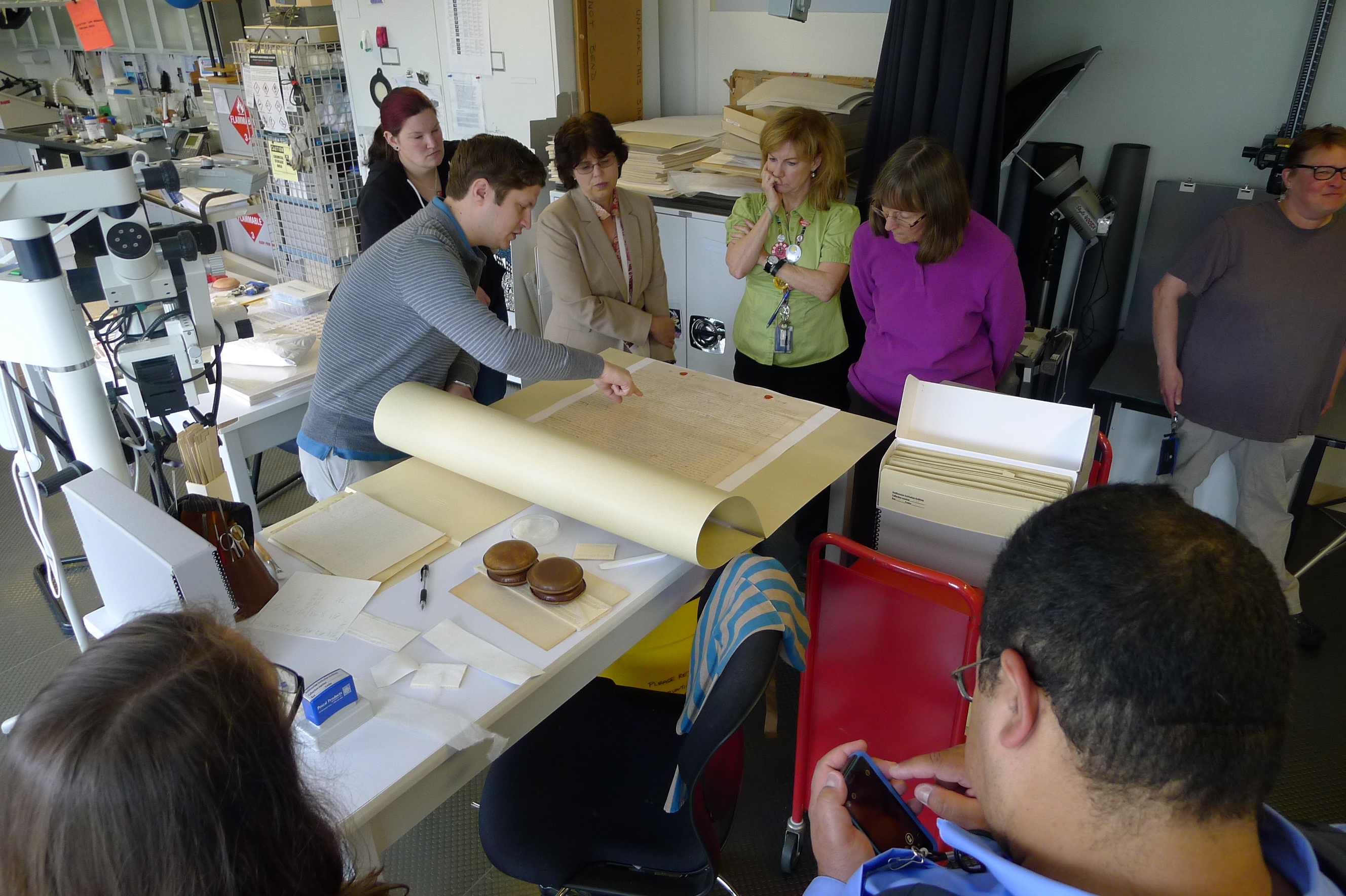
Some Conservator Career Advice
- Date: July 11, 2019
- Creator: William Bennett
- Description: So you want to be a conservator? In this continuation of our series on career advice, one of our conservators shares some advice for those looking to explore the professional field of cultural heritage conservation.
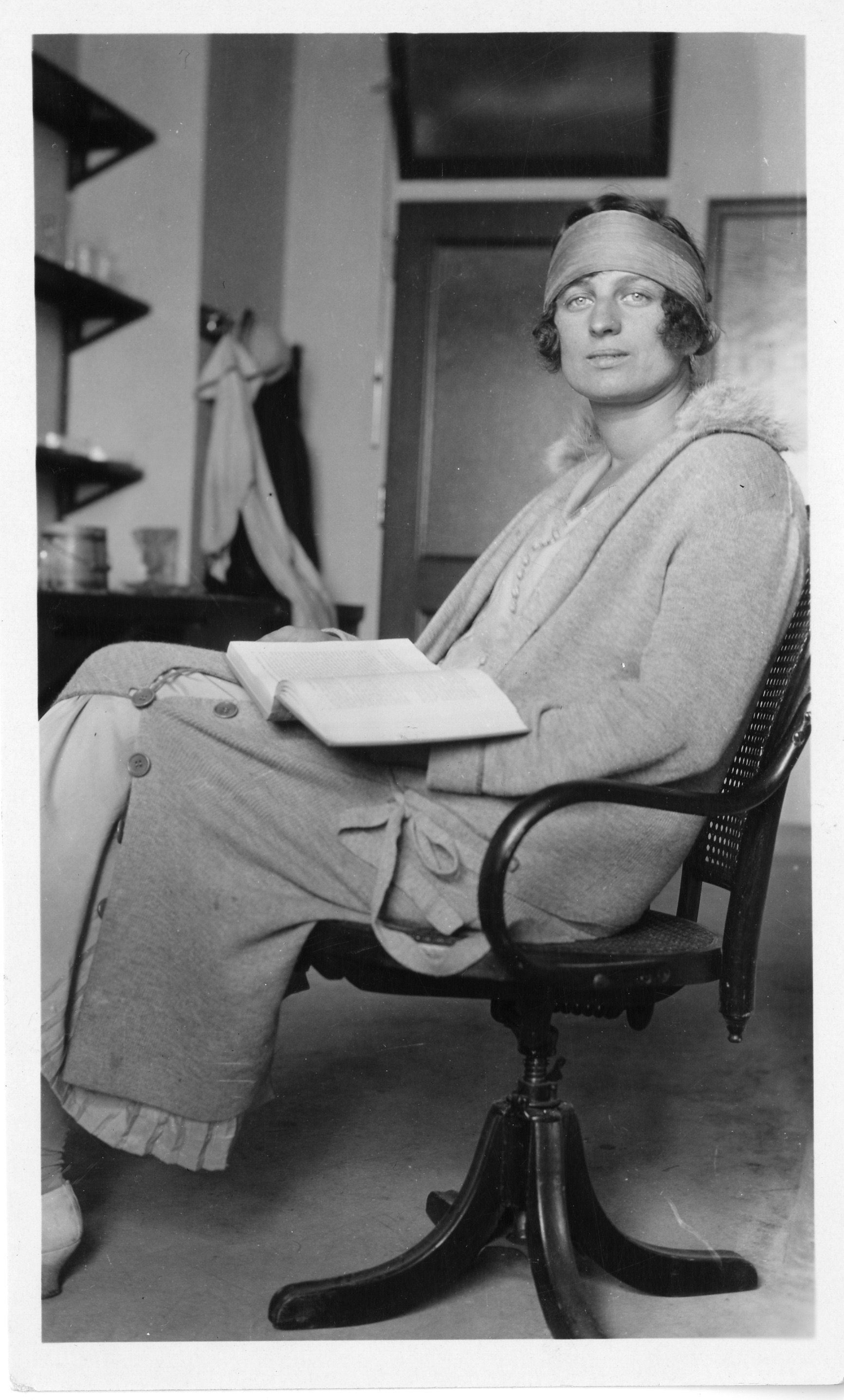
The Scientific Portraits of Julian Papin Scott, Part 2 of 2: Who and How, and Why It Matters
- Date: September 10, 2019
- Creator: Marcel Chotkowski LaFollette
- Description: The historical legacy of amatuer photographer Julian Papin Scott (1877-1961) is far greater than was acknowledged at the time, because of both who he photographed and how he set up the images.
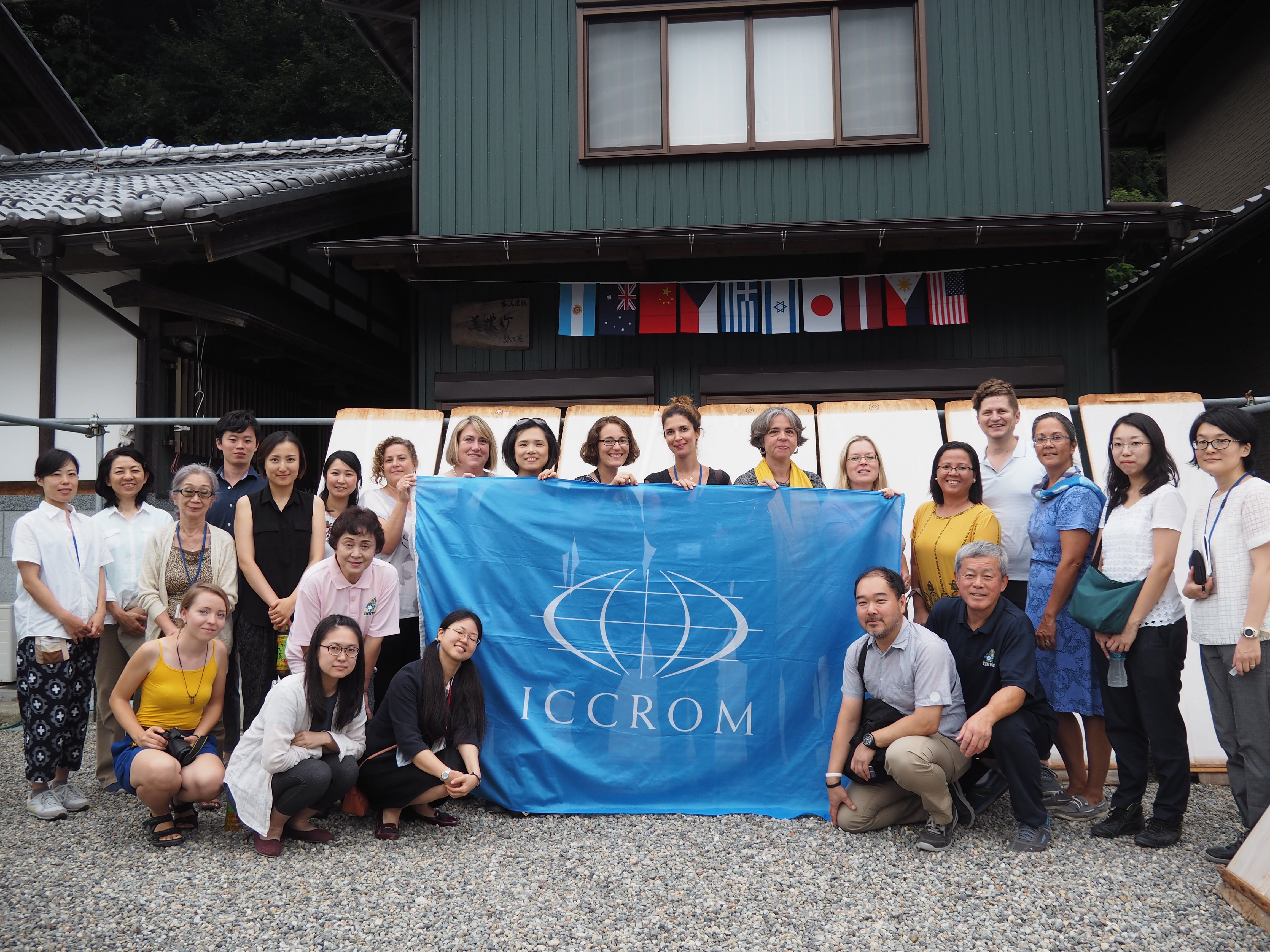
A Conservator Abroad: Paper Conservation in Japan
- Date: November 16, 2017
- Creator: William Bennett
- Description: Nearly two years ago, I first heard of a course on the conservation of Japanese paper co-organized by ICCROM, the cultural heritage arm of UNESCO, and the Tokyo National Research Institute for Cultural Properties (also known in Japanese as “Tobunken”). Over three weeks, the course offered a first-hand look at the traditional Japanese conservation techniques, materials, and