
Results for "Museum archives"

A Recipe from the Archives: Gourmet Golden Squash
- Date: November 25, 2014
- Creator: Jennifer Wright
- Description: A 30 year old Hubbard squash recipe found in the Archives.

Documenting the Opening of a Museum
- Date: September 27, 2016
- Creator: Jennifer Wright
- Description: A look at how documenting the opening of a museum has changed in the age of social media.
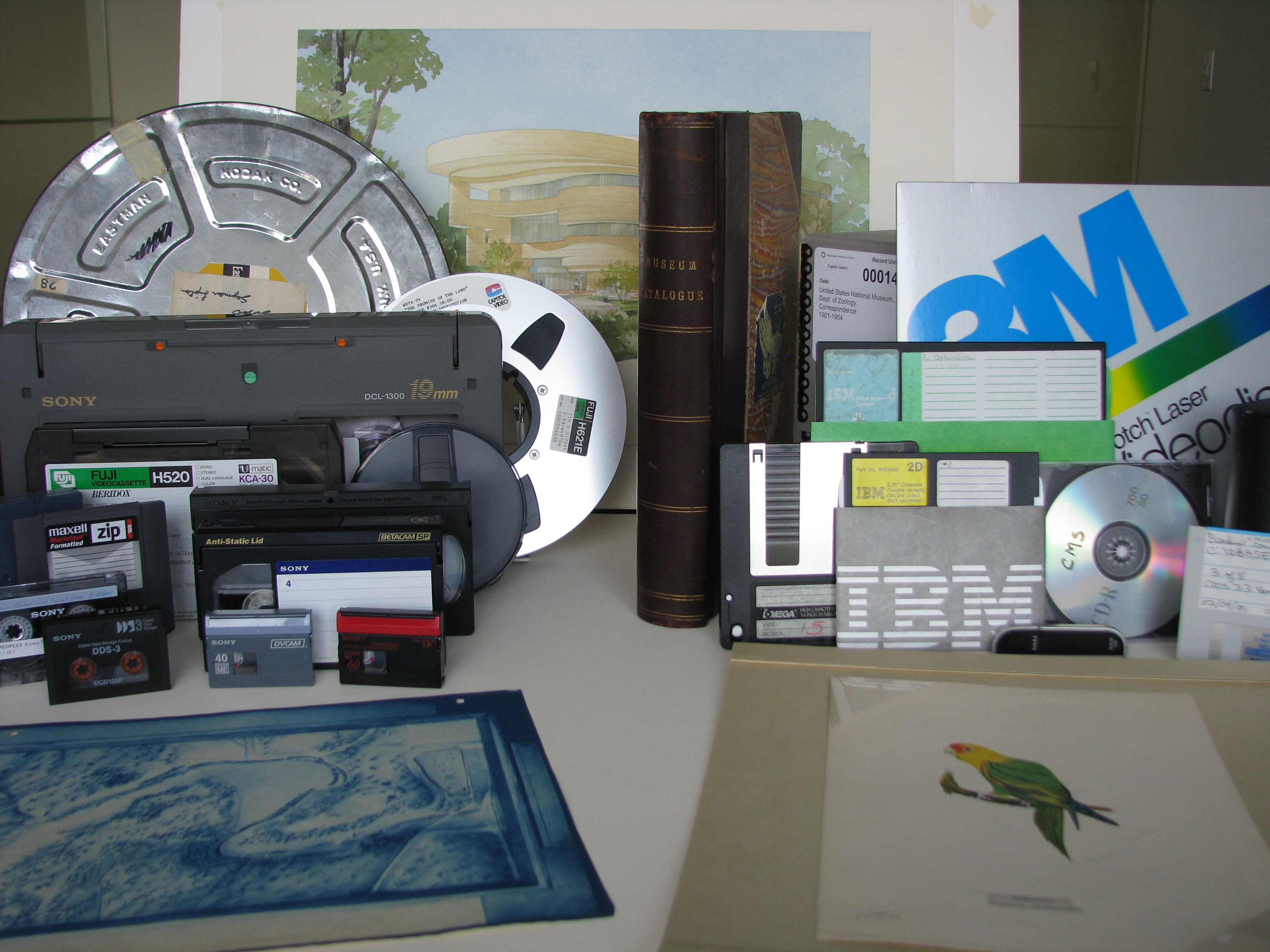
Some Archival Career Advice
- Date: April 26, 2012
- Creator: Jennifer Wright
- Description: Commonly asked questions and answers about becoming an archivist.
- Blog Post
A Recipe: Elephant Hide and Ivory
- Date: April 21, 2011
- Creator: Jennifer Wright
- Description: Access the official records of the Smithsonian Institution and learn about its history, key events, people, and research.

Some Creepy Crawly Recipes in Time for Halloween
- Date: October 30, 2012
- Creator: Jennifer Wright
- Description: Just in time for Halloween, more insect recipes found in the Archives.
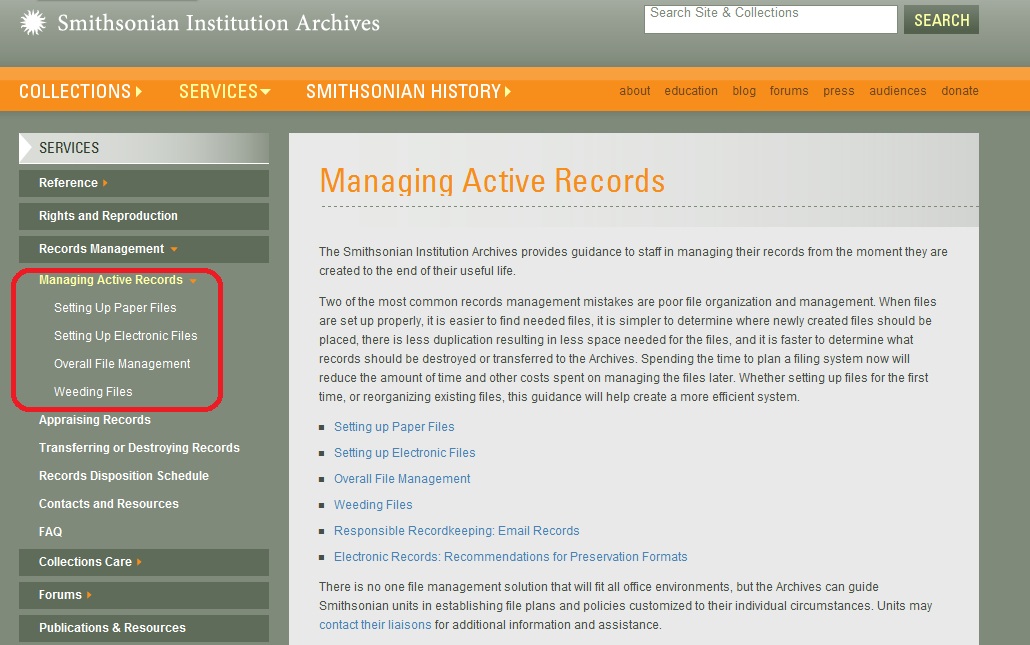
Records Management Resources
- Date: October 11, 2011
- Creator: Jennifer Wright
- Description: Access the official records of the Smithsonian Institution and learn about its history, key events, people, and research.
- Blog Post
The Flying Tigers and the Smithsonian
- Date: June 9, 2011
- Creator: Jennifer Wright
- Description: Have you ever wondered why museums choose the exhibition topics they do? These are the kinds of questions that the Smithsonian Institution Archives’ historic records of exhibitions can sometimes help us answer. An idea could stem from the personal interest of a curator, reflect an institution’s holdings, be inspired by comments from a visitor, or be designed around a specific
- Blog Post
Volunteers and the Smithsonian: A History
- Date: April 5, 2011
- Creator: Jennifer Wright
- Description: Access the official records of the Smithsonian Institution and learn about its history, key events, people, and research.
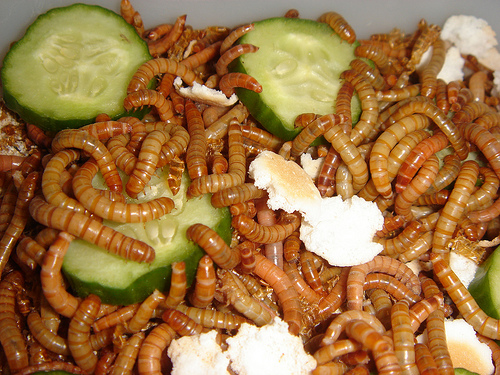
Mealworm Chocolate Chip Cookies, Anyone?
- Date: September 1, 2011
- Creator: Jennifer Wright
- Description: Earlier this year, I blogged about a recipe for “Elephant Skin and Ivory” (a black and white tinted candy) that I found in the 1984 National Museum of Natural History Docent Cookbook. Well, while researching the history of the same museum’s Insect Zoo for my recent blog post, I came across another recipe that I'd like to share—mealworm chocolate chip cookies.This recipe
- Blog Post
A Tale of Coffee and Collecting
- Date: November 30, 2010
- Creator: Jennifer Wright
- Description: Archives are often used by genealogists to create their family histories. Often it's a tedious process that can involve many repositories throughout the country or even the world, but the final product can be fascinating. Take, for instance, Melbourne ("Mel") Romaine Carriker's Vista Nieve: The Remarkable True Adventures of an Early Twentieth Century Naturalist and His Family
- Blog Post
A Living Exhibition
- Date: July 19, 2011
- Creator: Jennifer Wright
- Description: The Smithsonian Institution has long been known for both its original research and its exhibitions. But, it was not until 1980 that the National Museum of Natural History (NMNH) first exhibited an on-going active research project, the world's first indoor living coral reef.[edan-image:id=siris_sic_7411,size=450,center]In the late 1960s, when NMNH paleobiologist Walter H. Adey
- Blog Post
A History of Celebrating the Insect Zoo
- Date: August 23, 2011
- Creator: Jennifer Wright
- Description: When you think of the National Museum of Natural History, what comes to mind are probably inanimate things—rocks and dinosaur bones, cultural objects, and stuffed animals. But did you know that the museum has a collection of live insects? Today is the 35th anniversary of the opening of the permanent installation of the Insect Zoo, though the Zoo actually began as a temporary