
Results for "Celebrating American Folklife (Television program)"
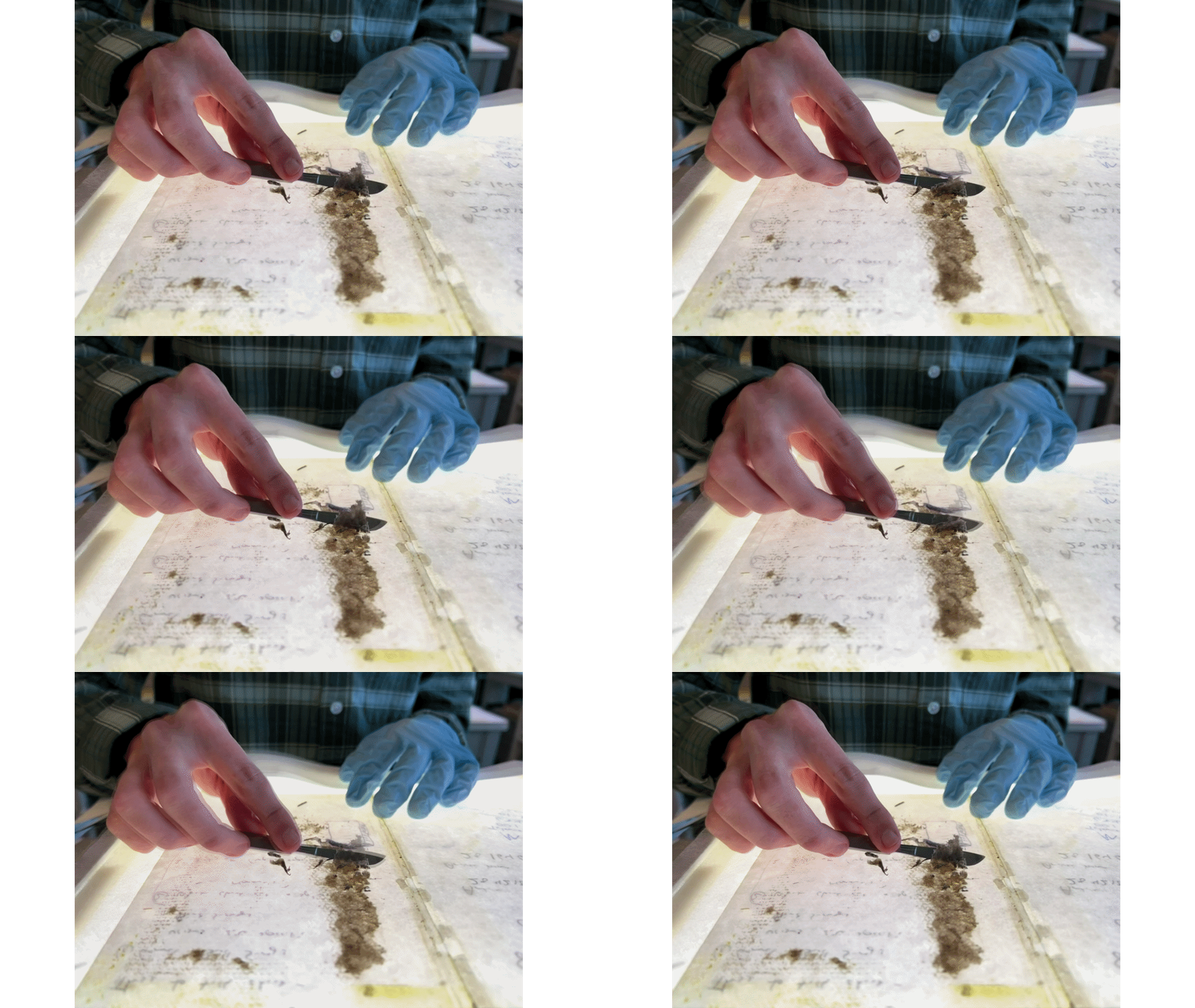
Coffee, tea or mold?
- Date: September 29, 2022
- Creator: Nora Lockshin
- Description: We’re lucky that our interns love coffee, because for this summer’s final project, I selected Russell Greenberg’s Field notes, Xalapa and Chiapas, Mexico, 2001 for a full conservation treatment. If you’ve not had your morning cup yet, you may be wondering why we celebrate his work on National Coffee Day. Dr. Greenberg was an ornithologist, founder and director of the
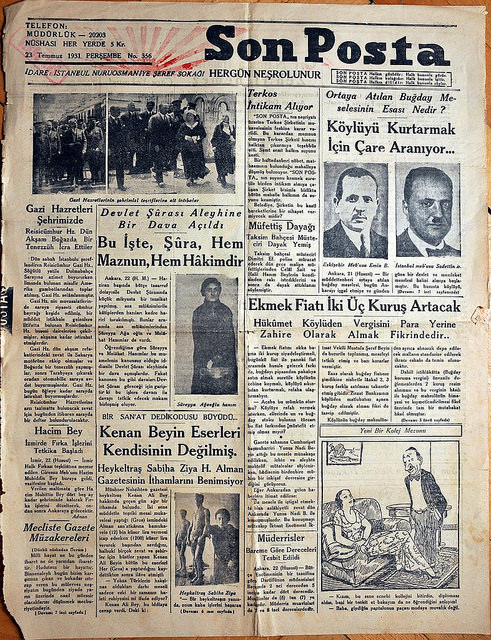
You Asked, We Answered: 2014 Archives Facebook Q&A
- Date: November 4, 2014
- Creator: Effie Kapsalis
- Description: On Monday, October 27th, four of our finest were available on the Smithsonian's Facebook page to answer questions about preserving your own archival collections. The four archivists at the Q&A have specialties in the preservation and organization of audio/visual material, photos, and digital records (email, digital video, etc.) This is our fourth year hosting this event and
- Blog Post
Science Service, Up Close: Telephone Books, Wax Turkeys, and Talking Chickens
- Date: March 8, 2016
- Creator: Marcel Chotkowski LaFollette
- Description: In the U.S. Department of Agriculture (USDA) Office of Exhibits, Margaret Jane Russell Roller (1888-1973) had begun to specialize in fabricating lifelike wax models of food and animals.
- Blog Post
We Don't Know about You, But We’re Feeling (20)22
- Date: December 30, 2021
- Creator: Emily Niekrasz
- Description: Despite another year of telework and limited physical access to our collections, the Smithsonian Institution Archives has continued to serve our researchers and share more of our collections with the public.
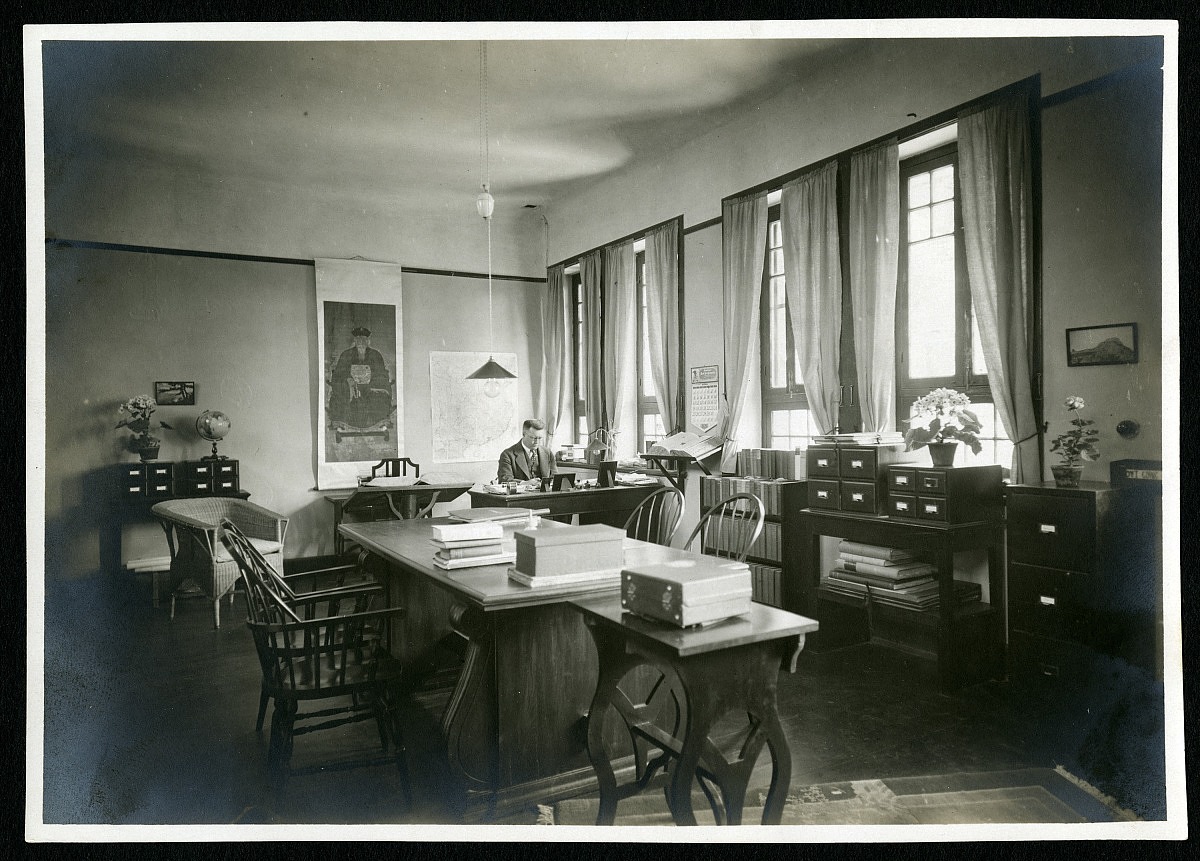
Hot Topix in Archival Research, Summer 2022
- Date: July 21, 2022
- Description: We're highlighting a few topics explored by Smithsonian Institution Archives researchers this summer.

Protection of Collections during Retrofit or Renovation
- Date: May 2, 2019
- Creator: Nora Lockshin
- Description: Yesterday, we celebrated MayDay2019 by reviewing the contents of Nora’s PRICE team go-bag, which you can explore in this Facebook Live, courtesy of the Foundation for the Advancement of Conservation!This MayDay post comes to you at a time when cultural heritage disasters on a mass scale are fresh in people’s minds. Paying attention to high visibility events offers opportunity

An Airborne Adventure: Photographing a Tuskegee Airmen Plane
- Date: January 19, 2012
- Description: Learn about the Smithsonian Institution Archive photographer, Michael Barnes, and his experience photographing Tuskegee Airmen and one of their original training planes.

Volunteer Spotlight: Joan Gilder
- Date: April 24, 2018
- Creator: Alison Reppert Gerber
- Description: Joan Gilder has been a volunteer with the Smithsonian Institution Archives' Preservation Team for two decades, and has worked to treat many of our collections in order to increase their lifespan and improve access. She has been an invaluable asset to the Archives since she first began, and we are thrilled to share a little more about her story.What did you do before you began
- Blog Post
Science Service, Up Close: Of Princes, Princesses, and Science
- Date: June 12, 2018
- Creator: Marcel Chotkowski LaFollette
- Description: As editor E. E. Slosson began setting up the Science Service news office, his mail was flooded with inquiries from potential contributors. Writers and photographers described their accomplishments and submitted samples of their work. One such letter, from Albert Harlingue on April 13, 1921, must have piqued Slosson’s interest, for it coincided with the Washington visit of “a
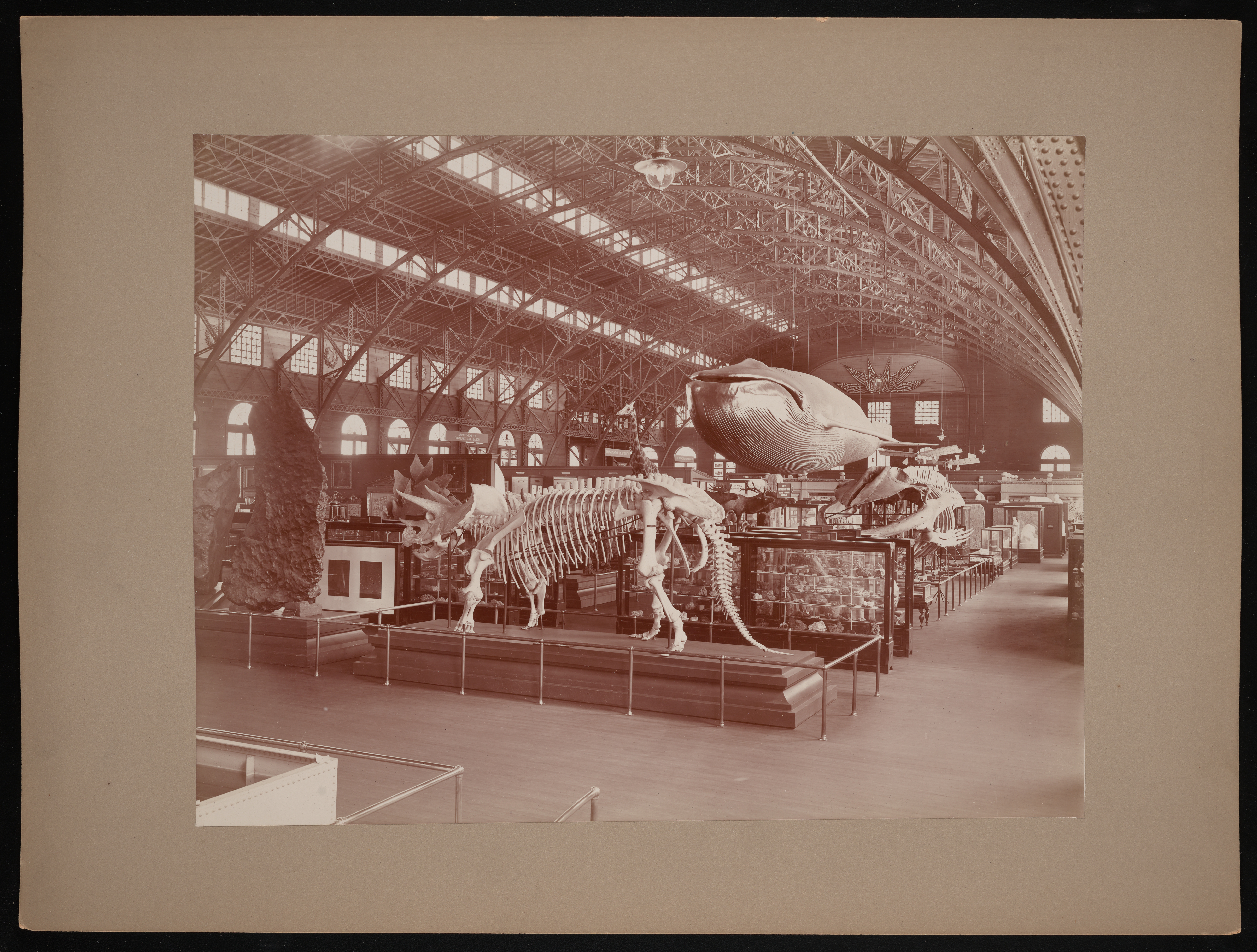
Collection Highlights: New Additions to the Archives Website
- Date: October 13, 2020
- Description: See new collection highlights posted to the Smithsonian Institution Archives website.

The Legend of the Beer Machine
- Date: September 30, 2014
- Creator: Courtney Bellizzi
- Description: Oktoberfest is here! So sit back relax and learn about a Smithsonian beer legend!

Goodbye, 2020: Working Through a Different Kind of Year
- Date: December 31, 2020
- Creator: Emily Niekrasz
- Description: Despite so many setbacks this year, Archives staff has continued to serve our researchers.