
 Some years back, and for what seemed like quite a while, people were talking about scrapbooking. As more aspects of everyday life were going digital, it felt like more and more people were paying homage to the paper-based mementoes of their experiences that appeared to be heading for oblivion. Quickly, and to support all the saving, trimming, and gluing that people were suddenly obsessing over, scrapbooking became a huge business, one that doubled in size between 2001 and 2004 to $2.5 billion. By 2003 over 1,600 companies were creating and selling scrapbooking products both in brick-and-mortar outlets and online.
In the years since that boom hit, scholars and material culture afficianados began to recognize scrapbooks as important cultural artifacts and to write about them in a broader historical and cultural context. In 2008, for example, graphic designer and critic Jessica Hellfand published a rigorous and entertaining survey of American scrapbooks. More recently, a couple of weeks ago, the New York Times ran a piece, “Saving Scrapbooks from the Scrapheap,” that enumerated a number of important scrapbook conservation projects in the works:
- In preparation of the centennial celebration of legendary folk-singer Woody Guthrie’s birth, the Woody Guthrie Foundation and Archives is readying scrapbooks that contain everything from utility bills to drafts of song lyrics for inclusion in traveling exhibitions and scanning archival materials for an upcoming book by the singer’s daughter, Nora.
- $150,000 in grant money from the federal Save America’s Treasure program is being used to stabilize and conserve about a hundred of Jacqueline Kennedy’s White House albums, which she filled with memorabilia including menus, fabric swatches, restoration plans and dried flowers tucked in between pages.
- Emory University’s Manuscript, Archives and Rare Book Library in Atlanta got a $170,000 grant, also from Save America’s Treasures, to conserve three dozen scrapbooks that were created by African Americans to commemorate the lives of freed slaves, celebrities, noted writers, and sorority sisters, among others.
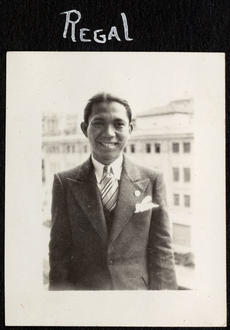
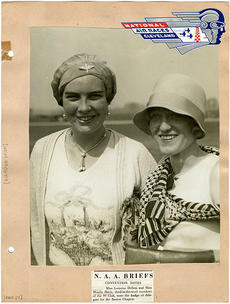
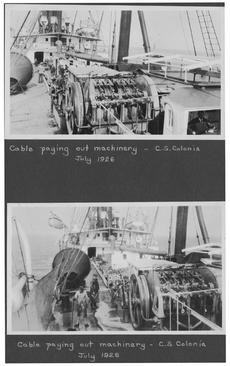
If you’re a regular reader of our blog, you’re probably aware that much of the work of the Smithsonian Institution Archives revolves around the conservation of older materials. You may also have noticed that we blog, quite often, about ways you can preserve the kind of digital materials that reside in electronic repositories that are, with greater and greater frequency, replacing scrapbooks as the archives of our personal lives. And if you’re among those who are fascinated by scrapbooks (or have caught the scrapbooking bug, yourself), here’s a quick sampling of some scrapbook-related materials from Smithsonian collections that you might enjoy knowing about:
Produced by the Smithsonian Institution Archives. For copyright questions, please see the Terms of Use.
Leave a Comment