
Results for "Update"
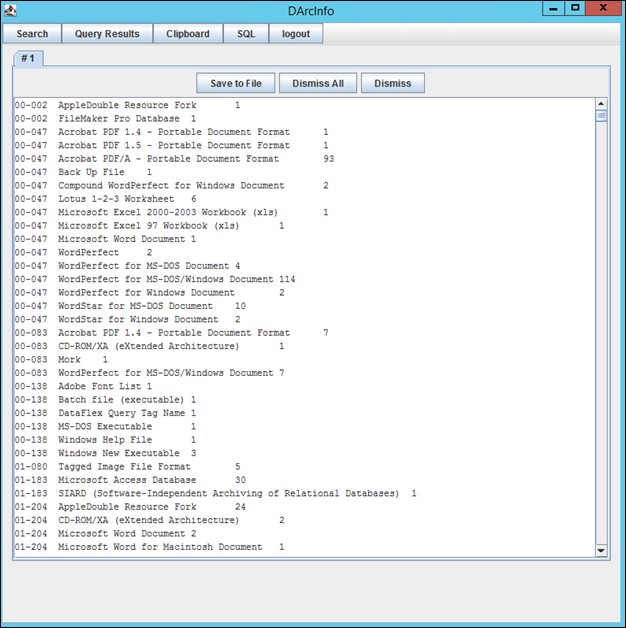
Assessing File Format Risk for Born-Digital Preservation Planning
- Date: August 3, 2021
- Description: In addition to physical damage and deterioration of storage media, the technological complexity and dependency of electronic records make them uniquely vulnerable to loss, corruption, and alteration (both accidental and malicious). To achieve long-term preservation of fragile born-digital materials, digital archivists need a plan.
- Blog Post
Live Blogging from the Smithsonian Archives Fair!
- Date: October 22, 2010
- Creator: Catherine Shteynberg
- Description: [caption id="attachment_9678" align="aligncenter" width="300" caption="View of the Archives Fair setup, October 22, 2010."][/caption] We are going to be live blogging from the Smithsonian Archives Fair this morning and profiling all of the activities that will be going on today. Stay tuned throughout the day to see what's going on. [caption id="attachment_9680"
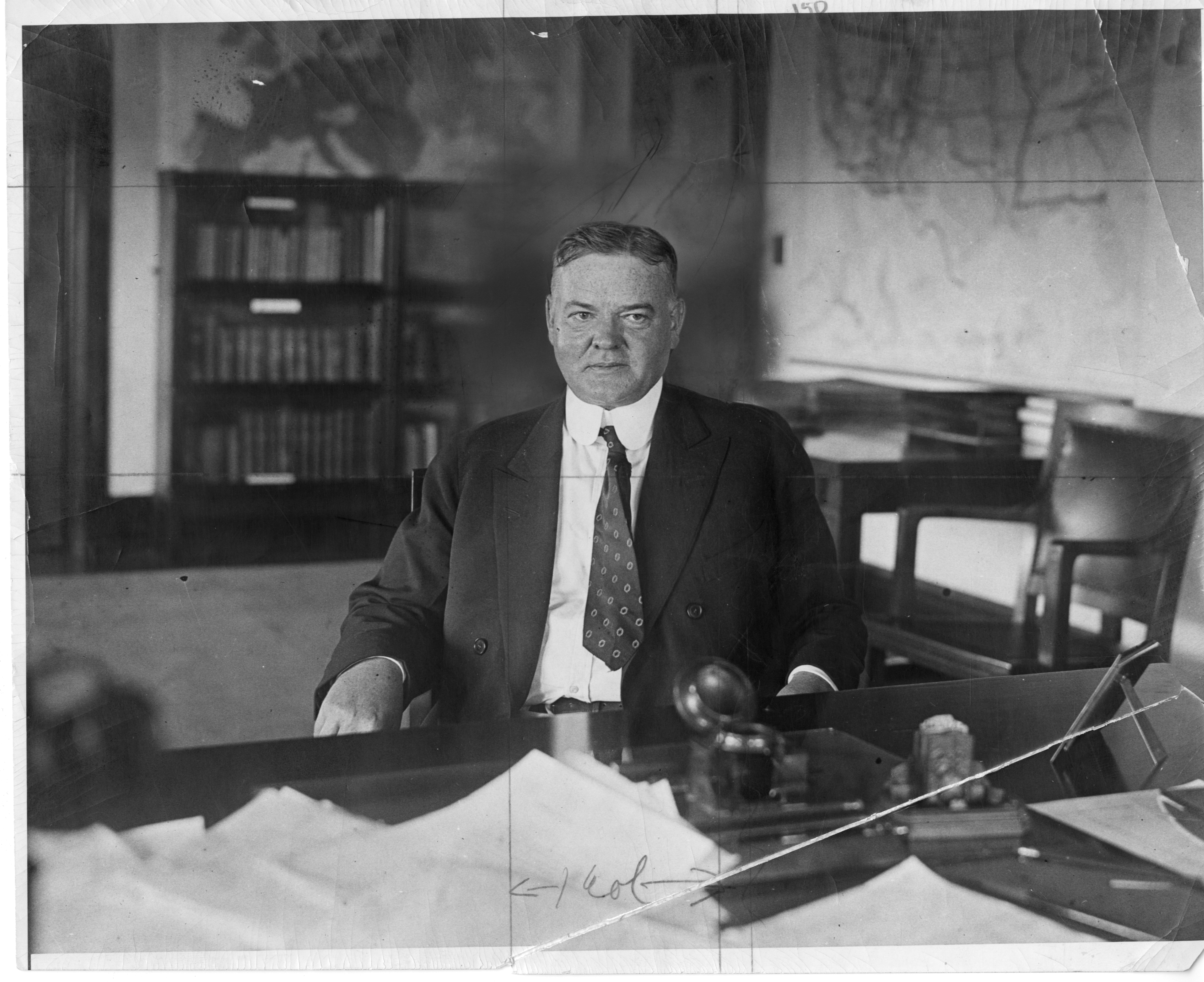
Science Service, Up Close: Herbert Clark Hoover and Radio, August 11, 1928
- Date: August 11, 2016
- Creator: Marcel Chotkowski LaFollette
- Description: Photos in the Science Service collection documenting Herbert Hoover's historic acceptance of the Presidential nomination with live radio coverage.
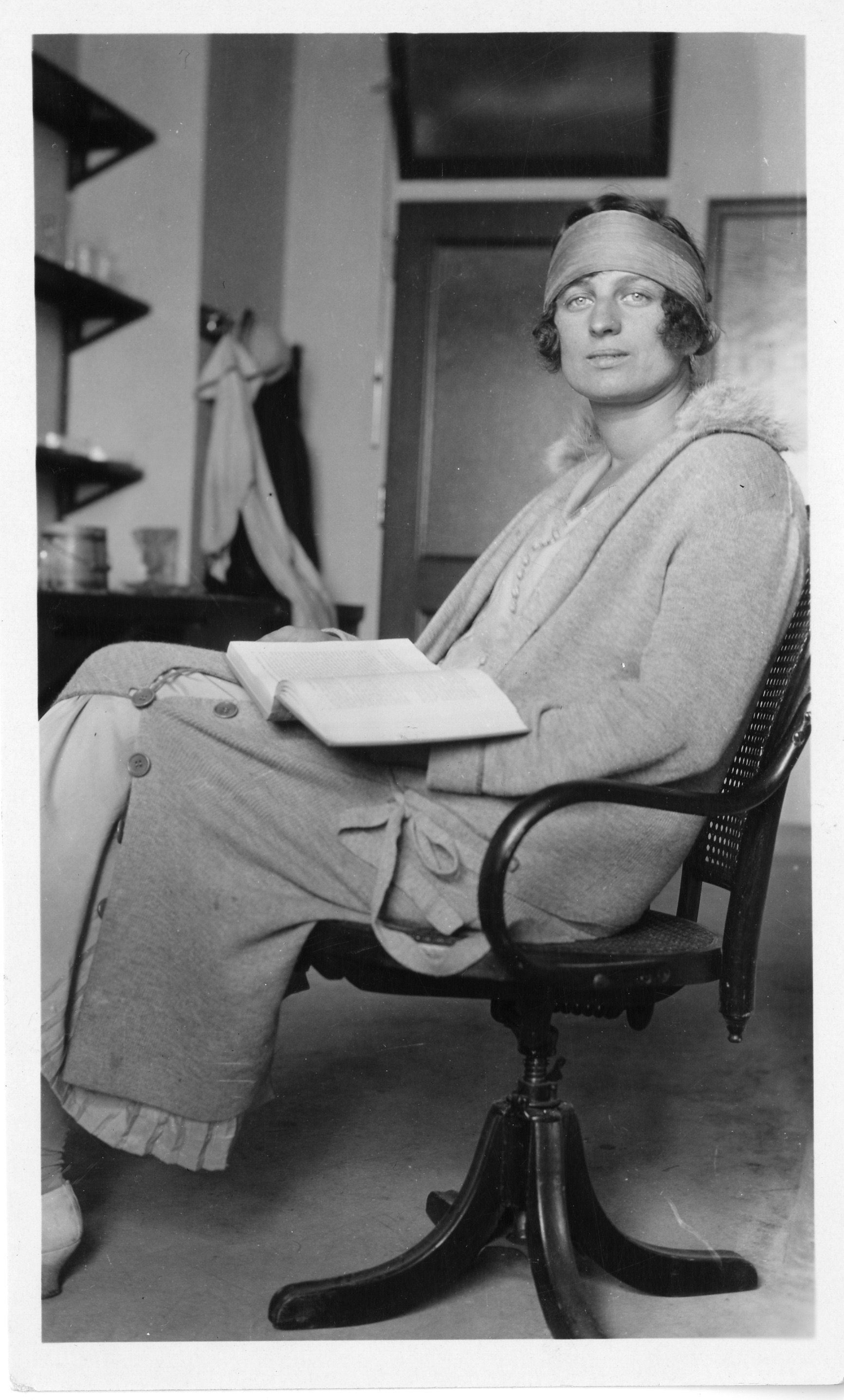
The Scientific Portraits of Julian Papin Scott, Part 2 of 2: Who and How, and Why It Matters
- Date: September 10, 2019
- Creator: Marcel Chotkowski LaFollette
- Description: The historical legacy of amatuer photographer Julian Papin Scott (1877-1961) is far greater than was acknowledged at the time, because of both who he photographed and how he set up the images.

Science Service, Up Close: The Sleeplessness Study, Part 1 - Insomniacs
- Date: August 18, 2015
- Creator: Marcel Chotkowski LaFollette
- Description: In 1925, seven George Washington University students volunteered to stay awake for sixty hours, and drove, danced, sang, and swam in an effort to remain alert.

The World Is Yours: Glass
- Date: September 29, 2020
- Description: Take a listen to clips from the episode of The World Is Yours titled Glass.
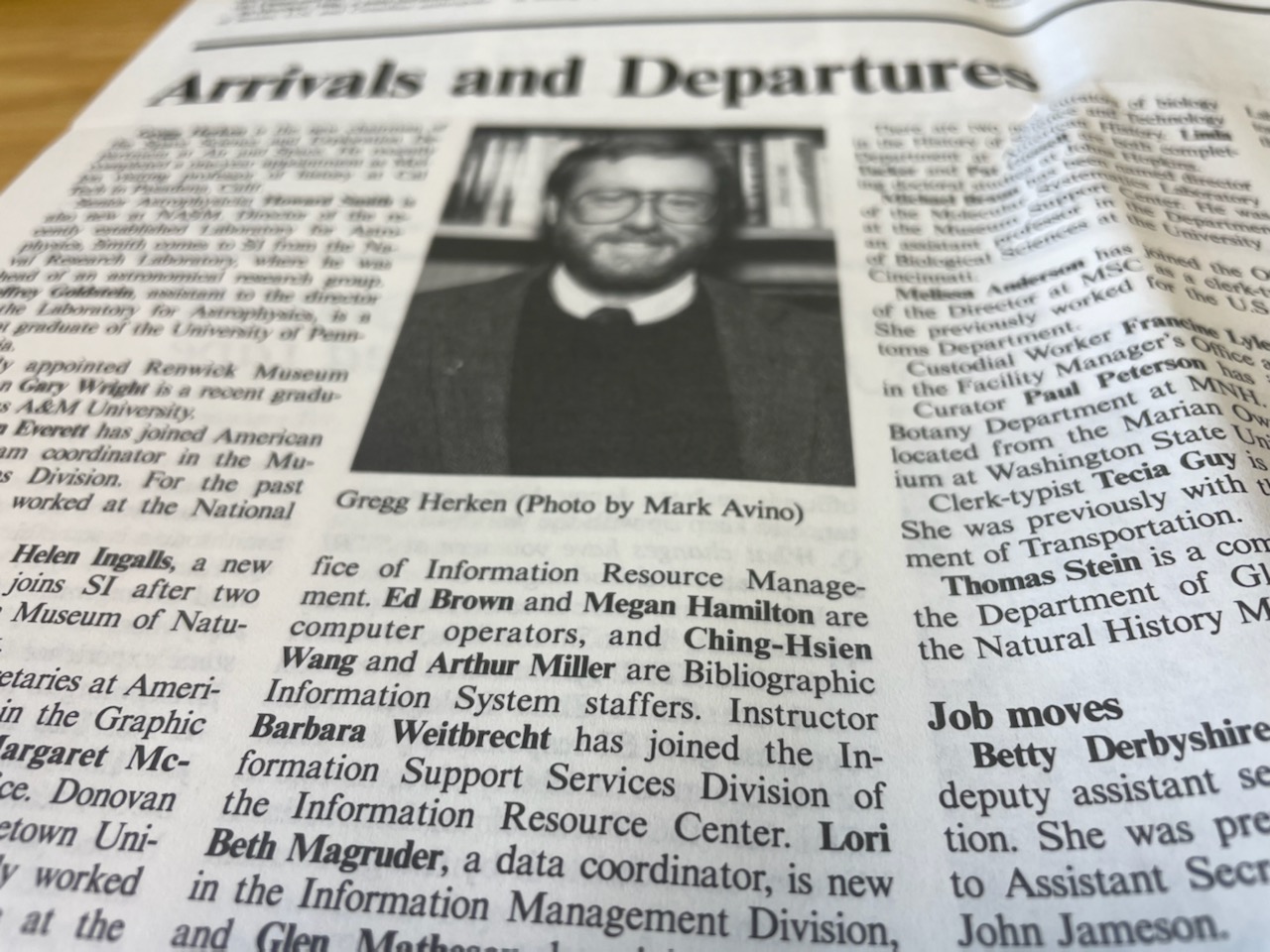
A Champion for Libraries and Archives: Ching-hsien Wang
- Date: May 26, 2022
- Creator: Mitch Toda
- Description: In their efforts to document the history of computing at the Smithsonian, volunteers are interviewing former staff to preserve their stories and experiences. Ching-hsien Wang was a force that helped libraries and archives make their collections accessible online and here are some early excerpts from our interview with her.
- Blog Post
Documenting a Life of One’s Own
- Date: March 24, 2022
- Description: Consider the courage it took for some of the earliest women in science at the Smithsonian to donate their personal papers to the Institution.
- Blog Post
We Don't Know about You, But We’re Feeling (20)22
- Date: December 30, 2021
- Creator: Emily Niekrasz
- Description: Despite another year of telework and limited physical access to our collections, the Smithsonian Institution Archives has continued to serve our researchers and share more of our collections with the public.

The World Is Yours: Flying the Ocean
- Date: June 23, 2020
- Creator: Kira M. Sobers
- Description: Take a listen to clips from the episode of The World Is Yours titled Flying the Ocean.
- Blog Post
Cherry Blossoms, Travel Logs, and Colonial Connections: Eliza Scidmore’s Contributions to the Smithsonian
- Date: August 18, 2020
- Description: Eliza Scidmore was a lifelong photographer, writer, and world traveler. In addition to facilitating a gift of cherry blossom trees from Japan to the U.S. capital, Scidmore donated her time, photographs, and some artifacts to the Smithsonian’s collections. She also accessed the world through colonial channels that she reinforced with her writings.

Science Service, Up Close: Journalists, Cancer Research, and Public Education
- Date: March 6, 2018
- Creator: Marcel Chotkowski LaFollette
- Description: Cancer, James T. Patterson observed in The Dread Disease, serves as a powerful metaphor in American culture, where the malady mirrors the “manifestation of social, economic, and ideological divisions” in modern life. In the decades since publication of Patterson’s book, medical research has made great strides in methods of detection and treatment. But the challenge for science