
Results for "Twitter"

Science Service, Up Close: Lorentz and Einstein, Geneva, 1926
- Date: October 1, 2015
- Creator: Marcel Chotkowski LaFollette
- Description: A previously unpublished photograph, from the Science Service "morgue" files in Accession 90-105, shows two Nobel laureate physicists, Anton Lorentz and Albert Einstein, in 1926.

Science Service, Up Close: Technology and Political Conventions
- Date: July 19, 2016
- Creator: Marcel Chotkowski LaFollette
- Description: In a Presidential election year, political news coverage can sometimes seem almost too instantaneous and continuous. Thanks to smartphones with cameras and microphones, journalists and citizens can relay images and sound from almost anywhere inside campaign activities. There was a time, however, when live broadcasting from political conventions and rallies was novel.Starting
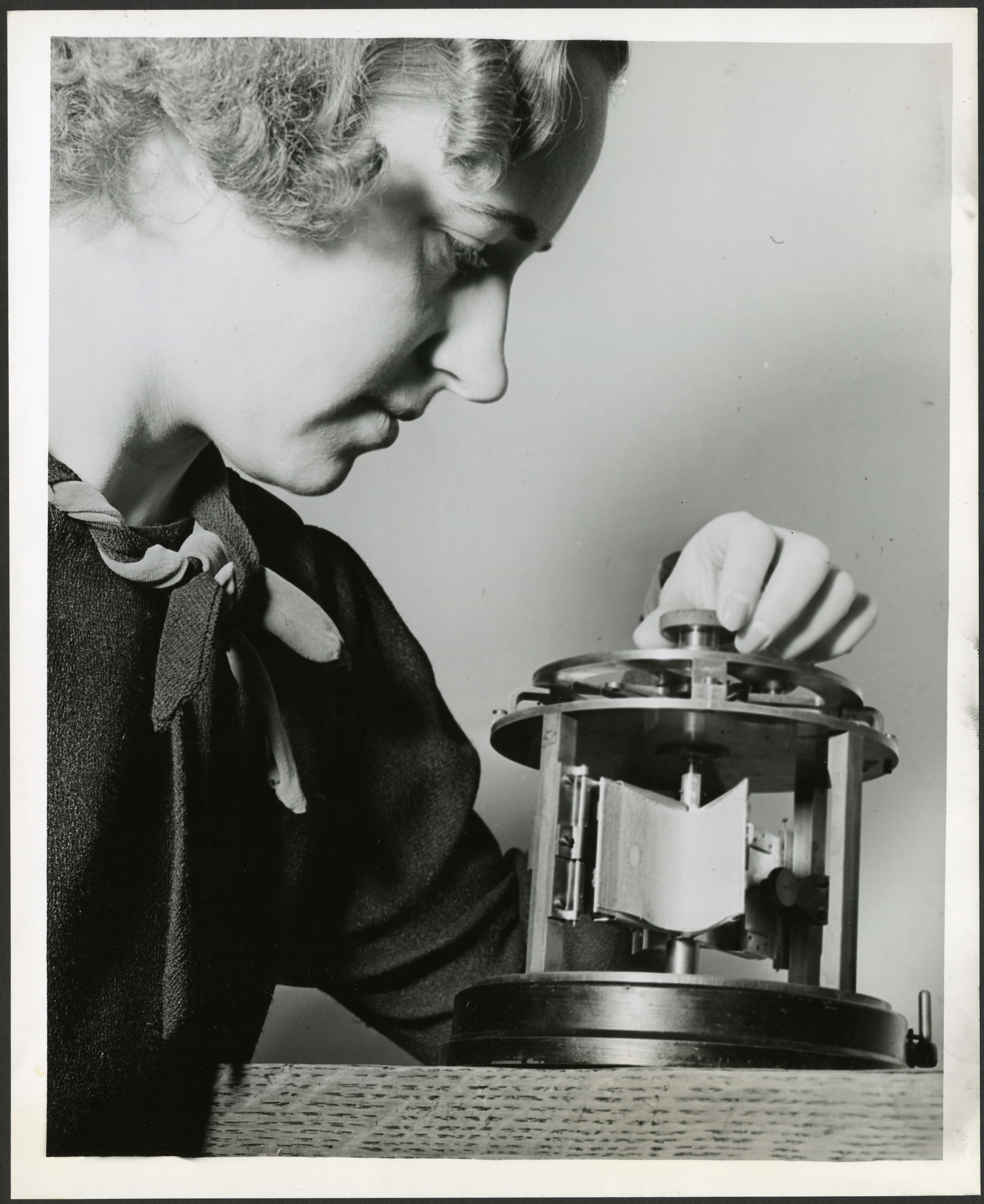
Science Service, Up Close: Ruby K. Worner
- Date: November 12, 2015
- Creator: Marcel Chotkowski LaFollette
- Description: A look at the brilliant work and sharp insight of a trailblazing woman chemist, Ruby K. Worner.

Frank Thone and a "Square Deal" on Earth Day
- Date: April 22, 2013
- Creator: Marcel Chotkowski LaFollette
- Description: A photo montage of a science journalist and a fly illustrates the man's sense of humor and attitudes toward nature.
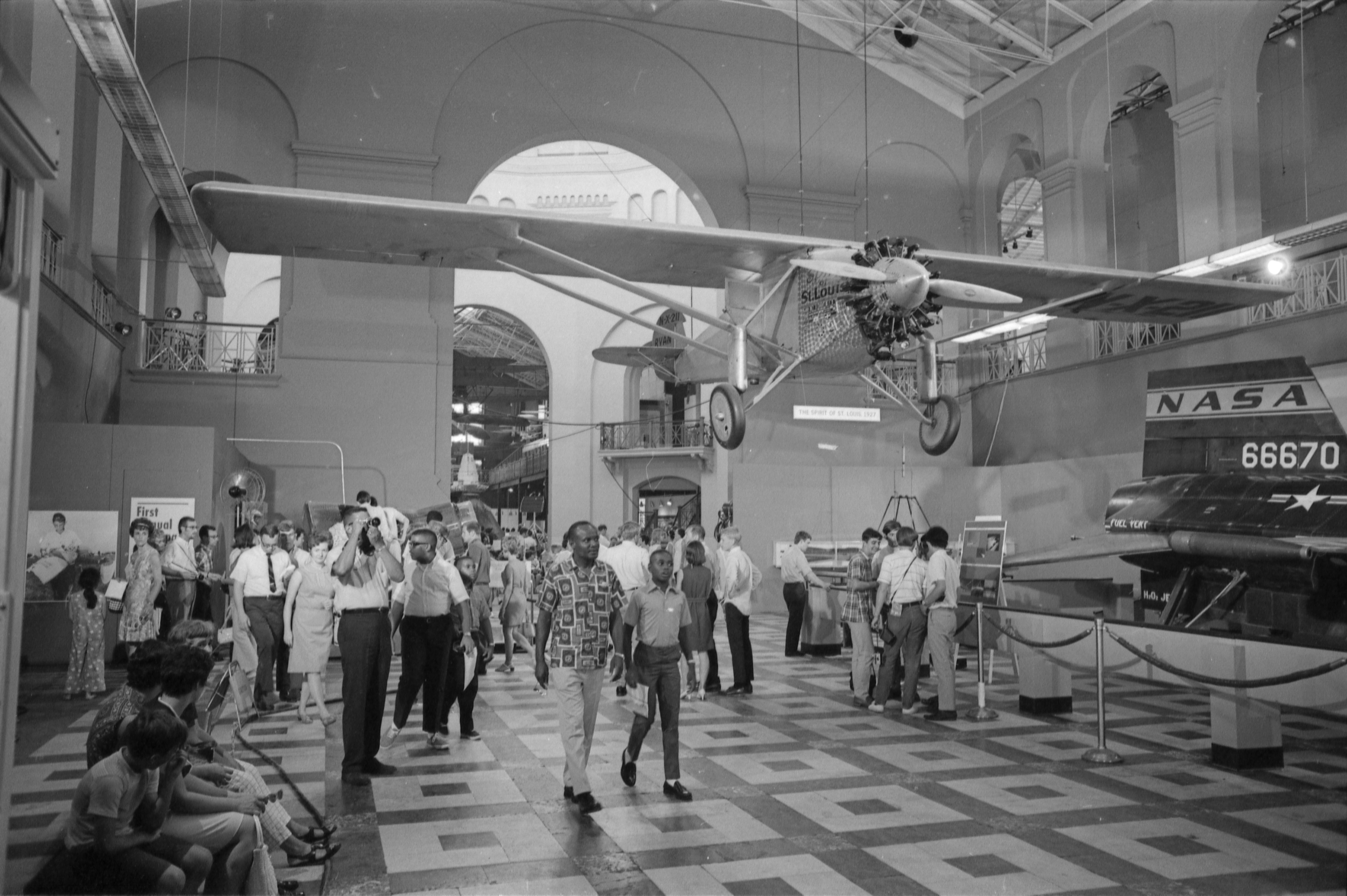
Television and the Smithsonian: The Moon Party and "Instant History"
- Date: November 27, 2012
- Creator: Marcel Chotkowski LaFollette
- Description: On July 20, 1969, television broadcasters and Smithsonian visitors joined in watching history in the making when astronauts stepped onto the Moon.

Science Service, Up Close: Considering the Universe
- Date: September 24, 2015
- Creator: Marcel Chotkowski LaFollette
- Description: At a September 27, 1931, symposium about the evolution of the universe, Watson Davis photographed astronomer Abbé Georges Henri Joseph Édouard Lemaître, physicist Sir Oliver Lodge, astrophysicist Edward Arthur Milne, and Anglican bishop and mathematician Ernest William Barnes.
- Blog Post
Science Service, Up Close: Before DNA Made Them Famous - Crick, Wilkins, and Watson
- Date: February 27, 2018
- Creator: Marcel Chotkowski LaFollette
- Description: [edan-image:id=siris_arc_391843,size=300,center]By the 1960s, Science Service had been acquiring photographs of scientists, obscure as well as famous, for over four decades. Portraits of Edison or Einstein were always in demand, but experience had also shown that bright, accomplished young people might someday be awarded a major prize or make a discovery deemed
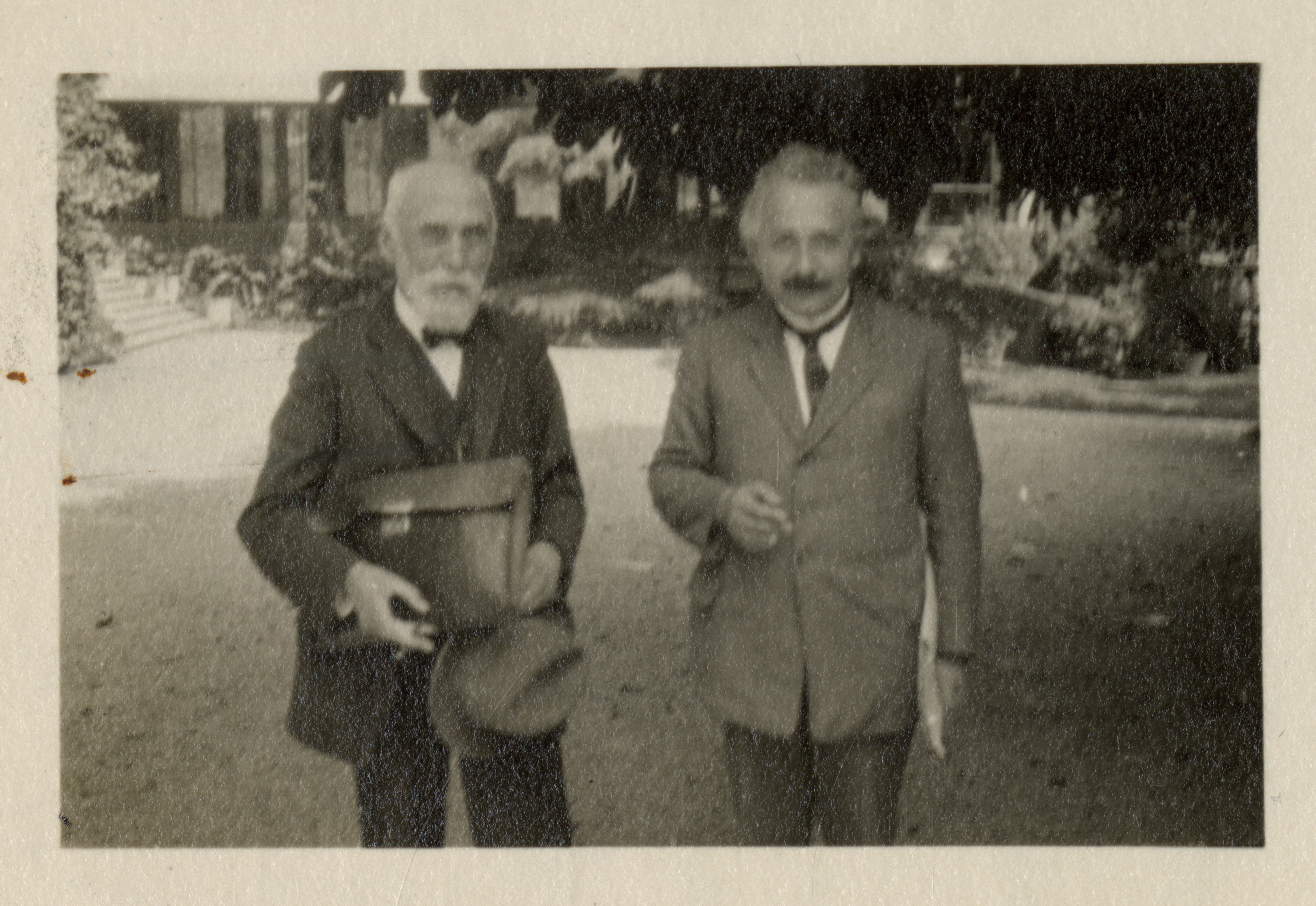
Science Service, Up Close: Informal Moments
- Date: May 8, 2018
- Creator: Marcel Chotkowski LaFollette
- Description: Formal portrait photographs of scientists tend to preserve the stiffness of the moment, rather than capture the sitter’s personality. Perhaps that is the reason that candid photographs of celebrities like Albert Einstein stick in public memory.A 1931 photograph of three Nobel laureate physicists illustrates why we tend to remember the informal photos of scientists more than
- Blog Post
Digitized Photos and Back Stories
- Date: October 22, 2015
- Creator: Marcel Chotkowski LaFollette
- Description: Discovering the “back story” behind a unique digitized image in the Science Service collections.
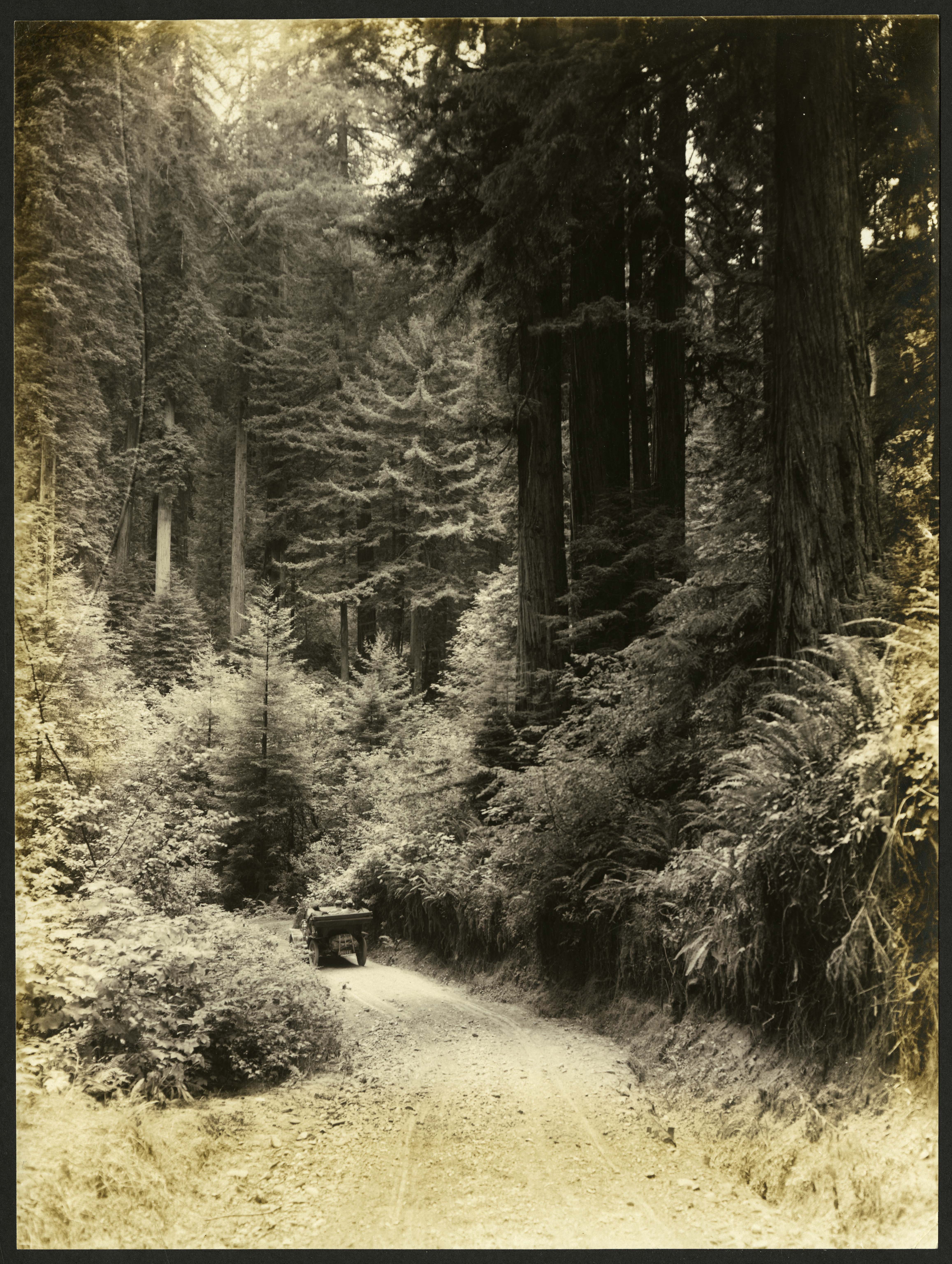
Science Service, Up Close: Save the Redwoods
- Date: May 21, 2015
- Creator: Marcel Chotkowski LaFollette
- Description: Science Service: Up Close - Pictures from the Bolling Memorial Redwood Grove, Humboldt County, California.
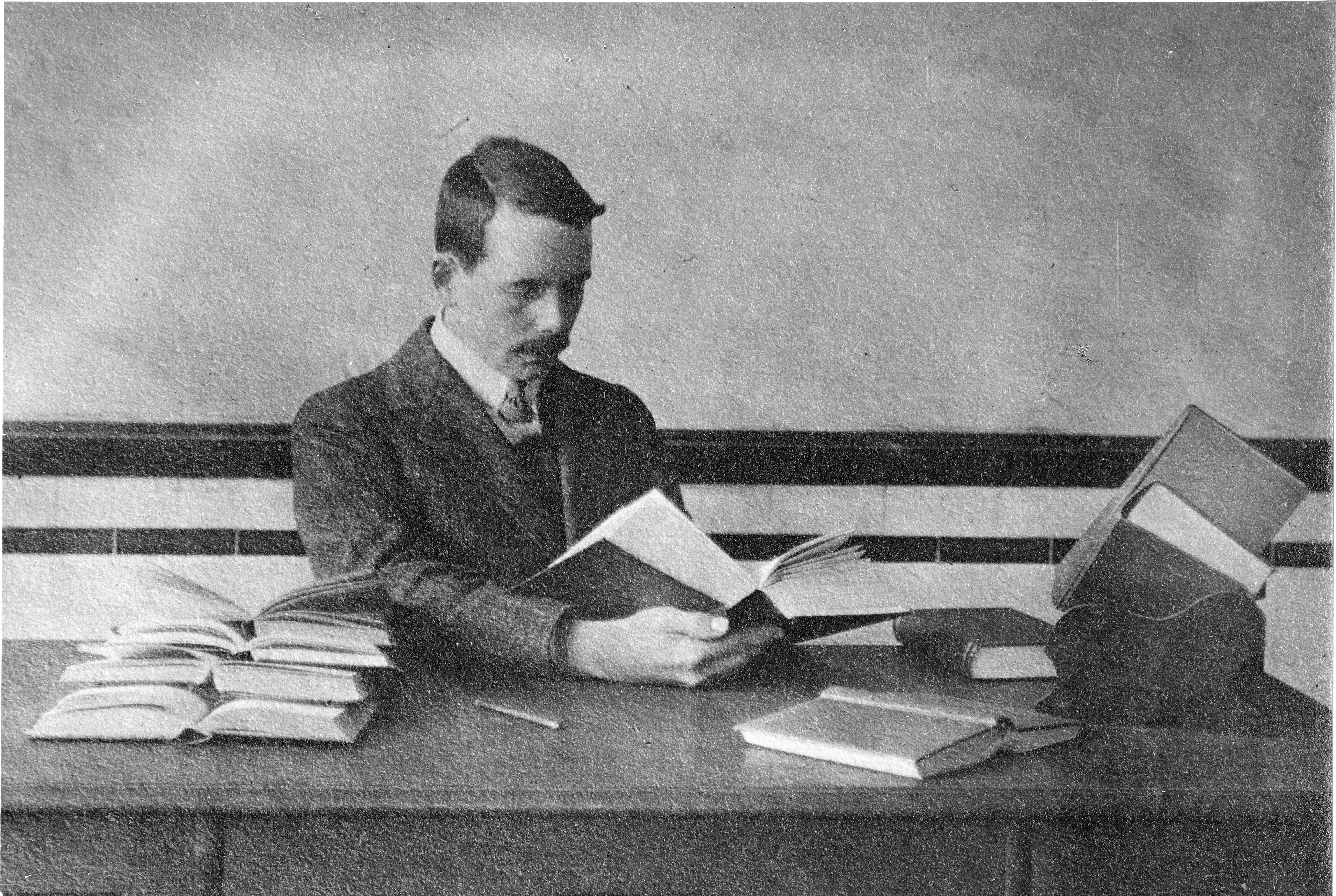
Science Service, Up Close: Two Haunting Portraits of Henry Gwyn Jeffreys Moseley
- Date: November 7, 2019
- Creator: Marcel Chotkowski LaFollette
- Description: A proud mother responded to news service’s request for a photograph of her physicist-son killed during World War I.
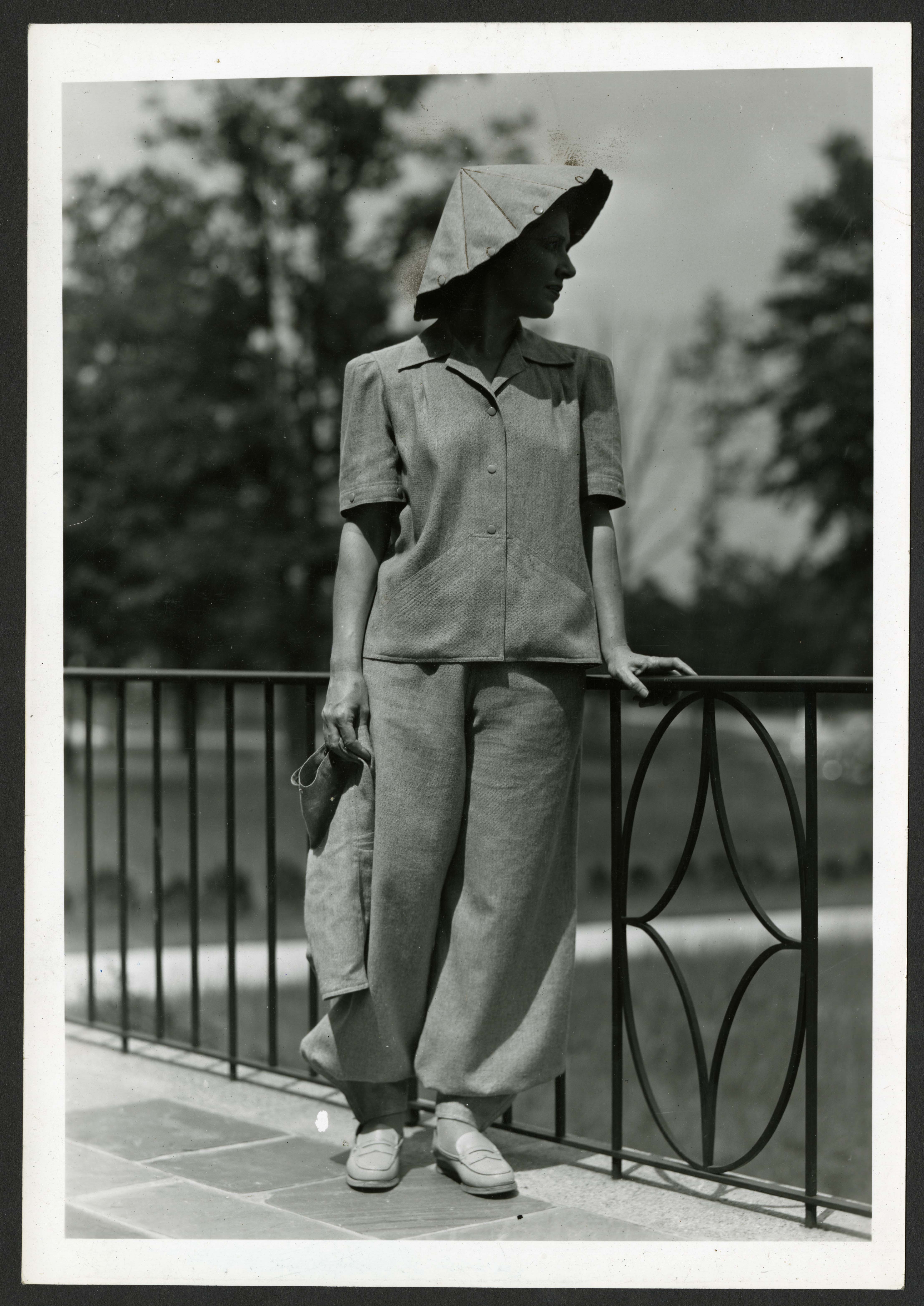
Science Service, Up Close: Making Do
- Date: June 4, 2015
- Creator: Marcel Chotkowski LaFollette
- Description: Science Service: Up Close - Looking at the "defense fashions" for female workers during World War II.