
Results for "Smithsonian Institution. Libraries"

“Muse of Scientific Literature”: Leila Forbes Clark
- Date: March 13, 2018
- Creator: Pamela M. Henson
- Description: In honor of Women’s History Month and the 50th anniversary of Smithsonian Libraries, let’s learn about Leila Gay Forbes Clark (1887-1964), the second woman to direct the Smithsonian’s library. She was beloved by the researchers she worked with (really loved in one case….) and began the restructuring of the many small libraries across the Smithsonian.
- Blog Post
The Smithsonian’s First Woman Employee: Jane W. Turner, Librarian
- Date: March 27, 2014
- Creator: Pamela M. Henson
- Description: Jane Turner was the first paid female employee at the Smithsonian, eventually becoming the Smithsonian’s Librarian.

The Smithsonian Castle Construction Begins
- Date: March 19, 2019
- Creator: Pamela M. Henson
- Description: The Smithsonian Institution Building, or the “Castle,” is the most iconic of all the Smithsonian’s 769 facilities, which include its nineteen museums, nine research centers, National Zoo, and all of its other establishments. The Castle was the first building constructed specifically for the Smithsonian after it was founded in 1846. On March 19, 1847, a contract was signed with
- Blog Post
Looking for Women Managers of the Smithsonian’s Museums
- Date: March 16, 2022
- Creator: Pamela M. Henson
- Description: When did women begin to manage Smithsonian museums? Meet Grace Dunham Guest who was a key staff member in opening the Freer Gallery of Art in 1923.
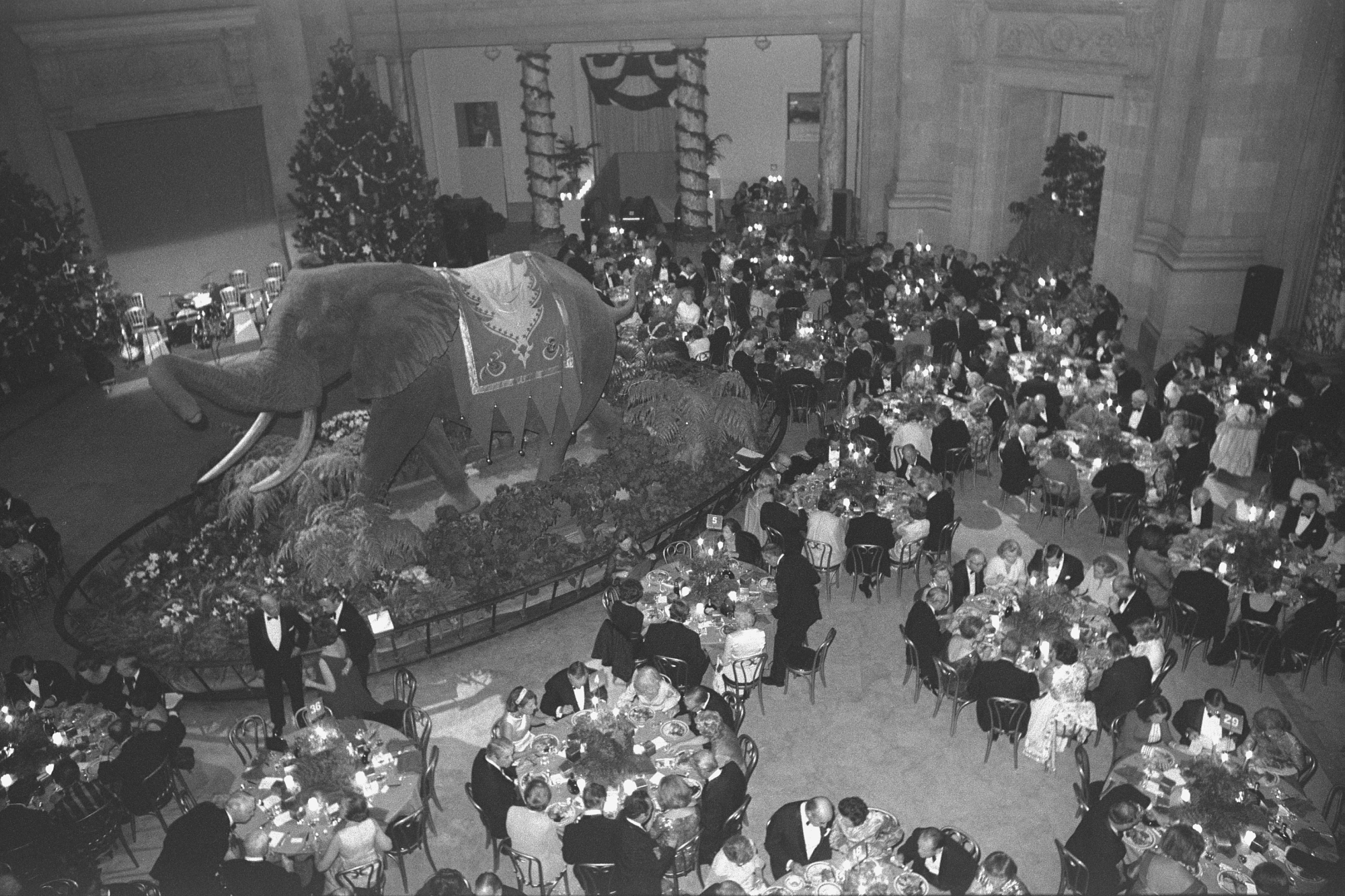
A Crafty Way to Support the Smithsonian
- Date: May 14, 2019
- Creator: Pamela M. Henson
- Description: Tracing the history of the Smithsonian Women’s Committee, created in 1966 to raise funds to support the Institution, especially its educational programs.
- Blog Post
The Burning of the Smithsonian
- Date: January 23, 2015
- Creator: Pamela M. Henson
- Description: One hundred fifty years ago, on January 24, 1865, a massive fire erupted in the west wing of the Smithsonian Castle.

The Smithsonian Goes Telephonic in 1878!
- Date: June 28, 2018
- Creator: Pamela M. Henson
- Description: [edan-image:id=siris_sic_9592,size=200,left]Did you know the Smithsonian was an early adopter of the telephone? In June of 1878, a system of electronic bells and telephones was installed throughout the Smithsonian Castle. The system connected several workrooms and offices to provide instant communications within the building. At that time, there were only 187 telephone lines

War Correspondents
- Date: July 26, 2012
- Creator: Pamela M. Henson
- Description: Discusses the opening of an exhibit When Time and Duty Permit: Smithsonian Collecting in World War II and the correspondence files that will be displayed.
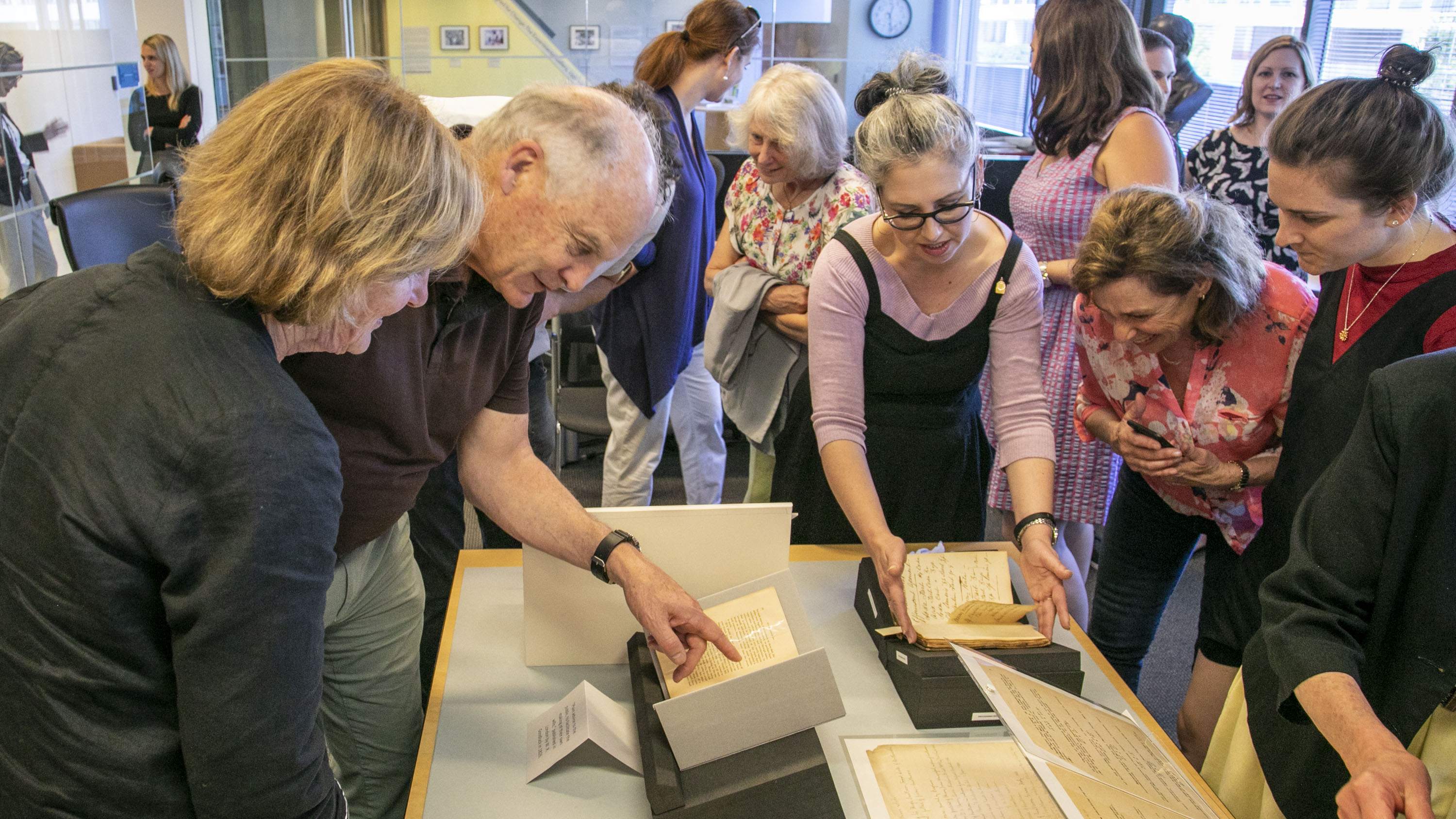
Hungerford Family Visits the Smithsonian
- Date: August 27, 2019
- Creator: Pamela M. Henson
- Description: In July 2019, the Hungerfords, descendants of James Smithson’s mother’s family visited the Smithsonian and got to see a new Hungerford document.
- Blog Post
Photo Sleuth: When the Evidence Doesn’t Add Up
- Date: May 14, 2013
- Creator: Pamela M. Henson
- Description: What happens when you have information about a historic photograph that is contradictory? How do you decide what information is correct? Check out how one historian grapples with these mysteries.
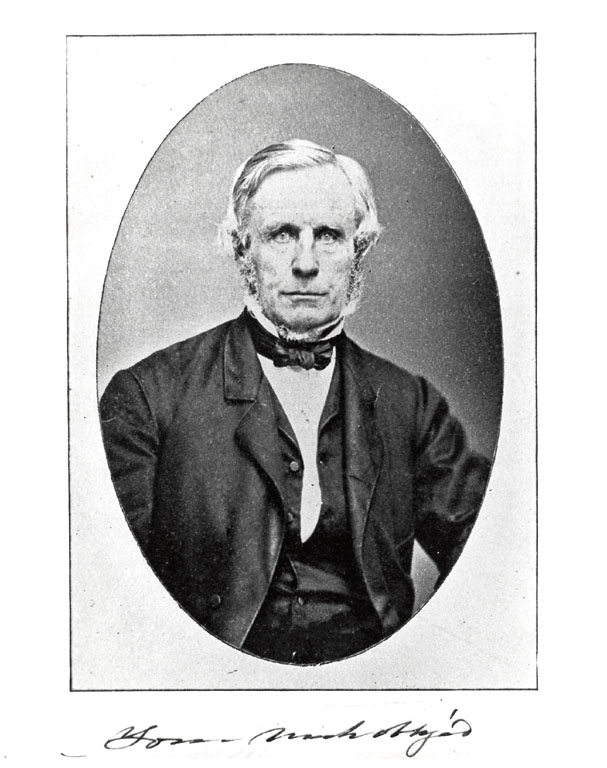
Legislative Logjam to Kitchen Sink
- Date: May 22, 2014
- Creator: Pamela M. Henson
- Description: In the spring of 1846, after years of debate, the legislative logjam over what the Smithsonian would be was finally broken with compromise legislation by New York Congressman, William Jervis Hough.
- Blog Post
ATMs & Virtual Wallets—What Did We Do Before Them?
- Date: August 28, 2012
- Creator: Pamela M. Henson
- Description: How money was transferred in the 19th century before the era of the ATM.