
Results for "Smithsonian Institution. Libraries. Development Committee"
- Blog Post
Science Service, Up Close: John Clavon Norman, Jr. – Pathbreaking Cardiac Surgeon and Researcher
- Date: August 23, 2018
- Creator: Marcel Chotkowski LaFollette
- Description: [edan-image:id=siris_arc_395101,size=300,left]When Harvard Medical School distributed these photographs of John Clavon Norman, Jr., M.D. (1930-2014) to news services in the 1960s, Dr. Norman was at an exciting stage of his career. The young physician had already made quite a journey, but there would be even more paths to blaze. He had been born in West Virginia to parents who

Science Service, Up Close: Women in Geology and Paleontology
- Date: March 14, 2019
- Creator: Marcel Chotkowski LaFollette
- Description: To celebrate Women’s History Month, here are two examples of 20th-century women who applied their education and expertise in geology and paleontology outside traditional university career paths.

Science Service, Up Close: Journalists, Cancer Research, and Public Education
- Date: March 6, 2018
- Creator: Marcel Chotkowski LaFollette
- Description: Cancer, James T. Patterson observed in The Dread Disease, serves as a powerful metaphor in American culture, where the malady mirrors the “manifestation of social, economic, and ideological divisions” in modern life. In the decades since publication of Patterson’s book, medical research has made great strides in methods of detection and treatment. But the challenge for science

Science Service, Up Close: Science Reporters on the Hunt
- Date: April 18, 2019
- Creator: Marcel Chotkowski LaFollette
- Description: Photographs from the Science Service collections preserve behind-the-scenes glimpses of the newsgathering process for science reporters.
Science Service, Up Close: A Meeting Of Minds
- Date: April 7, 2016
- Creator: Marcel Chotkowski LaFollette
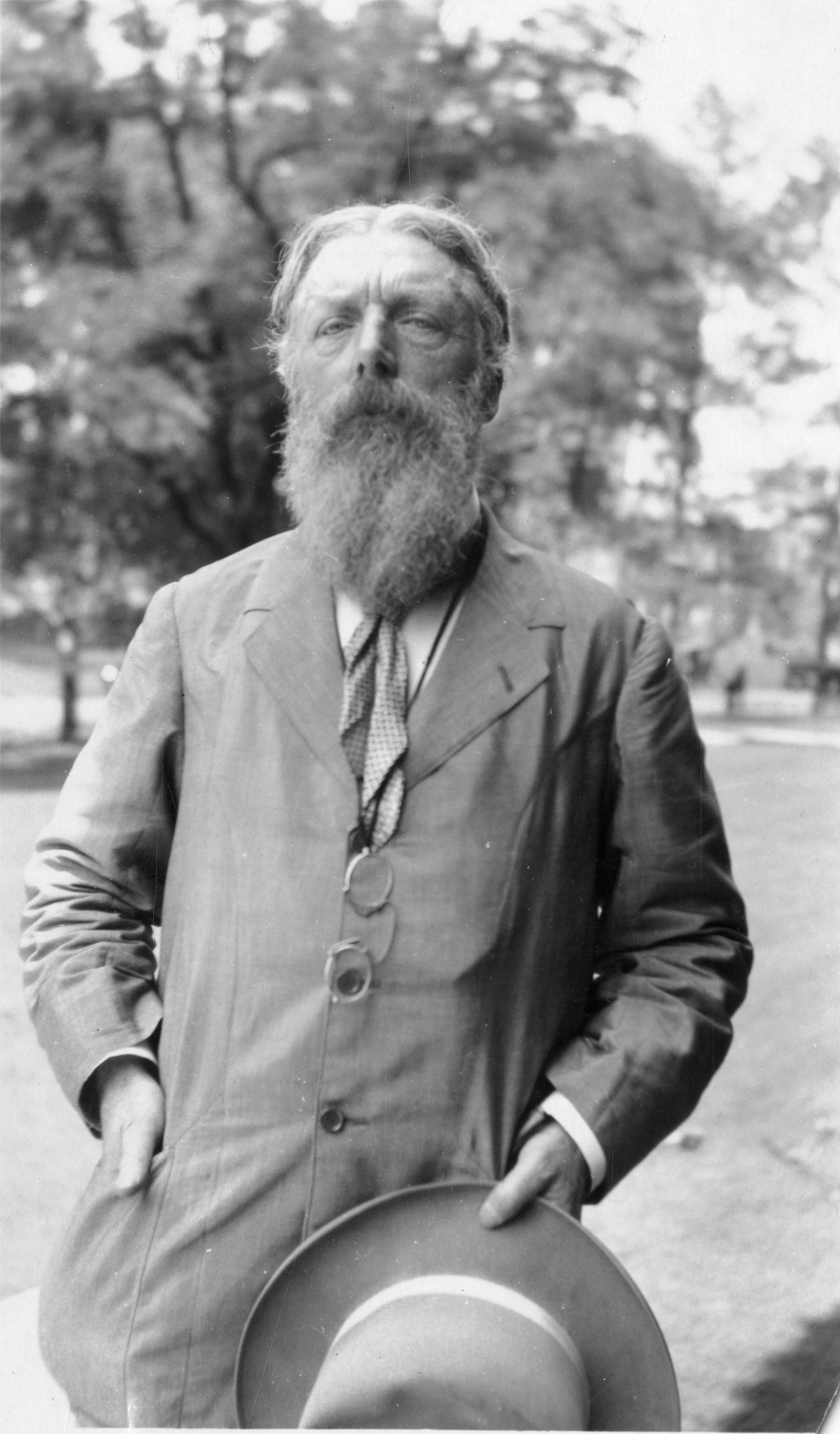
- Description: A rare meeting of the scientific minds at the 92nd Annual British Association Conference in 1924, captured by Science Service journalist Watson Davis.
- Blog Post
Science Service, Up Close: Father’s Day “Gene-ius”
- Date: June 13, 2019
- Creator: Marcel Chotkowski LaFollette
- Description: To celebrate Father’s Day 2019, here are three photographs of famous fathers and sons in biology and physics.

Science Service, Up Close: The Periodic Chart
- Date: January 3, 2017
- Creator: Marcel Chotkowski LaFollette
- Description: Henry David Hubbard (1870-1943), a physicist at the U.S. National Bureau of Standards, designed the first edition of the "Periodic Chart of the Atoms" in 1924. The chart is still in use today, continually updated to reflect new elements.
Science Service, Up Close: Ruby K. Worner
- Date: November 12, 2015
- Creator: Marcel Chotkowski LaFollette
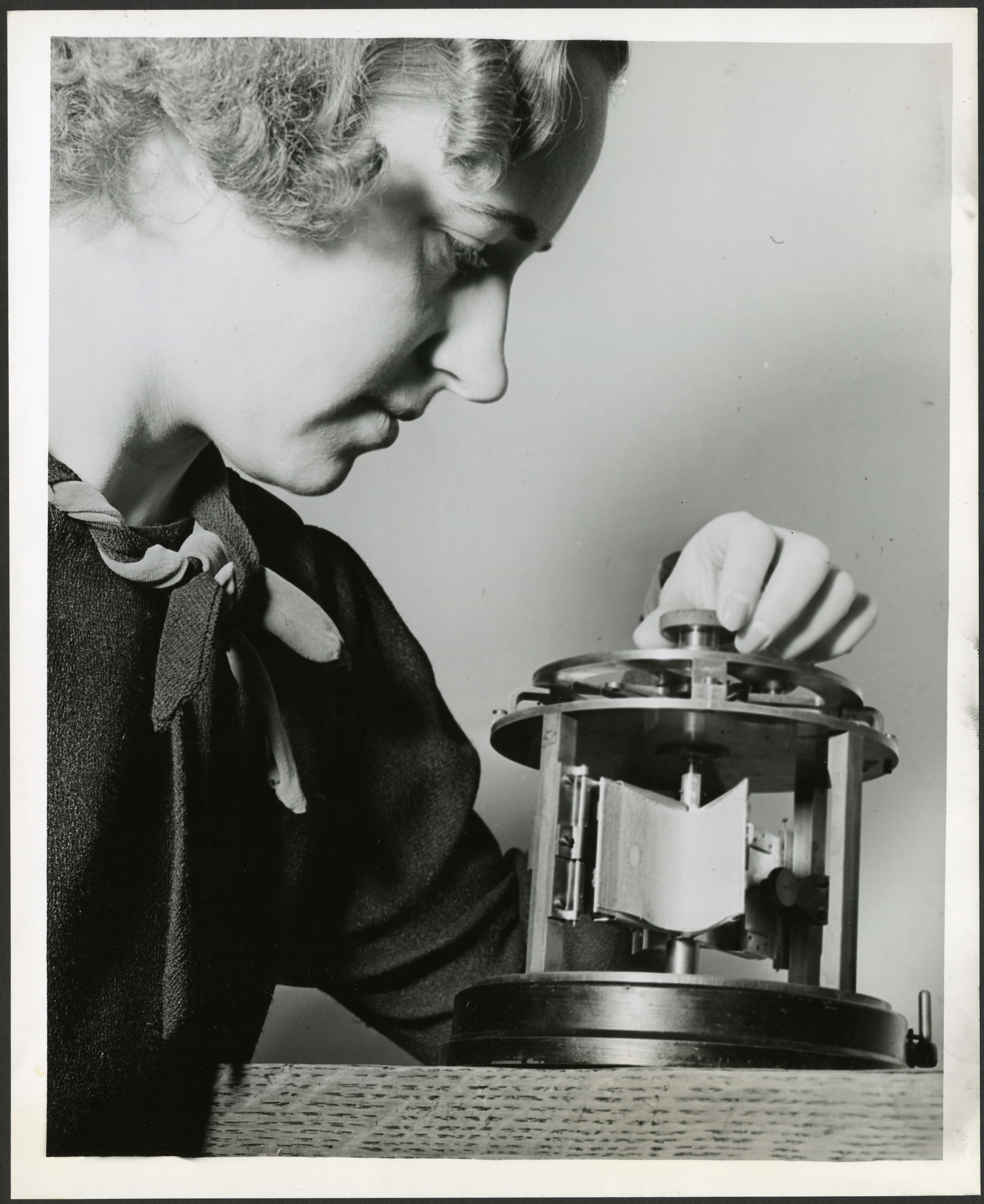
- Description: A look at the brilliant work and sharp insight of a trailblazing woman chemist, Ruby K. Worner.
- Blog Post
Science Service, Up Close: Up in the Air for a Solar Eclipse
- Date: January 24, 2017
- Creator: Marcel Chotkowski LaFollette
- Description: On January 24, 1925, for the first time in over a century, a total solar eclipse would be visible across the northern part of the United States. How scientists used a dirigible to observe the phenomenon.
- Blog Post
Science Service, Up Close: Telephone Books, Wax Turkeys, and Talking Chickens
- Date: March 8, 2016
- Creator: Marcel Chotkowski LaFollette
- Description: In the U.S. Department of Agriculture (USDA) Office of Exhibits, Margaret Jane Russell Roller (1888-1973) had begun to specialize in fabricating lifelike wax models of food and animals.
- Blog Post
Science Service, Up Close: Charles Bittinger and the Worlds of Science and Art
- Date: December 6, 2016
- Creator: Marcel Chotkowski LaFollette
- Description: The work of painter Charles Bittinger, bridging the worlds of science and art.