
Results for "Smithsonian Institution. Archives and Special Collections Council"
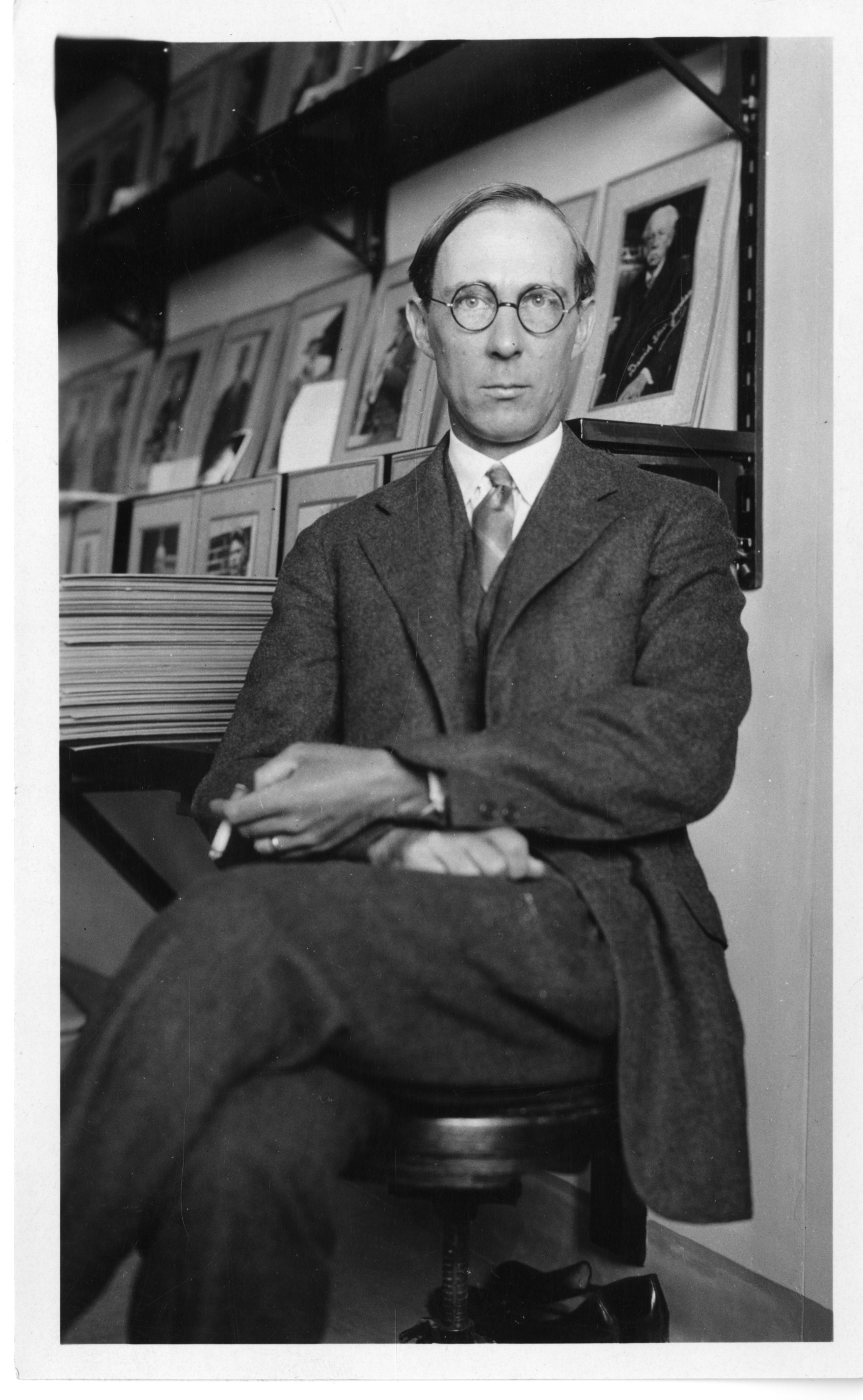
The Scientific Portraits of Julian Papin Scott, Part 1 of 2: The Photographer Behind the Lens
- Date: September 3, 2019
- Creator: Marcel Chotkowski LaFollette
- Description: In a world drowning in images, where we swipe past photos of friends, relatives, and selves in mere seconds, a set of remarkable portraits taken in the 1910s and 1920s by Julian Papin Scott (1877-1961) deserve more considered attention. Sometimes, his subjects appear immersed in work, surrounded by microscopes, beakers, or stacks of books, as if unaware of the photographer.
- Blog Post
Science Service, Up Close: Of Princes, Princesses, and Science
- Date: June 12, 2018
- Creator: Marcel Chotkowski LaFollette
- Description: As editor E. E. Slosson began setting up the Science Service news office, his mail was flooded with inquiries from potential contributors. Writers and photographers described their accomplishments and submitted samples of their work. One such letter, from Albert Harlingue on April 13, 1921, must have piqued Slosson’s interest, for it coincided with the Washington visit of “a
- Blog Post
Publicity, Politics, and Physics
- Date: March 10, 2010
- Creator: Marcel Chotkowski LaFollette
- Description: Long ago and far away, before gray hairs and creaky knees, before history became my passion, I was an undergraduate physics major. Physics seemed fascinating and beautiful, if difficult. Later, after career paths led into history and science policy, I learned that physics, however elegant, did not reside in a cultural vacuum. Its people and discoveries coexisted with
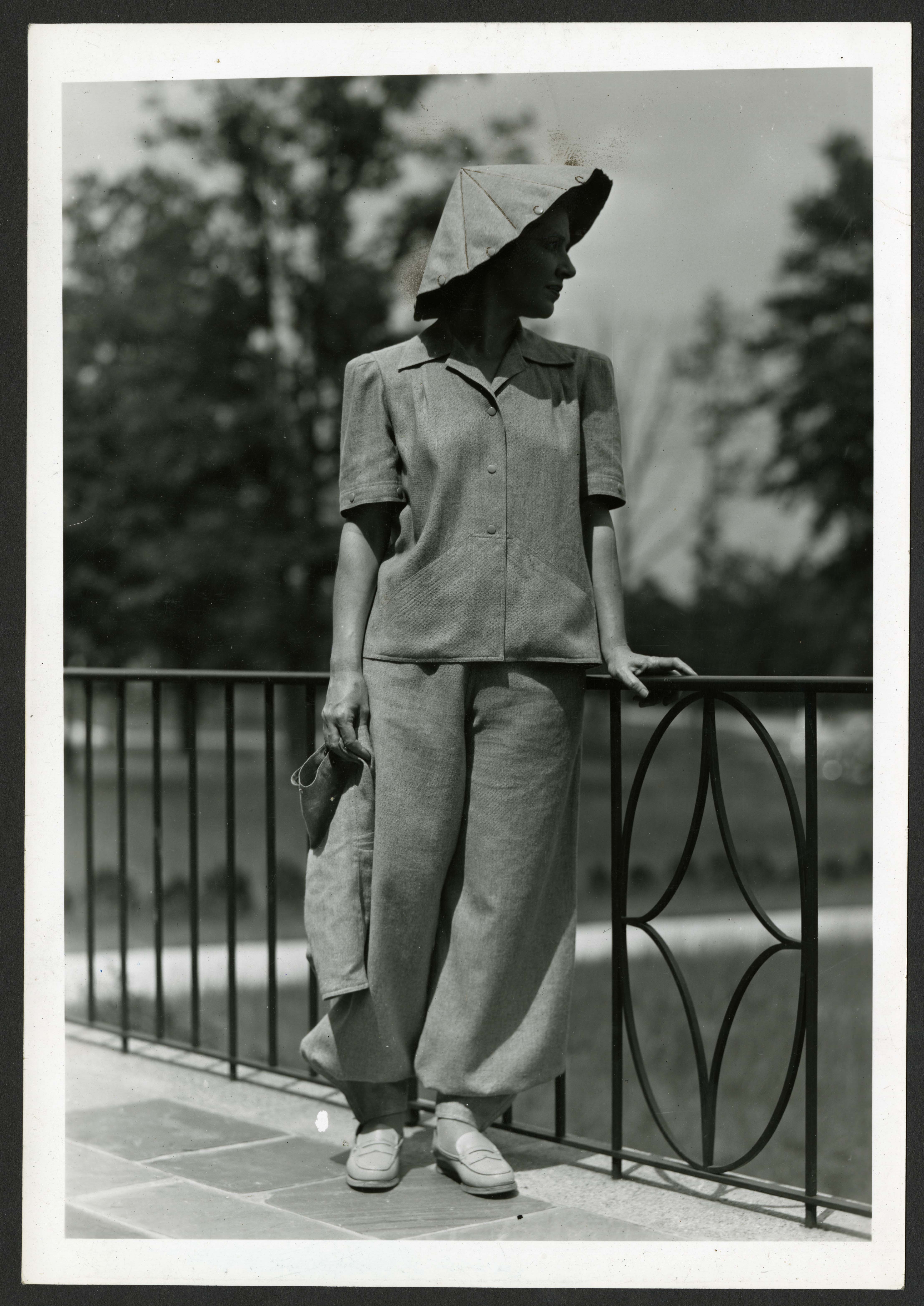
Science Service, Up Close: Making Do
- Date: June 4, 2015
- Creator: Marcel Chotkowski LaFollette
- Description: Science Service: Up Close - Looking at the "defense fashions" for female workers during World War II.
- Blog Post
Science Service, Up Close: Stuff Matters
- Date: September 3, 2015
- Creator: Marcel Chotkowski LaFollette
- Description: Science Service photographs, while having good identifying information, can still be helped by the cybercommunity to fill in some of the mission information.

Science Service, Up Close: The Sleeplessness Study, Part 1 - Insomniacs
- Date: August 18, 2015
- Creator: Marcel Chotkowski LaFollette
- Description: In 1925, seven George Washington University students volunteered to stay awake for sixty hours, and drove, danced, sang, and swam in an effort to remain alert.

Science Service, Up Close: Considering the Universe
- Date: September 24, 2015
- Creator: Marcel Chotkowski LaFollette
- Description: At a September 27, 1931, symposium about the evolution of the universe, Watson Davis photographed astronomer Abbé Georges Henri Joseph Édouard Lemaître, physicist Sir Oliver Lodge, astrophysicist Edward Arthur Milne, and Anglican bishop and mathematician Ernest William Barnes.
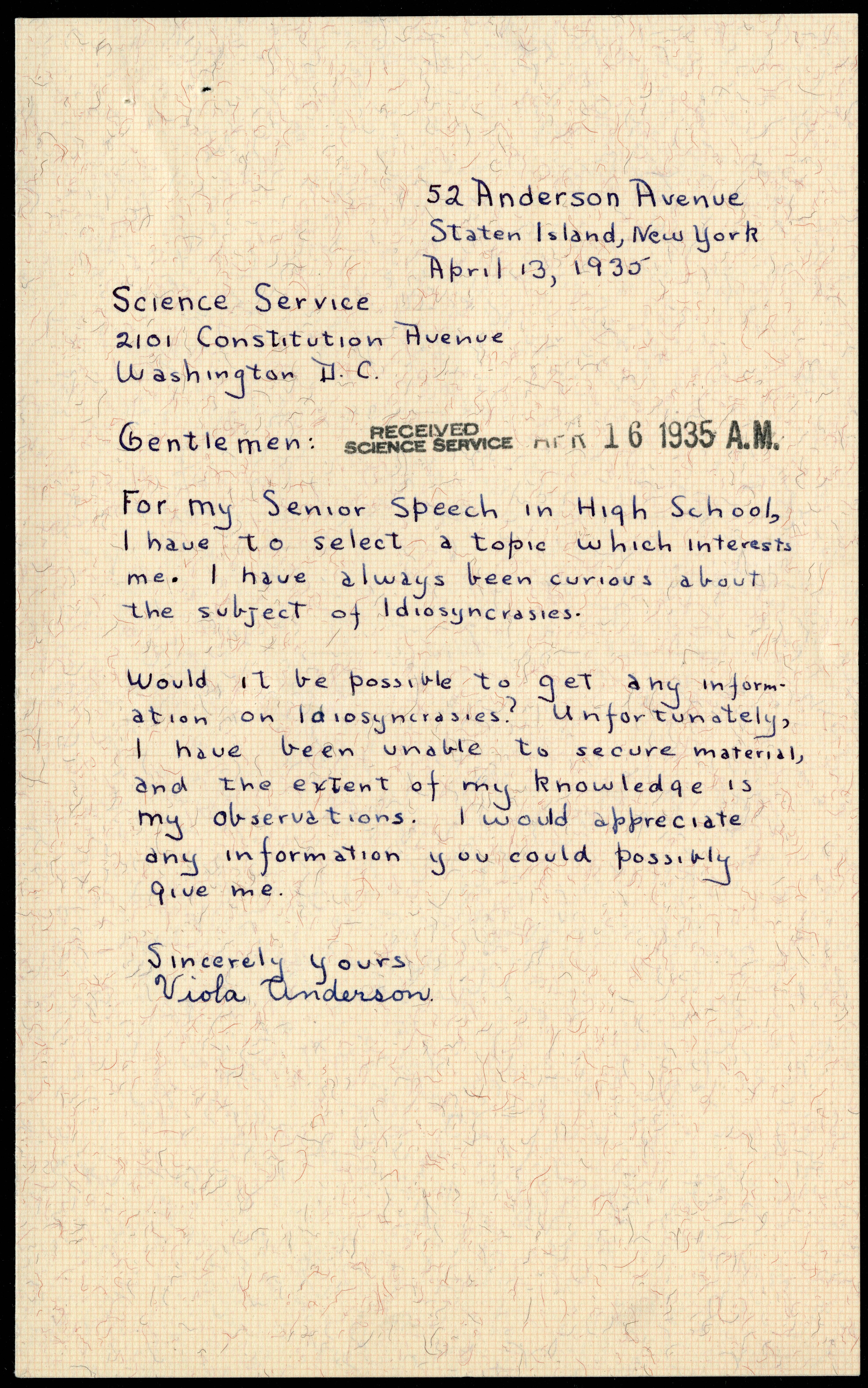
Science Service, Up Close: Idiosyncratic Discoveries
- Date: March 10, 2015
- Creator: Marcel Chotkowski LaFollette
- Description: A look at Viola Anderson and her letter to Science Service.
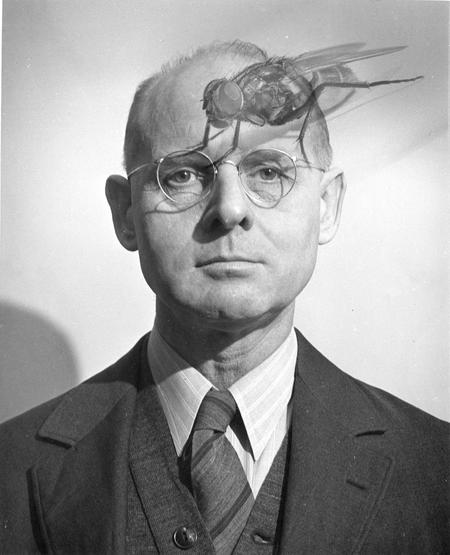
Science Service, Up Close: Laughing All the Way
- Date: April 1, 2015
- Creator: Marcel Chotkowski LaFollette
- Description: Humor and its manifestation at Science Service.
- Blog Post
Not “Just Another Doll”: Two Orchids for Miss Stafford
- Date: March 11, 2014
- Creator: Marcel Chotkowski LaFollette
- Description: The letters of Science Service medical editor Jane Stafford (1899-1991) offer a glimpse into the lives of women in the 1930s.
- Blog Post
Science Service, Up Close: Before DNA Made Them Famous - Crick, Wilkins, and Watson
- Date: February 27, 2018
- Creator: Marcel Chotkowski LaFollette
- Description: [edan-image:id=siris_arc_391843,size=300,center]By the 1960s, Science Service had been acquiring photographs of scientists, obscure as well as famous, for over four decades. Portraits of Edison or Einstein were always in demand, but experience had also shown that bright, accomplished young people might someday be awarded a major prize or make a discovery deemed
- Blog Post
Science Service, Up Close: The “Porcupine” Letters
- Date: October 17, 2019
- Creator: Marcel Chotkowski LaFollette
- Description: A 1936 exchange of letters about the prickly porcupine preserves both a contemporary scientific debate and the wit and wisdom of a young Utah girl with a beloved pet.