
Results for "Smithsonian (Television program)"
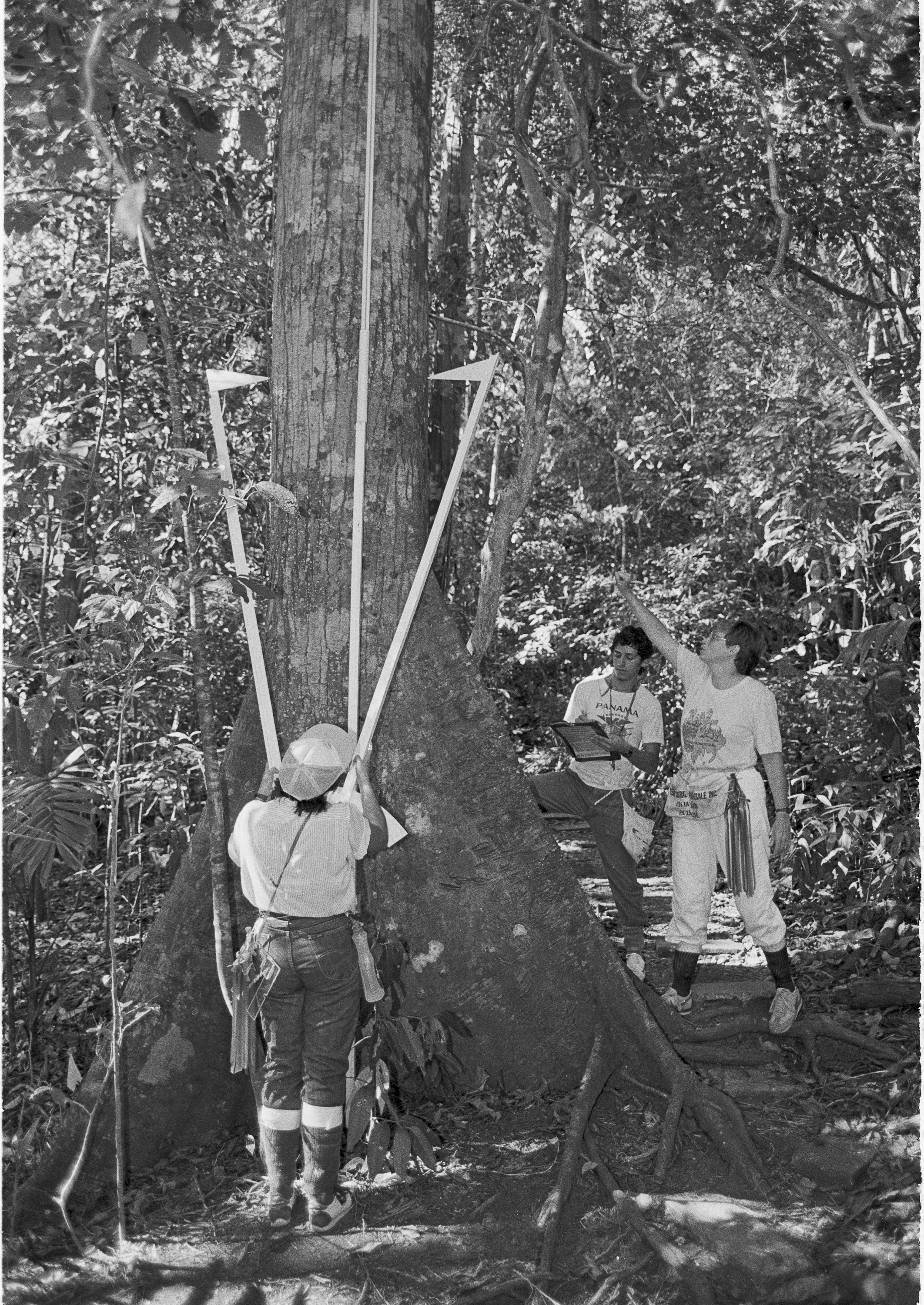
Love a Tree (Every)Day
- Date: May 16, 2019
- Creator: Jennifer Wright
- Description: On Love a Tree Day, the Archives discusses the Smithsonian's dedication to trees throughout the world.
- Blog Post
Hot Topics in Archival Research
- Date: December 27, 2016
- Creator: Tammy L. Peters
- Description: The Smithsonian Institution Archives Reference Team handles an average of around 6,000 queries per year, and if you us what people have been researching at the Archives recently, you'll get some pretty interesting responses. Although not comprehensive, here's a snapshot of the diverse range of information encompassed by the history of the world's largest museum complex!

Open Minds Open Doors
- Date: March 15, 2012
- Creator: Tad Bennicoff
- Description: The life and achievements of May (Mary) Gorslin Preston Slosson, one of the first women to receive a PhD.

Science Conversations in the Shenandoah
- Date: September 6, 2018
- Creator: Mitch Toda
- Description: In February 1975, twenty Smithsonian scientists gathered at the National Zoo's Conservation Research Center in Front Royal, Virginia to talk about their research and the future of science at the Smithsonian.
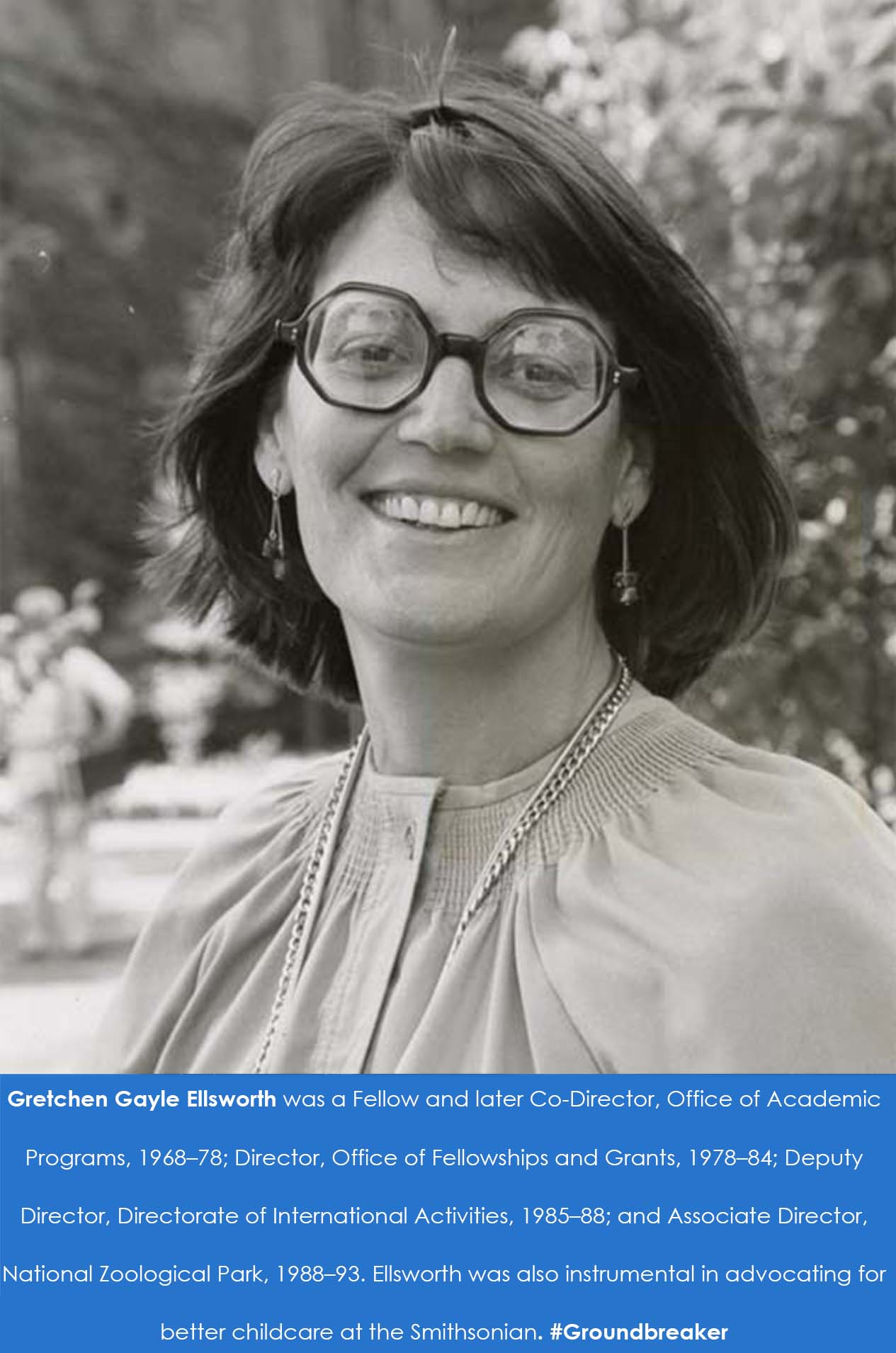
Wonderful Women Wednesday: Gretchen Gayle Ellsworth
- Date: August 28, 2019
- Creator: Emily Niekrasz
- Description: Gretchen Gayle Ellsworth was a Fellow and later Co-Director, Office of Academic Programs, 1968–78; Director, Office of Fellowships and Grants, 1978–84; Deputy Director, Directorate of International Activities, 1985–88; and Associate Director, National Zoological Park, 1988–93. Ellsworth was also instrumental in planning for better childcare at the Smithsonian. #Groundbreaker
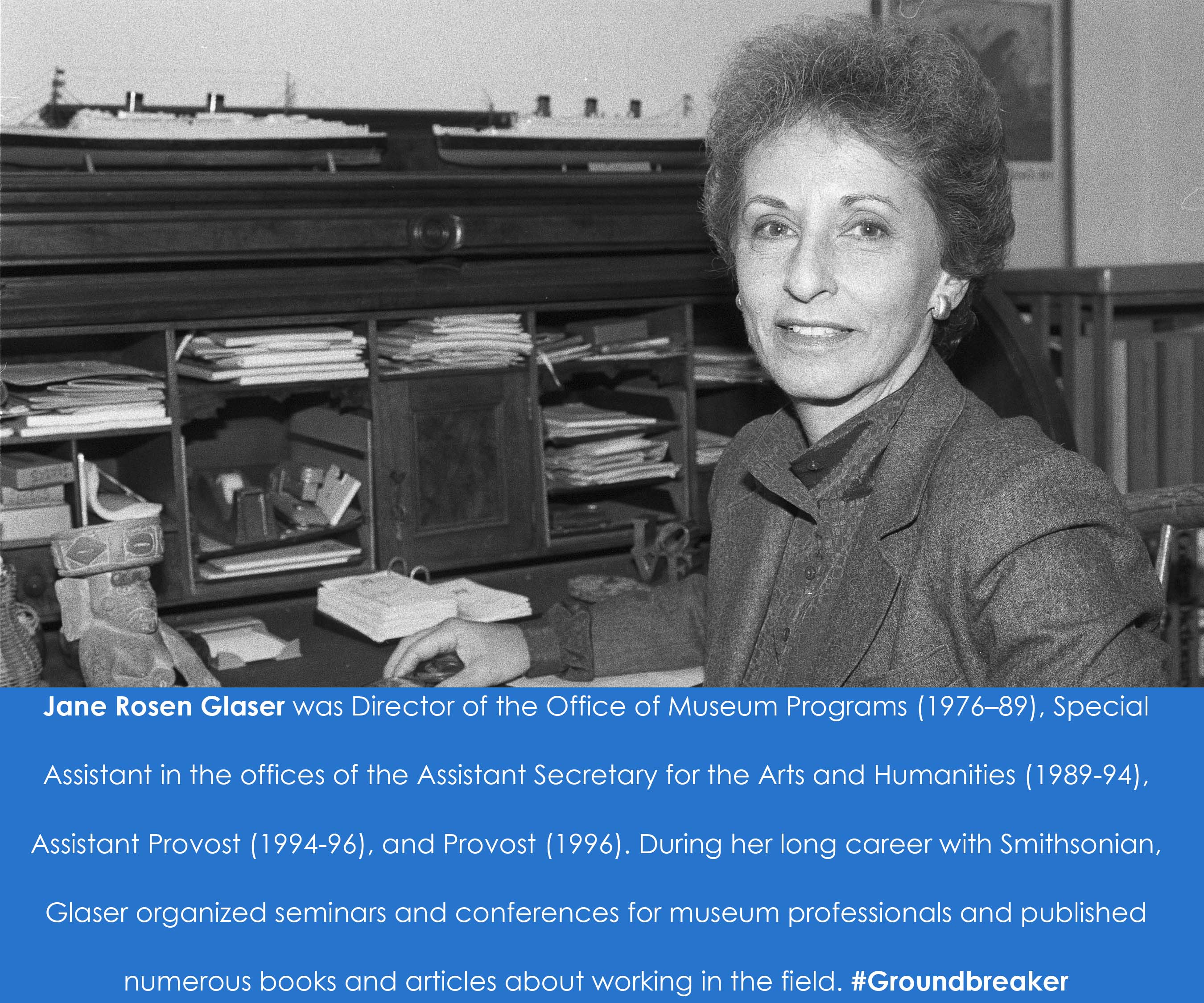
Wonderful Women Wednesday: Jane Rosen Glaser
- Date: April 17, 2019
- Creator: Emily Niekrasz
- Description: Jane Rosen Glaser was Director of the Office of Museum Programs (1976–89), Special Assistant in the offices of the Assistant Secretary for the Arts and Humanities (1989-94), Assistant Provost (1994-96), and Provost (1996). During her long career with Smithsonian, Glaser organized seminars and conferences for museum professionals and published numerous books and articles about
Wonderful Women Wednesday: Linda Ezell
- Date: April 5, 2017
- Creator: Effie Kapsalis
- Description: Linda Ezell, author and former Assistant Director for Collections (1987-1996), National Air & Space Museum, wrote several books with her husband, Edward Ezell, on the history of space programs.

National Museum of the American Indian in Washington Marks 10th Anniversary
- Date: September 18, 2014
- Creator: Lynda Schmitz Fuhrig
- Description: NMAI opened 10 years ago with a large gathering of native peoples in Washington, D.C.
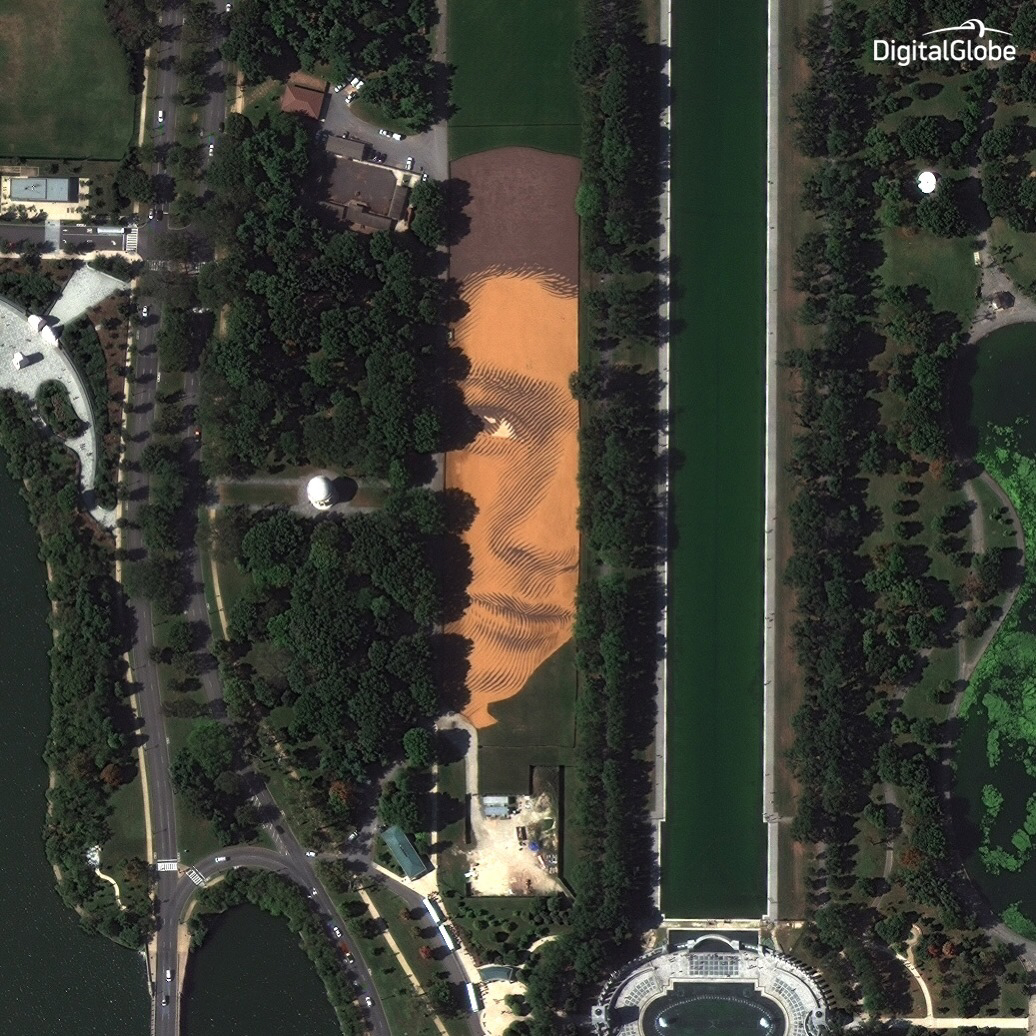
Link Love: 10/24/2014
- Date: October 24, 2014
- Creator: Mitch Toda
- Description: Link Love: a weekly blog feature with links to interesting videos and stories regarding archival issues, the Smithsonian, and history.
- Blog Post
"If you feed them, they will come."
- Date: May 23, 2013
- Creator: Ellen Alers
- Description: Operation Moonwatch created an international network of dedicated and enthusiastic volunteer sky-watchers of both genders and from every walk-of-life. These citizen-scientists joined professional astronomers to track and report on satellites travelling through the night sky. Food and location played a role in keeping volunteers engaged with Operation Moonwatch.
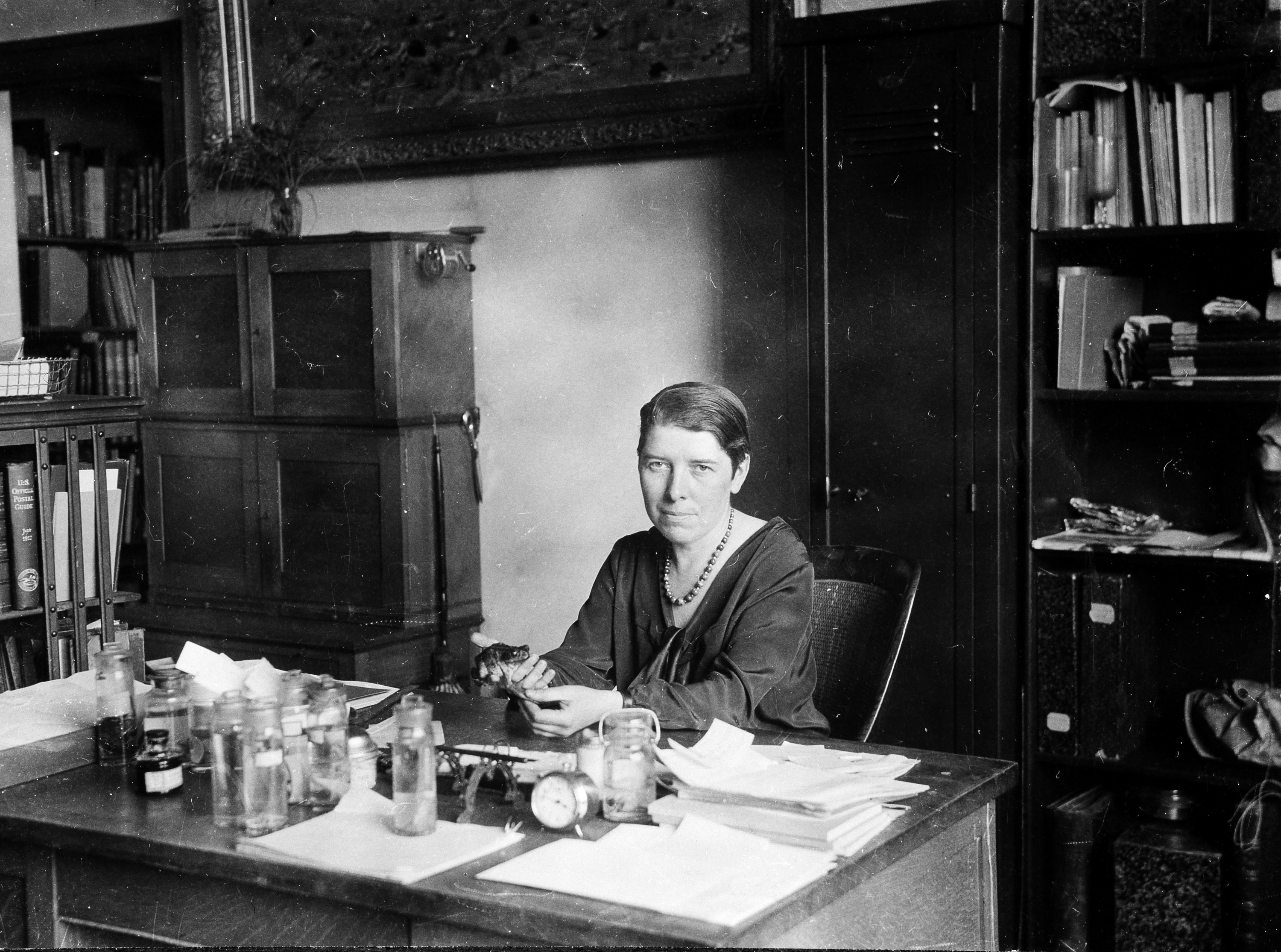
American Women of Science Symposium Sessions Available Online
- Date: December 1, 2020
- Creator: Dr. Elizabeth Harmon
- Description: You can watch the 2020 Smithsonian American Women’s History Initiative symposium on the past and future of women in science any time.

“Ding” Darling’s Ducks and What’s Good for the Earth
- Date: May 7, 2020
- Description: Throughout his twenty-five years as a Science Service journalist, Frank Thone maintained an active correspondence with fellow scientists and conservationists. His letters in the Smithsonian Institution Archives both preserve his wit and offer a glimpse at the informal networking that helped shape how Americans perceived the natural world. One of Thone’s correspondents was a