
Results for "Scientists"
- Blog Post
Scientists Arrive in Dayton...and Find a Mansion
- Date: July 11, 2011
- Creator: Marcel Chotkowski LaFollette
- Description: Access the official records of the Smithsonian Institution and learn about its history, key events, people, and research.
- Blog Post
Fame ... By Any Other Name
- Date: March 20, 2012
- Creator: Marcel Chotkowski LaFollette
- Description: How social media has changed the ways that scientists, particularly women, can achieve fame in their respective fields.
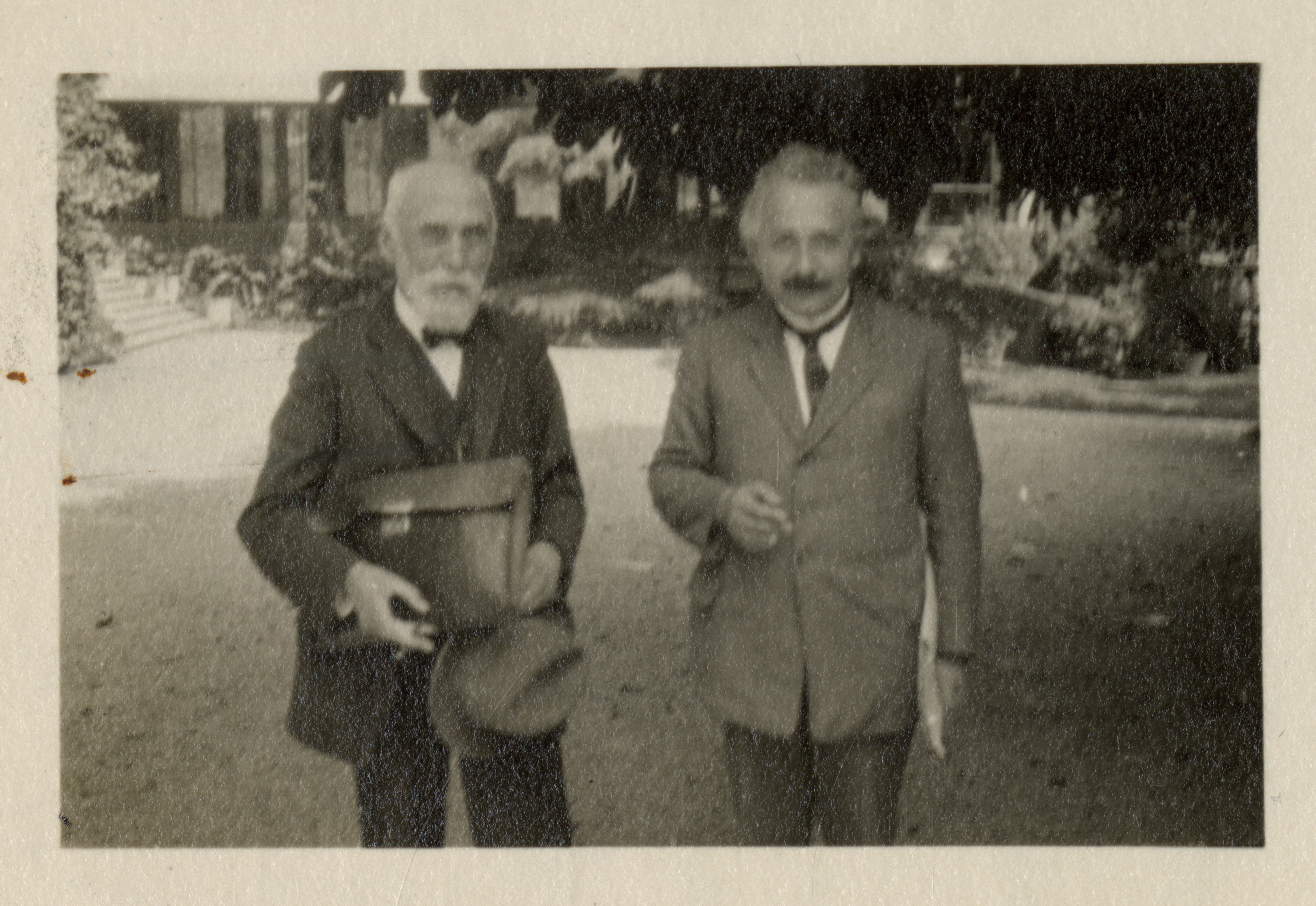
Science Service, Up Close: Informal Moments
- Date: May 8, 2018
- Creator: Marcel Chotkowski LaFollette
- Description: Formal portrait photographs of scientists tend to preserve the stiffness of the moment, rather than capture the sitter’s personality. Perhaps that is the reason that candid photographs of celebrities like Albert Einstein stick in public memory.A 1931 photograph of three Nobel laureate physicists illustrates why we tend to remember the informal photos of scientists more than
- Blog Post
Science Service, Up Close: White House Science Advisors, from Roosevelt to Nixon
- Date: May 11, 2017
- Creator: Marcel Chotkowski LaFollette
- Description: May 11 is the anniversary of establishment of the White House Office of Science and Technology Policy (OSTP). That 1976 legislation further ratified the influence of scientists on national policy, positioning them to provide ready advice to the President.
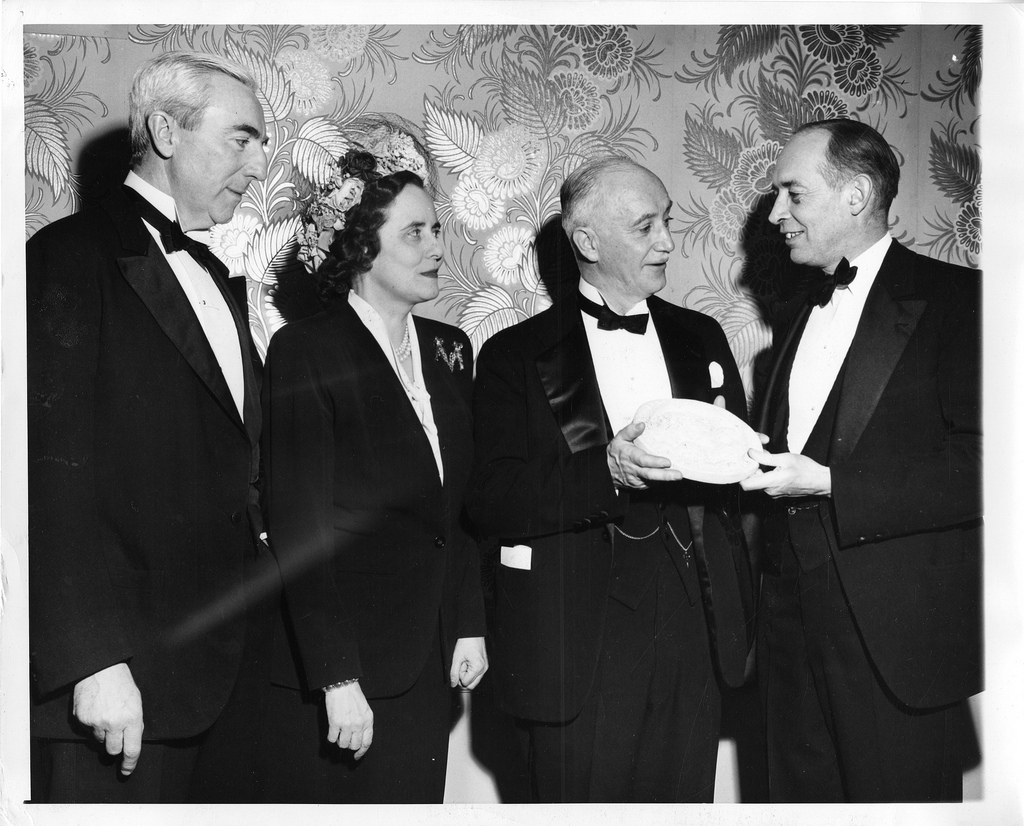
There Are Prizes . . . and There Are Winners
- Date: March 6, 2012
- Creator: Marcel Chotkowski LaFollette
- Description: Nobel prizes are not the only rewards for work improving public health and making the world a better place.
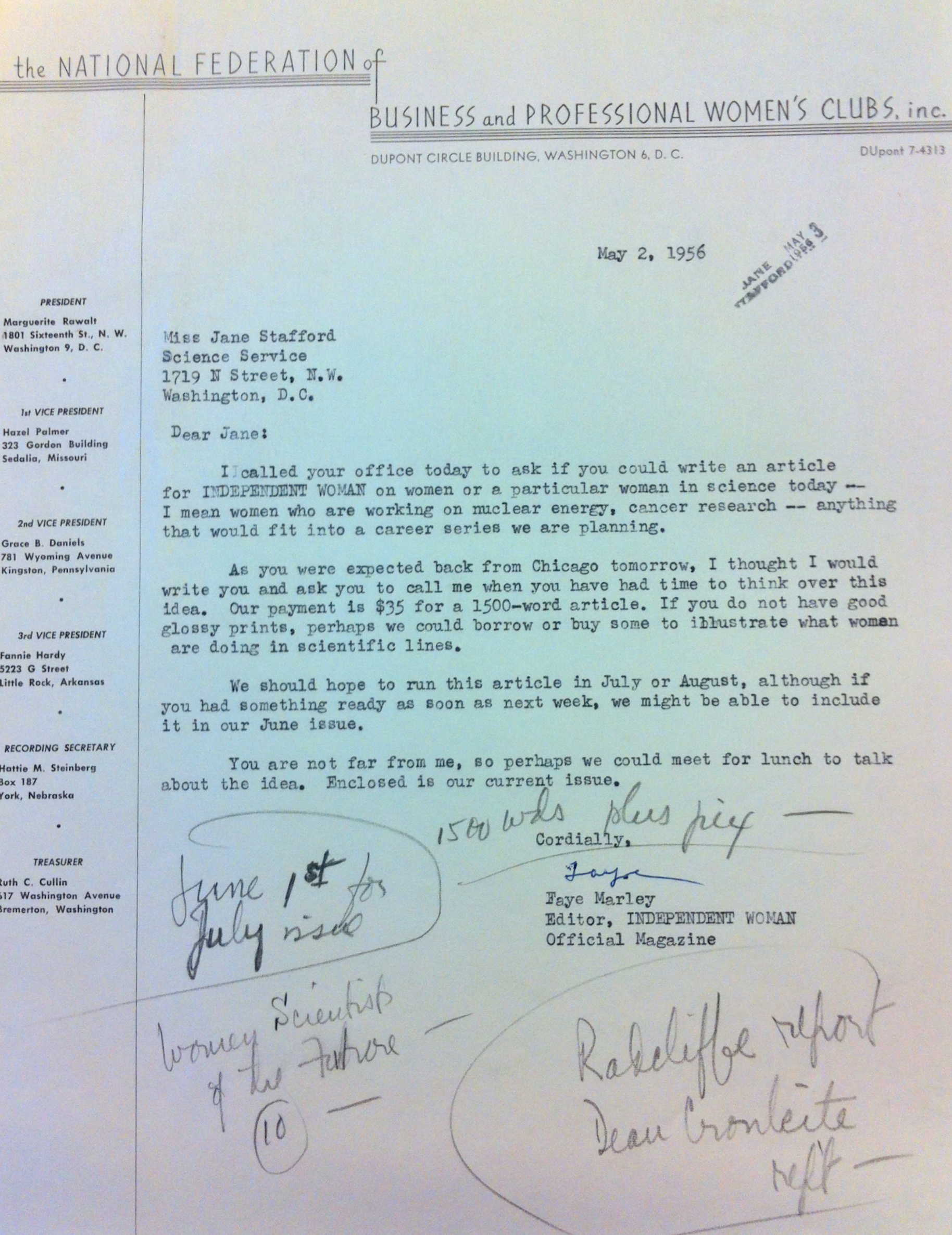
Playing Against Type: Women, Science, and Stereotypes
- Date: April 8, 2014
- Creator: Marcel Chotkowski LaFollette
- Description: Even enlightened publications and workplaces can succumb to the fallback position of choosing stereotyped images of female scientists.
- Blog Post
Science Service, Up Close: Before DNA Made Them Famous - Crick, Wilkins, and Watson
- Date: February 27, 2018
- Creator: Marcel Chotkowski LaFollette
- Description: [edan-image:id=siris_arc_391843,size=300,center]By the 1960s, Science Service had been acquiring photographs of scientists, obscure as well as famous, for over four decades. Portraits of Edison or Einstein were always in demand, but experience had also shown that bright, accomplished young people might someday be awarded a major prize or make a discovery deemed
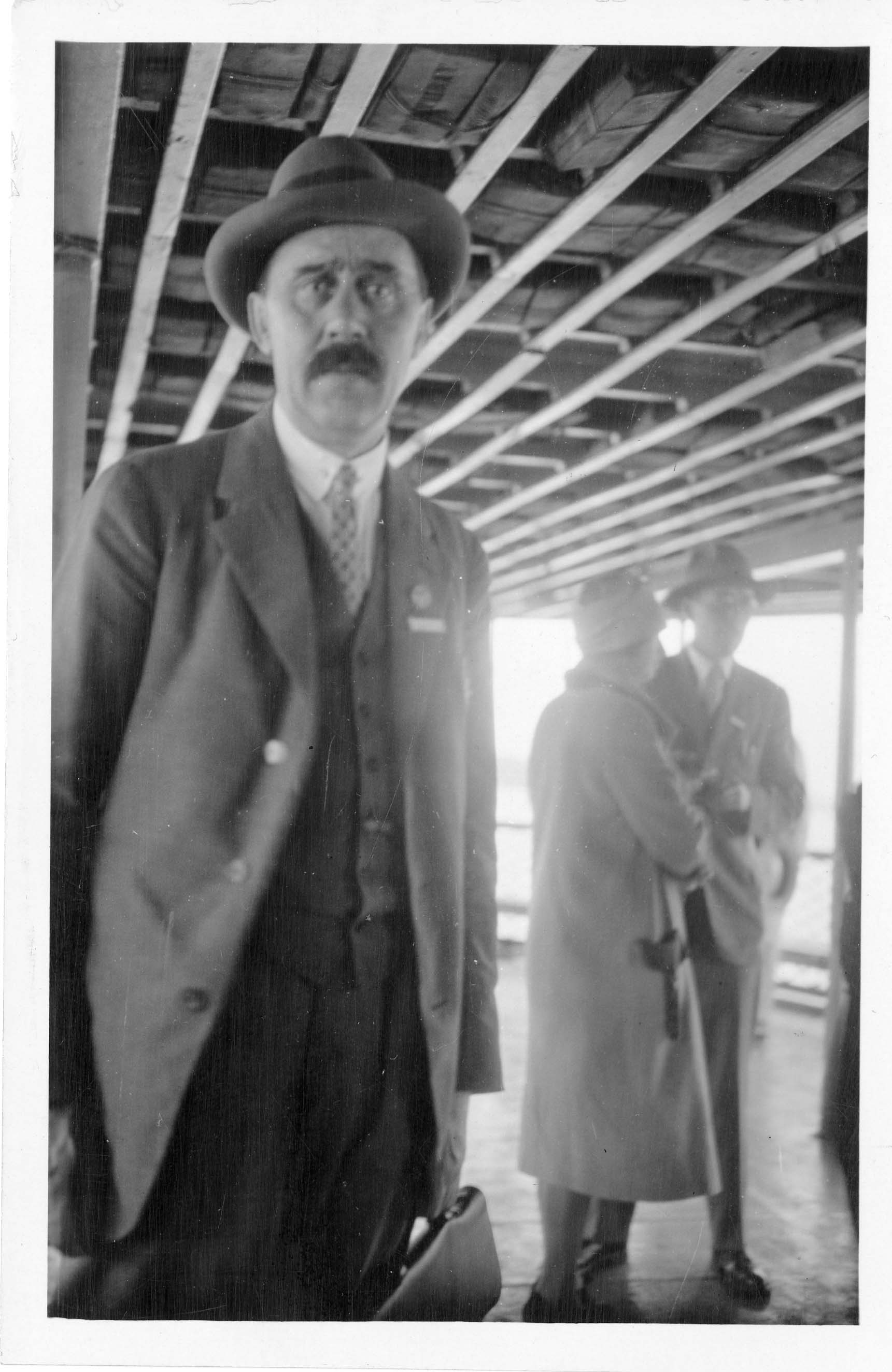
Science Service, Up Close: A Slow Boat Down the River
- Date: June 18, 2015
- Creator: Marcel Chotkowski LaFollette
- Description: Watson Davis photographed visiting scientists on a June 1927 Potomac River boat trip to Mount Vernon.

Science Service, Up Close: Patent Parades, Silk Purses, and Snake Bite Remedies
- Date: March 30, 2017
- Creator: Marcel Chotkowski LaFollette
- Description: Everyone loves a parade – especially one followed by a banquet. When scientists and politicians met in Washington, D.C., on November 23, 1936, to celebrate the centennial of the U.S. patent system, they listened first to a conventional program of speeches. Then, in the afternoon, Science Service director Watson Davis arranged something different: a “Research Parade” featuring
- Blog Post
Television and the Smithsonian: Worldly Success
- Date: December 18, 2012
- Creator: Marcel Chotkowski LaFollette
- Description: For six seasons, beginning in 1984, the television series Smithsonian World opened new windows on the research and scientists at the Smithsonian Institution.
- Blog Post
Science Service, Up Close: Charles Bittinger and the Worlds of Science and Art
- Date: December 6, 2016
- Creator: Marcel Chotkowski LaFollette
- Description: The work of painter Charles Bittinger, bridging the worlds of science and art.

Science Service, Up Close: Considering the Universe
- Date: September 24, 2015
- Creator: Marcel Chotkowski LaFollette
- Description: At a September 27, 1931, symposium about the evolution of the universe, Watson Davis photographed astronomer Abbé Georges Henri Joseph Édouard Lemaître, physicist Sir Oliver Lodge, astrophysicist Edward Arthur Milne, and Anglican bishop and mathematician Ernest William Barnes.