
Results for "National Museum of Natural History (U.S.). Field Book Project"

Election Collection: Theodore Roosevelt
- Date: October 4, 2016
- Creator: Marcel Chotkowski LaFollette
- Description: In celebration of our friends at the National Archives’ #ElectionCollection campaign, we are sharing some unique photos of U.S. Presidents in our collection.
- Blog Post
Science Service, Up Close: Telephone Books, Wax Turkeys, and Talking Chickens
- Date: March 8, 2016
- Creator: Marcel Chotkowski LaFollette
- Description: In the U.S. Department of Agriculture (USDA) Office of Exhibits, Margaret Jane Russell Roller (1888-1973) had begun to specialize in fabricating lifelike wax models of food and animals.
- Blog Post
Science Service, Up Close: Up in the Air for a Solar Eclipse
- Date: January 24, 2017
- Creator: Marcel Chotkowski LaFollette
- Description: On January 24, 1925, for the first time in over a century, a total solar eclipse would be visible across the northern part of the United States. How scientists used a dirigible to observe the phenomenon.
- Blog Post
Television and the Smithsonian: Worldly Success
- Date: December 18, 2012
- Creator: Marcel Chotkowski LaFollette
- Description: For six seasons, beginning in 1984, the television series Smithsonian World opened new windows on the research and scientists at the Smithsonian Institution.

Science Service, Up Close: Patent Parades, Silk Purses, and Snake Bite Remedies
- Date: March 30, 2017
- Creator: Marcel Chotkowski LaFollette
- Description: Everyone loves a parade – especially one followed by a banquet. When scientists and politicians met in Washington, D.C., on November 23, 1936, to celebrate the centennial of the U.S. patent system, they listened first to a conventional program of speeches. Then, in the afternoon, Science Service director Watson Davis arranged something different: a “Research Parade” featuring
- Blog Post
Science Service, Up Close: Charles Bittinger and the Worlds of Science and Art
- Date: December 6, 2016
- Creator: Marcel Chotkowski LaFollette
- Description: The work of painter Charles Bittinger, bridging the worlds of science and art.

Science Service, Up Close: Journalists, Cancer Research, and Public Education
- Date: March 6, 2018
- Creator: Marcel Chotkowski LaFollette
- Description: Cancer, James T. Patterson observed in The Dread Disease, serves as a powerful metaphor in American culture, where the malady mirrors the “manifestation of social, economic, and ideological divisions” in modern life. In the decades since publication of Patterson’s book, medical research has made great strides in methods of detection and treatment. But the challenge for science
- Blog Post
Fame ... By Any Other Name
- Date: March 20, 2012
- Creator: Marcel Chotkowski LaFollette
- Description: How social media has changed the ways that scientists, particularly women, can achieve fame in their respective fields.
- Blog Post
Science Service, Up Close: White House Science Advisors, from Roosevelt to Nixon
- Date: May 11, 2017
- Creator: Marcel Chotkowski LaFollette
- Description: May 11 is the anniversary of establishment of the White House Office of Science and Technology Policy (OSTP). That 1976 legislation further ratified the influence of scientists on national policy, positioning them to provide ready advice to the President.
- Blog Post
Science Service, Up Close: Summer Road Trips for Science, 1935
- Date: July 24, 2018
- Creator: Marcel Chotkowski LaFollette
- Description: In 1935, Beloit College in Wisconsin began allowing female students to join the annual summer archeological expeditions.

Science Service, Up Close: The Sleeplessness Study, Part 2 - Adventurers
- Date: August 20, 2015
- Creator: Marcel Chotkowski LaFollette
- Description: In 1925, seven George Washington University students volunteered to stay awake for sixty hours, and drove, danced, sang, and swam in an effort to remain alert.
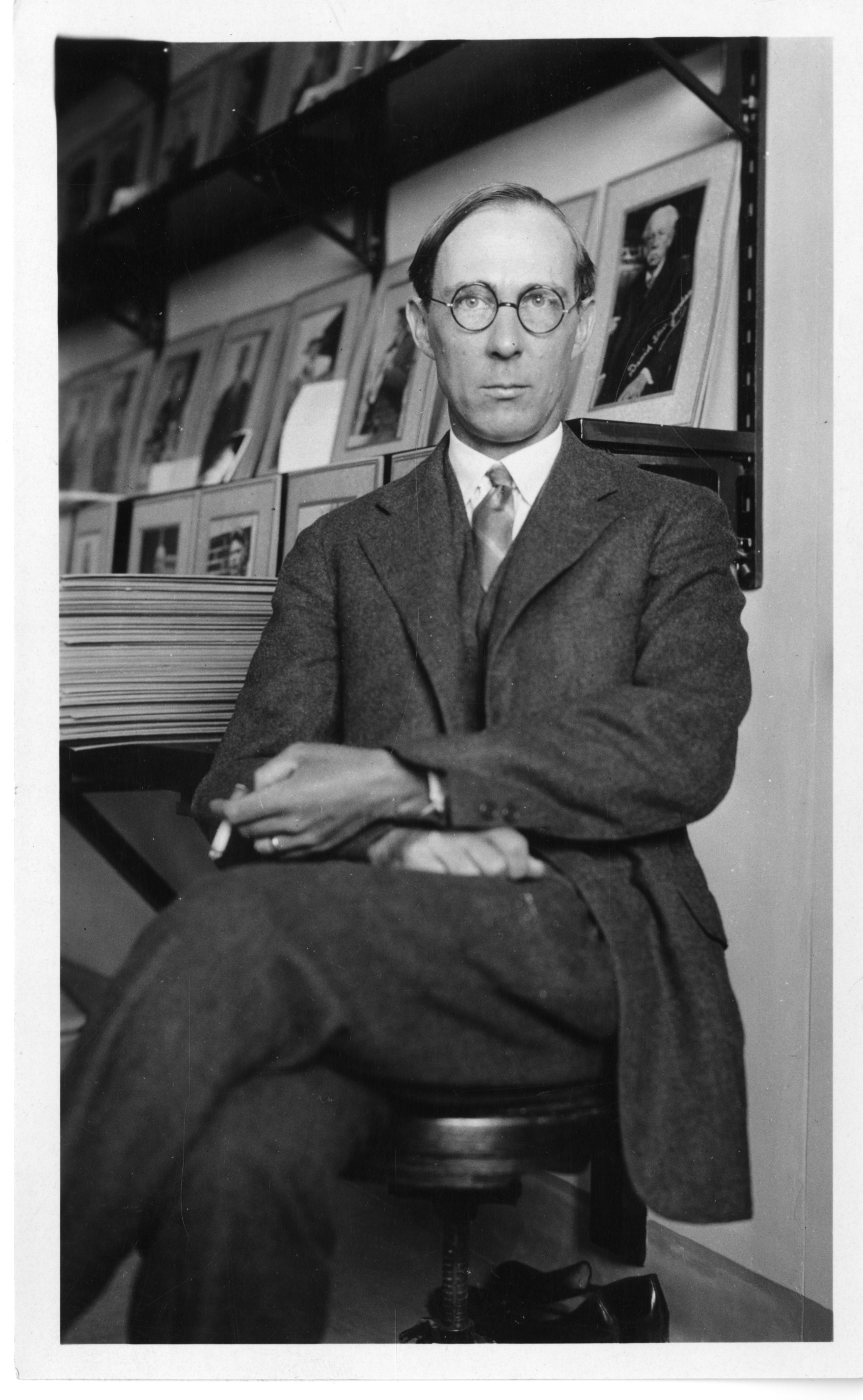
The Scientific Portraits of Julian Papin Scott, Part 1 of 2: The Photographer Behind the Lens
- Date: September 3, 2019
- Creator: Marcel Chotkowski LaFollette
- Description: In a world drowning in images, where we swipe past photos of friends, relatives, and selves in mere seconds, a set of remarkable portraits taken in the 1910s and 1920s by Julian Papin Scott (1877-1961) deserve more considered attention. Sometimes, his subjects appear immersed in work, surrounded by microscopes, beakers, or stacks of books, as if unaware of the photographer.