
Results for "Museum archives"
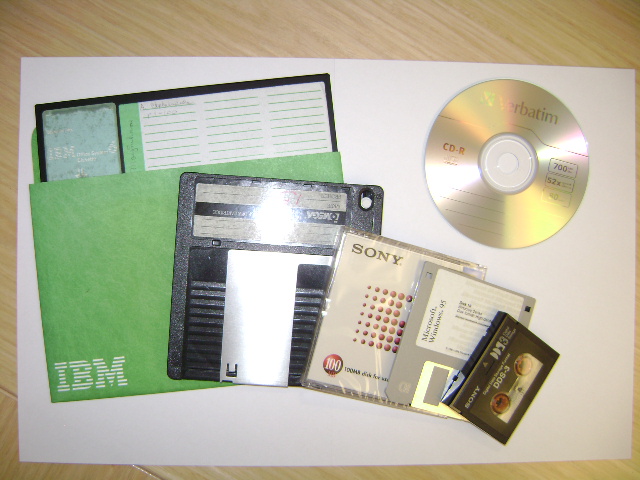
One Lens for Multiple Archives: A Pan-Institutional Survey of Born Digital Holdings
- Date: May 28, 2015
- Creator: Ricc Ferrante
- Description: Summary of pan-Smithsonian survey of born digital collections holdings at archives and museums at the Smithsonian.
Where Are Archives Going? Impressions from SAA 2012
- Date: August 30, 2012
- Creator: Ricc Ferrante
- Description: Impressions from the Society of American Archivists 2012 Annual Meeting on how archives are transforming themselves in the 21st century.

Who's Answering Your Questions
- Date: October 16, 2012
- Creator: Ricc Ferrante
- Description: Meet the people who will be answering your questions about your personal archives from 10-5, today, October 17th, 2012.

On Expedition with Waldo Schmitt
- Date: July 31, 2018
- Creator: Ricc Ferrante
- Description: They say a picture is worth a thousand words. If that’s true, some of Dr. Waldo LaSalle Schmitts field books are worth tens of thousands of words.

Growing a National Museum – the Curators’ Annual Reports
- Date: May 19, 2016
- Creator: Ricc Ferrante
- Description: The United States National Museum Curators’ Annual Reports will be added to the Smithsonian Transcription Center, beginning the first week of June.
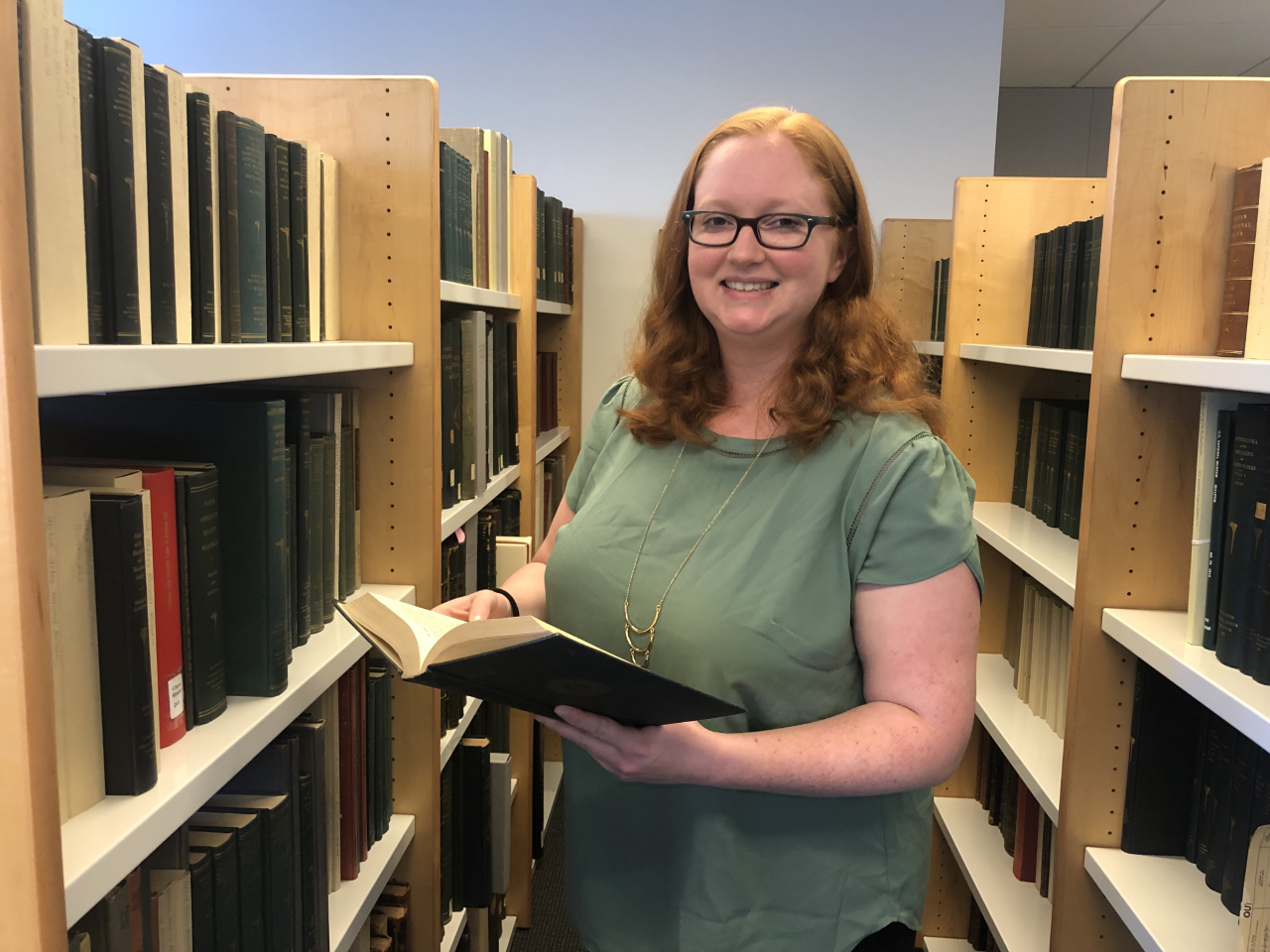
Staff Matters: Meet Our New Additions
- Date: August 15, 2019
- Creator: Ricc Ferrante
- Description: Meet the newest members of the Archives team in our continuing series on introducing new staff.
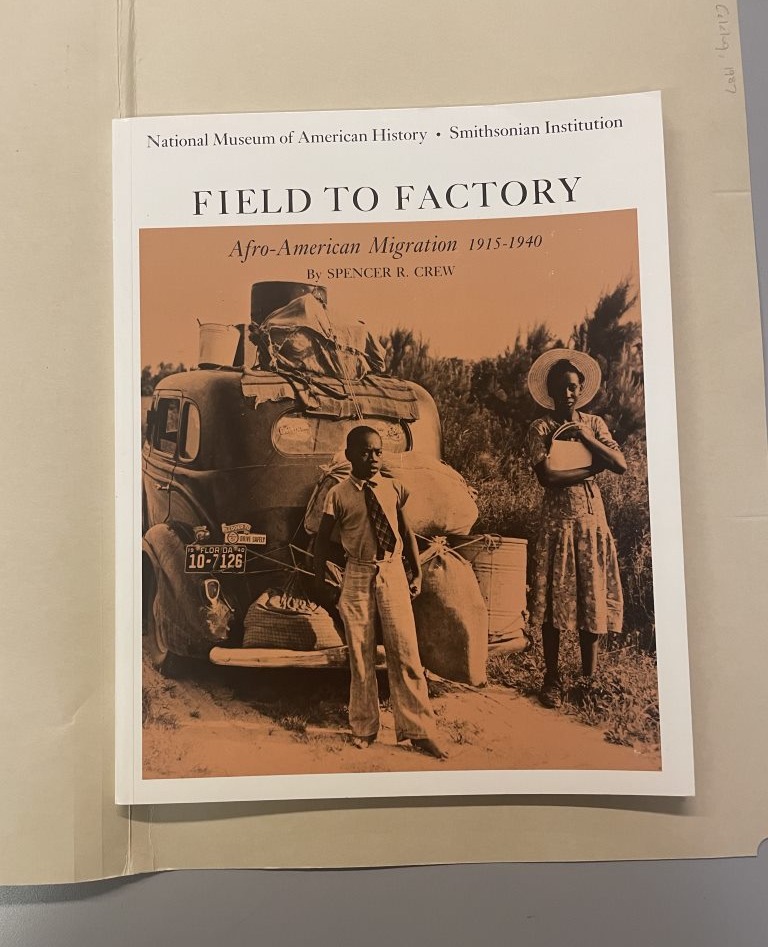
The Women Behind the "Field to Factory" Exhibition
- Date: October 6, 2022
- Creator: Ricc Ferrante
- Description: Current headlines about war and the impact of forced migration on women are stark reminders of historic migrations and how women adapted and took on new roles.In 1987, Field to Factory: Afro-American Migration 1915-1940 premiered at the National Museum of American History.
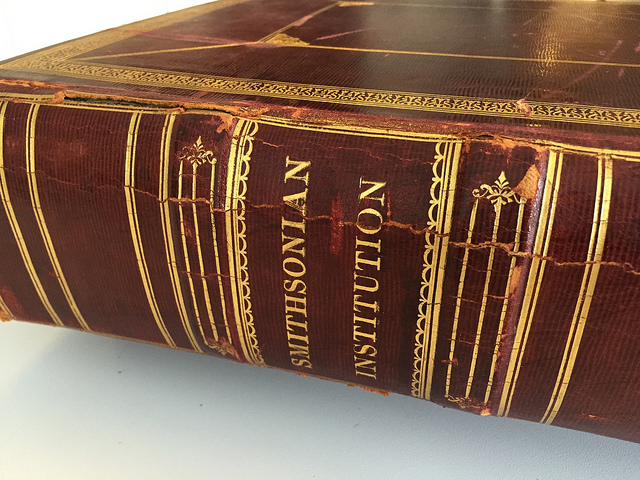
Transparency in the Archives: From Our Earliest Days
- Date: August 16, 2018
- Creator: Ricc Ferrante
- Description: From the point in 1838 when the United States Congress accepted James Smithson’s bequest, it was recognized as a cultural resource, a public trust held by the federal government. Smithson had stipulated that the funds be used for an “establishment for the increase and diffusion of knowledge.” Being a cultural resource set aside for public use, the government bore the
- Blog Post
Robert Ridgway – From Protégé to a Leading Ornithologist
- Date: February 27, 2020
- Creator: Ricc Ferrante
- Description: As a teenager, Robert Ridgway was tapped by the Smithsonian’s Assistant Secretary to be an expedition zoologist. In 1881, when the US National Museum opened its doors, he was the curator of Birds. Download and reuse some of bird illustrations today through Smithsonian Open Access.
- Blog Post
A Quirk, a Chase and the Power of a Crowd
- Date: March 13, 2014
- Creator: Ricc Ferrante
- Description: People everywhere are helping the Smithsonian Institution Archives make more of its collections deeply accessible through helping transcribe field books, journals, and diaries in our collections.

Contagious Contributions: The Rewards of Asking for Help
- Date: February 26, 2015
- Creator: Ricc Ferrante
- Description: Update on the continuing and growing contributions of volunteers at the Smithsonian Transcription Center.
- Blog Post
Discoveries Don’t Happen in an Armchair
- Date: November 27, 2018
- Creator: Ricc Ferrante
- Description: The 19th century was a transformative time for the natural sciences. New discoveries didn't just happen in an armchair. Scientists adventured into unfamiliar territory by land and sea on expeditions, and their new findings fed new theories. Groups like the Columbian Institute for the Promotion of Arts and Sciences and the National Academy of Sciences formalized America's place