
Results for "More Than 'Whistler's Mother' (Television program)"
- Blog Post
Television and the Smithsonian: Worldly Success
- Date: December 18, 2012
- Creator: Marcel Chotkowski LaFollette
- Description: For six seasons, beginning in 1984, the television series Smithsonian World opened new windows on the research and scientists at the Smithsonian Institution.
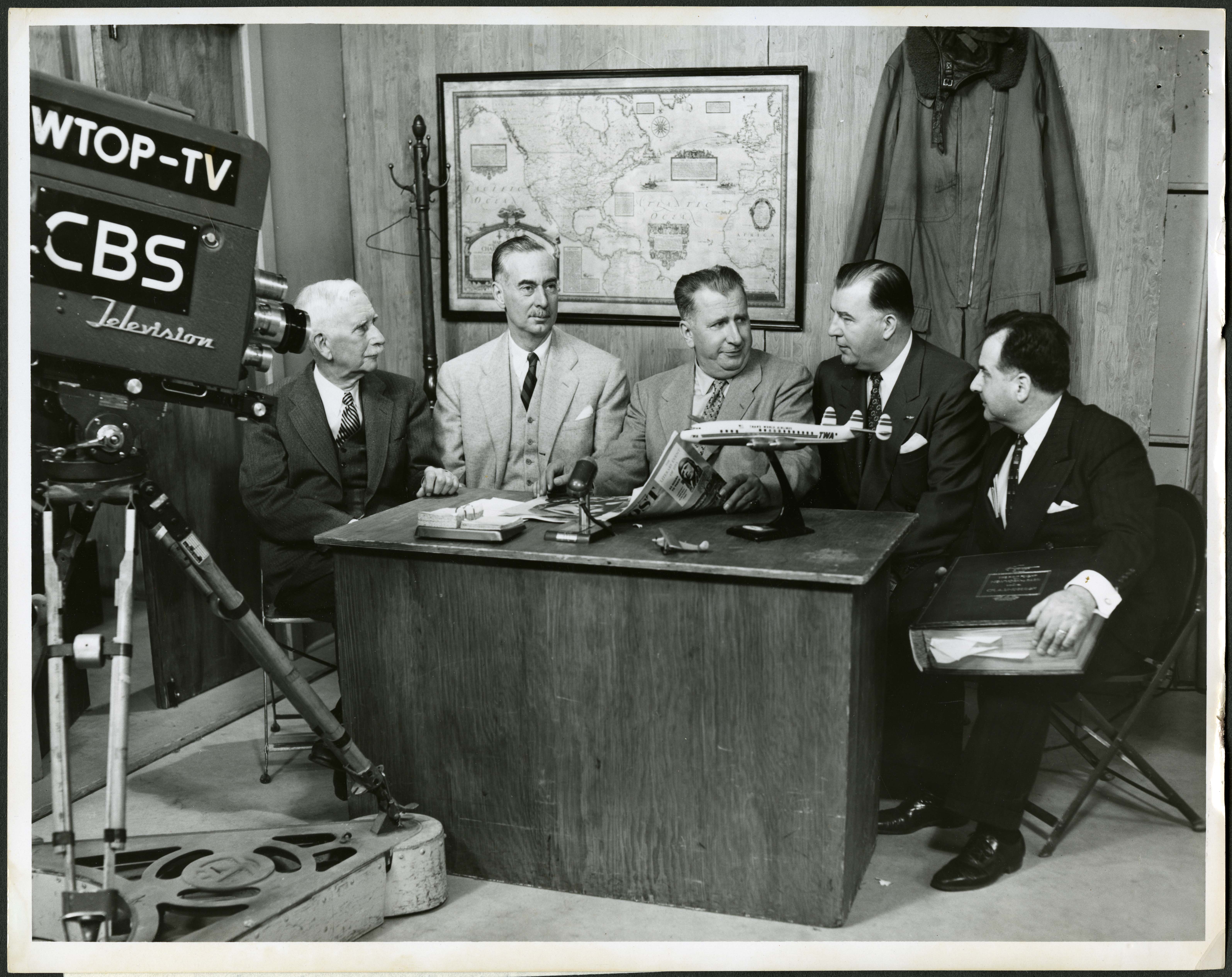
Television and the Smithsonian: The Allure of Objects
- Date: October 15, 2012
- Creator: Marcel Chotkowski LaFollette
- Description: Television often uses museum artifacts to impart reality within illusion, but the real objects retain their power and relevancy.
- Blog Post
Publicity, Politics, and Physics
- Date: March 10, 2010
- Creator: Marcel Chotkowski LaFollette
- Description: Long ago and far away, before gray hairs and creaky knees, before history became my passion, I was an undergraduate physics major. Physics seemed fascinating and beautiful, if difficult. Later, after career paths led into history and science policy, I learned that physics, however elegant, did not reside in a cultural vacuum. Its people and discoveries coexisted with
Science Service, Up Close: Informal Moments
- Date: May 8, 2018
- Creator: Marcel Chotkowski LaFollette
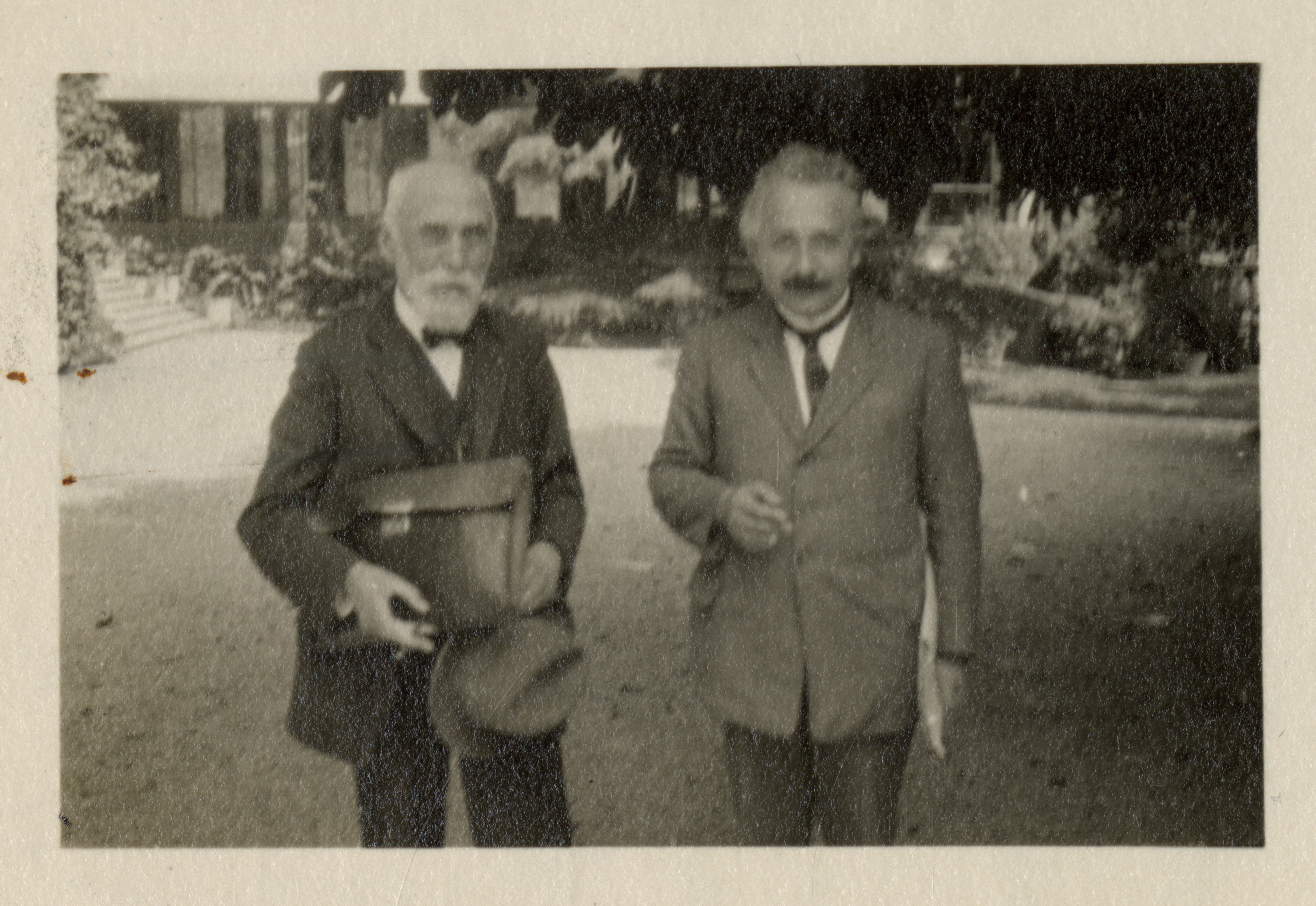
- Description: Formal portrait photographs of scientists tend to preserve the stiffness of the moment, rather than capture the sitter’s personality. Perhaps that is the reason that candid photographs of celebrities like Albert Einstein stick in public memory.A 1931 photograph of three Nobel laureate physicists illustrates why we tend to remember the informal photos of scientists more than
Science Service, Up Close: Covering Eclipses, Near and Far
- Date: August 15, 2017
- Creator: Marcel Chotkowski LaFollette
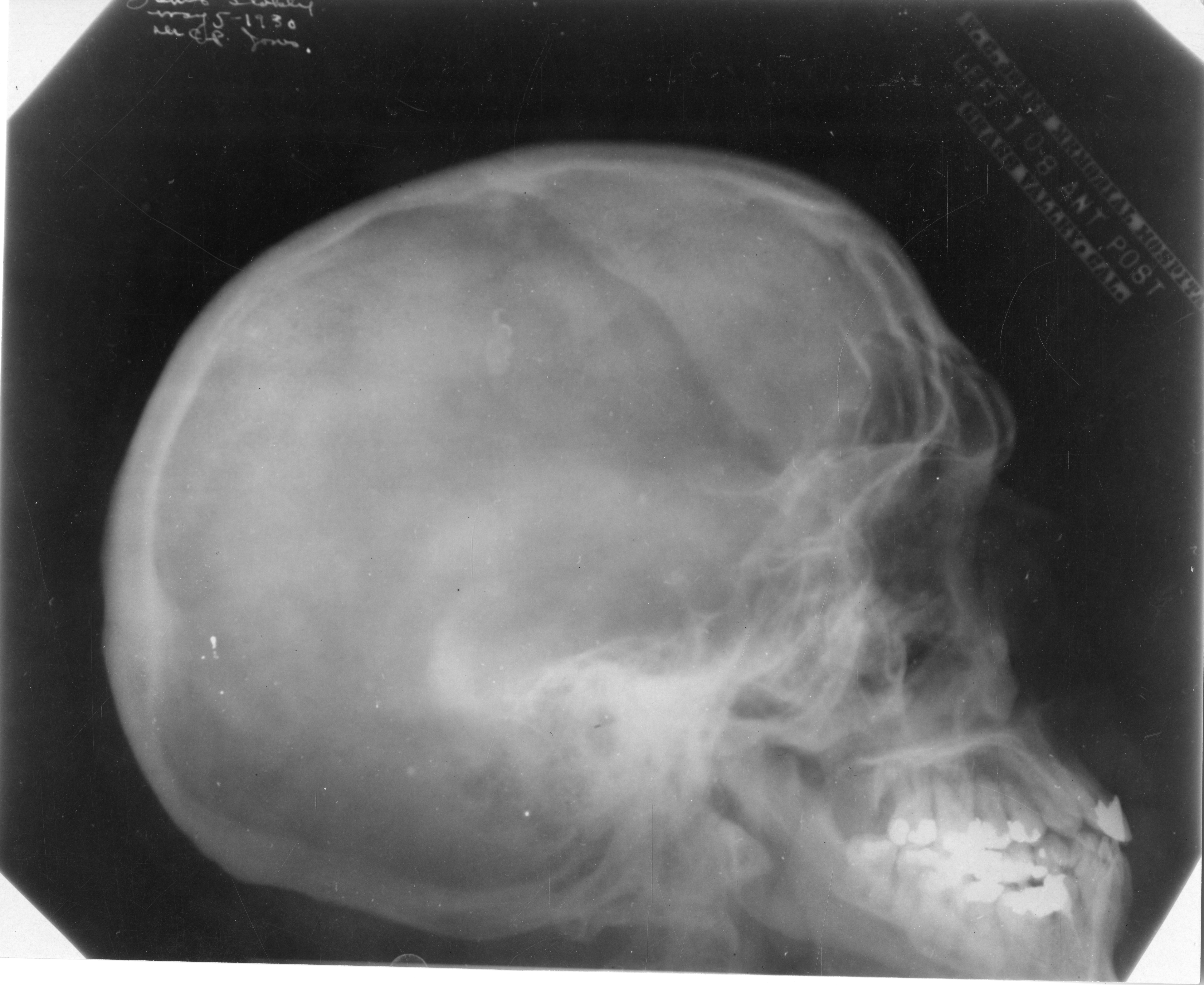
- Description: Spectacular natural events, like eclipses, have long been the bread-and-butter of science journalism. Science Service, too, succumbed to the lure of combining colorful, firsthand descriptions with technical explanations.
Science Service, Up Close: Two Haunting Portraits of Henry Gwyn Jeffreys Moseley
- Date: November 7, 2019
- Creator: Marcel Chotkowski LaFollette
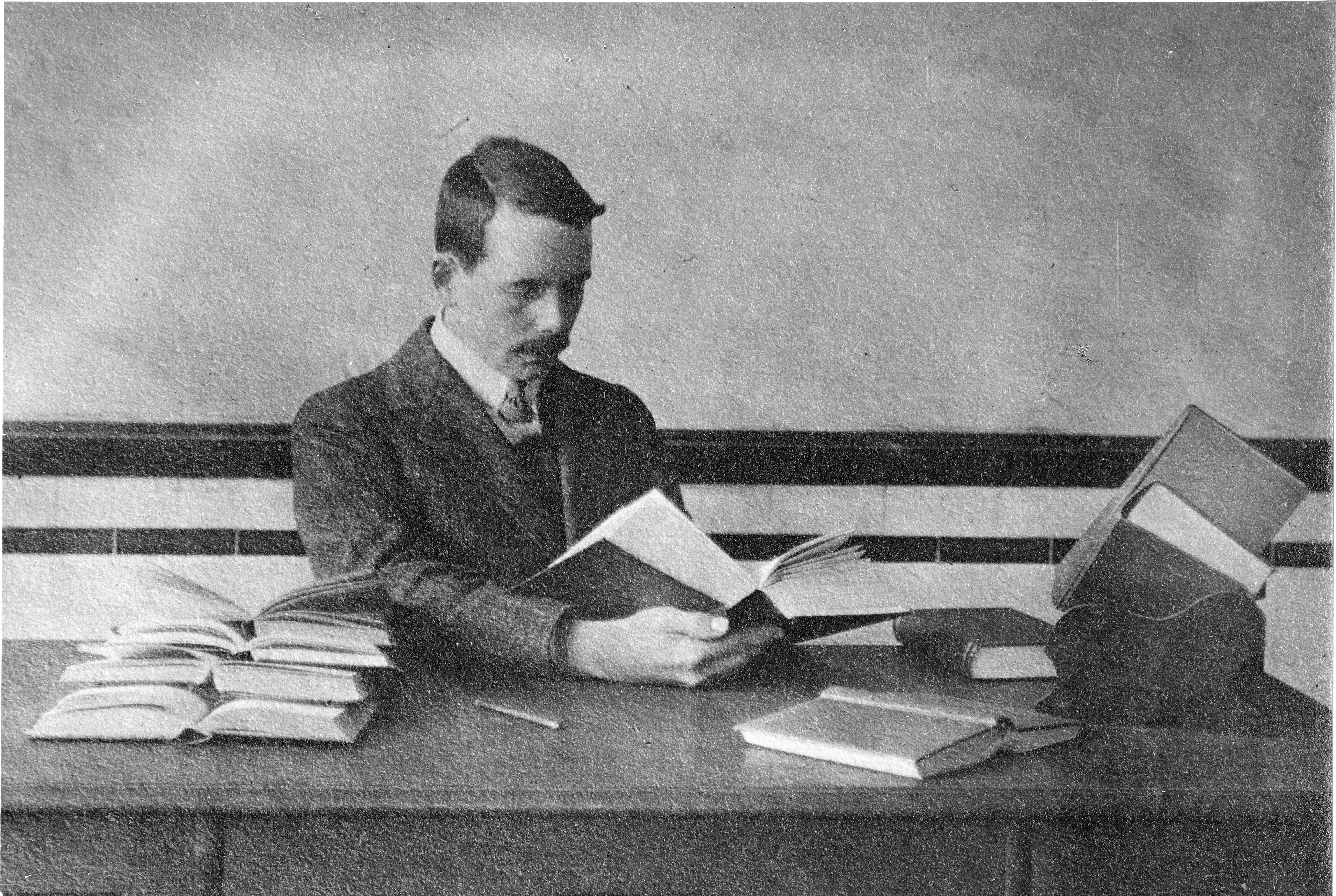
- Description: A proud mother responded to news service’s request for a photograph of her physicist-son killed during World War I.
- Blog Post
Fame ... By Any Other Name
- Date: March 20, 2012
- Creator: Marcel Chotkowski LaFollette
- Description: How social media has changed the ways that scientists, particularly women, can achieve fame in their respective fields.
- Blog Post
Science Service, Up Close: John Clavon Norman, Jr. – Pathbreaking Cardiac Surgeon and Researcher
- Date: August 23, 2018
- Creator: Marcel Chotkowski LaFollette
- Description: [edan-image:id=siris_arc_395101,size=300,left]When Harvard Medical School distributed these photographs of John Clavon Norman, Jr., M.D. (1930-2014) to news services in the 1960s, Dr. Norman was at an exciting stage of his career. The young physician had already made quite a journey, but there would be even more paths to blaze. He had been born in West Virginia to parents who
- Blog Post
Rediscovering Elizabeth’s Smile
- Date: November 18, 2010
- Creator: Marcel Chotkowski LaFollette
- Description: Access the official records of the Smithsonian Institution and learn about its history, key events, people, and research.

Science Service, Up Close: Patent Parades, Silk Purses, and Snake Bite Remedies
- Date: March 30, 2017
- Creator: Marcel Chotkowski LaFollette
- Description: Everyone loves a parade – especially one followed by a banquet. When scientists and politicians met in Washington, D.C., on November 23, 1936, to celebrate the centennial of the U.S. patent system, they listened first to a conventional program of speeches. Then, in the afternoon, Science Service director Watson Davis arranged something different: a “Research Parade” featuring

Science Service, Up Close: “Charlie Is My Darling” — Lindbergh in Washington, June 1927
- Date: February 2, 2017
- Creator: Marcel Chotkowski LaFollette
- Description: On June 11, 1927, 25-year-old Charles Lindbergh, and his plane Spirit of St. Louis, arrived back in the United States, and Washington, D.C. threw a party.

Science Service, Up Close: Radio Extends the Audience, Inauguration Day, 1925
- Date: January 19, 2017
- Creator: Marcel Chotkowski LaFollette
- Description: President Calvin Coolidge's second inauguration in 1925 reaches an audience of millions, thanks to a new technological innovation--the radio.