
Results for "Marine sciences"
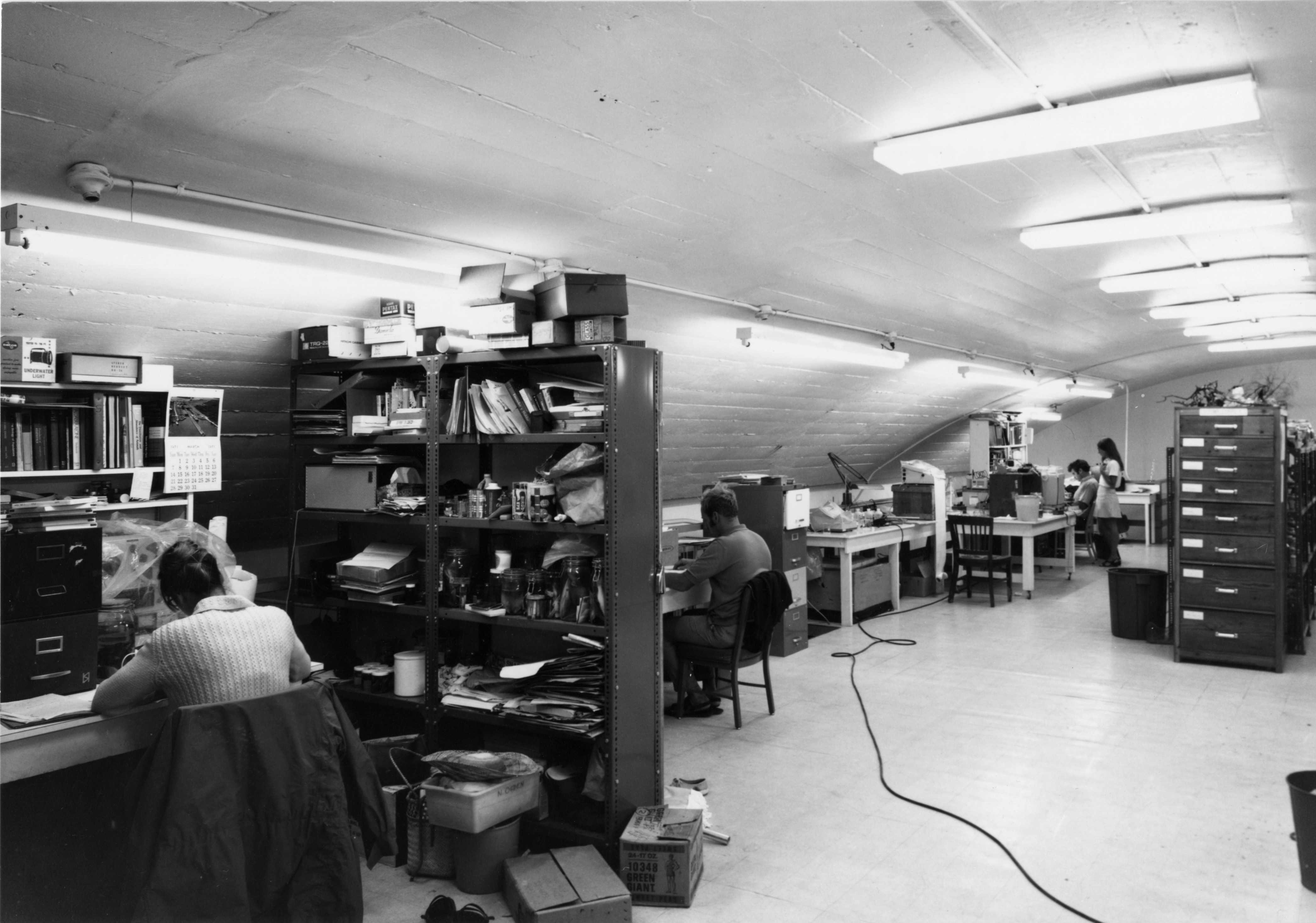
Wonderful Women Wednesday: Roberta W. Rubinoff
- Date: August 19, 2020
- Creator: Emily Niekrasz
- Description: Roberta Wolff Rubinoff was a biologist at the Smithsonian Tropical Research Institute in Panama between 1965 and 1979. In 1980, she was appointed the assistant director of the Office of Fellowships and Grants in Washington, D.C., and from 1986 to 2001, she served in the top role as director of the office.In Panama, Rubinoff served as the marine sciences coordinator and

The Little Aquarium That Could
- Date: June 23, 2022
- Creator: Marguerite Roby
- Description: It's National Zoo and Aquarium Month! Let's explore the early days of the National Aquarium and its commitment to the promotion of marine science and aquaculture.
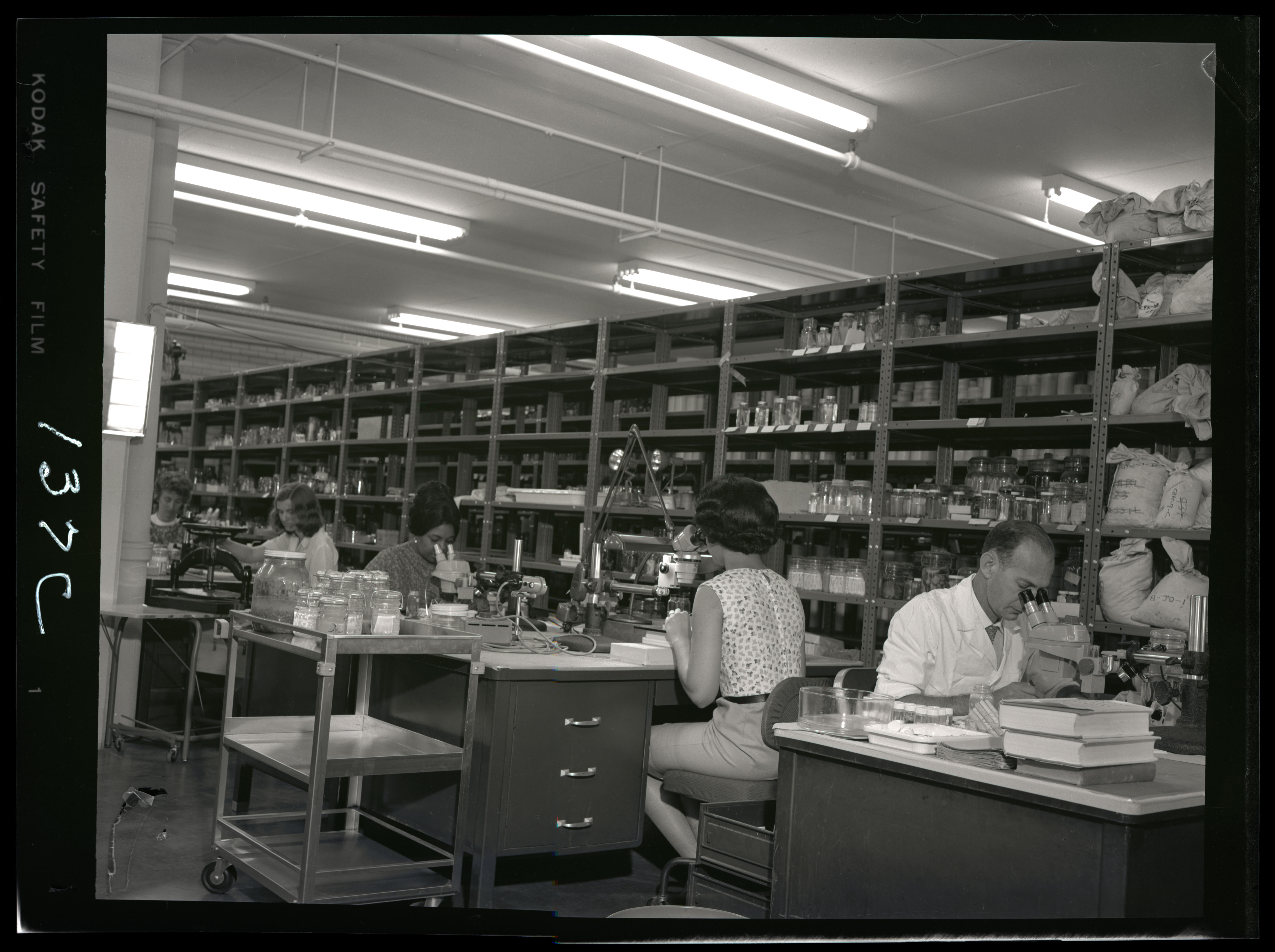
Smithsonian Oceanographic Sorting Center (SOSC)
- Date: February 10, 2022
- Creator: Marguerite Roby
- Description: Learn more about the Smithsonian Oceanographic Sorting Center and the impact this unit had in the study of marine science worldwide.

Smithsonian Marine Biology Station in Florida
- Date: October 16, 2018
- Creator: Pamela M. Henson
- Description: Did you know the Smithsonian has a Marine Station at Fort Pierce, Florida, where visiting researchers can study marine organisms onsite?
- Blog Post
Science Service, Up Close: Of Princes, Princesses, and Science
- Date: June 12, 2018
- Creator: Marcel Chotkowski LaFollette
- Description: As editor E. E. Slosson began setting up the Science Service news office, his mail was flooded with inquiries from potential contributors. Writers and photographers described their accomplishments and submitted samples of their work. One such letter, from Albert Harlingue on April 13, 1921, must have piqued Slosson’s interest, for it coincided with the Washington visit of “a
- Blog Post
19th-Century Marine Life’s Role in the 21st Century
- Date: January 25, 2011
- Creator: Lynda Schmitz Fuhrig
- Description: Access the official records of the Smithsonian Institution and learn about its history, key events, people, and research.
- Blog Post
Little Things Mean a Lot
- Date: March 10, 2011
- Creator: Ellen Alers
- Description: [caption id="" align="aligncenter" width="229" caption="Mary Alice McWhinnie (1922-1980) was a professor of biology at DePaul University and a world-renowned authority on krill when she began working on research ships off-shore in 1962, when this photograph was taken, by Unidentified photographer, Black and white photographic print, Smithsonian Institution Archives, cc. 90-105

Dr. Donald Fleming Squires (1927-2017)
- Date: February 13, 2018
- Description: [edan-image:id=siris_sic_14492,size=500,center]Dr. Squires was a pioneer in the application of computer technology in science museums and the founding father of data processing at the Smithsonian’s National Museum of Natural History (NMNH). He died on his 90th birthday, December 19, 2017 in Tasmania, Australia, after a short illness. Squires received an B.A. from Cornell

Science Conversations in the Shenandoah
- Date: September 6, 2018
- Creator: Mitch Toda
- Description: In February 1975, twenty Smithsonian scientists gathered at the National Zoo's Conservation Research Center in Front Royal, Virginia to talk about their research and the future of science at the Smithsonian.
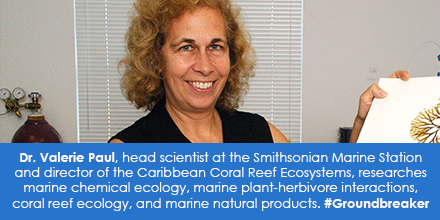
Wonderful Women Wednesday: Dr. Valerie Paul
- Date: May 31, 2017
- Creator: Effie Kapsalis
- Description: Dr. Valerie Paul, head scientist at the Smithsonian Marine Station and director of the Caribbean Coral Reef Ecosystems, researches marine chemical ecology, marine plant-herbivore interactions, coral reef ecology, and marine natural products. #Groundbreaker

Marching Our Way to the Smithsonian
- Date: November 6, 2018
- Creator: Emily Niekrasz
- Description: Sure, you’ve heard of famed composer John Philip Sousa. But did you know that Sousa composed a march just for the Smithsonian?On November 6, 1854, the “March King” John Philip Sousa was born in Washington, D.C. With roots in Southeast Washington near the Marine Barracks, where his father played trombone in the United States Marine Band, it should have been of no surprise to
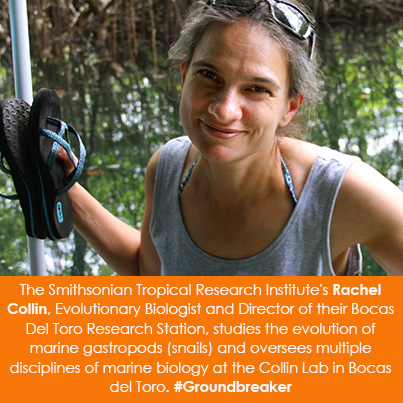
Women in Science Wednesday: Dr. Rachel Collin
- Date: April 8, 2015
- Creator: Effie Kapsalis
- Description: The Smithsonian Tropical Research Center's Dr. Rachel Collin, Evolutionary Biologist and Director of their Bocas Del Toro Research Station, studies the evolution of marine gastropods (snails) and oversees multiple disciplines of marine biology at the Collin Lab in Bocas del Toro. #Groundbreaker