
Results for "Library publications"

Science Service, Up Close: Journalists, Cancer Research, and Public Education
- Date: March 6, 2018
- Creator: Marcel Chotkowski LaFollette
- Description: Cancer, James T. Patterson observed in The Dread Disease, serves as a powerful metaphor in American culture, where the malady mirrors the “manifestation of social, economic, and ideological divisions” in modern life. In the decades since publication of Patterson’s book, medical research has made great strides in methods of detection and treatment. But the challenge for science
- Blog Post
Fame ... By Any Other Name
- Date: March 20, 2012
- Creator: Marcel Chotkowski LaFollette
- Description: How social media has changed the ways that scientists, particularly women, can achieve fame in their respective fields.
Science Service, Up Close: Ruby K. Worner
- Date: November 12, 2015
- Creator: Marcel Chotkowski LaFollette
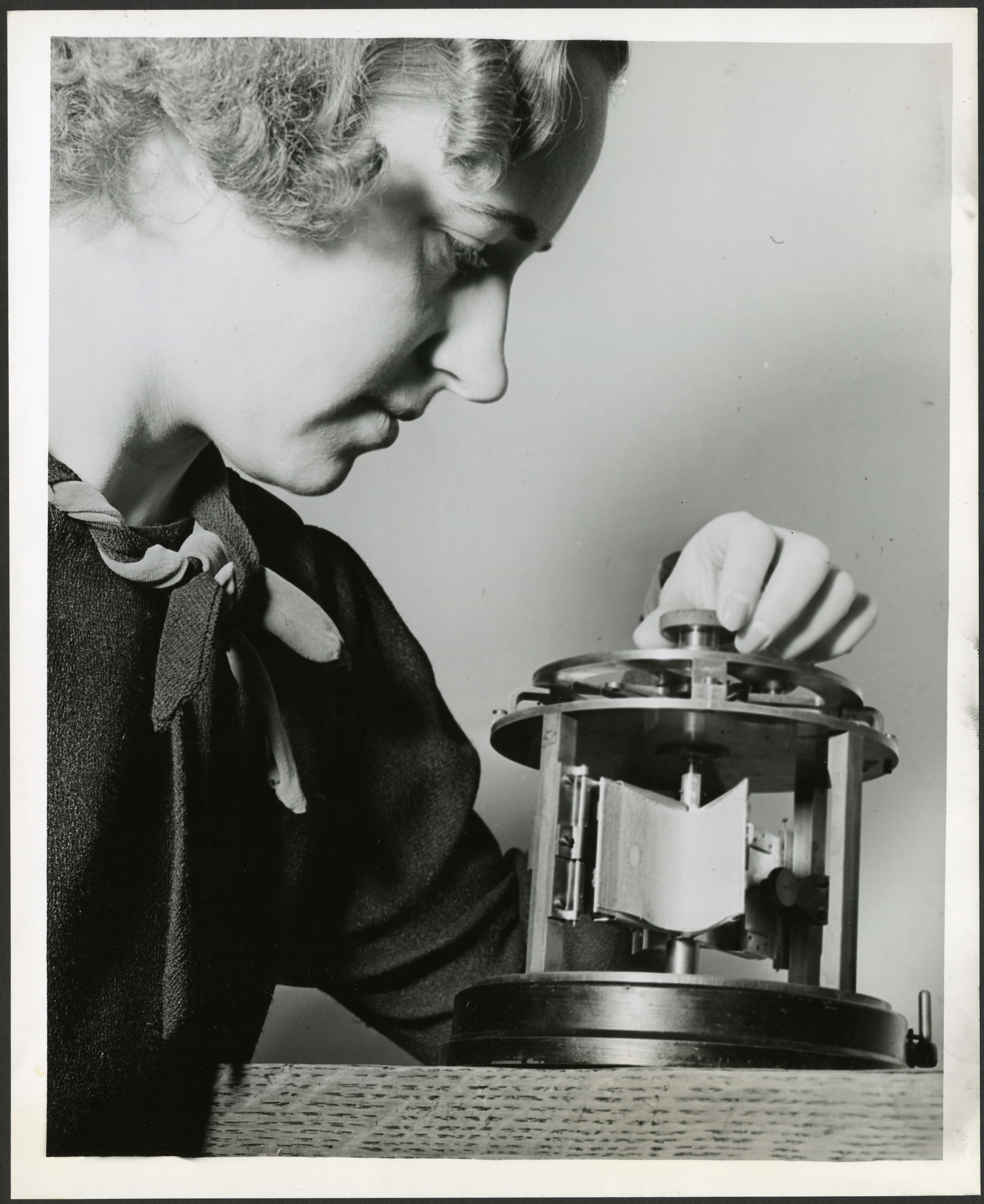
- Description: A look at the brilliant work and sharp insight of a trailblazing woman chemist, Ruby K. Worner.
Science Service, Up Close: Books, Readers, and Recommendations
- Date: December 3, 2015
- Creator: Marcel Chotkowski LaFollette
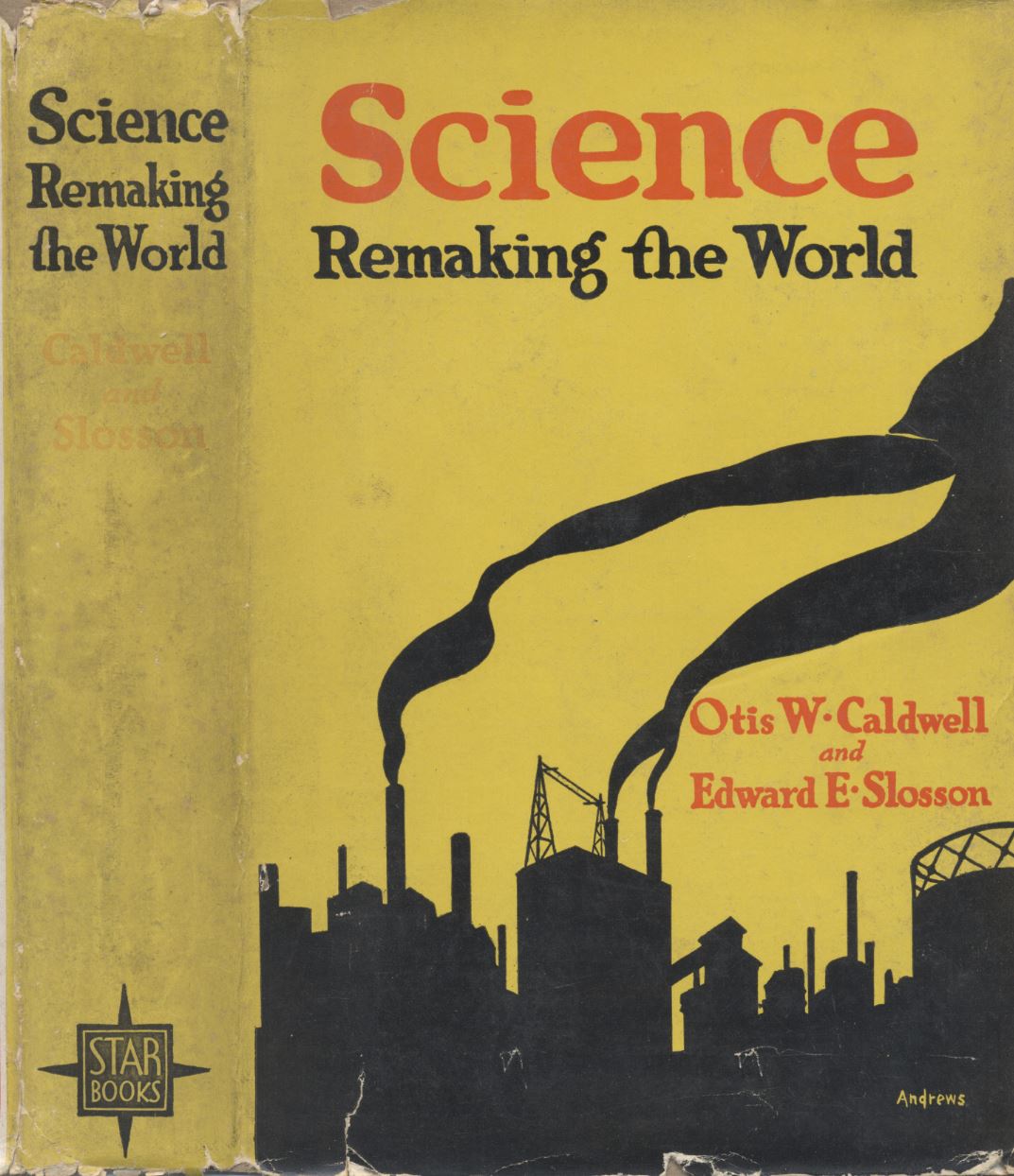
- Description: Need a new book to read? Look no further than these recommendations from Smithsonian Science Service staff writers during the 1920s and 1930s.
- Blog Post
Science Service, Up Close: Telephone Books, Wax Turkeys, and Talking Chickens
- Date: March 8, 2016
- Creator: Marcel Chotkowski LaFollette
- Description: In the U.S. Department of Agriculture (USDA) Office of Exhibits, Margaret Jane Russell Roller (1888-1973) had begun to specialize in fabricating lifelike wax models of food and animals.

Science Service, Up Close: George Sarton, Watson Davis, and “Panache”
- Date: June 23, 2016
- Creator: Marcel Chotkowski LaFollette
- Description: For historians of science, the name “Sarton” resonates like a deep-throated bell. Isis, the international journal that chemist and mathematician George Sarton (1884-1956) founded in Belgium in 1913, is now the premier publication of the History of Science Society. The field he envisioned is flourishing as well as continually responding to changes in science and its social
The Scientific Portraits of Julian Papin Scott, Part 1 of 2: The Photographer Behind the Lens
- Date: September 3, 2019
- Creator: Marcel Chotkowski LaFollette
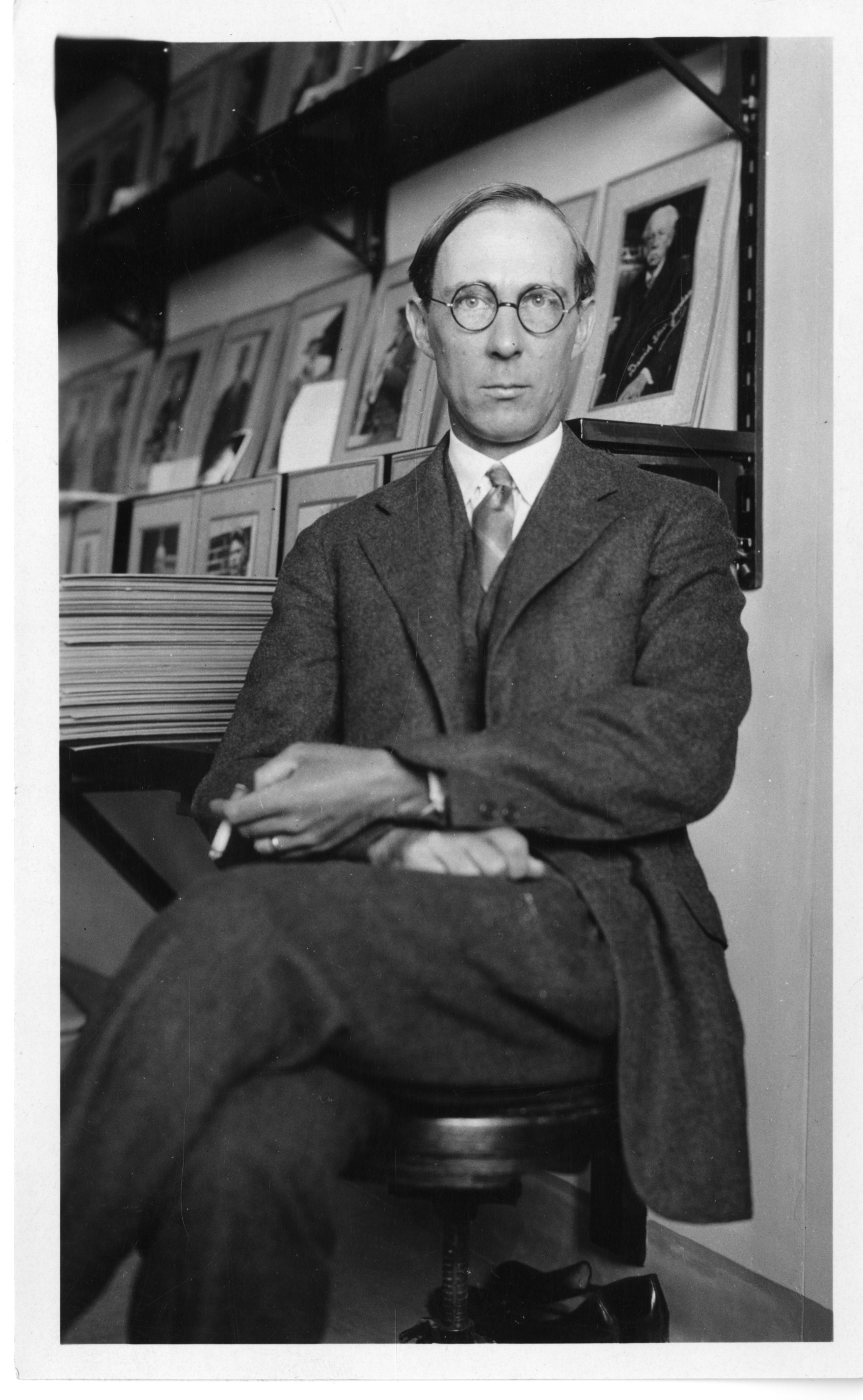
- Description: In a world drowning in images, where we swipe past photos of friends, relatives, and selves in mere seconds, a set of remarkable portraits taken in the 1910s and 1920s by Julian Papin Scott (1877-1961) deserve more considered attention. Sometimes, his subjects appear immersed in work, surrounded by microscopes, beakers, or stacks of books, as if unaware of the photographer.
- Blog Post
Science Service, Up Close: Stuff Matters
- Date: September 3, 2015
- Creator: Marcel Chotkowski LaFollette
- Description: Science Service photographs, while having good identifying information, can still be helped by the cybercommunity to fill in some of the mission information.
Science Service, Up Close: A Meeting Of Minds
- Date: April 7, 2016
- Creator: Marcel Chotkowski LaFollette
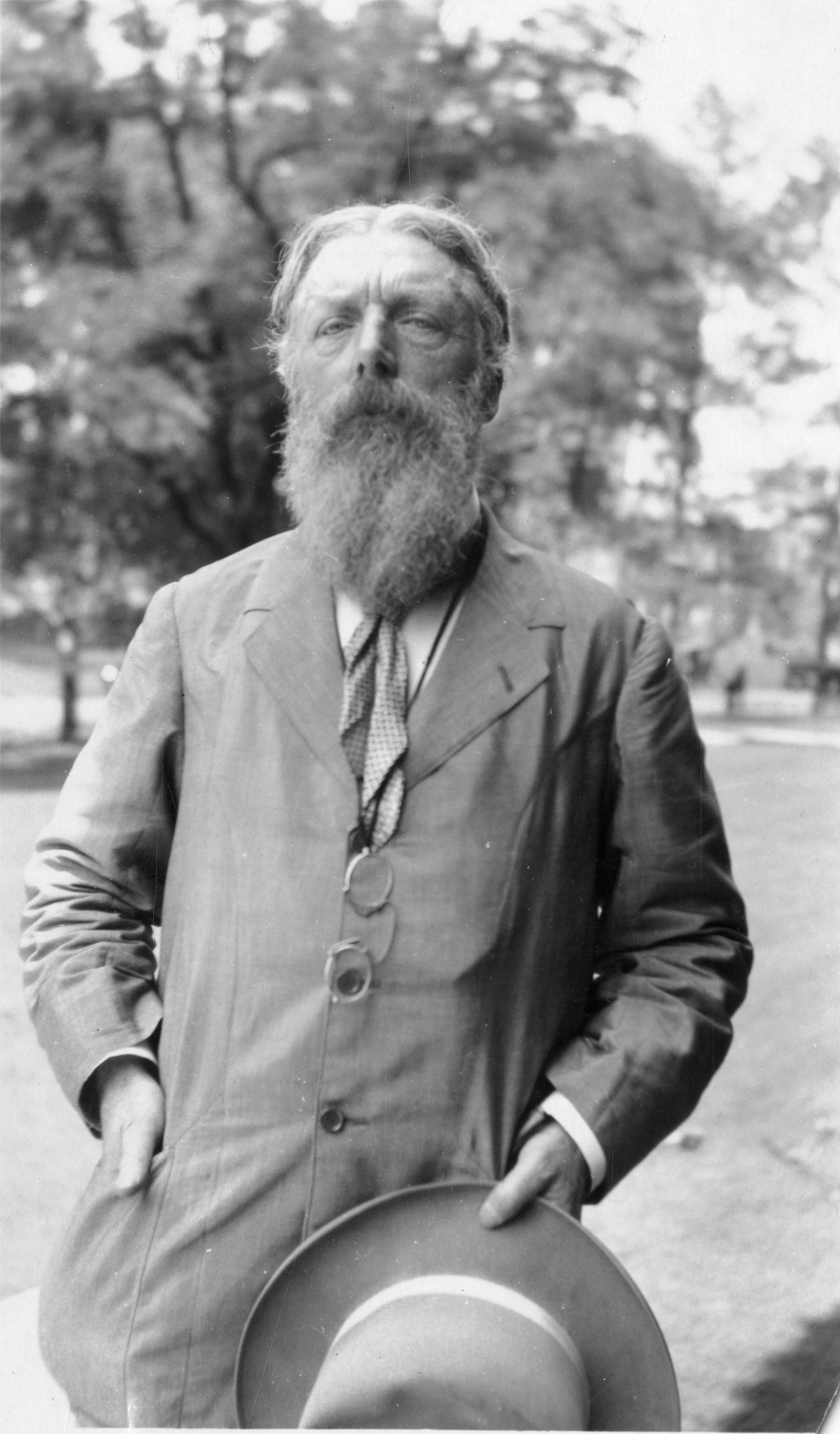
- Description: A rare meeting of the scientific minds at the 92nd Annual British Association Conference in 1924, captured by Science Service journalist Watson Davis.

Science Service, Up Close: Science Reporters on the Hunt
- Date: April 18, 2019
- Creator: Marcel Chotkowski LaFollette
- Description: Photographs from the Science Service collections preserve behind-the-scenes glimpses of the newsgathering process for science reporters.
Science Service: Up Close
- Date: May 19, 2015
- Creator: Marcel Chotkowski LaFollette
- Description: Each Smithsonian Institution Archives collection has a life story. That narrative, much like the biography of a person, can explain how a collection's photographs, letters, and documents relate to each other. Closer inspection may also reveal hidden connections to other archival materials and can help in identifying photographers and writers. This new blog series will turn a

The Life Behind the Photograph
- Date: March 28, 2013
- Creator: Marcel Chotkowski LaFollette
- Description: Thanks to the Flickr community, the Smithsonian Archives knows the context for a photograph of Norwegian biologist Kristin Bonnevie.