
Results for "Institute of the Americas"
- Blog Post
Almost here … World Migratory Bird Day 2019!
- Date: May 9, 2019
- Creator: Ricc Ferrante
- Description: While only two years old, World Migratory Bird Day is just one of the latest evolutions in conservation awareness. Related celebrations go back more than twenty-six years and draw on over a century of research.
- Blog Post
Discoveries Don’t Happen in an Armchair
- Date: November 27, 2018
- Creator: Ricc Ferrante
- Description: The 19th century was a transformative time for the natural sciences. New discoveries didn't just happen in an armchair. Scientists adventured into unfamiliar territory by land and sea on expeditions, and their new findings fed new theories. Groups like the Columbian Institute for the Promotion of Arts and Sciences and the National Academy of Sciences formalized America's place

Rapid Capture Digitization to bring the Smithsonian's Board of Regents Minutes Online
- Date: September 8, 2015
- Creator: Ricc Ferrante
- Description: Digitizing the Smithsonian Institution's Board of Regents minutes to make them available online.
- Blog Post
Robert Ridgway – From Protégé to a Leading Ornithologist
- Date: February 27, 2020
- Creator: Ricc Ferrante
- Description: As a teenager, Robert Ridgway was tapped by the Smithsonian’s Assistant Secretary to be an expedition zoologist. In 1881, when the US National Museum opened its doors, he was the curator of Birds. Download and reuse some of bird illustrations today through Smithsonian Open Access.

Growing a National Museum – the Curators’ Annual Reports
- Date: May 19, 2016
- Creator: Ricc Ferrante
- Description: The United States National Museum Curators’ Annual Reports will be added to the Smithsonian Transcription Center, beginning the first week of June.
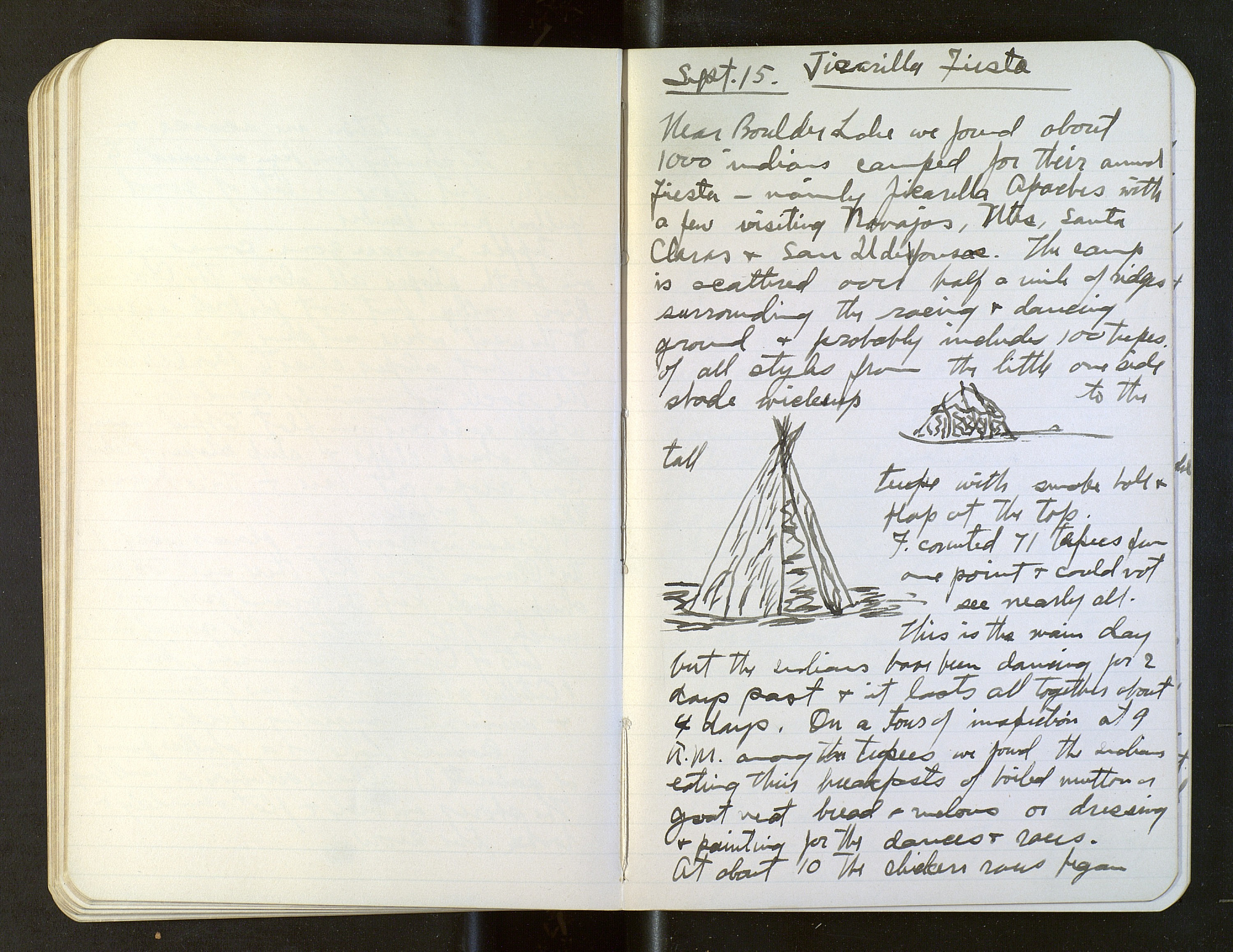
Pursuing Knowledge in Unfamiliar Country
- Date: November 15, 2018
- Creator: Ricc Ferrante
- Description: In mid-19th century America, some believed that world-class discoveries came exclusively from Europe. But early Smithsonian leaders had a sense of urgency to disseminate an authoritative body of knowledge, pursue further discoveries, and provide a deeper understanding to the public at a time when American society was changing.
Board of Regents: Providing Guidance to the Stewards of the National Collections
- Date: September 8, 2016
- Creator: Ricc Ferrante
- Description: With the help of digital volunteers, we will make over a century’s worth of Smithsonian Board of Regents Meeting Minutes searchable, via the Smithsonian Transcription Center.
- Blog Post
A Quirk, a Chase and the Power of a Crowd
- Date: March 13, 2014
- Creator: Ricc Ferrante
- Description: People everywhere are helping the Smithsonian Institution Archives make more of its collections deeply accessible through helping transcribe field books, journals, and diaries in our collections.

Can We Keep to a Schedule, Please?
- Date: October 12, 2017
- Creator: Ricc Ferrante
- Description: The Smithsonian’s scientists and naturalists were, and still are, constantly on the move. When they weren’t in the field, they were in the museum studying collected specimens, writing papers, and getting ready for the next series of trips. Dr. Waldo LaSalle Schmitt (1887-1977) was no exception.Logistics is a special skill, an essential one when traveling on scientific

On Expedition with Waldo Schmitt
- Date: July 31, 2018
- Creator: Ricc Ferrante
- Description: They say a picture is worth a thousand words. If that’s true, some of Dr. Waldo LaSalle Schmitts field books are worth tens of thousands of words.
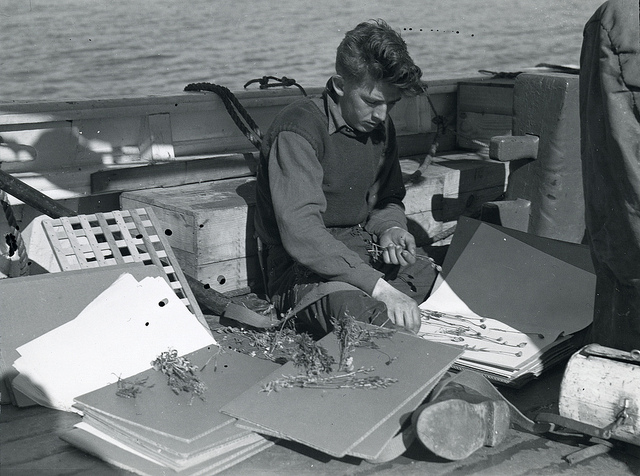
Another Milestone Met: Reminiscing about the Field Book Project and Looking Forward
- Date: February 21, 2019
- Creator: Ricc Ferrante
- Description: The intense efforts that started the Field Book Project and have kept it in high gear are slowing down to a sustainable pace. After almost ten years, grant funding for the Field Book Project has drawn to a close, but there is still plenty more to look forward to that will benefit researchers for years to come.
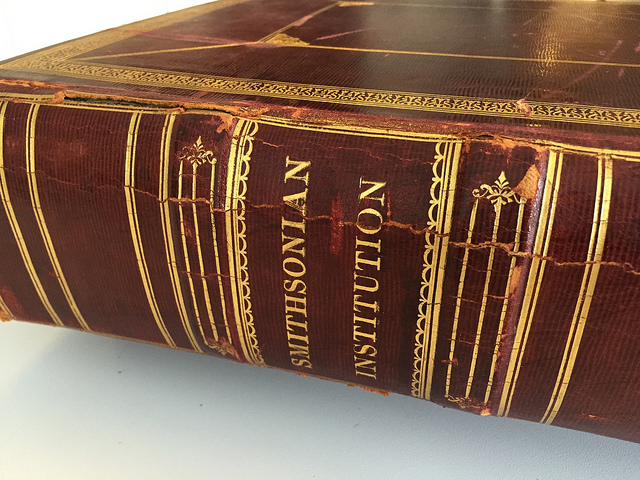
Transparency in the Archives: From Our Earliest Days
- Date: August 16, 2018
- Creator: Ricc Ferrante
- Description: From the point in 1838 when the United States Congress accepted James Smithson’s bequest, it was recognized as a cultural resource, a public trust held by the federal government. Smithson had stipulated that the funds be used for an “establishment for the increase and diffusion of knowledge.” Being a cultural resource set aside for public use, the government bore the