
Results for "Information commons"
- Blog Post
Making Sense of Data That’s Linked and Open
- Date: June 23, 2011
- Creator: Effie Kapsalis
- Description: If you are a regular reader, or someone who works for a museum, library, or archive, you intimately understand the difficulty in managing big collections. If you’re not in this world, you do understand how hard it is to manage family photographs, a collection of email love letters, or the folder tucked in the bottom of your closet with old college papers. When you multiply
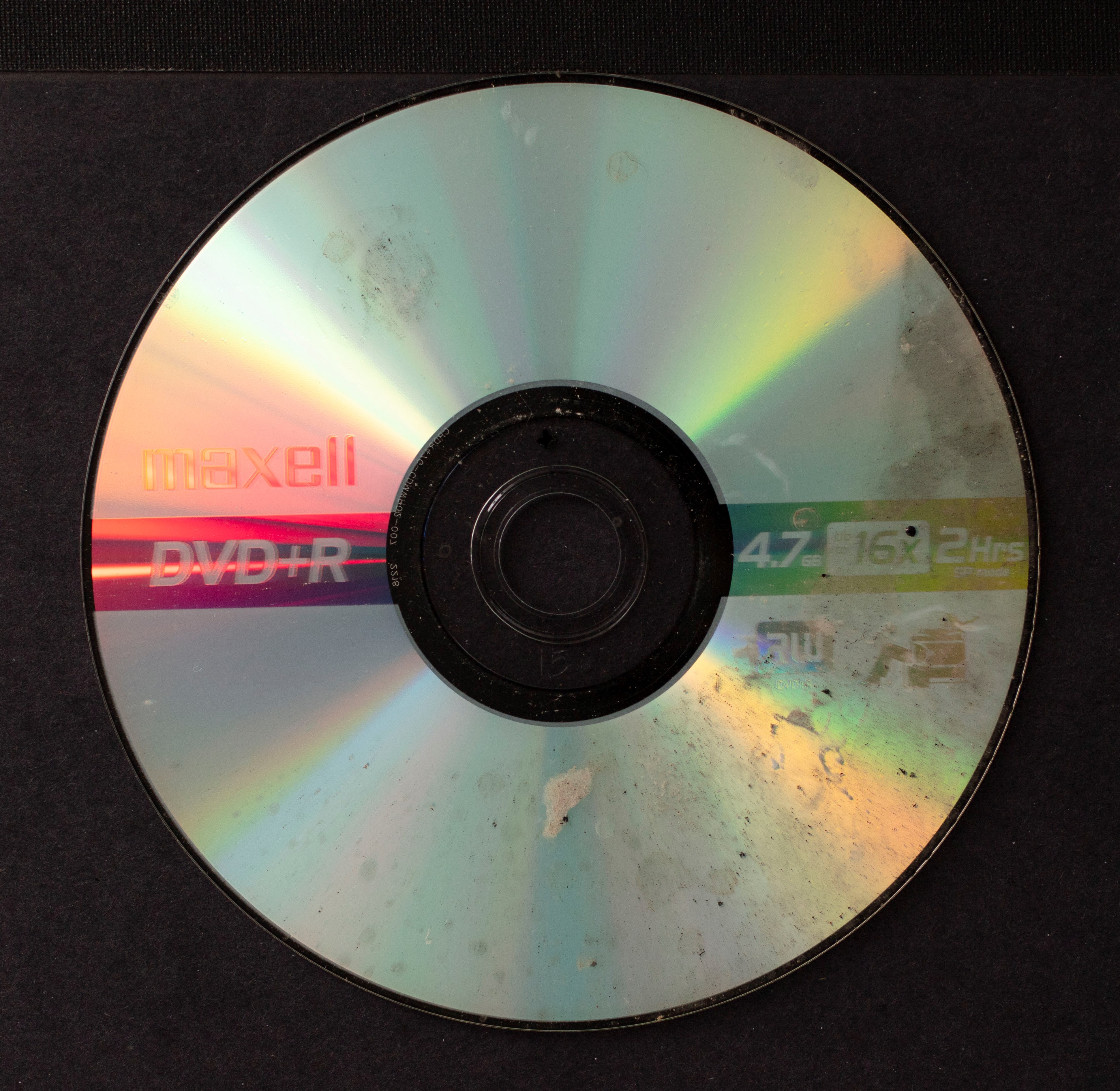
Burn This Disc: Treating Fire-Affected Optical Discs, Part I
- Date: September 2, 2021
- Creator: Emily Niekrasz
- Description: This is part one of three in a series of blog posts about a research project on treating fire-affected optical discs. This month, we’ll introduce the project.

#MCN50 Conference Next Week
- Date: November 7, 2017
- Creator: Charles Zange
- Description: Behind the archivists, technicians, and specialists of the museum field are an abundance of organizations that network ideas, connect professionals, and present new strategies to broaden the impact of museums (American Alliance of Museums, Society of American Archivists, etc.). Many associations focus on specific aspects of this dynamic field and help to push museum practice

The History of Email at the Smithsonian
- Date: July 21, 2015
- Description: Many of us read, write and send emails every day, but when did it all start at the Smithsonian? In 1980 Smithsonian staff had typewriters and telephones on their desk, with one or two FAX machines per office. The Smithsonian operated a single general purpose computer, the Honeywell mainframe, for all Smithsonian data processing applications and which did not include an email

Accession Records: Not Just Interdepartmental Paper Piles
- Date: August 11, 2011
- Description: Access the official records of the Smithsonian Institution and learn about its history, key events, people, and research.
Science Service: Up Close
- Date: May 19, 2015
- Creator: Marcel Chotkowski LaFollette
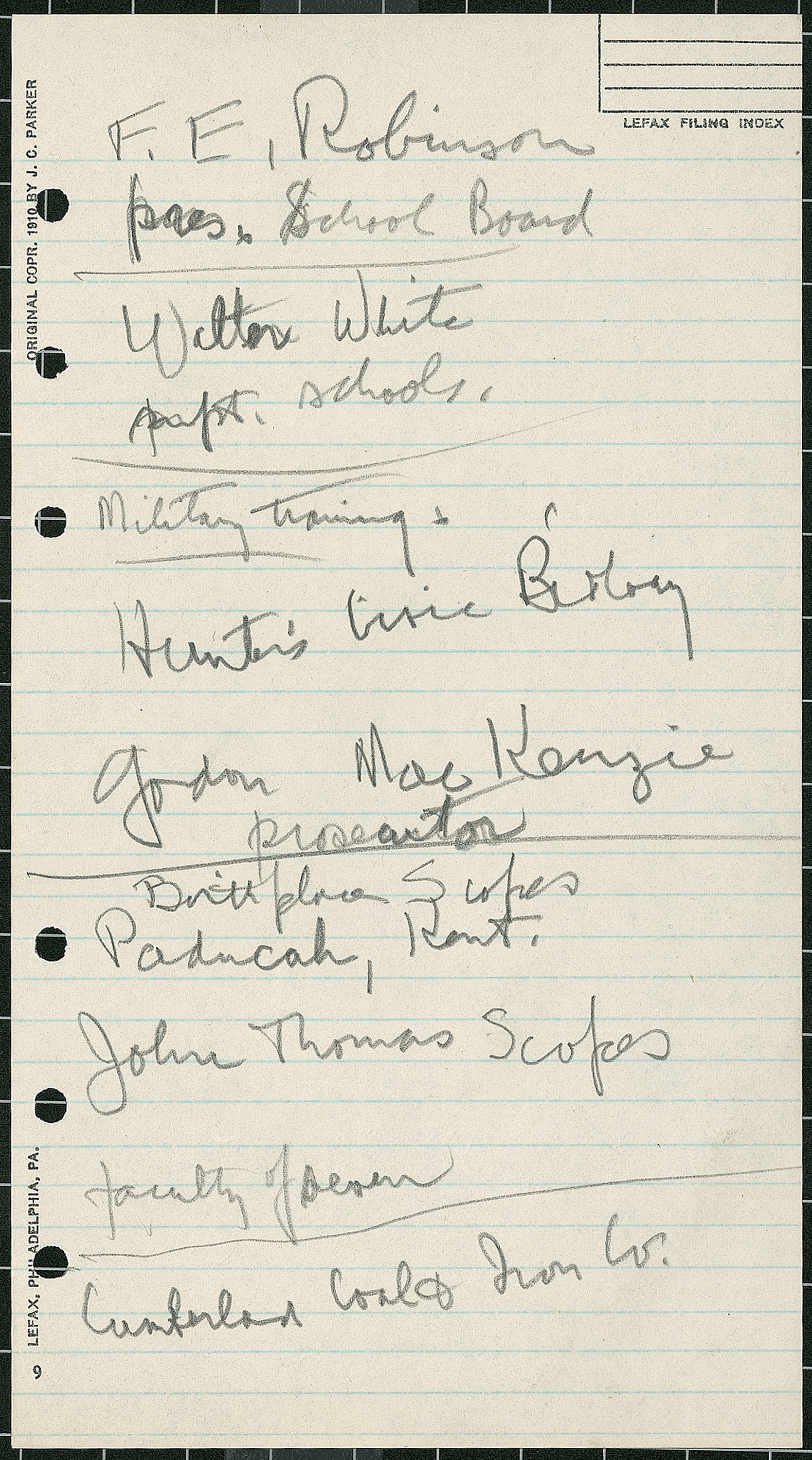
- Description: Each Smithsonian Institution Archives collection has a life story. That narrative, much like the biography of a person, can explain how a collection's photographs, letters, and documents relate to each other. Closer inspection may also reveal hidden connections to other archival materials and can help in identifying photographers and writers. This new blog series will turn a
All Shook Up: A History of Earthquakes at the Smithsonian
- Date: September 21, 2011
- Creator: Courtney Bellizzi
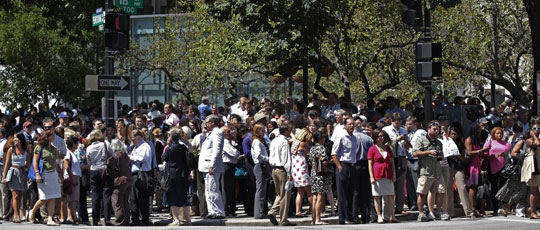
- Description: Here at the Smithsonian we love to observe. So of course on August 23, 2011, at 1:51 PM, when a 5.8 magnitude earthquake shook the Washington, DC region and many of us with it, we immediately started to observe what happened and how we could document it. As the Institution's historians, inevitably we needed to know, had this happened before and what were the effects? After
- Blog Post
Doris Holmes Blake and the Fight for Women’s Right to Paid Employment
- Date: May 3, 2021
- Creator: Dr. Elizabeth Harmon
- Description: How the marital status provision of the 1932 Economy Act impacted one Smithsonian scientist.

Six Tips for Preserving Family Archives
- Date: November 26, 2020
- Creator: Jessica Scott
- Description: Some advice from Archives staff on preserving your family’s history.
Goodbye, 2019. Hello, 2020!
- Date: December 31, 2019
- Creator: Emily Niekrasz
- Description: Before the Archives gears up for new projects in 2020, we’re looking back at our accomplishments and highlights in 2019.
- Blog Post
Tichkematse—A Great Favorite at the Smithsonian
- Date: November 25, 2021
- Description: A forerunner of today’s efforts to decolonize and Indigenize American museums, Tichkematse was one of the first Native American employees at the Smithsonian Institution. His work with natural history and anthropological collections continue to inspire Native and non-Native museum professionals nearly 150 years later.

World of Maps Project - Preventive Conservation Actions
- Date: February 26, 2019
- Description: Explore our interns’ new techniques for preservation of maps at NMNH: a map transportation tool, a rehousing plan, and training for volunteers.