
Results for "Fund accounting"
- Blog Post
‘Oh, I’m Glad That’s on the Mall’: NMAAHC Celebrates Its Fifth Anniversary
- Date: September 23, 2021
- Creator: Lynda Schmitz Fuhrig
- Description: The National Museum of African American History and Culture marks its fifth anniversary.

Email Management Remains Important
- Date: January 2, 2020
- Creator: Lynda Schmitz Fuhrig
- Description: Archives and libraries explore various tools to preserve and share email collections.
- Blog Post
The Smithsonian’s First Radiometers
- Date: April 25, 2019
- Description: When curators at the Smithsonian National Museum of American History looked at seven radiometers in storage, they learned the instruments had been at the Smithsonian for nearly one hundred fifty years.
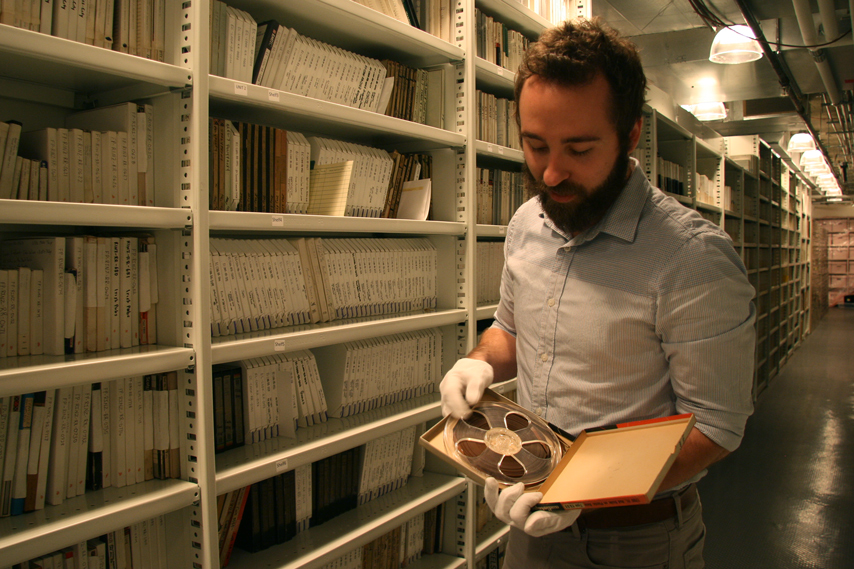
Ask an Archivist: Bring Your Questions Monday, October 27
- Date: October 24, 2014
- Creator: Effie Kapsalis
- Description: In celebration of Archives Month, join us Monday, October 27th, 10am to 4pm ET, where four of our archivists specializing in audio/visual material, photos, and digital records (or electronic records) will be on the Smithsonian's Facebook page to answer questions about your own archival collections. Questions from our readers in the past have ranged from storing letter and
- Blog Post
Volunteers and the Smithsonian: A History
- Date: April 5, 2011
- Creator: Jennifer Wright
- Description: Access the official records of the Smithsonian Institution and learn about its history, key events, people, and research.
- Blog Post
A Peek into an Electronic Records Archivist’s Toolbox
- Date: November 29, 2011
- Creator: Lynda Schmitz Fuhrig
- Description: Open source tools, CERP, JHOVE, DROID, Heritrix, for electronic records archivists to use in preserving digital files like WAV, PST, websites, and email.

Science Service, Up Close: Watson Comes Home
- Date: October 6, 2015
- Creator: Marcel Chotkowski LaFollette
- Description: After successfully completing his 1925 European business trip, 29-year-old Watson Davis headed home on the S.S. Republic, boarding at Cherbourg, France, on October 2. The science journalist had covered the annual meeting of the British Association for the Advancement of Science and discussed with Sir Richard Gregory (Editor of the journal Nature) the plausibility of

Finding Something Cool Without Even Trying
- Date: August 2, 2012
- Creator: Ellen Alers
- Description: Japanese internees in Topaz, Utah find a meteorite.
- Blog Post
Watch Now: Today is Archives Fair
- Date: October 19, 2012
- Creator: Effie Kapsalis
- Description: Tune into a live webcast of the Smithsonian's 2012 Archives Fair to watch the lecture series on "Revealing Hidden Treasures."
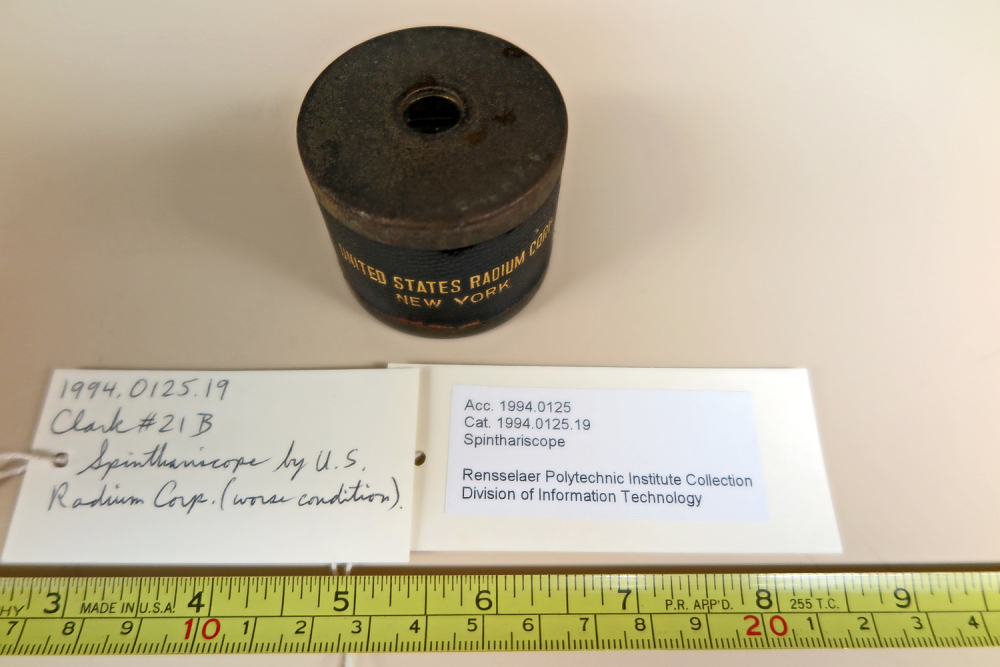
The Spinthariscope and the Smithsonian
- Date: January 9, 2018
- Description: [edan-image:id=siris_arc_287602,size=250,left]As a child in England in the 1930s, Oliver Sacks enjoyed playing with his Uncle Abe’s spinthariscope. It was, he would later recall, “a beautifully simple instrument, consisting of a fluorescent screen and a magnifying eyepiece, and inside, an infinitesimal speck of radium.We take a look at the spinthariscope at the Smithsonian.

Samuel Pierpont Langley and the Personal Equation Problem
- Date: April 12, 2018
- Description: The term “personal equation” came into use in the 19th century as scientists found that observers have inherent biases: some anticipate events, and some report events after they have occurred. Recognition of the problem led to a spate of personal equation instruments: some measured biases of this sort, and some reduced the effect of personal errors. Most of these
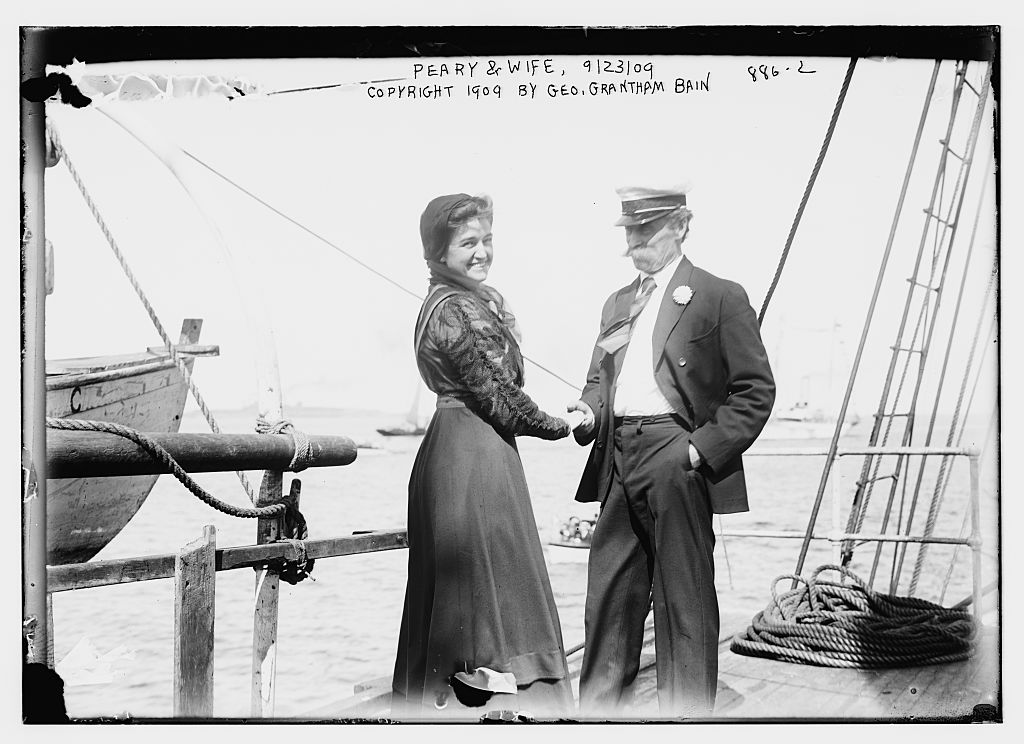
Spotlight: Herman Henry Diebitsch and Josephine Diebitsch Peary
- Date: June 24, 2021
- Creator: Marguerite Roby
- Description: We’re taking a closer look at Smithsonian clerk Herman Henry Diebitsch and his daughter, Arctic explorer Josephine Diebitsch Peary.