
Results for "From Reliable Sources: The Archives of American Art (Motion picture : 1987)"
- Blog Post
Fame ... By Any Other Name
- Date: March 20, 2012
- Creator: Marcel Chotkowski LaFollette
- Description: How social media has changed the ways that scientists, particularly women, can achieve fame in their respective fields.
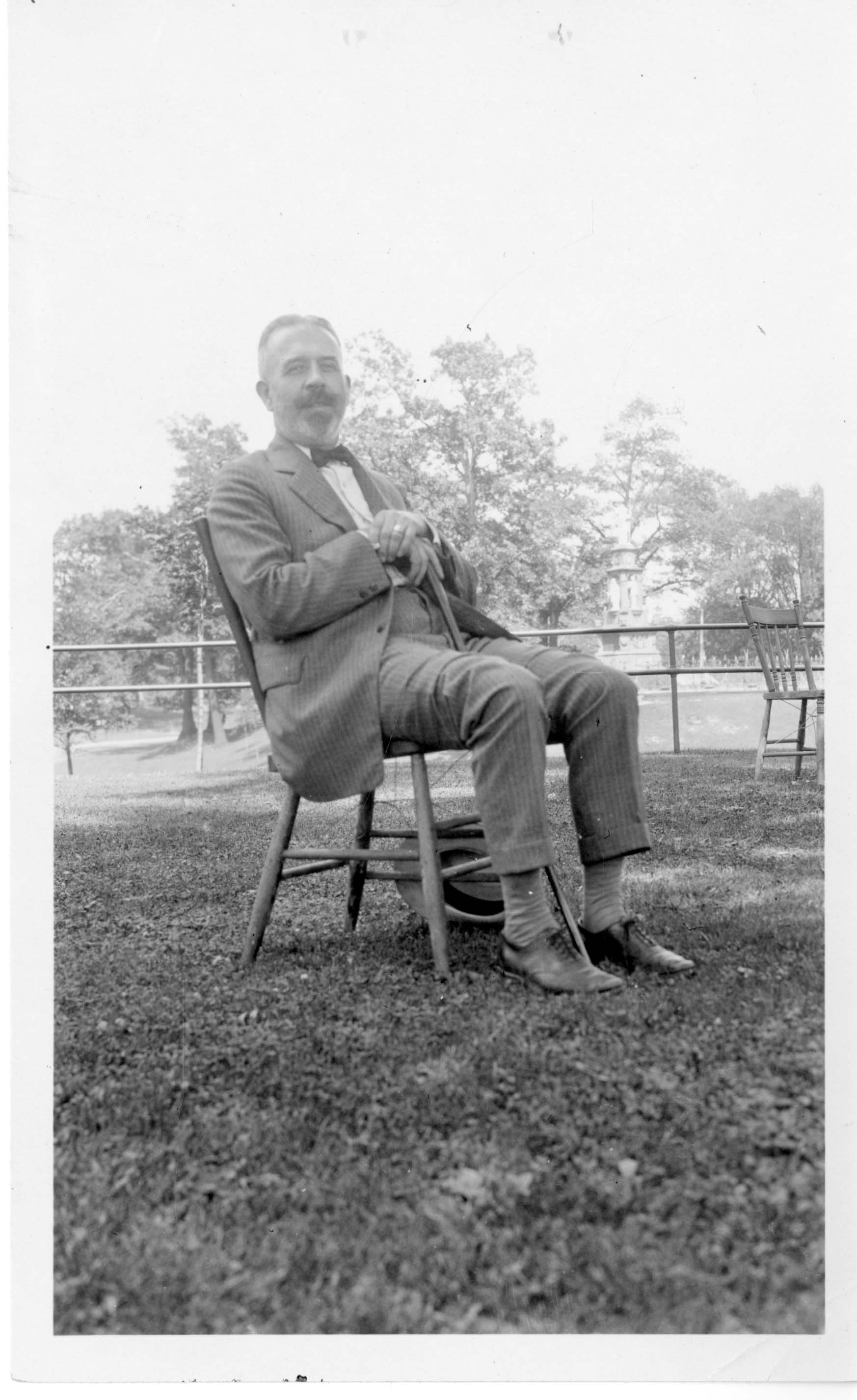
Hitting the Right Note: Science or Sensationalism?
- Date: November 3, 2015
- Creator: Marcel Chotkowski LaFollette
- Description: A look at the line between science and sensationalism in the Science Service.
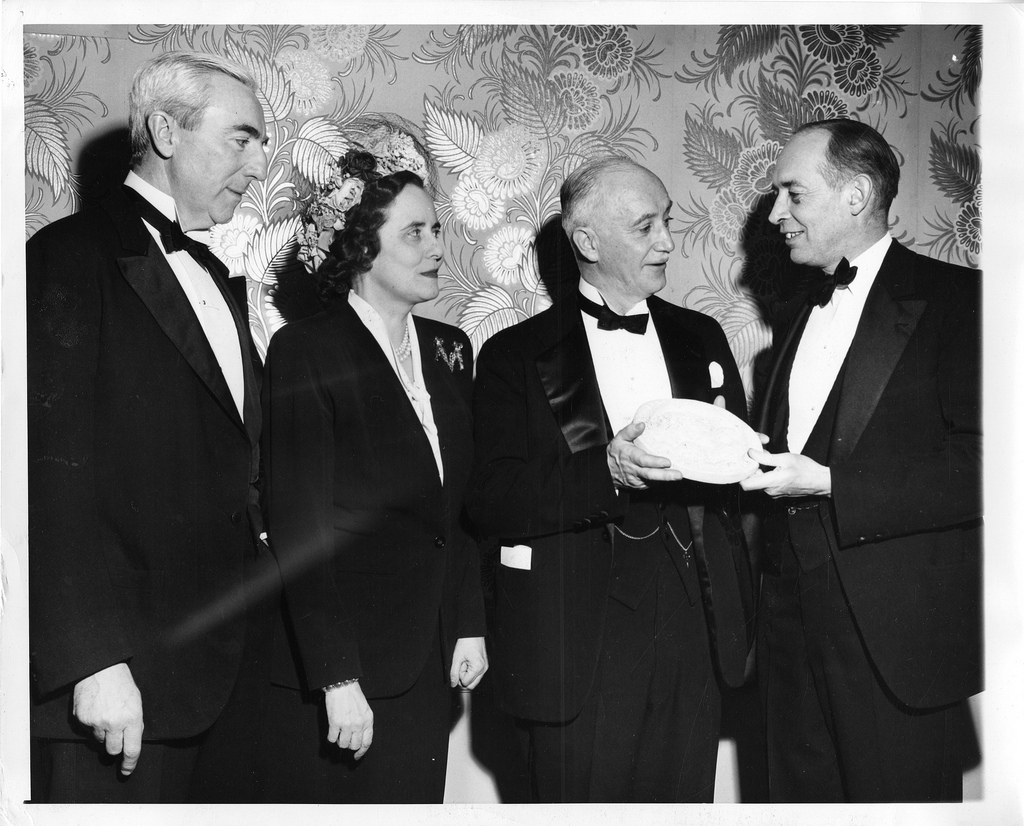
There Are Prizes . . . and There Are Winners
- Date: March 6, 2012
- Creator: Marcel Chotkowski LaFollette
- Description: Nobel prizes are not the only rewards for work improving public health and making the world a better place.
- Blog Post
Science Service, Up Close: Field Work at Yellowstone
- Date: July 2, 2015
- Creator: Marcel Chotkowski LaFollette
- Description: Who is the man at right, standing in Yellowstone National Park with Dutch geologist Henrik Albertus Brouwer?

Science Service, Up Close: Watson Comes Home
- Date: October 6, 2015
- Creator: Marcel Chotkowski LaFollette
- Description: After successfully completing his 1925 European business trip, 29-year-old Watson Davis headed home on the S.S. Republic, boarding at Cherbourg, France, on October 2. The science journalist had covered the annual meeting of the British Association for the Advancement of Science and discussed with Sir Richard Gregory (Editor of the journal Nature) the plausibility of
- Blog Post
Science Service, Up Close: Up in the Air for a Solar Eclipse
- Date: January 24, 2017
- Creator: Marcel Chotkowski LaFollette
- Description: On January 24, 1925, for the first time in over a century, a total solar eclipse would be visible across the northern part of the United States. How scientists used a dirigible to observe the phenomenon.
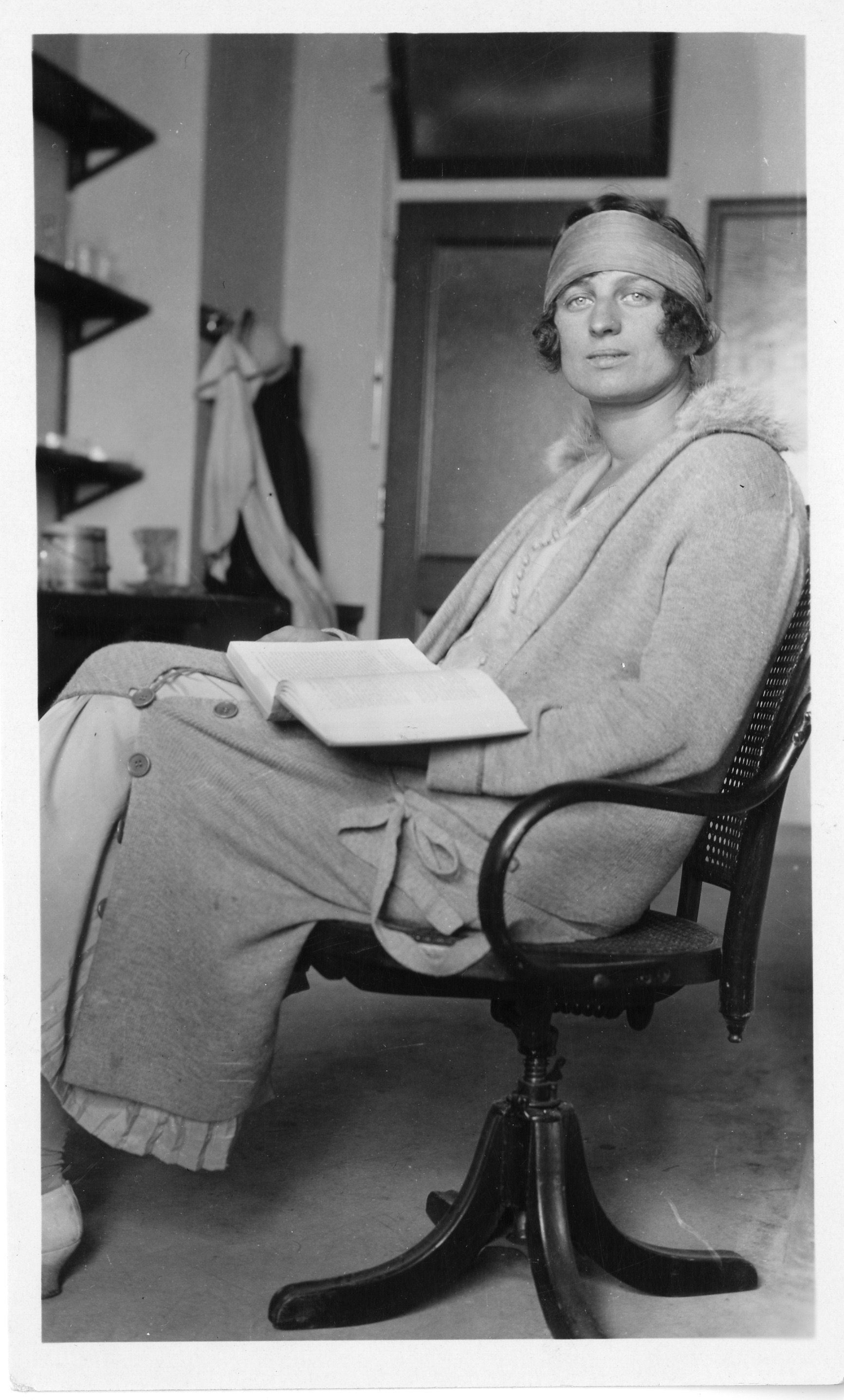
The Scientific Portraits of Julian Papin Scott, Part 2 of 2: Who and How, and Why It Matters
- Date: September 10, 2019
- Creator: Marcel Chotkowski LaFollette
- Description: The historical legacy of amatuer photographer Julian Papin Scott (1877-1961) is far greater than was acknowledged at the time, because of both who he photographed and how he set up the images.
- Blog Post
Television and the Smithsonian: Worldly Success
- Date: December 18, 2012
- Creator: Marcel Chotkowski LaFollette
- Description: For six seasons, beginning in 1984, the television series Smithsonian World opened new windows on the research and scientists at the Smithsonian Institution.
Science Service, Up Close: The Microvivarium
- Date: May 12, 2015
- Creator: Marcel Chotkowski LaFollette
- Description: Today’s science museums build on the efforts of biologist George Roemmert (1892-1952), whose “Microvivarium” projected images of amoebas and other microscopic creatures.
- Blog Post
Science Service, Up Close: White House Science Advisors, from Roosevelt to Nixon
- Date: May 11, 2017
- Creator: Marcel Chotkowski LaFollette
- Description: May 11 is the anniversary of establishment of the White House Office of Science and Technology Policy (OSTP). That 1976 legislation further ratified the influence of scientists on national policy, positioning them to provide ready advice to the President.

Science Service, Up Close: Science Reporters on the Hunt
- Date: April 18, 2019
- Creator: Marcel Chotkowski LaFollette
- Description: Photographs from the Science Service collections preserve behind-the-scenes glimpses of the newsgathering process for science reporters.
- Blog Post
Science Service, Up Close: The “Porcupine” Letters
- Date: October 17, 2019
- Creator: Marcel Chotkowski LaFollette
- Description: A 1936 exchange of letters about the prickly porcupine preserves both a contemporary scientific debate and the wit and wisdom of a young Utah girl with a beloved pet.