
Results for "Electric lighting"
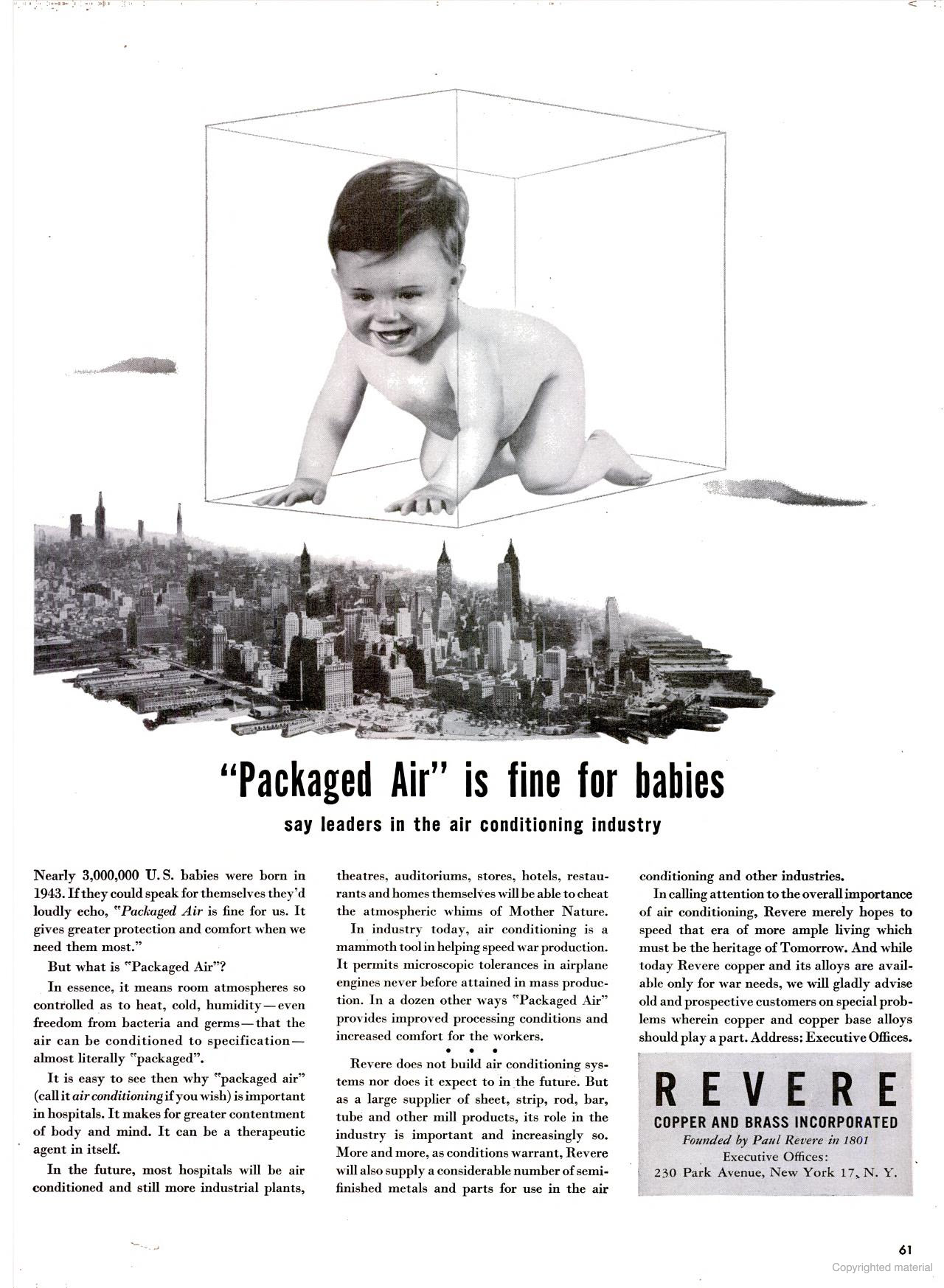
Keeping Your Cool: Advertising Air Conditioning
- Date: June 20, 2017
- Creator: Hillary Brady
- Description: A look back at some historic, pre- and post-World War II air conditioning advertising.

The Smithsonian Goes Telephonic in 1878!
- Date: June 28, 2018
- Creator: Pamela M. Henson
- Description: [edan-image:id=siris_sic_9592,size=200,left]Did you know the Smithsonian was an early adopter of the telephone? In June of 1878, a system of electronic bells and telephones was installed throughout the Smithsonian Castle. The system connected several workrooms and offices to provide instant communications within the building. At that time, there were only 187 telephone lines
- Blog Post
And the Winner Is . . . Photography!
- Date: October 9, 2009
- Creator: Marvin Heiferman
- Description: [caption id="attachment_2474" align="aligncenter" width="300" caption="Silicon Eye, from the inner core.... the 5 Megapixel CCD sensor that electronically captures the image, by Flickr user jurvetson."][/caption] The Nobel Prize jury recently announced three winners in physics, who’ve been dubbed "the masters of light" for their innovations in the ways photographic images are

Science Service, Up Close: Elegant Transparency
- Date: May 26, 2016
- Creator: Marcel Chotkowski LaFollette
- Description: A slide show of photographs of laboratory interiors from the Science Service collection.
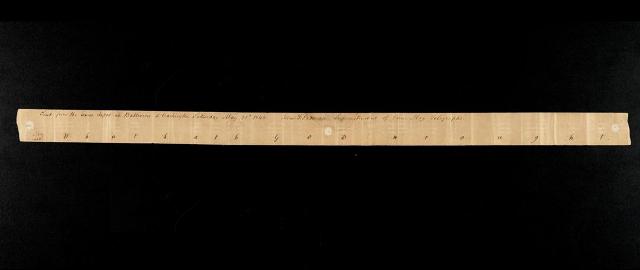
A Forgotten History: Alfred Vail and Samuel Morse
- Date: May 24, 2011
- Creator: Courtney Bellizzi
- Description: Access the official records of the Smithsonian Institution and learn about its history, key events, people, and research.

The Renwick Rises Again
- Date: November 19, 2015
- Creator: Pamela M. Henson
- Description: The Renwick Gallery has just reopened after a two-year renovation, reinventing itself yet again. Its history has mirrored the history of the nation.
Science Service, Up Close: The Microvivarium
- Date: May 12, 2015
- Creator: Marcel Chotkowski LaFollette
- Description: Today’s science museums build on the efforts of biologist George Roemmert (1892-1952), whose “Microvivarium” projected images of amoebas and other microscopic creatures.

Breach of Contract: Repairing the Walcott Indenture
- Date: March 17, 2016
- Creator: William Bennett
- Description: See how we preserved a recent arrival to the Archives.
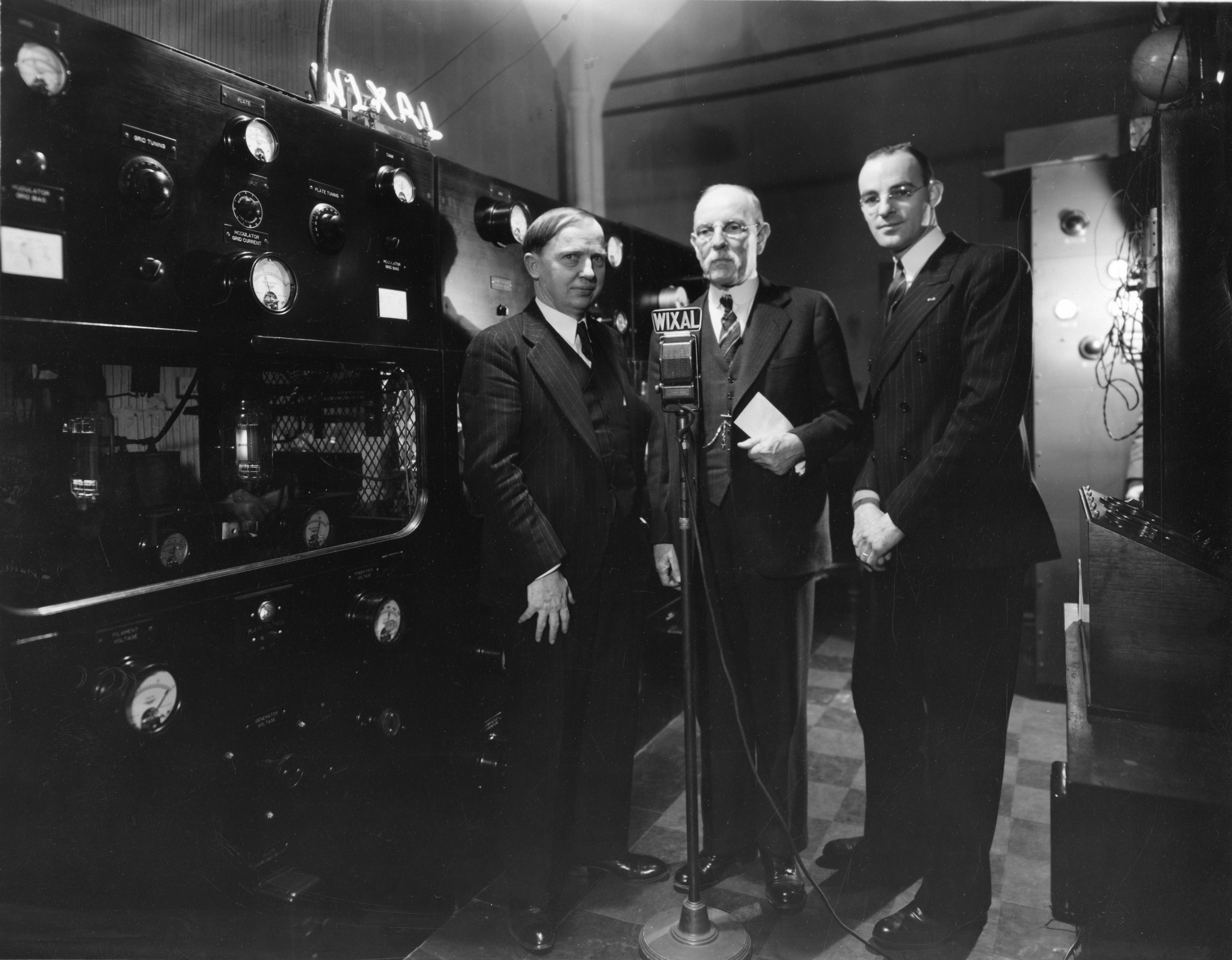
The World Is Yours: Smithsonian Annual Report of Scientific Progress
- Date: August 6, 2020
- Creator: Kira M. Sobers
- Description: Listen to reenactments of two articles that were published in the 1936 Smithsonian Annual Report as broadcast during The World Is Yours episode “Smithsonian Annual Report of Scientific Progress.”
- Blog Post
The Smithsonian’s First Radiometers
- Date: April 25, 2019
- Description: When curators at the Smithsonian National Museum of American History looked at seven radiometers in storage, they learned the instruments had been at the Smithsonian for nearly one hundred fifty years.
- Blog Post
Women in Science: What the Photos Say
- Date: March 20, 2009
- Creator: Effie Kapsalis
- Description: [caption width="189" caption="Wanda Margarite Kirkbride Farr (b. 1895), sitting in lab with microscope, Smithsonian Insitution Archives"][/caption] [caption id="attachment_238" width="162" caption="New Use for Light Reflector, National Museum of American History"][/caption]I was intrigued by a recent post on the National Museum of American History’s (NMAH) blog about the

The Smithsonian Secretaries: That Tall Man from New York, Part I
- Date: April 26, 2016
- Creator: Pamela M. Henson
- Description: A look at the characteristics of the thirteen individuals who have led the Smithsonian.