
Results for "Conservators"
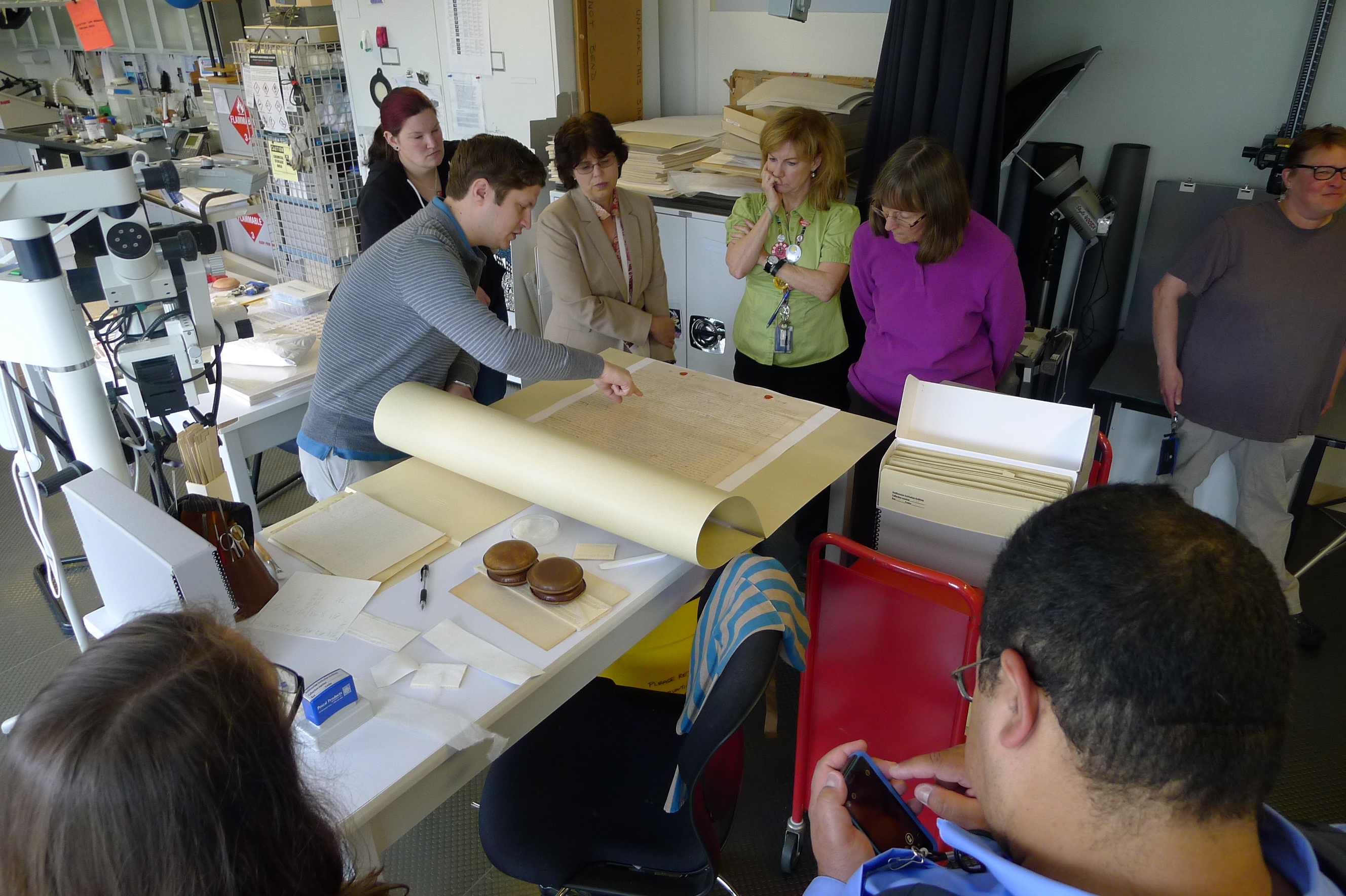
Some Conservator Career Advice
- Date: July 11, 2019
- Creator: William Bennett
- Description: So you want to be a conservator? In this continuation of our series on career advice, one of our conservators shares some advice for those looking to explore the professional field of cultural heritage conservation.
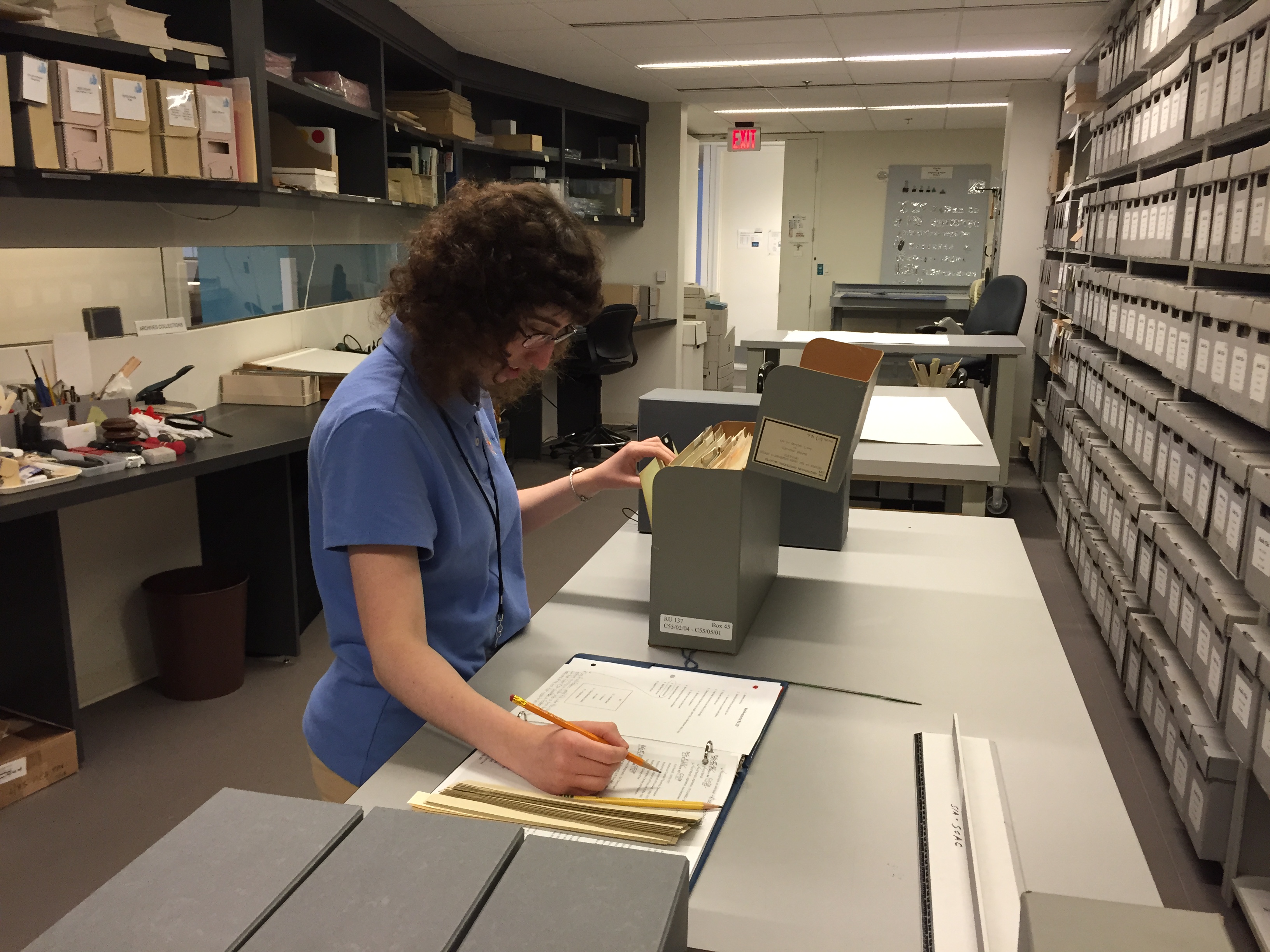
Project SEARCH Comes to the Archives
- Date: June 16, 2015
- Creator: William Bennett
- Description: This spring, the Archives welcomed Heather Weiss, a Project SEARCH intern, and as her time with us comes to an end, we wanted to highlight her accomplishments.
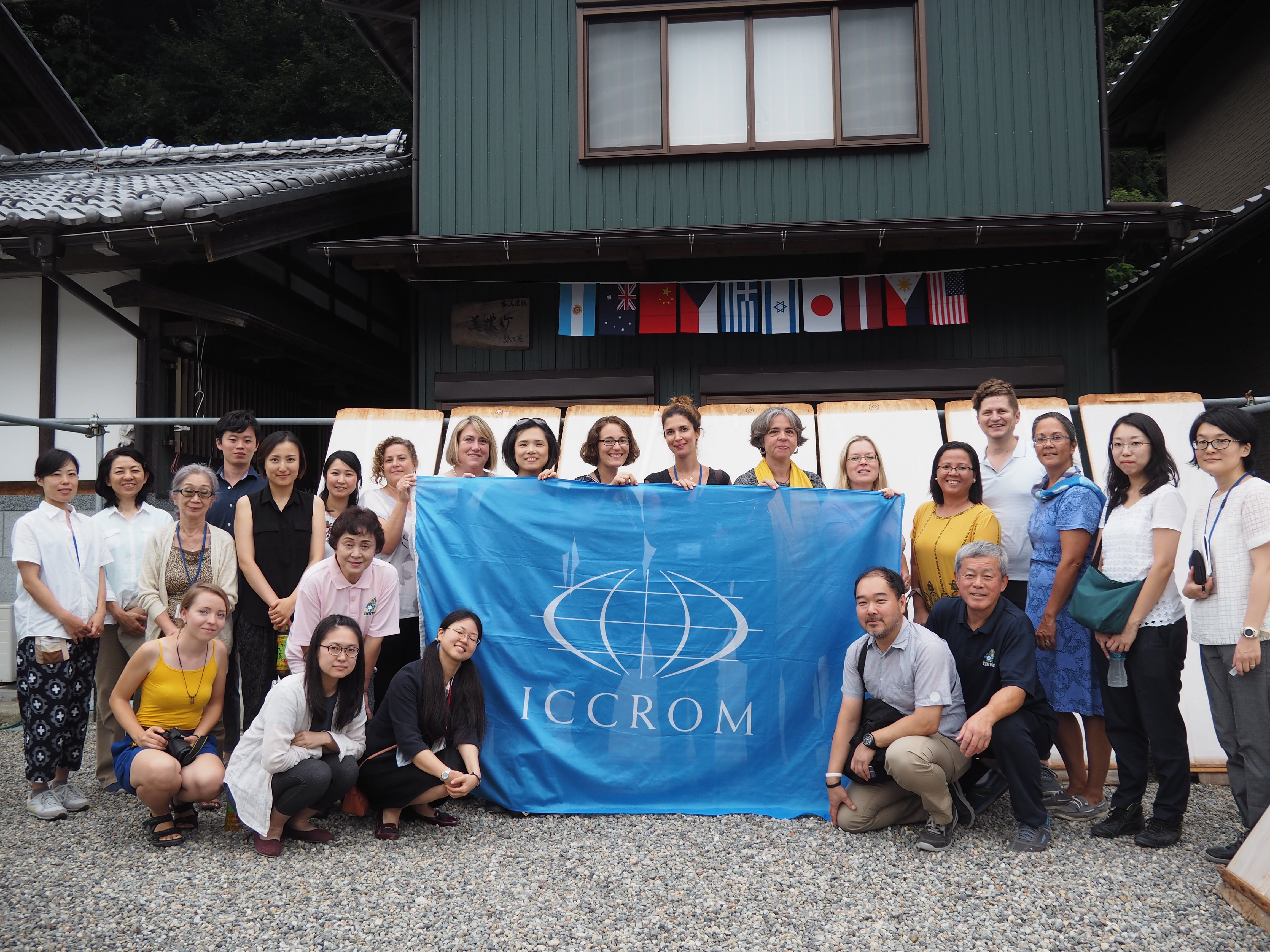
A Conservator Abroad: Paper Conservation in Japan
- Date: November 16, 2017
- Creator: William Bennett
- Description: Nearly two years ago, I first heard of a course on the conservation of Japanese paper co-organized by ICCROM, the cultural heritage arm of UNESCO, and the Tokyo National Research Institute for Cultural Properties (also known in Japanese as “Tobunken”). Over three weeks, the course offered a first-hand look at the traditional Japanese conservation techniques, materials, and
- Blog Post
Not Restarting, Starting Over: New Workflows for a New “Normal”
- Date: August 24, 2021
- Creator: William Bennett
- Description: Being away from the office for over a year has given us a lot of opportunity to think about what workflows will look like once we are able to return to our collections, especially for conservation and digitization.

Field Books Go to Oxford!
- Date: October 23, 2018
- Creator: William Bennett
- Description: See how our conservation staff are sharing treatment ideas with colleagues across the world.
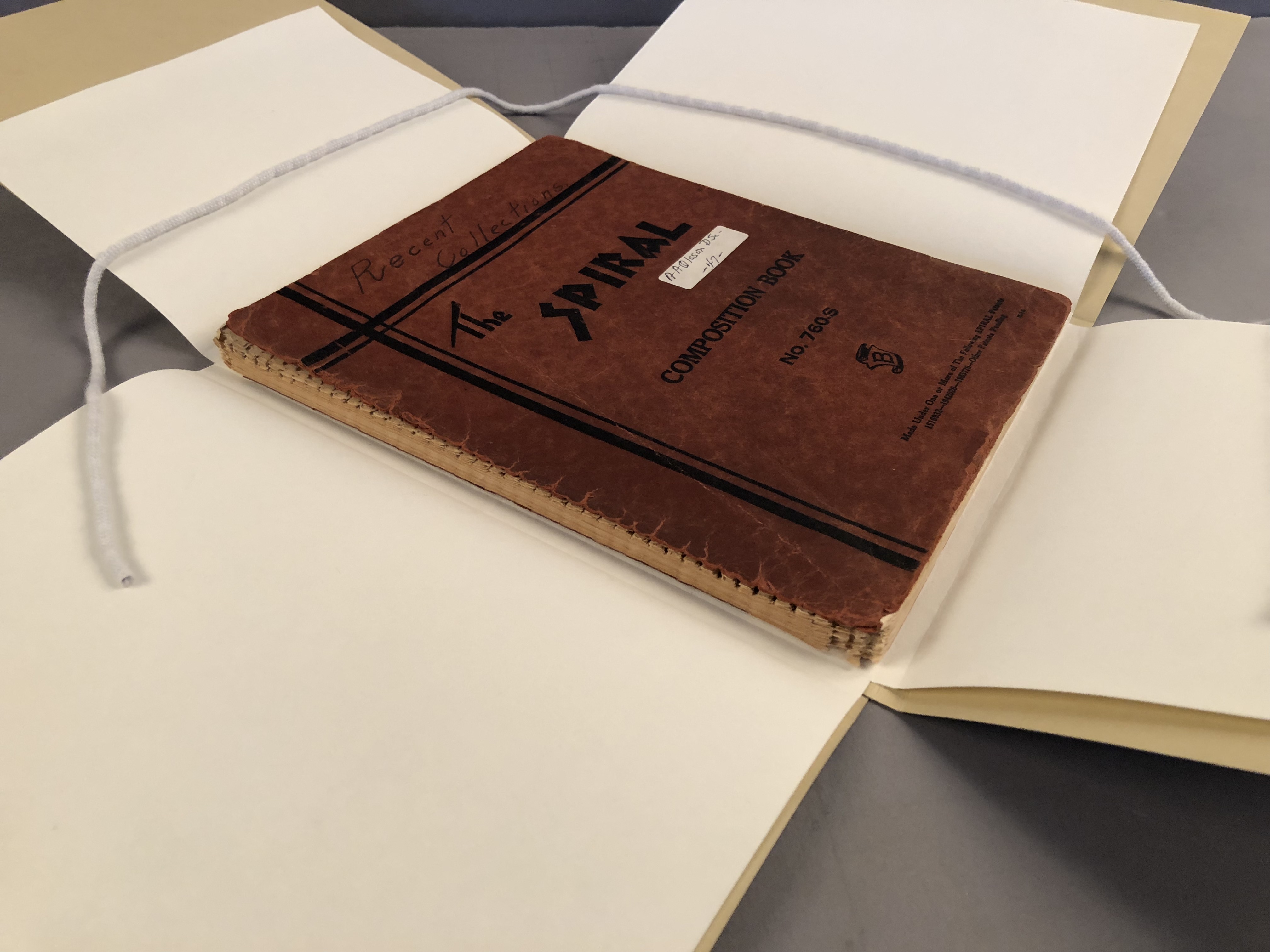
A Close-up with Field Book “Specimens”
- Date: December 26, 2017
- Creator: William Bennett
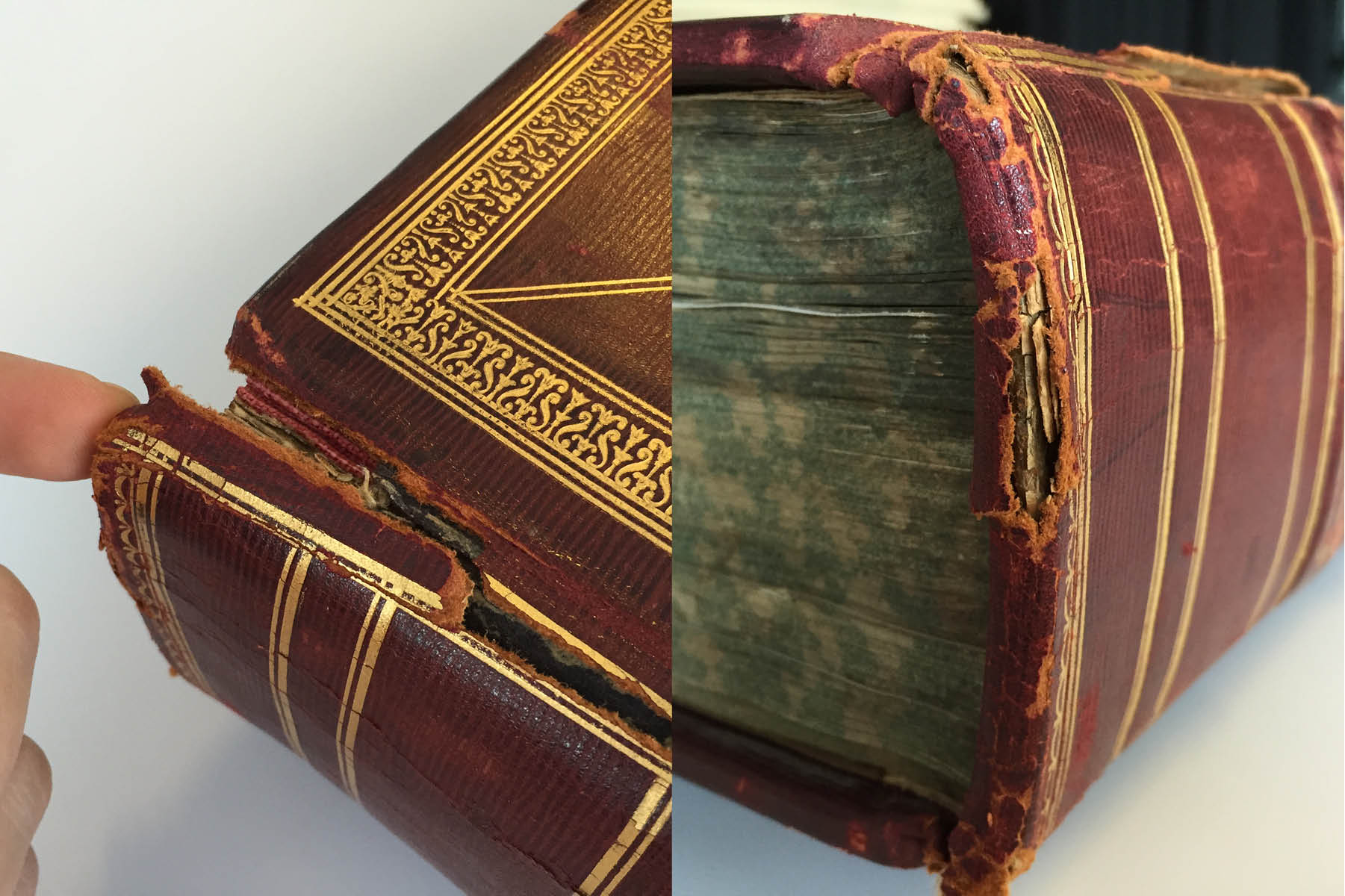
- Description: The Smithsonian’s Field Book Project is a continuous fount of work for both our digitization crew here at the Archives and for me as the conservator in charge of the project’s physical needs. Over the past several weeks I have worked on a variety of field books with different structures and treatment requirements, and will share a few of the most common features I’ve seen in

Preserve It While You Use It: Collections Care in Action
- Date: April 28, 2015
- Creator: William Bennett
- Description: It’s Preservation Week - see what conservation staff at the Smithsonian Institution Archives are doing to contribute to preservation-mindedness.
- Blog Post
Conserving Harper’s Three-for-One Field Book
- Date: August 24, 2017
- Creator: William Bennett
- Description: Though a large part of our collections are flat—that is, they are unbound materials as opposed to bound, three-dimensional objects—a significant group of our holdings do live in bindings and book structures (some of my previous blog contributions have dealt with books, but none with as great a degree of intervention). Treating a field book became more complicated—and more
Conference Round-up: the Archives at AIC Houston
- Date: June 5, 2018
- Creator: William Bennett
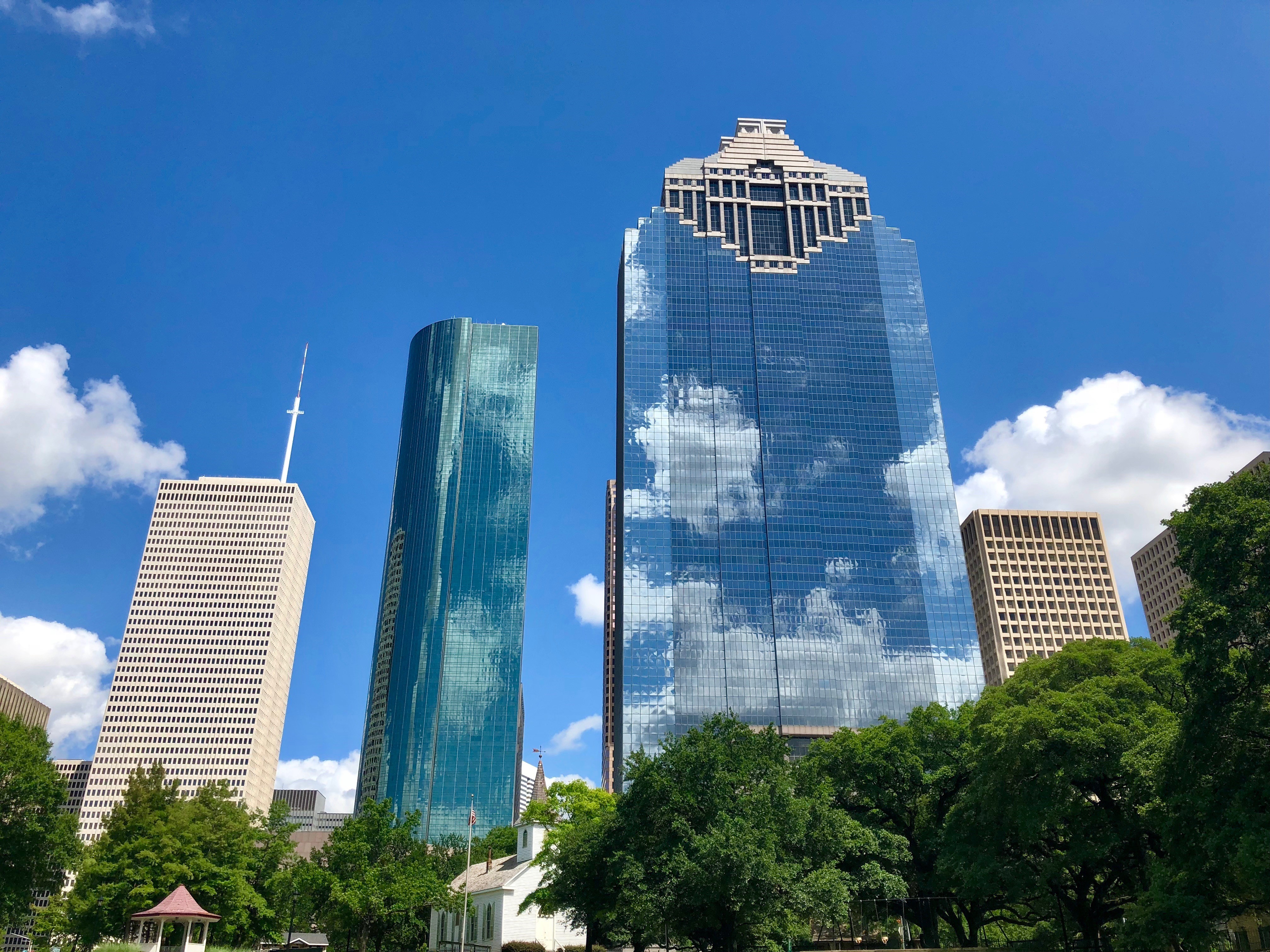
- Description: As we teased earlier this spring in our Facebook Live event, last week Senior Conservator Nora Lockshin and I traveled to Houston, Texas, to share our work with conservation colleagues at the 46th annual meeting of the American Institute of Conservation (AIC). Our contributions centered around work with the Field Book Project, as did our Facebook Live.Another successful
Re-mounting the American Bison
- Date: February 25, 2016
- Creator: William Bennett
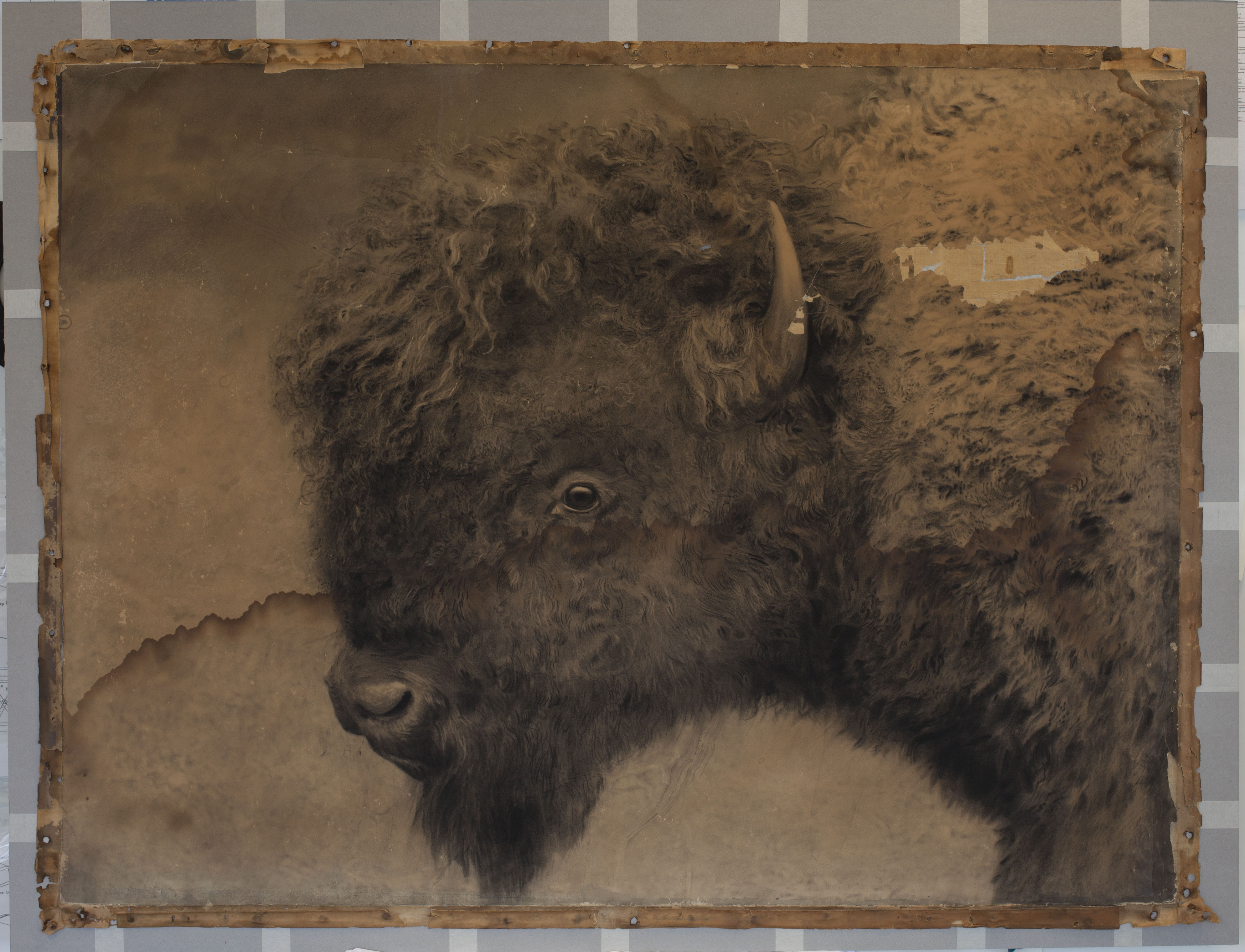
- Description: One of our recent projects, these photographic crayon enlargements, associated with founder of the National Zoo William Temple Hornaday, were made on sensitized paper that was then adhered to a linen “canvas” stretched around wooden frames. The paper had become brittle, and handling at some point in the past led to a number of punctures and tears through both the paper and the
Bison Lost, Bison Found
- Date: February 23, 2017
- Creator: William Bennett
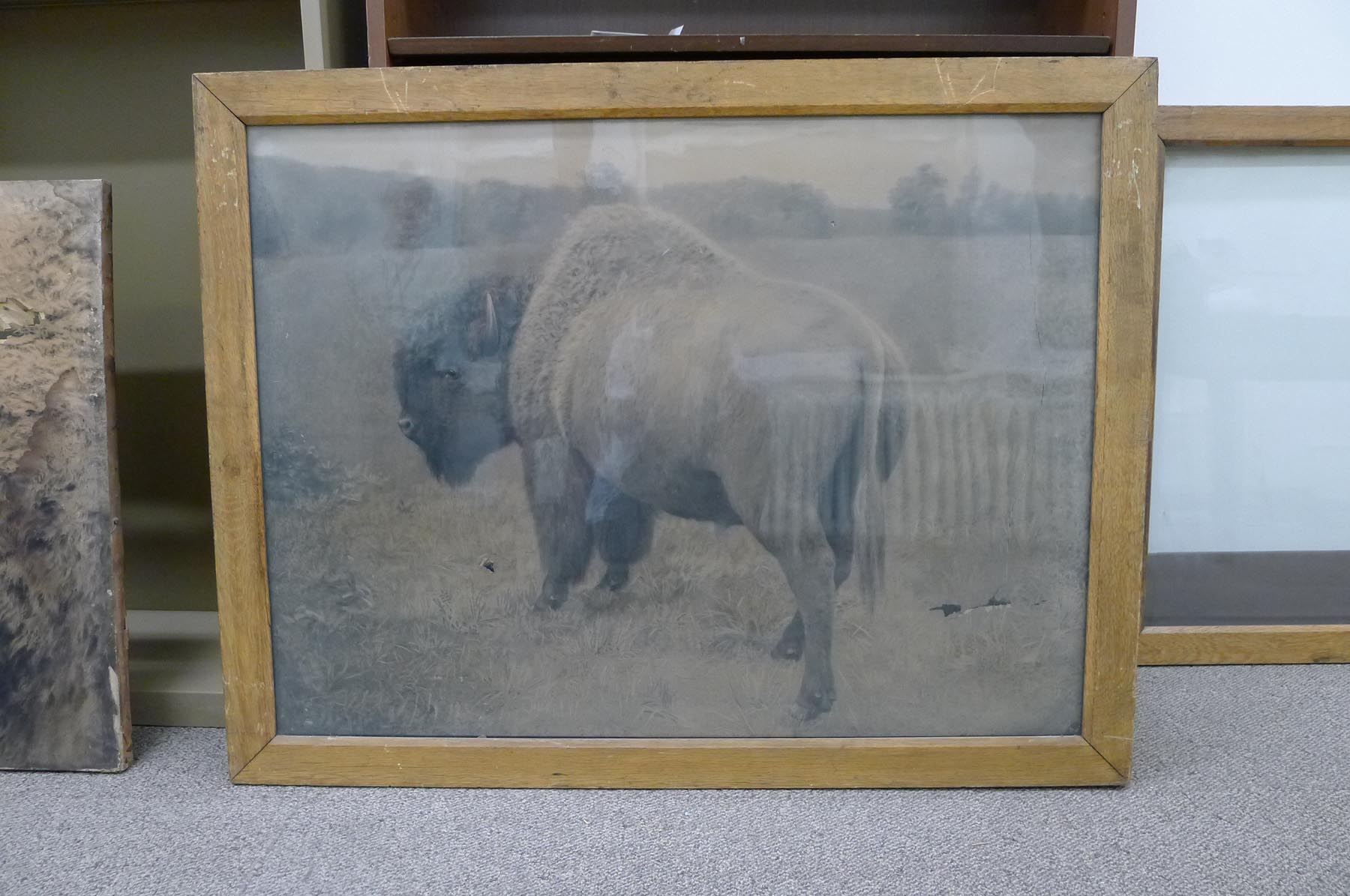
- Description: Join us as we recount how the Archives’ crayon enlargements depicting American bison were traced back to their probable origin.
Minute by Minute: Preparing Board of Regents Records for Digitization
- Date: September 10, 2015
- Creator: William Bennett
- Description: Take a look behind the scenes at the Archives as conservation staff prepares one of our important collections for digitization.