
Results for "Conservation International"
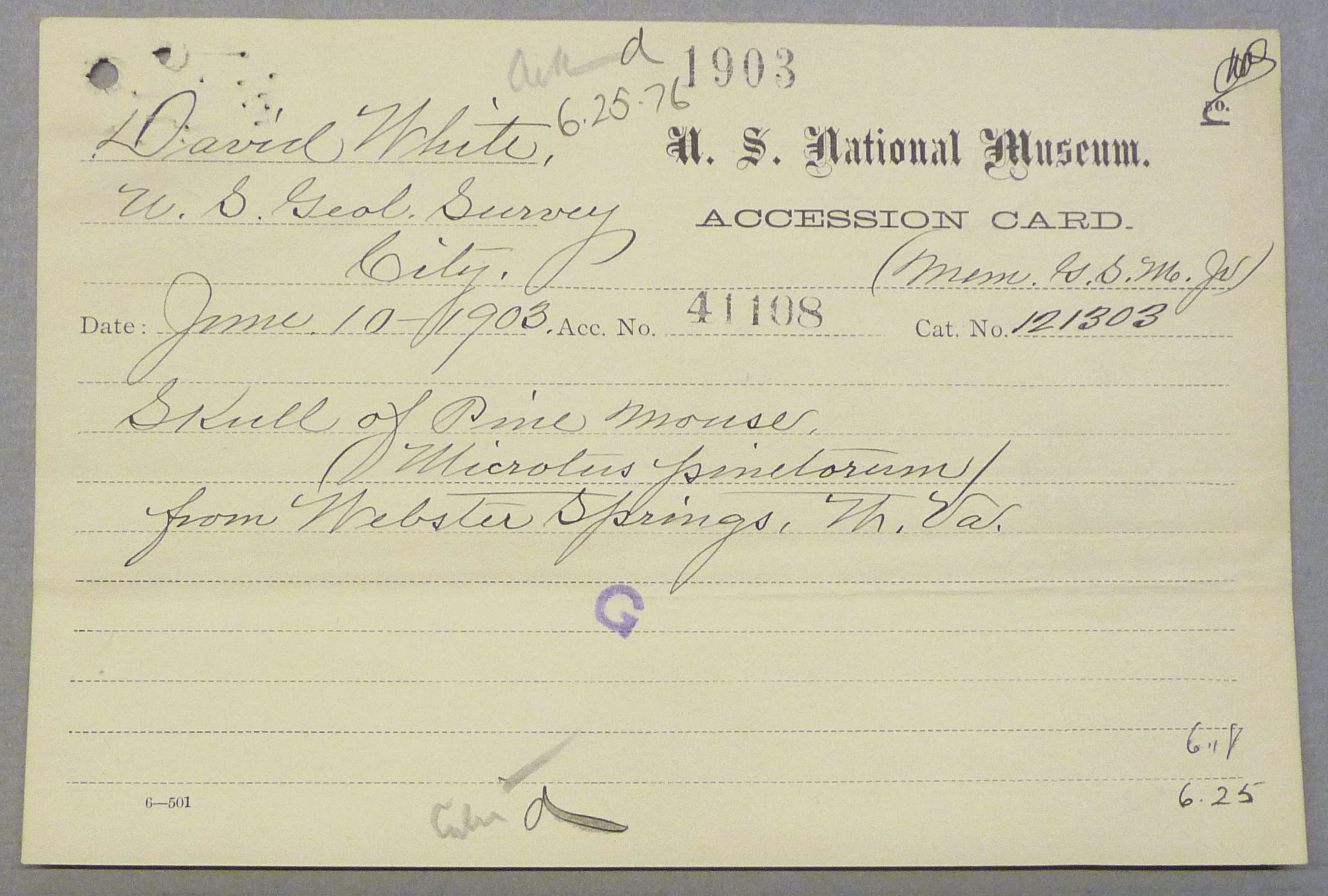
Scared to Death?: The Curious Case of a Pine Mouse
- Date: August 14, 2012
- Description: “Can a Rattlesnake hypnotize a Pine Mouse to death”? Questions from a typical day of treatment for a Pre-Program Paper Conservation Intern.
- Blog Post
Taking Care of Our Own
- Date: September 30, 2010
- Description: It was brilliant to work at the Smithsonian Institution Archives (SIA) this past summer as a conservation intern helping to restore damaged books from SIA’s Reference Room. This primary research library includes many histories and annals published by the Smithsonian from the 1880s through the 20th century, and in the process of learning different ways to conserve some of them,
- Webpage
Conservation
- Date: March 14, 2011
- Description: Access the official records of the Smithsonian Institution and learn about its history, key events, people, and research.
- Blog Post
Unity for International Migratory Bird Day
- Date: May 10, 2018
- Creator: Matt Peterson
- Description: The theme of this year’s International Migratory Bird Day is unity. The Smithsonian has a longstanding history of commitment to the natural world. No figure in the Institution’s history better exemplifies the theme of unity surrounding migratory species than sixth Smithsonian Secretary and ornithologist Alexander Wetmore. He knew the importance of the role that birds play in
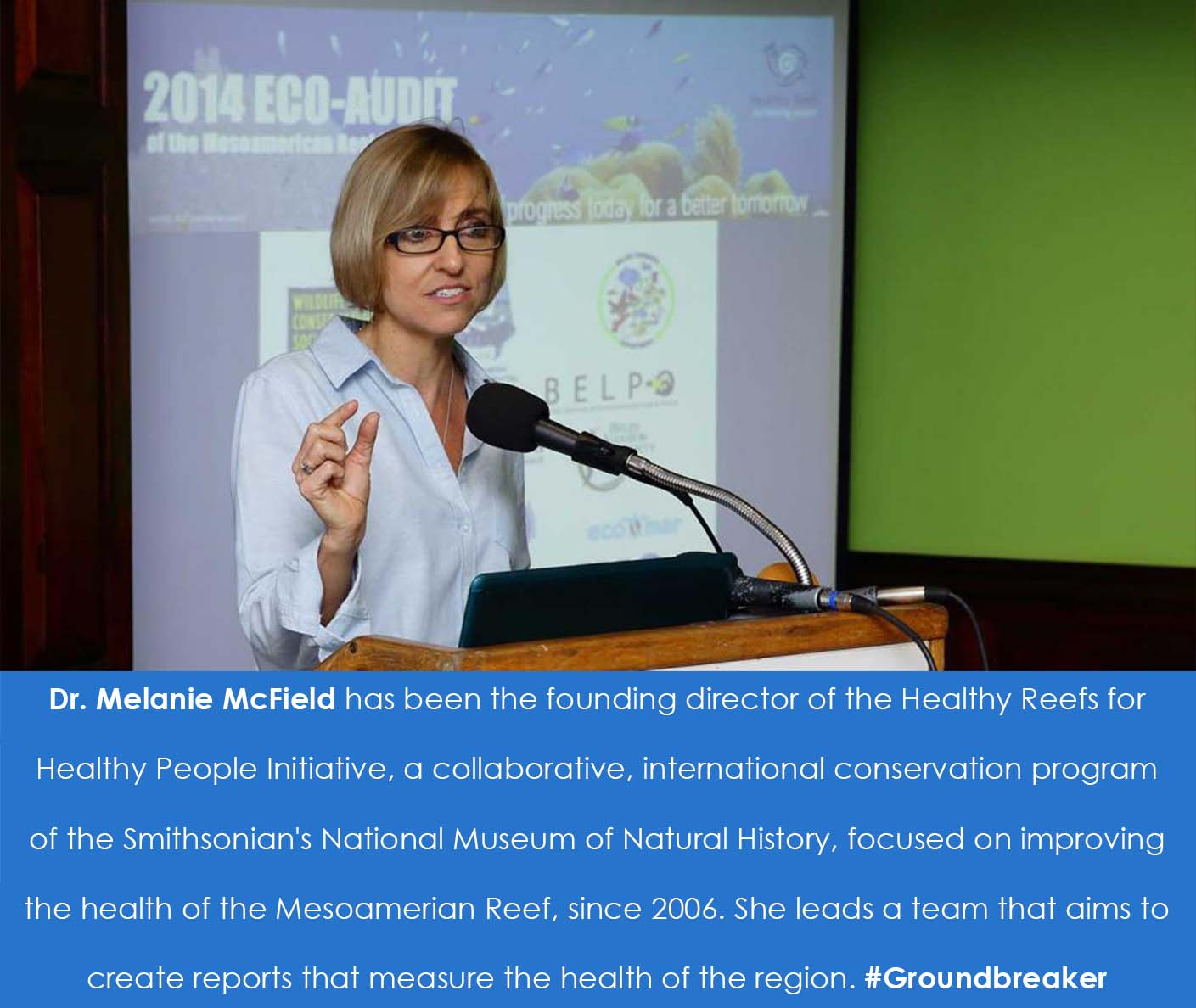
Wonderful Women Wednesday: Dr. Melanie McField
- Date: March 18, 2020
- Creator: Emily Niekrasz
- Description: Dr. Melanie McField is the founding director of the Healthy Reefs for Healthy People Initiative, a collaborative, international conservation program of the Smithsonian's National Museum of Natural History, focused on improving the health of the Mesoamerian Reef, since 2006. She leads a team that aims to create reports that measure the health of the region. #Groundbreaker
- Finding Aid
SIA RU000091, Smithsonian Institution Office of International Activities, Records, 1963-1969
- Date: 1963 1963-1969
- Creator: Smithsonian Institution. Office of International Activities
- Creator: Smithsonian Institution Archives
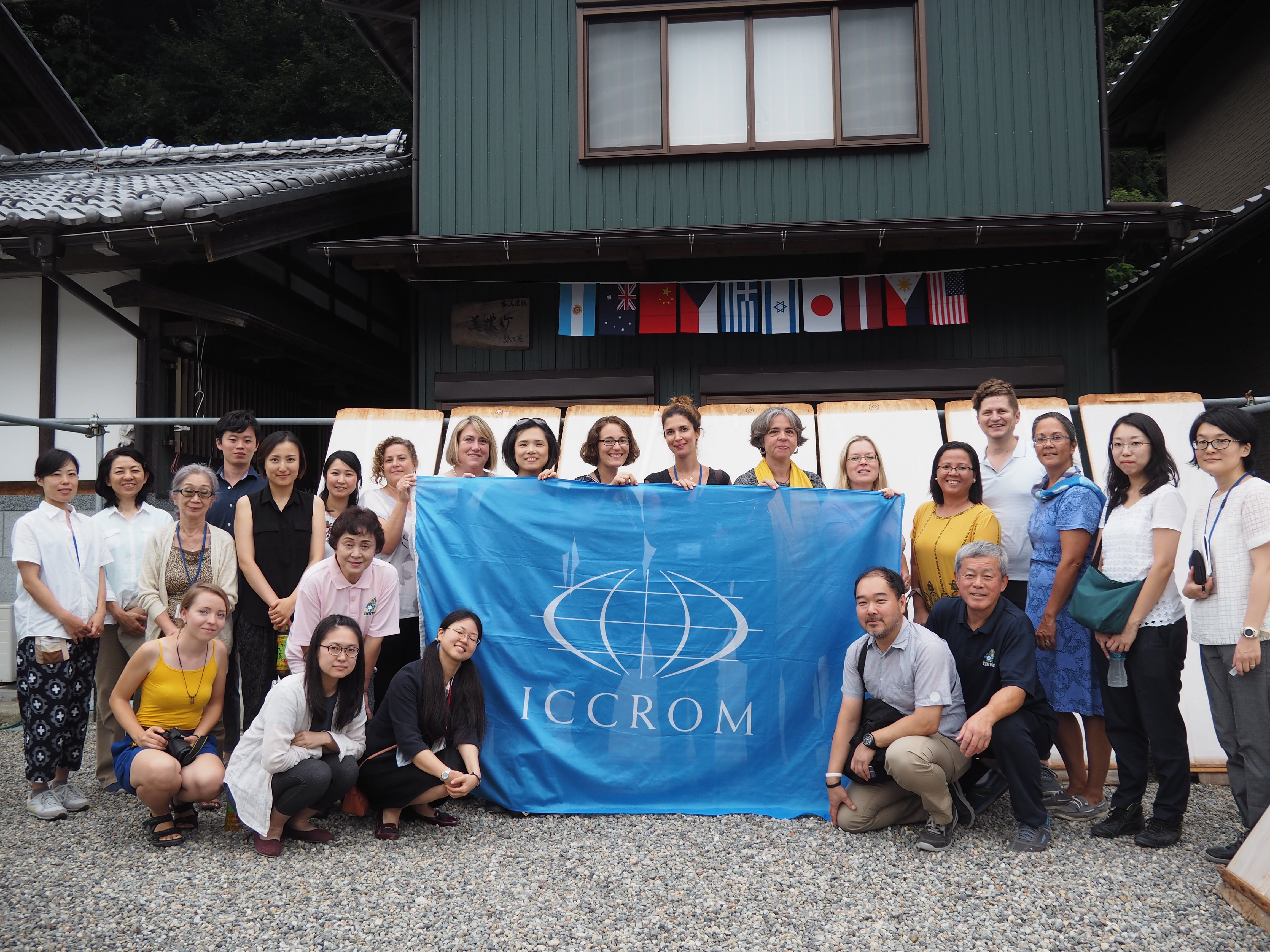
A Conservator Abroad: Paper Conservation in Japan
- Date: November 16, 2017
- Creator: William Bennett
- Description: Nearly two years ago, I first heard of a course on the conservation of Japanese paper co-organized by ICCROM, the cultural heritage arm of UNESCO, and the Tokyo National Research Institute for Cultural Properties (also known in Japanese as “Tobunken”). Over three weeks, the course offered a first-hand look at the traditional Japanese conservation techniques, materials, and
- Finding Aid
SIA Acc. 99-111, Smithsonian Institution Office of International Relations, Country Files, circa 1992-1998
- Date: 1992 1992-1998 circa 1992-1998
- Creator: Smithsonian Institution. Office of International Relations
- Creator: Smithsonian Institution Archives

The Journey to Recovery: A Tale of Earthquake Damage and Repair in Haiti
- Date: February 23, 2012
- Description: The story of the damage context and advanced treatment of a Stivenson Magloire painting broken into fragments by the 2010 Haiti earthquake.
- Blog Post
“A Wildlife Paradise”: International Collaboration on the DMZ Ecology in the 1960s
- Date: November 12, 2019
- Description: The DMZ ecology project reveals the Smithsonian’s commitment to ecological research programs as well as the complexity and contingency of an international collaboration.

Here at the Smithsonian: Art Conservation
- Date: January 26, 2021
- Creator: Alison Reppert Gerber
- Description: Check out these two newly-available clips from Here At The Smithsonian!
- SI History Bibliography
The View From the Castle: A recently framed international convention gives the world's endangered wildlife its best chance yet--if the nations ratify it soon
- Date: June 1973 1973
- Creator: Ripley, Sidney Dillon 1913-2001
- Creator: Ripley, Sidney Dillon 1913-2001