
Results for "Communication: It's More Than Sound (Motion picture : 1982)"
Happy 2019! The Archives Takes a Look Back at a Busy 2018
- Date: January 1, 2019
- Creator: Emily Niekrasz
- Description: Before the Archives gears up for new projects in 2019, we’re looking back at our accomplishments and highlights in 2018.

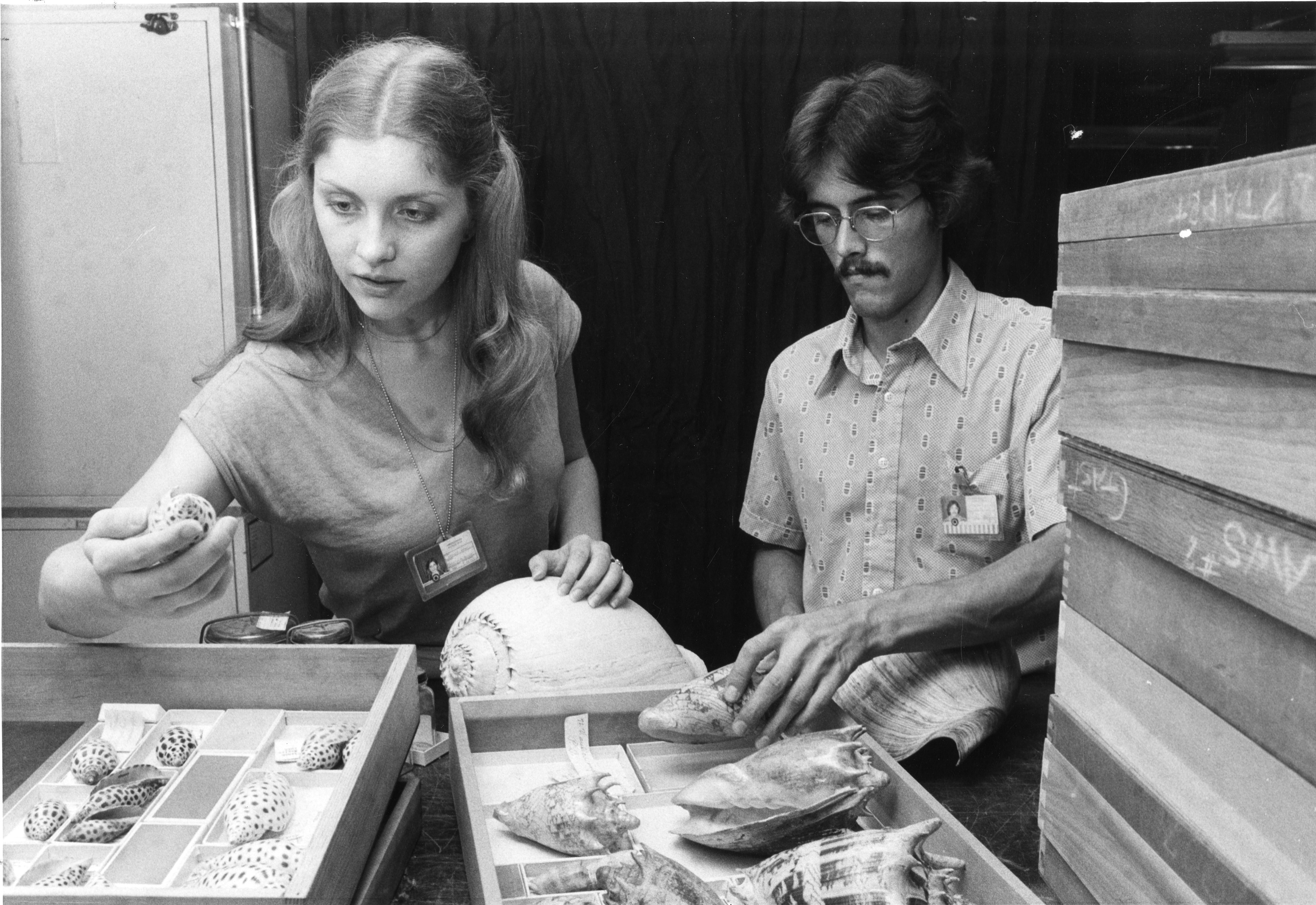
Rolling Up Our Cardigans with Record Unit 95
- Date: June 4, 2019
- Creator: Emily Niekrasz
- Description: Thanks to a generous grant from the Smithsonian Women’s Committee, the Archives will digitize, catalog, and make available 7,500 historic photographs of the Smithsonian from Record Unit 95.

M*A*S*H: Binding Up the Exhibit
- Date: July 30, 2019
- Creator: Emily Niekrasz
- Description: Thirty-six years ago today, M*A*S*H: Binding Up the Wounds opened at the Smithsonian National Museum of American History, and the response was overwhelming.
Celebrating the Smithsonian Centennial
- Date: July 20, 2021
- Creator: Emily Niekrasz
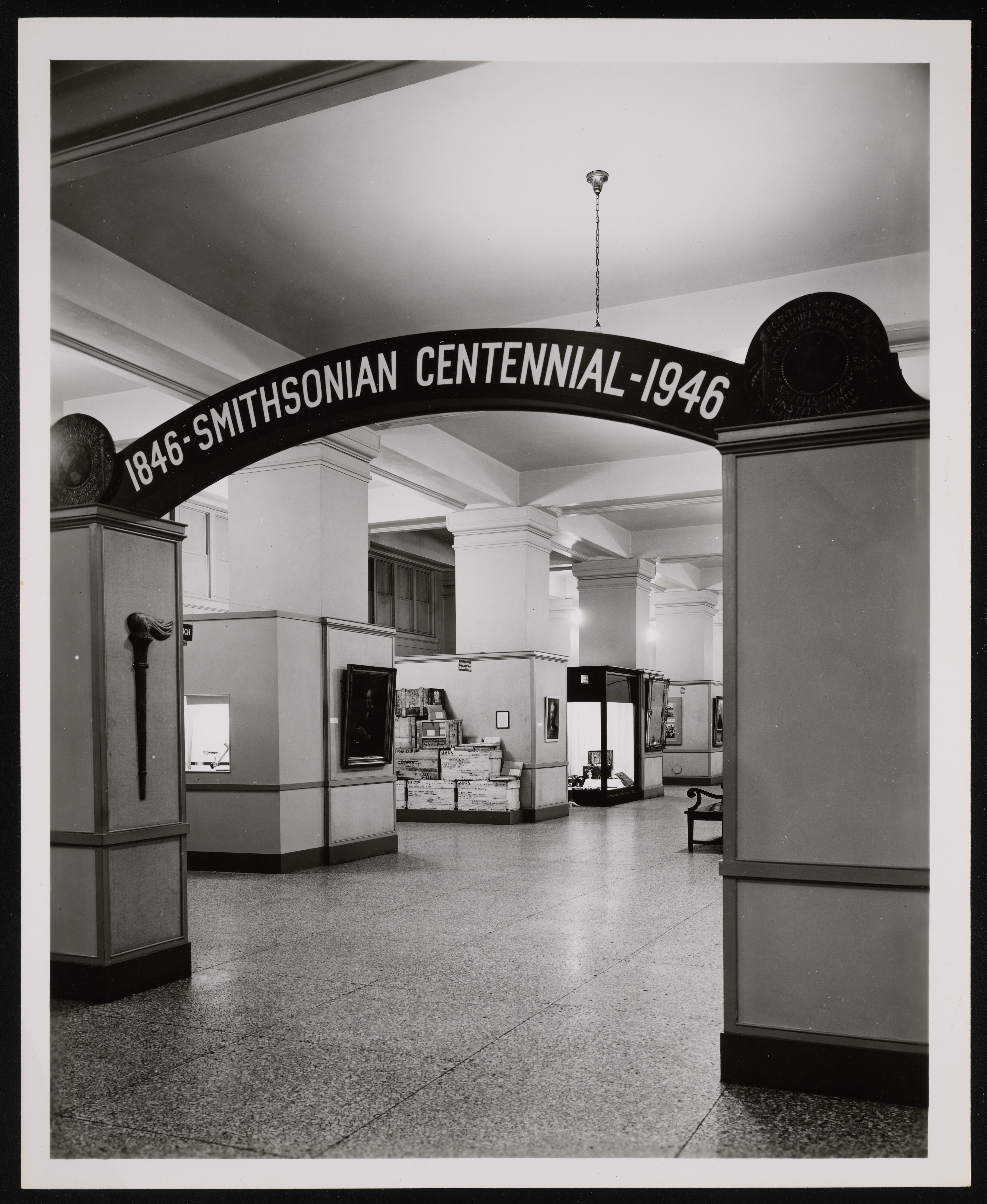
- Description: In August 1996, the Smithsonian marked its 150th anniversary with a huge birthday celebration on the National Mall. For its sesquicentennial, a term which this author constantly forgets no matter how many times she looks it up, the Institution threw itself a two-day birthday party, sprinkled with special exhibit tents, concerts, nineteen birthday cakes, a special website, and

Festival of American Folklife 1996: Working at the Smithsonian
- Date: June 2, 2022
- Creator: Emily Niekrasz
- Description: At the 1996 Festival of American Folklife, Smithsonian staff and volunteers conducted oral history interviews with colleagues about their memories of working for the Smithsonian. To celebrate the Smithsonian’s 175th anniversary, we’re sharing clips from three of those interviews.

#AskAnArchivist 2020: Sharing From Home
- Date: October 8, 2020
- Creator: Emily Niekrasz
- Description: You asked. We answered. On October 7, 2020, six Archives staff members were excited and ready to answer questions on Twitter and Instagram for #AskAnArchivist Day.
- Blog Post
We Don't Know about You, But We’re Feeling (20)22
- Date: December 30, 2021
- Creator: Emily Niekrasz
- Description: Despite another year of telework and limited physical access to our collections, the Smithsonian Institution Archives has continued to serve our researchers and share more of our collections with the public.
Revisiting The Right to Vote
- Date: October 29, 2020
- Creator: Emily Niekrasz
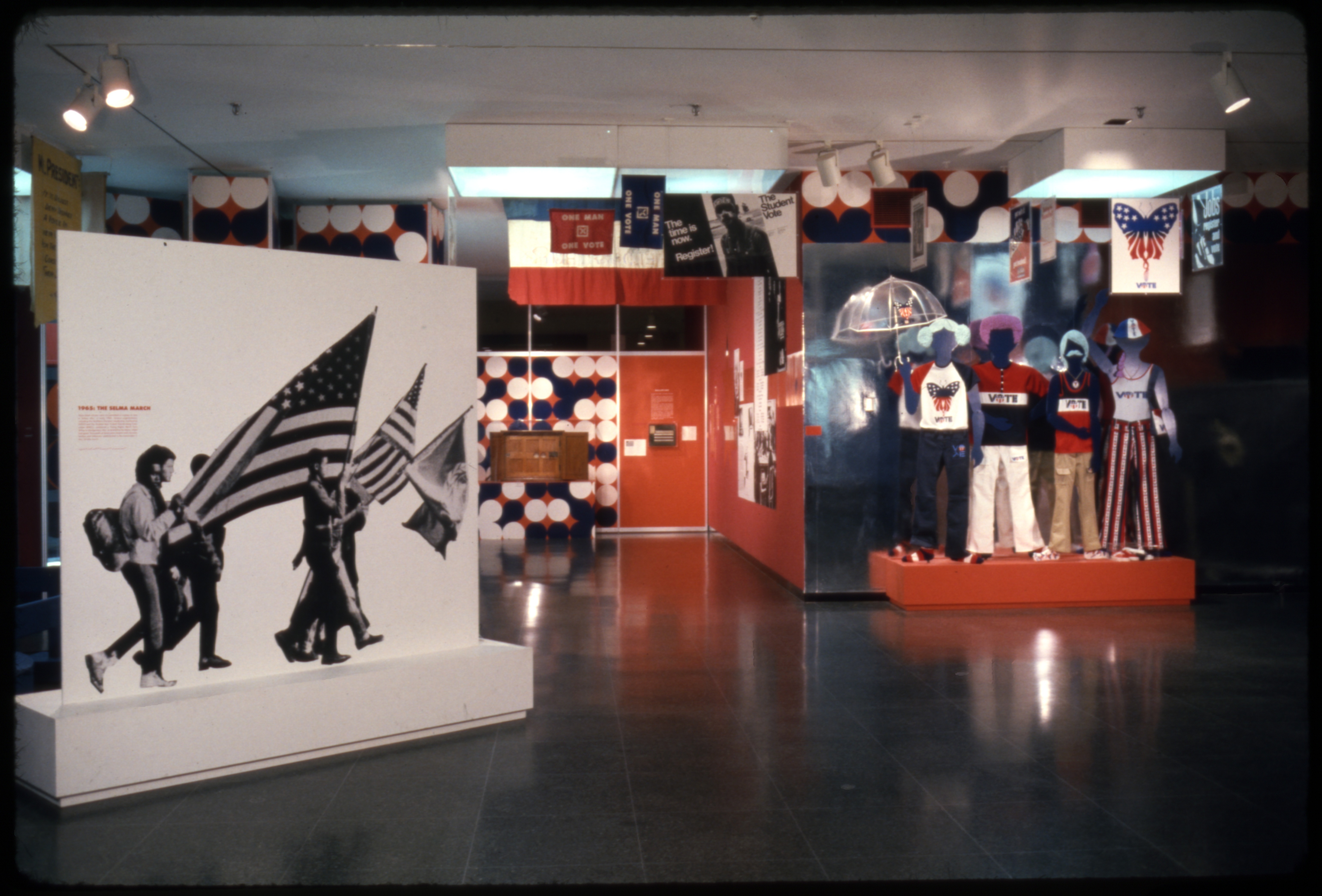
- Description: With the election only days away, we’re taking a look back at The Right to Vote at Smithsonian’s National Museum of History and Technology, 1972–74.
#AskAnArchivist 2019: The Year of the GIF
- Date: October 3, 2019
- Creator: Emily Niekrasz
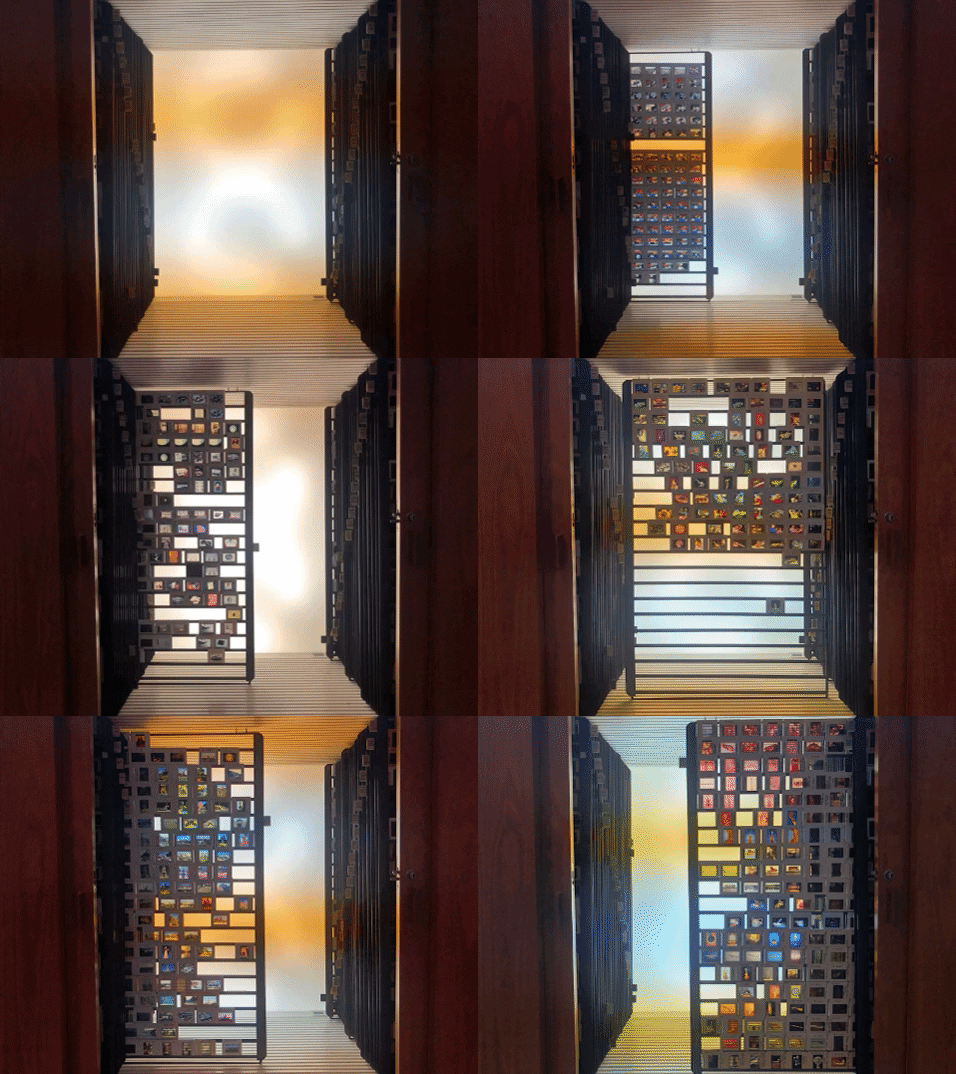
- Description: You asked. We answered. On October 2, 2019, five Archive staff members were excited and ready to answer questions on Twitter and Instagram for #AskAnArchivist Day.
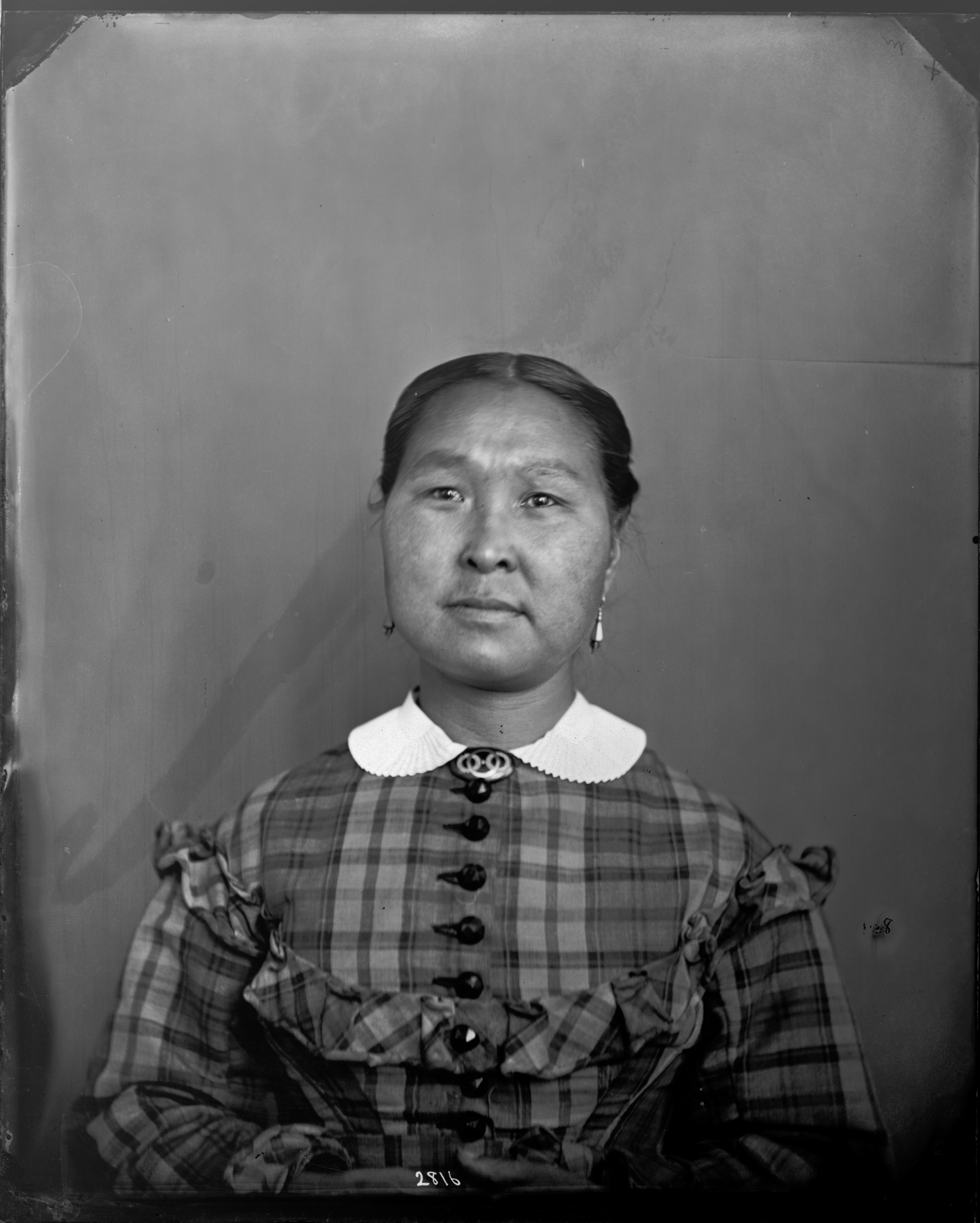
Archives Puzzles: Traveling with Taqulittuq
- Date: September 13, 2021
- Creator: Emily Niekrasz
- Description: Have a little fun with images from our collections that have been designated as open access. Anyone can now download, transform, share, and reuse millions of images as part of Smithsonian Open Access.

Dorothy Rosenberg: "A Low-keyed Dynamo"
- Date: September 16, 2021
- Creator: Emily Niekrasz
- Description: As an administrative officer to two Assistant Secretaries and as executive assistant to Secretary Ripley, Dorothy Rosenberg was the backbone behind the Smithsonian’s top offices between 1959 and 1980.

Throwback Thursday, Smithsonian-Style
- Date: December 20, 2018
- Creator: Emily Niekrasz
- Description: Slide back through time by exploring historic Smithsonian spaces in these before-and-after shots