
Results for "Archives of American Art. Southwest Project"
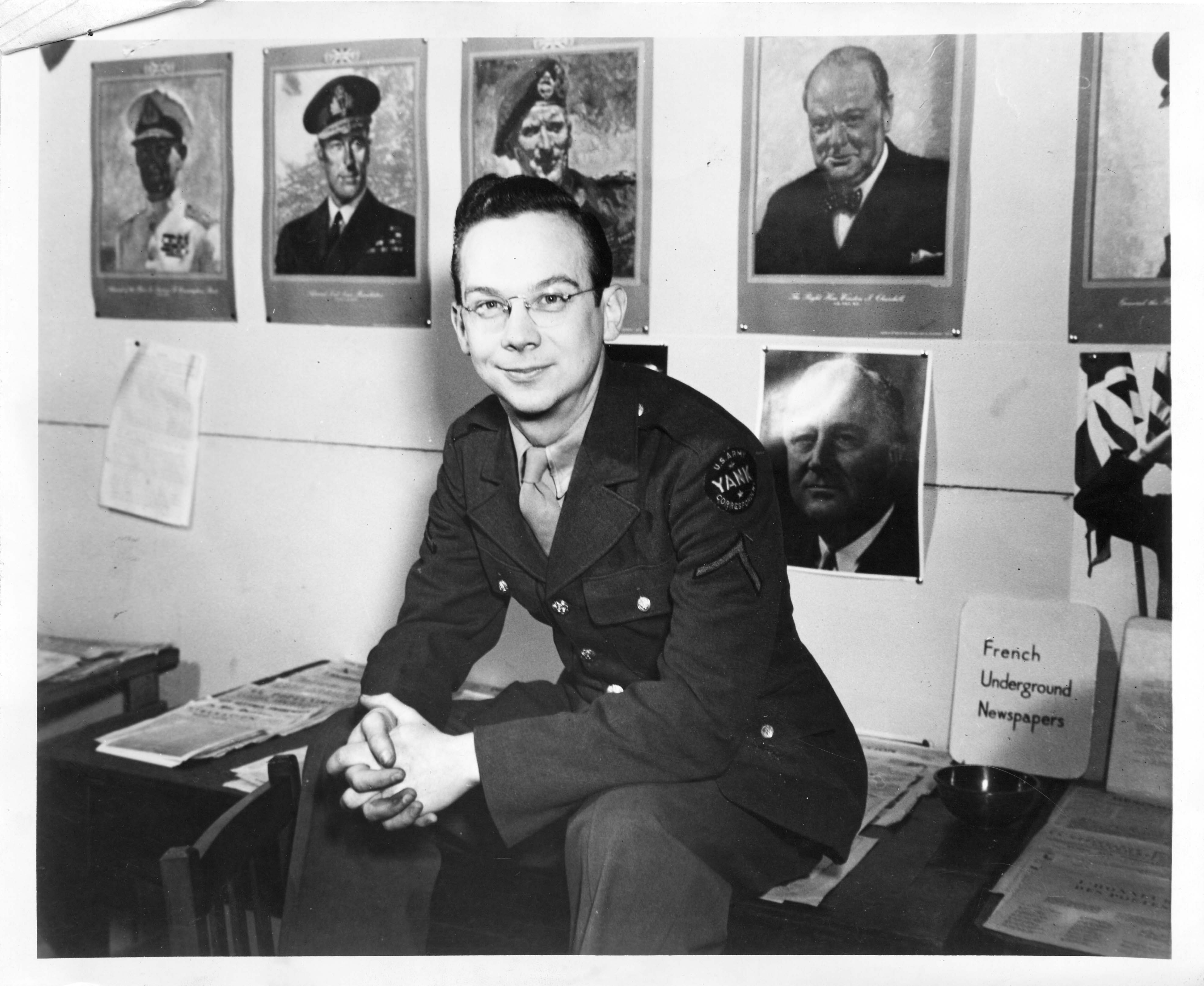
Science Service, Up Close: At the Front - War Correspondents and Cartoonists
- Date: August 27, 2015
- Creator: Marcel Chotkowski LaFollette
- Description: War correspondents and cartoonists amongst the Science Service collections at the Smithsonian Institution Archives.
- Blog Post
Science Service, Up Close: Father’s Day “Gene-ius”
- Date: June 13, 2019
- Creator: Marcel Chotkowski LaFollette
- Description: To celebrate Father’s Day 2019, here are three photographs of famous fathers and sons in biology and physics.
- Blog Post
Science Service, Up Close: Field Work at Yellowstone
- Date: July 2, 2015
- Creator: Marcel Chotkowski LaFollette
- Description: Who is the man at right, standing in Yellowstone National Park with Dutch geologist Henrik Albertus Brouwer?
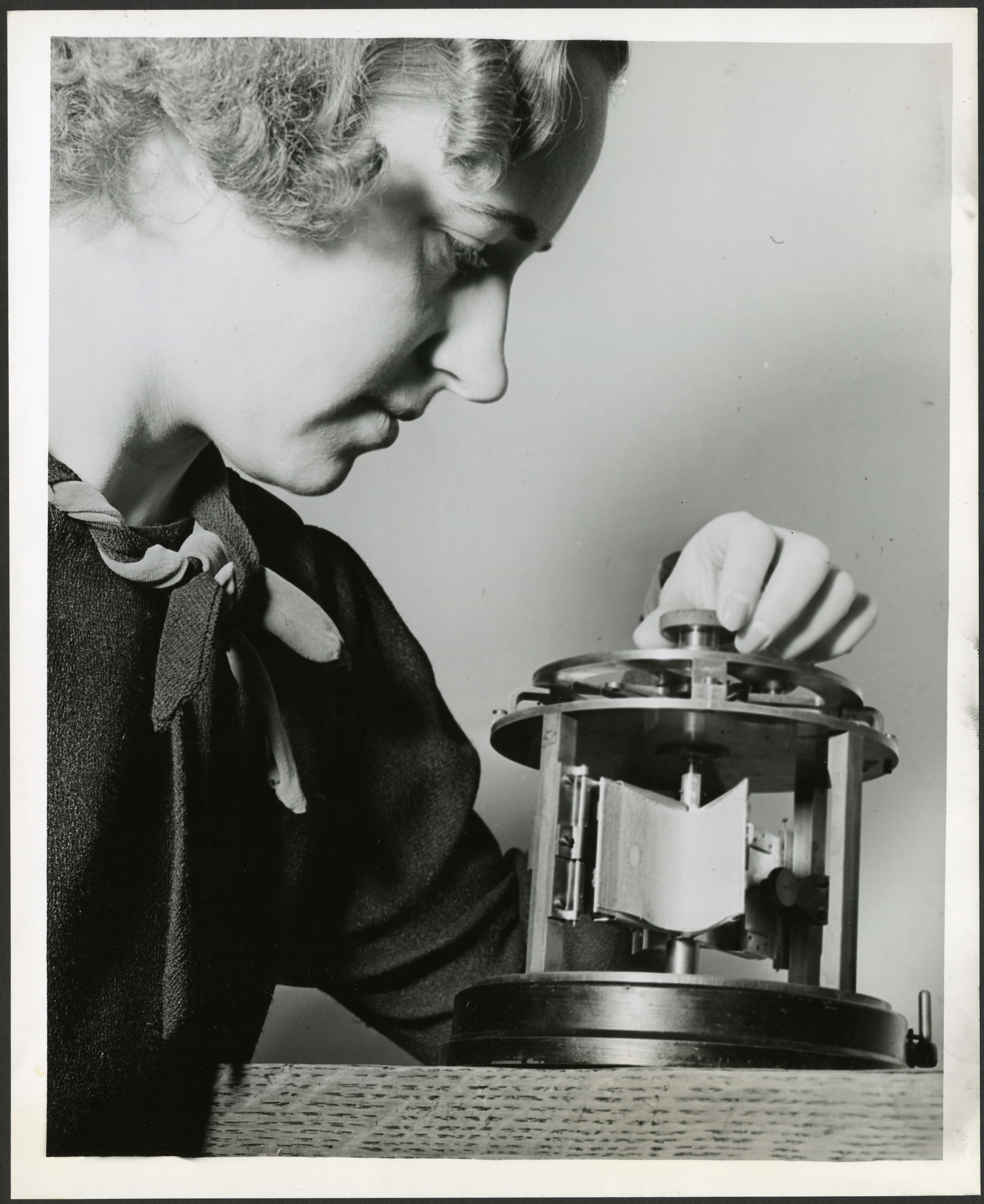
Science Service, Up Close: Ruby K. Worner
- Date: November 12, 2015
- Creator: Marcel Chotkowski LaFollette
- Description: A look at the brilliant work and sharp insight of a trailblazing woman chemist, Ruby K. Worner.

Science Service, Up Close: George Sarton, Watson Davis, and “Panache”
- Date: June 23, 2016
- Creator: Marcel Chotkowski LaFollette
- Description: For historians of science, the name “Sarton” resonates like a deep-throated bell. Isis, the international journal that chemist and mathematician George Sarton (1884-1956) founded in Belgium in 1913, is now the premier publication of the History of Science Society. The field he envisioned is flourishing as well as continually responding to changes in science and its social
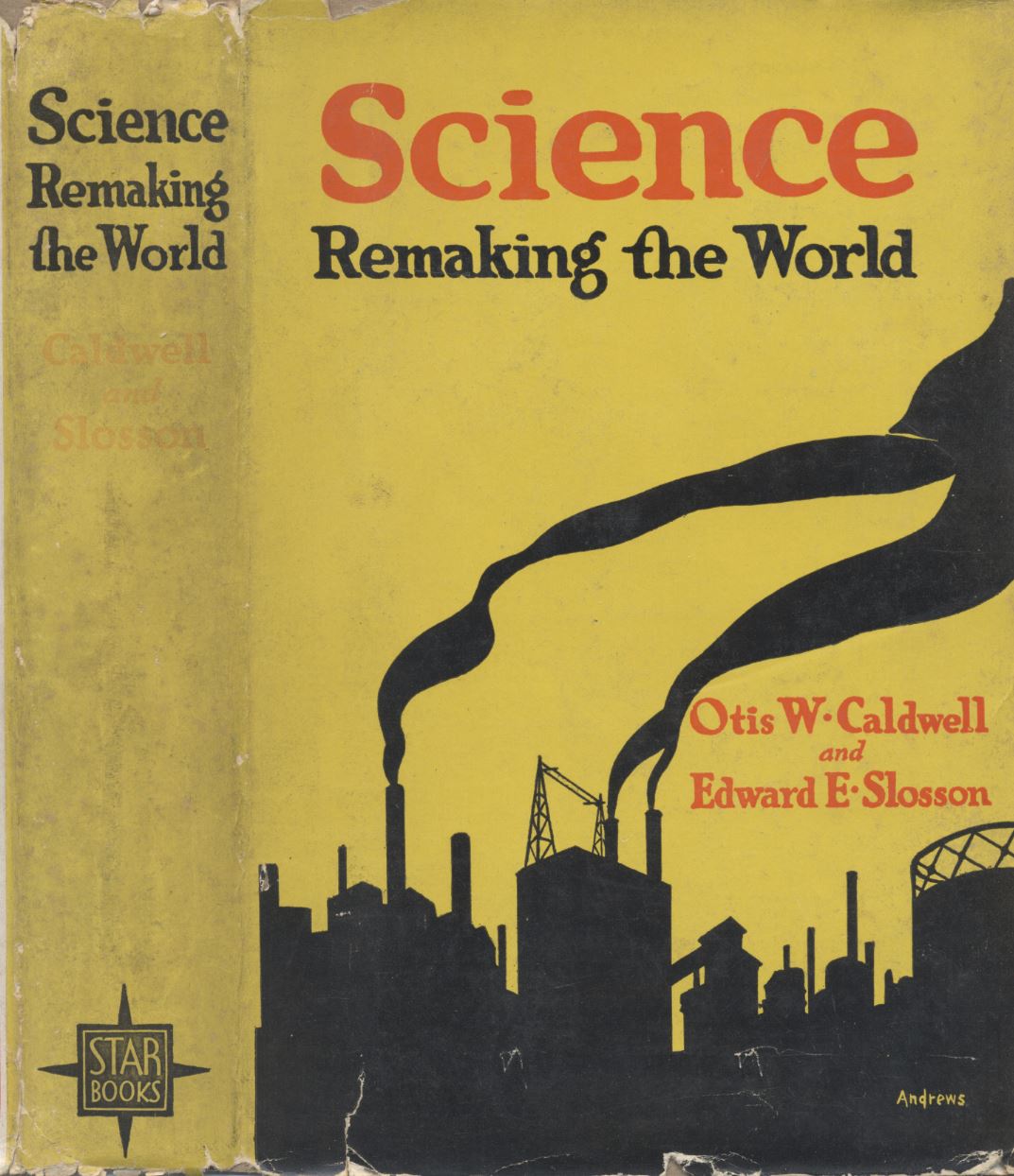
Science Service, Up Close: Books, Readers, and Recommendations
- Date: December 3, 2015
- Creator: Marcel Chotkowski LaFollette
- Description: Need a new book to read? Look no further than these recommendations from Smithsonian Science Service staff writers during the 1920s and 1930s.

Science Service, Up Close: Watson Comes Home
- Date: October 6, 2015
- Creator: Marcel Chotkowski LaFollette
- Description: After successfully completing his 1925 European business trip, 29-year-old Watson Davis headed home on the S.S. Republic, boarding at Cherbourg, France, on October 2. The science journalist had covered the annual meeting of the British Association for the Advancement of Science and discussed with Sir Richard Gregory (Editor of the journal Nature) the plausibility of
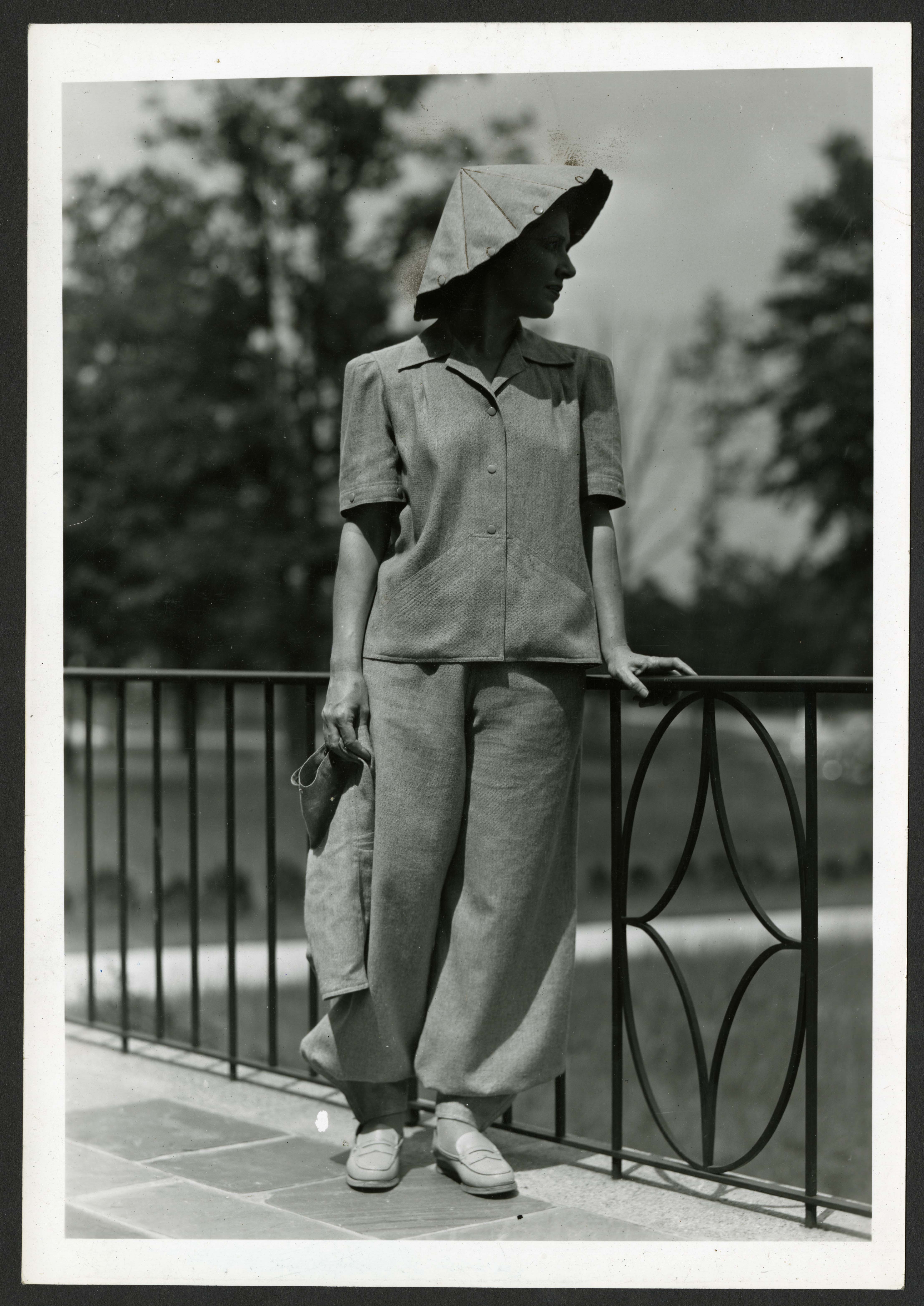
Science Service, Up Close: Making Do
- Date: June 4, 2015
- Creator: Marcel Chotkowski LaFollette
- Description: Science Service: Up Close - Looking at the "defense fashions" for female workers during World War II.
- Blog Post
Publicity, Politics, and Physics
- Date: March 10, 2010
- Creator: Marcel Chotkowski LaFollette
- Description: Long ago and far away, before gray hairs and creaky knees, before history became my passion, I was an undergraduate physics major. Physics seemed fascinating and beautiful, if difficult. Later, after career paths led into history and science policy, I learned that physics, however elegant, did not reside in a cultural vacuum. Its people and discoveries coexisted with
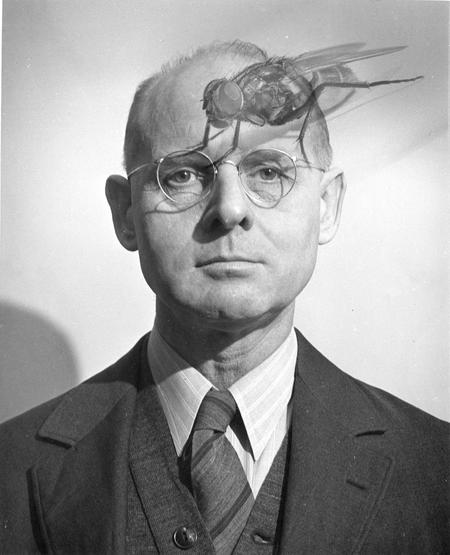
Science Service, Up Close: Laughing All the Way
- Date: April 1, 2015
- Creator: Marcel Chotkowski LaFollette
- Description: Humor and its manifestation at Science Service.

Science Service, Up Close: Lorentz and Einstein, Geneva, 1926
- Date: October 1, 2015
- Creator: Marcel Chotkowski LaFollette
- Description: A previously unpublished photograph, from the Science Service "morgue" files in Accession 90-105, shows two Nobel laureate physicists, Anton Lorentz and Albert Einstein, in 1926.
- Blog Post
Perspectives
- Date: February 8, 2010
- Creator: Marcel Chotkowski LaFollette
- Description: Access the official records of the Smithsonian Institution and learn about its history, key events, people, and research.