
Results for "Update"
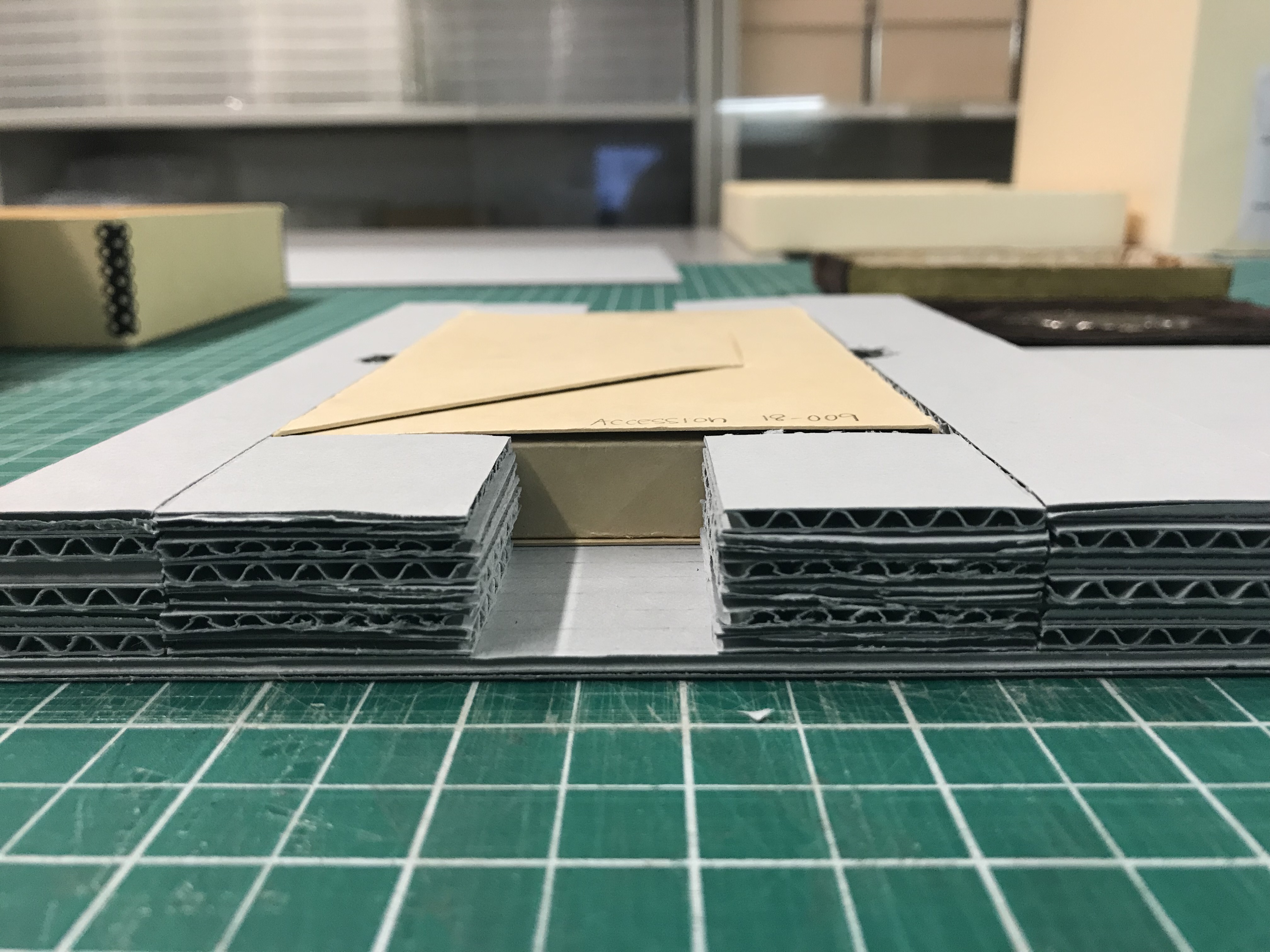
Goodbye, 2019. Hello, 2020!
- Date: December 31, 2019
- Creator: Emily Niekrasz
- Description: Before the Archives gears up for new projects in 2020, we’re looking back at our accomplishments and highlights in 2019.
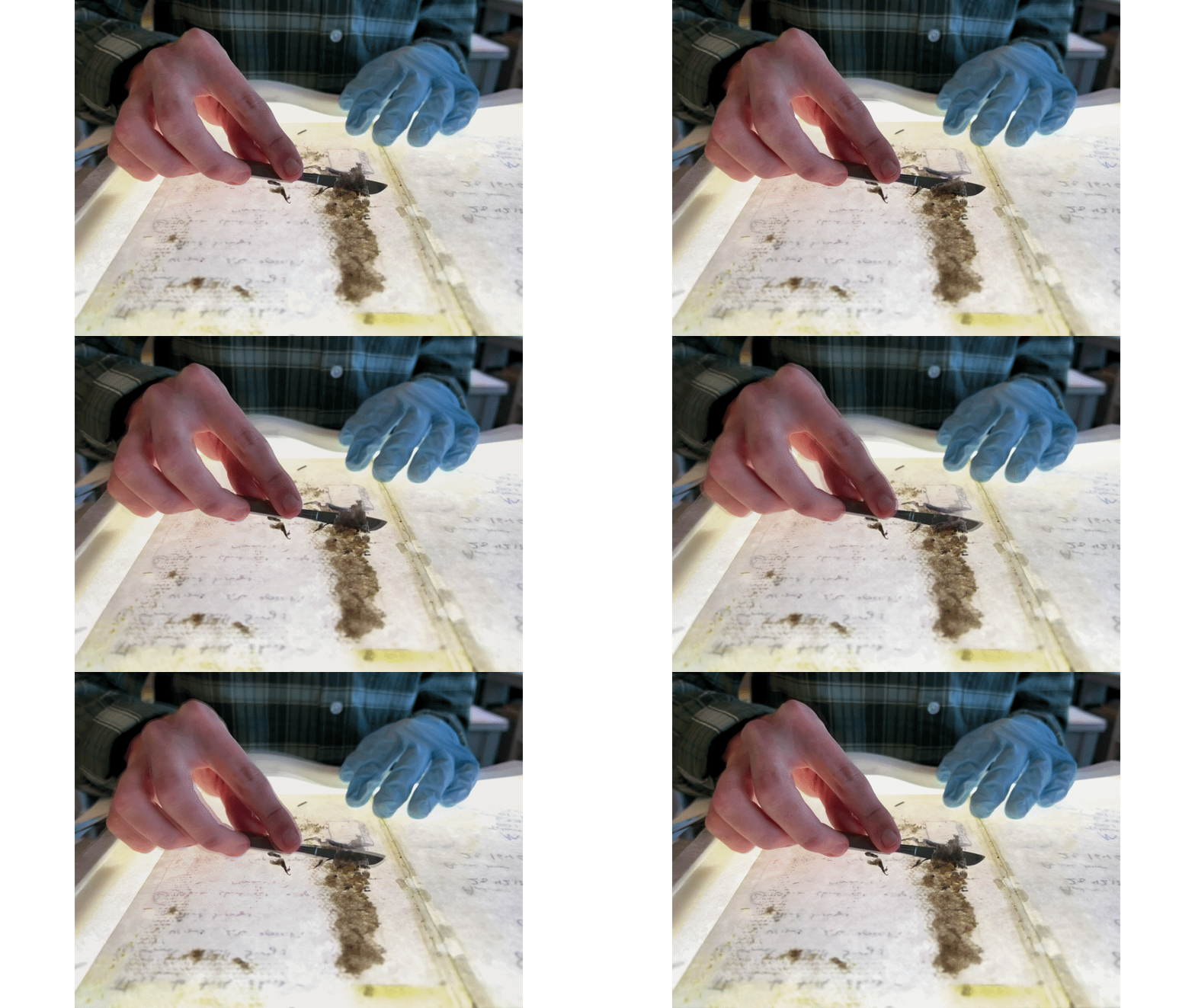
Coffee, tea or mold?
- Date: September 29, 2022
- Creator: Nora Lockshin
- Description: We’re lucky that our interns love coffee, because for this summer’s final project, I selected Russell Greenberg’s Field notes, Xalapa and Chiapas, Mexico, 2001 for a full conservation treatment. If you’ve not had your morning cup yet, you may be wondering why we celebrate his work on National Coffee Day. Dr. Greenberg was an ornithologist, founder and director of the
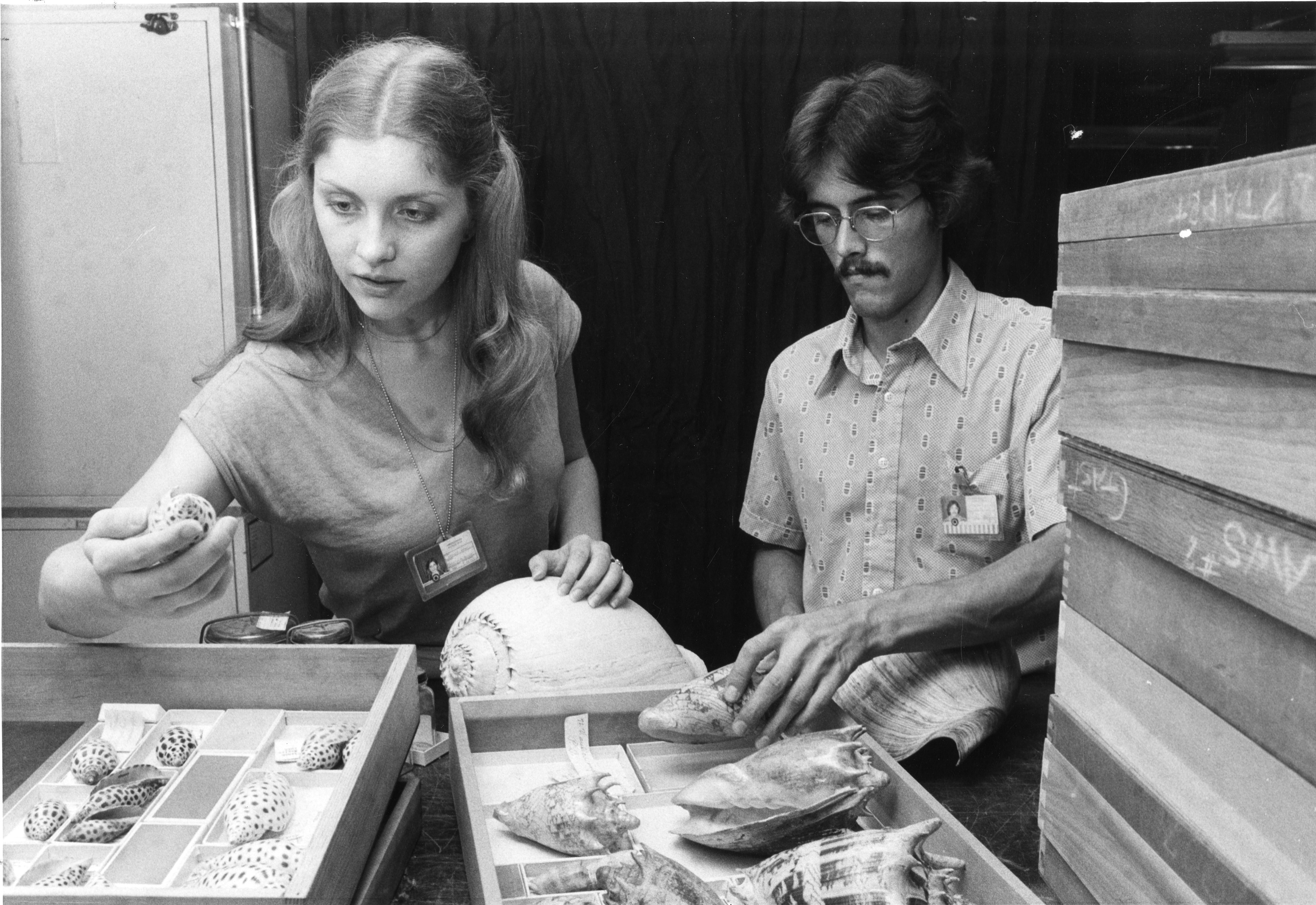
Happy 2019! The Archives Takes a Look Back at a Busy 2018
- Date: January 1, 2019
- Creator: Emily Niekrasz
- Description: Before the Archives gears up for new projects in 2019, we’re looking back at our accomplishments and highlights in 2018.
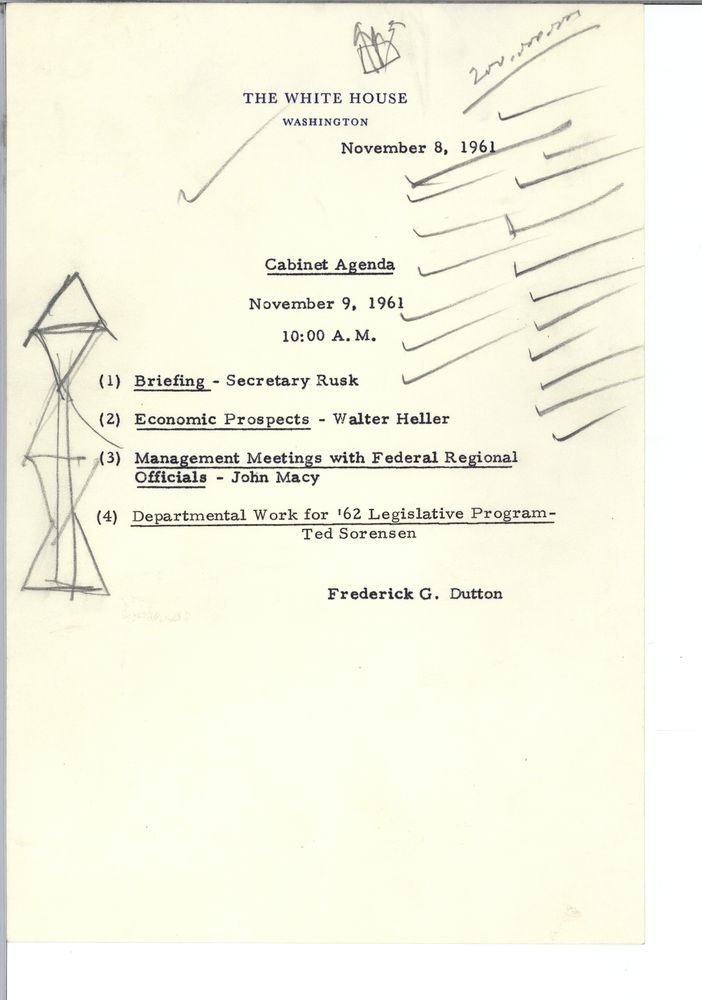
Art in the Margins: John F. Kennedy's "Doodles in Dimension"
- Date: November 10, 2016
- Creator: Hillary Brady
- Description: President John F. Kennedy's doodles were given a new dimension by local Washington, D.C. sculptor Ralph M. Tate and the Anacostia Community Museum.

Science Service, Up Close: Hallie Jenkins, On the Road, On Her Own Terms
- Date: March 16, 2017
- Creator: Marcel Chotkowski LaFollette
- Description: In January 1926, Science Service took a chance on smart, plucky Hallie Jenkins, hiring the 27-year-old as their sales representative. During the following months, Jenkins traveled on her own throughout the Midwest, selling science to newspapers large and small. By the end of the year, she become the organization’s sales and advertising manager.

Science Service, Up Close: “Charlie Is My Darling” — Lindbergh in Washington, June 1927
- Date: February 2, 2017
- Creator: Marcel Chotkowski LaFollette
- Description: On June 11, 1927, 25-year-old Charles Lindbergh, and his plane Spirit of St. Louis, arrived back in the United States, and Washington, D.C. threw a party.
- Blog Post
Science Service, Up Close: Charles Bittinger and the Worlds of Science and Art
- Date: December 6, 2016
- Creator: Marcel Chotkowski LaFollette
- Description: The work of painter Charles Bittinger, bridging the worlds of science and art.
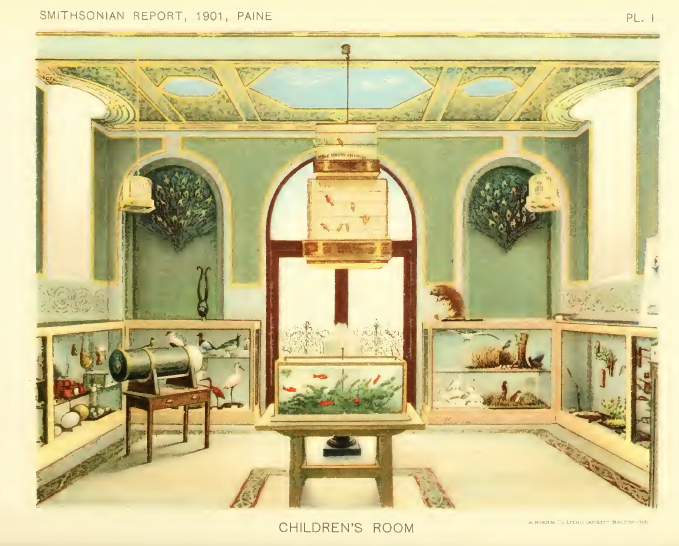
Knowledge Begins in Wonder: The Design Behind the Smithsonian Children’s Room
- Date: March 1, 2016
- Creator: Hillary Brady
- Description: The history of the Smithsonian’s Children’s Room, a project led by Smithsonian Secretary Langley and famous interior designer Grace Lincoln Temple.

#AskAnArchivist 2020: Sharing From Home
- Date: October 8, 2020
- Creator: Emily Niekrasz
- Description: You asked. We answered. On October 7, 2020, six Archives staff members were excited and ready to answer questions on Twitter and Instagram for #AskAnArchivist Day.
- Blog Post
Breaking Ground and Blessing the Smithsonian’s National Museum of the American Indian
- Date: September 21, 2021
- Creator: Hannah Byrne
- Description: On September 28, 1999, representatives of dozens of tribes from across the hemisphere gathered on the National Mall for the groundbreaking of the Smithsonian’s National Museum of the American Indian. On the overcast morning, several hundred people packed under three tents during a ceremony that featured blessings from the four cardinal directions. After the ceremony, some
- Blog Post
Conserving Harper’s Three-for-One Field Book
- Date: August 24, 2017
- Creator: William Bennett
- Description: Though a large part of our collections are flat—that is, they are unbound materials as opposed to bound, three-dimensional objects—a significant group of our holdings do live in bindings and book structures (some of my previous blog contributions have dealt with books, but none with as great a degree of intervention). Treating a field book became more complicated—and more
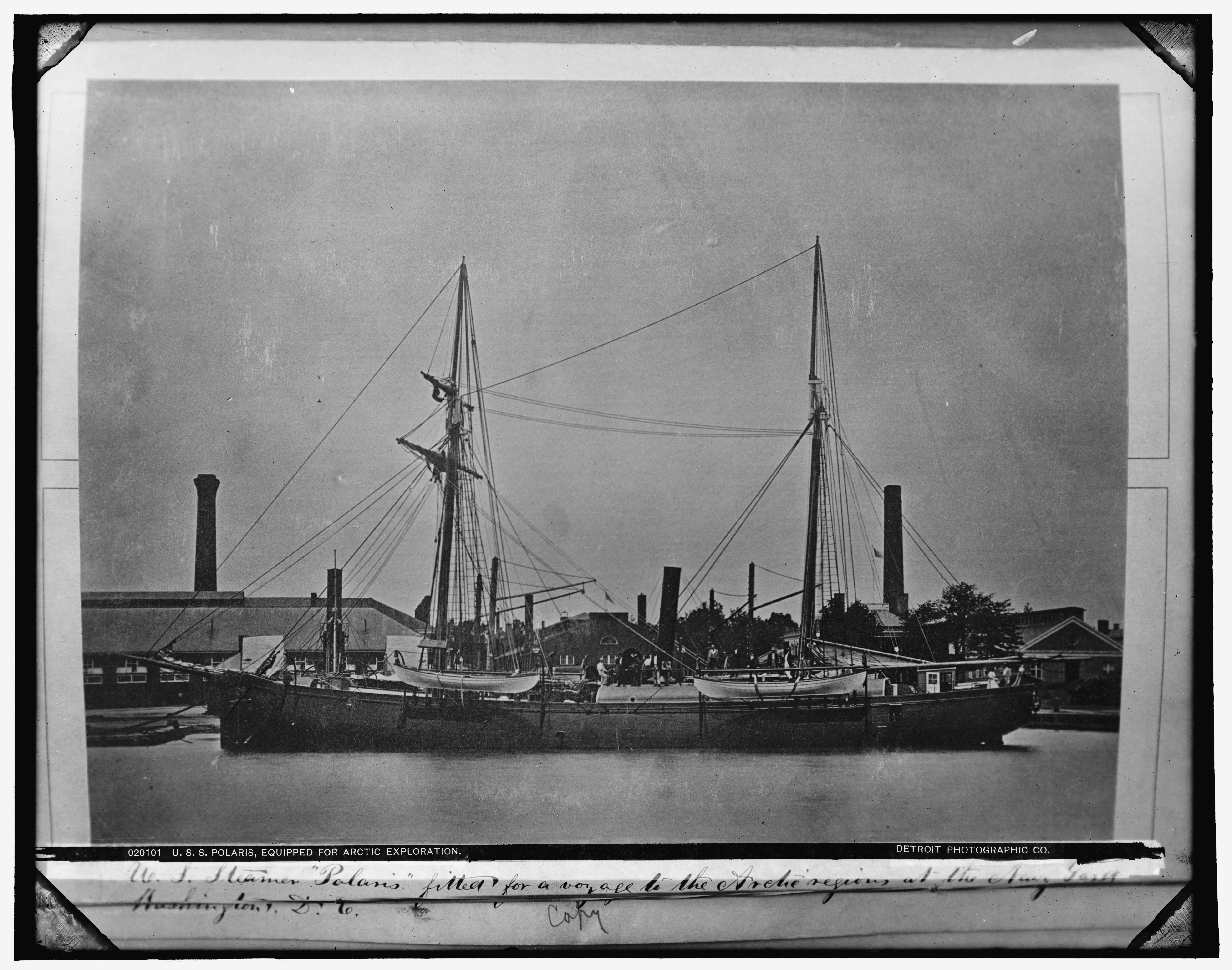
Wait. Did That Really Happen? Potential Poison on the Polaris
- Date: August 13, 2020
- Creator: Emily Niekrasz
- Description: We thought our work was done when a social media follower helped us identify our popular “unidentified male model” as German naturalist Emil Bessels. Then we discovered he may have murdered his captain during the 1871–73 Polaris Expedition.