
Results for "United States. President (2009-2017 : Obama)"

Science Service, Up Close: “Charlie Is My Darling” — Lindbergh in Washington, June 1927
- Date: February 2, 2017
- Creator: Marcel Chotkowski LaFollette
- Description: On June 11, 1927, 25-year-old Charles Lindbergh, and his plane Spirit of St. Louis, arrived back in the United States, and Washington, D.C. threw a party.
- Blog Post
Science Service, Up Close: White House Science Advisors, from Roosevelt to Nixon
- Date: May 11, 2017
- Creator: Marcel Chotkowski LaFollette
- Description: May 11 is the anniversary of establishment of the White House Office of Science and Technology Policy (OSTP). That 1976 legislation further ratified the influence of scientists on national policy, positioning them to provide ready advice to the President.

Science Service, Up Close: Radio Extends the Audience, Inauguration Day, 1925
- Date: January 19, 2017
- Creator: Marcel Chotkowski LaFollette
- Description: President Calvin Coolidge's second inauguration in 1925 reaches an audience of millions, thanks to a new technological innovation--the radio.
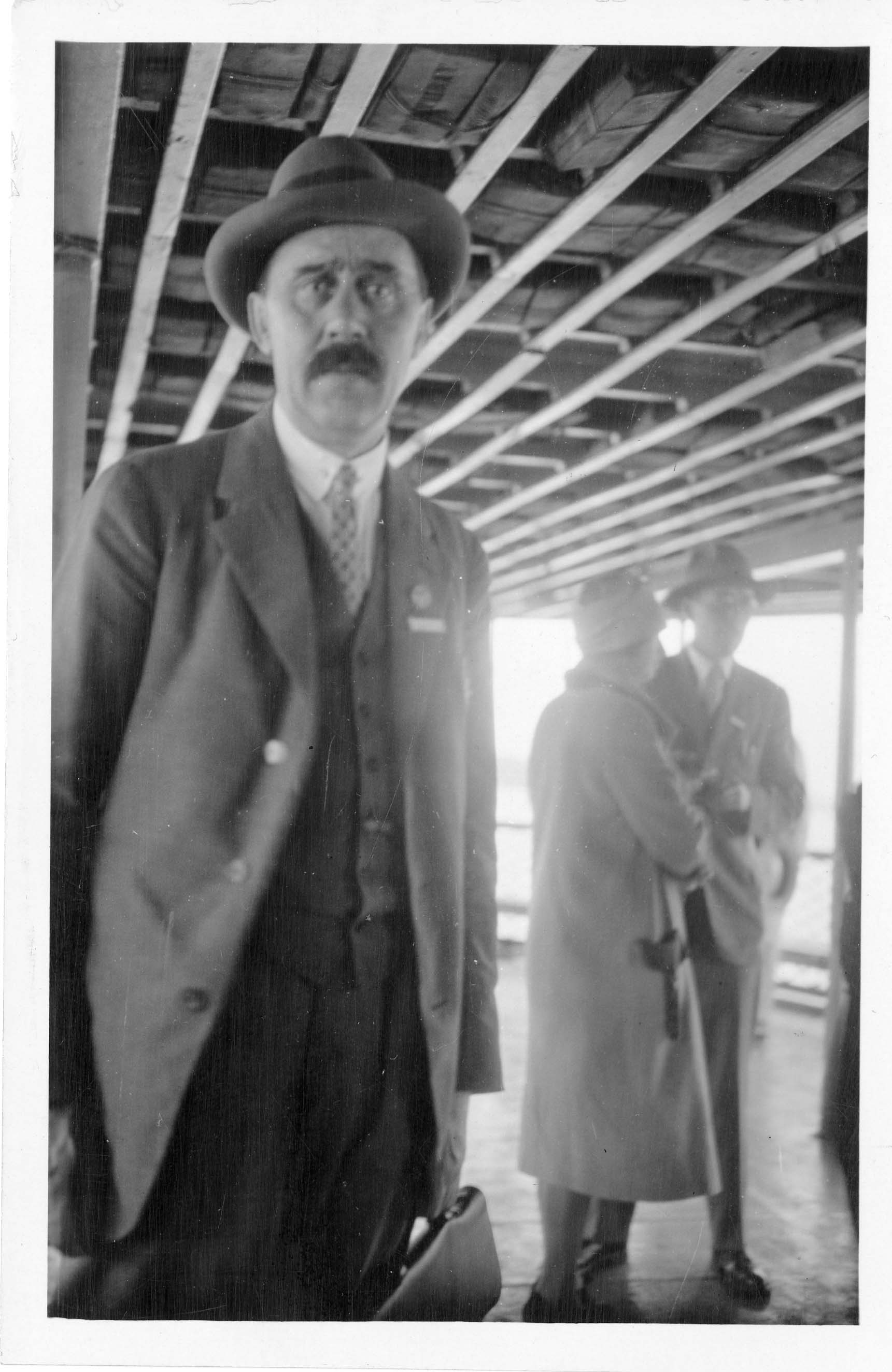
Science Service, Up Close: A Slow Boat Down the River
- Date: June 18, 2015
- Creator: Marcel Chotkowski LaFollette
- Description: Watson Davis photographed visiting scientists on a June 1927 Potomac River boat trip to Mount Vernon.
- Blog Post
Science Service, Up Close: Up in the Air for a Solar Eclipse
- Date: January 24, 2017
- Creator: Marcel Chotkowski LaFollette
- Description: On January 24, 1925, for the first time in over a century, a total solar eclipse would be visible across the northern part of the United States. How scientists used a dirigible to observe the phenomenon.
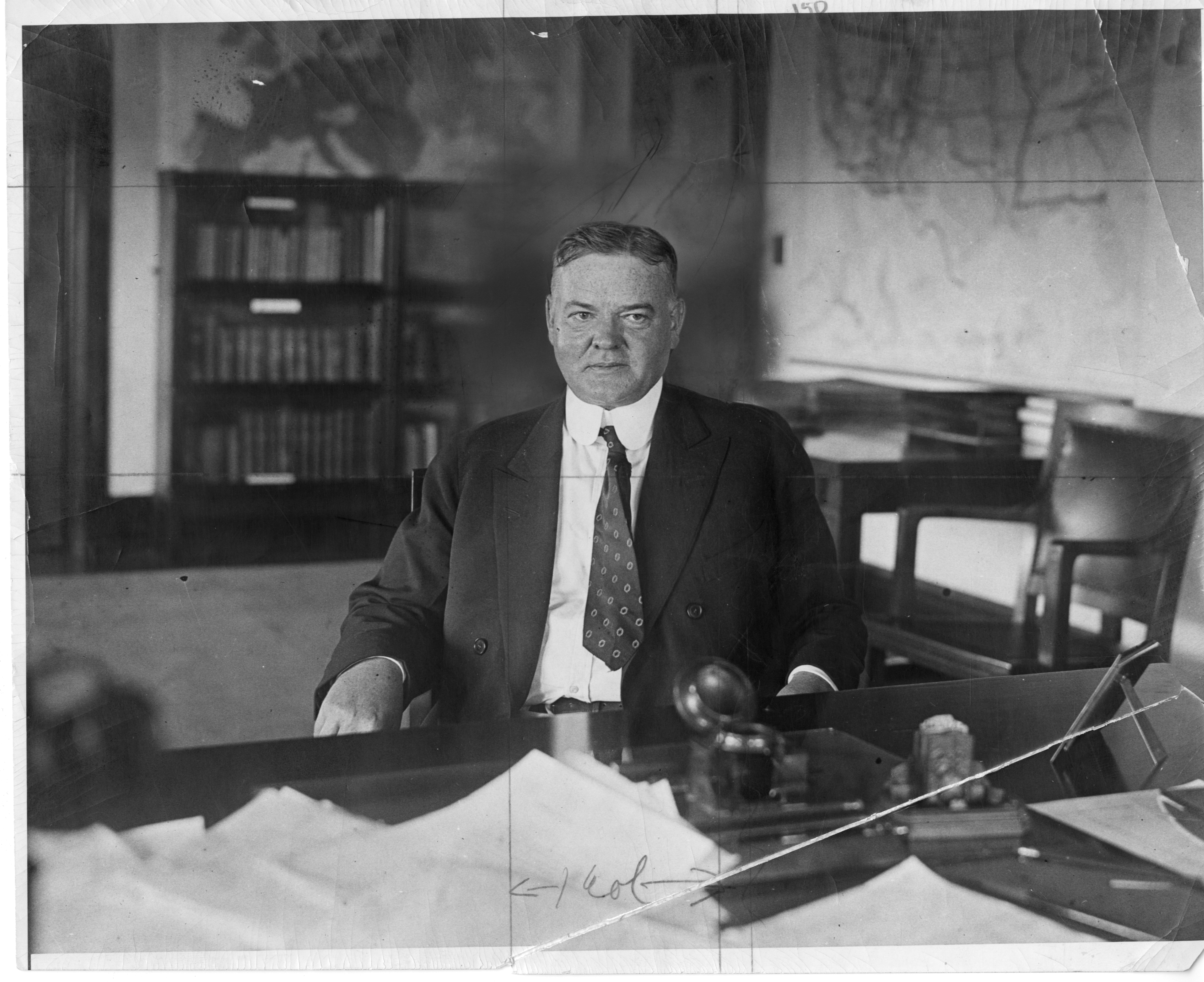
Science Service, Up Close: Herbert Clark Hoover and Radio, August 11, 1928
- Date: August 11, 2016
- Creator: Marcel Chotkowski LaFollette
- Description: Photos in the Science Service collection documenting Herbert Hoover's historic acceptance of the Presidential nomination with live radio coverage.

Science Service, Up Close: Honors and Honorees
- Date: August 4, 2016
- Creator: Marcel Chotkowski LaFollette
- Description: A selection from thirty years of engineering and scientific awards from the Science Service biographical morgue.

"Open Wide!": Photographs of Dentists and Dental Researchers from the Science Service Collections
- Date: October 10, 2019
- Creator: Marcel Chotkowski LaFollette
- Description: To celebrate National Dental Hygiene Month, the Smithsonian Institution Archives presents photographs of dentists and dental researchers.
- Blog Post
Publicity, Politics, and Physics
- Date: March 10, 2010
- Creator: Marcel Chotkowski LaFollette
- Description: Long ago and far away, before gray hairs and creaky knees, before history became my passion, I was an undergraduate physics major. Physics seemed fascinating and beautiful, if difficult. Later, after career paths led into history and science policy, I learned that physics, however elegant, did not reside in a cultural vacuum. Its people and discoveries coexisted with
- Blog Post
Science Service, Up Close: Summer Road Trips for Science, 1935
- Date: July 24, 2018
- Creator: Marcel Chotkowski LaFollette
- Description: In 1935, Beloit College in Wisconsin began allowing female students to join the annual summer archeological expeditions.
- Blog Post
Science Service, Up Close: Charles Bittinger and the Worlds of Science and Art
- Date: December 6, 2016
- Creator: Marcel Chotkowski LaFollette
- Description: The work of painter Charles Bittinger, bridging the worlds of science and art.

Science Service, Up Close: Patent Parades, Silk Purses, and Snake Bite Remedies
- Date: March 30, 2017
- Creator: Marcel Chotkowski LaFollette
- Description: Everyone loves a parade – especially one followed by a banquet. When scientists and politicians met in Washington, D.C., on November 23, 1936, to celebrate the centennial of the U.S. patent system, they listened first to a conventional program of speeches. Then, in the afternoon, Science Service director Watson Davis arranged something different: a “Research Parade” featuring