
Results for "United States. President (2009-2017 : Obama)"
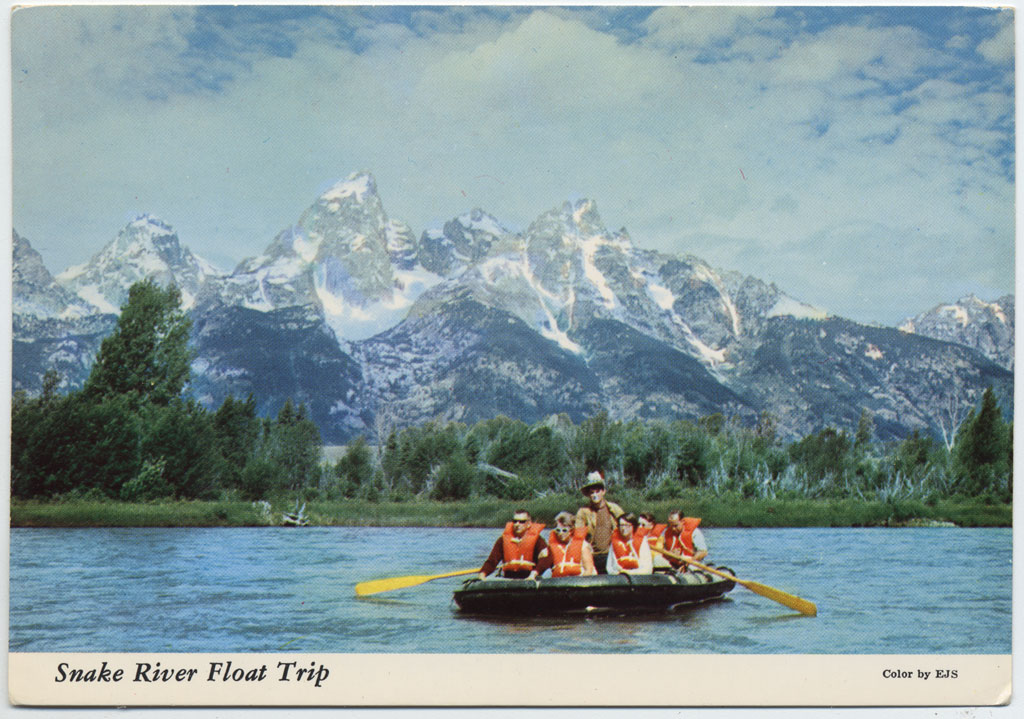
Wish you (or your image) were here
- Date: August 7, 2009
- Description: Access the official records of the Smithsonian Institution and learn about its history, key events, people, and research.
- Blog Post
100 Years of the Natural History Building
- Date: June 17, 2010
- Creator: Pamela M. Henson
- Description: [caption id="" align="aligncenter" width="424" caption="U.S. National Museum, May 3, 1917, seen from the National Mall, by Unknown photographer, Photographic print, Smithsonian Institution Archives, Record Unit 45, Box 79, Folder: 10, Neg. SIA2009-2203."][/caption] As part of my work as the historian for the history of the Smithsonian, I’ve been working for the past year on

Smithsonian in Wartime – A New Web Exhibit!
- Date: August 9, 2016
- Creator: Lisa Fthenakis
- Description: Announcing a new web exhibit exploring the Smithsonian’s role in the nation’s war efforts.
- Blog Post
A Short History of Photography from Cigar Box to Cell Phone
- Date: June 23, 2009
- Description: [caption id="" align="aligncenter" width="448" caption="Portrait of Dorothy Catherine Draper, copy of the original photo by John Draper, created by Daniel Draper, 1893, National Museum of American History, Kenneth E. Behring Center, Division of Information Technology and Communications."][/caption] Imagine that you are the first person to take a photograph. What would you
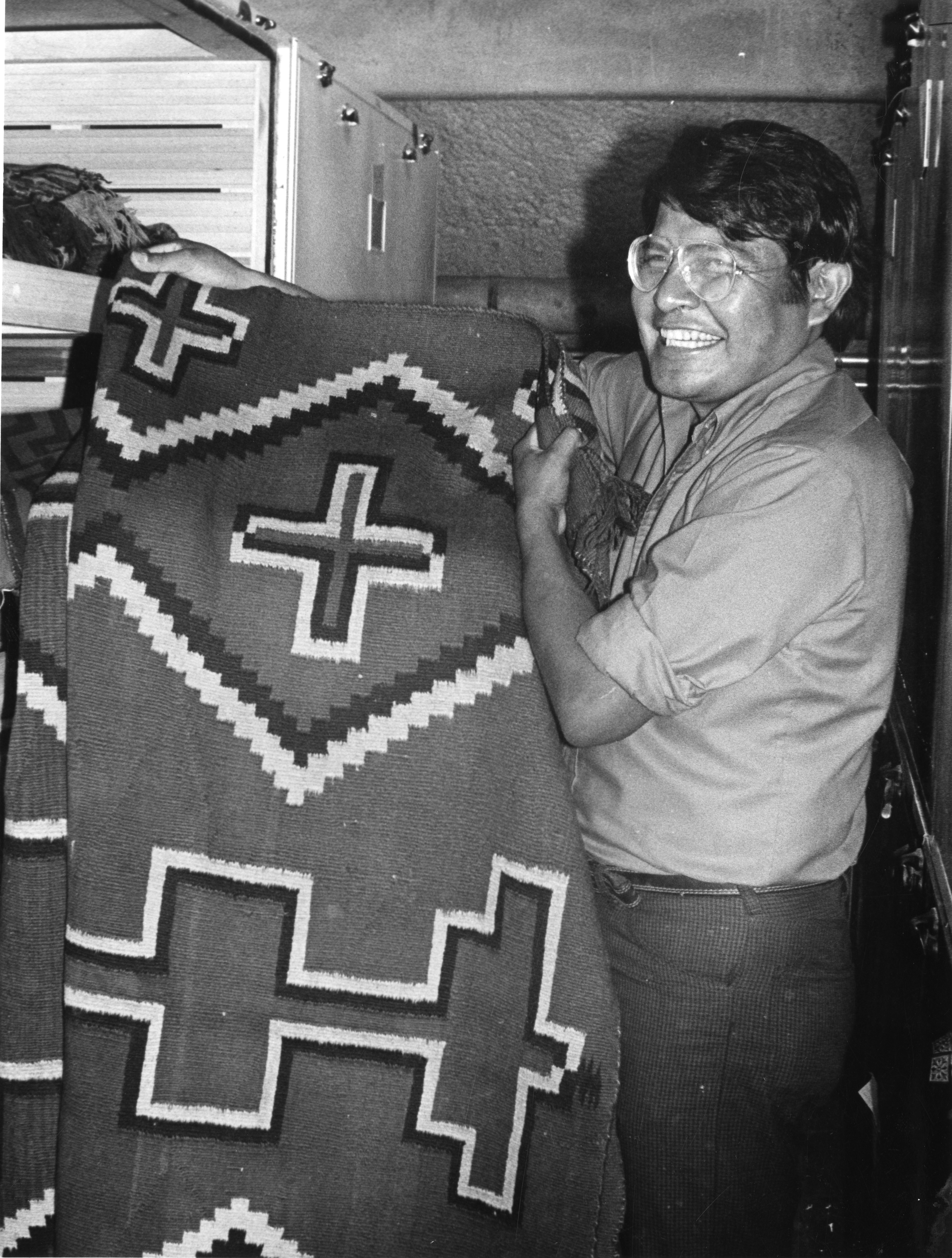
Harry Walters - Director of the Diné College Museum, 1973-2008
- Date: July 30, 2020
- Creator: Mitch Toda
- Description: Before becoming the Director of the Diné College Museum in Arizona, Harry Walters spent three months at the Smithsonian learning techniques for the care and handling of artifacts, including their identification, description, conservation, storage, and exhibition.
Speak Softly . . .
- Date: November 3, 2010
- Creator: Marguerite Roby
- Description: This summer witnessed an exciting find by interns Shereen Choudhury and Rachel Midura, who identified Teddy Roosevelt in one of the broken glass plate negatives they were inventorying. This glass plate comes from a collection of images that have all been numbered, but have minimal descriptive records indicating what they may represent.

Travel to the Tropics, Archives-style!
- Date: January 30, 2018
- Creator: Effie Kapsalis
- Description: Travel with us to the Galapagos and the Marshall Islands as we launch some warm-weather scientific field books, diaries, and correspondence. While it’s not very wintery in Washington D.C., we’re hoping this will offer an escape to those entering the long remaining months of snow, sleet, and ice. And if you’re avoiding the cold, what a better way to spend your time than helping

Archives: It’s not just paper, it’s people
- Date: August 29, 2011
- Description: [edan-image:id=siris_sic_8807,size=250,left] In the institutional archivists' world, there is constant discussion about what we save and why we save it. While there are many reasons why this is such a pointed concern, one of the main factors institutions consider when deciding what to collect is the relevance of a collection's contents to the institution's mission.
- Blog Post
Ruel P. Tolman’s Images: Who Are You?
- Date: January 12, 2012
- Creator: Courtney Bellizzi
- Description: Help us identify images from the 1930s, photographed by Ruel P. Tolman, Curator and Director of the Smithsonian’s National Collection of Fine Arts.

Celebrating the Smithsonian Latino Center
- Date: September 17, 2020
- Creator: Mitch Toda
- Description: Documenting the history, programs, and activities of the Smithsonian Latino Center through the capture of their websites and their other online sites.
- Blog Post
Saving Face About Saving Data
- Date: November 1, 2010
- Creator: Marvin Heiferman
- Description: [caption id="" align="aligncenter" width="350" caption="Sorry, We're Open, by mofo, Creative Commons: Attribution 2.0."][/caption] Back in May, I wrote about a controversy that surfaced in Europe after privacy advocates revealed that in the act of collecting photographic images for its Street View application, Google was also scooping up private data from the unsecured WiFi
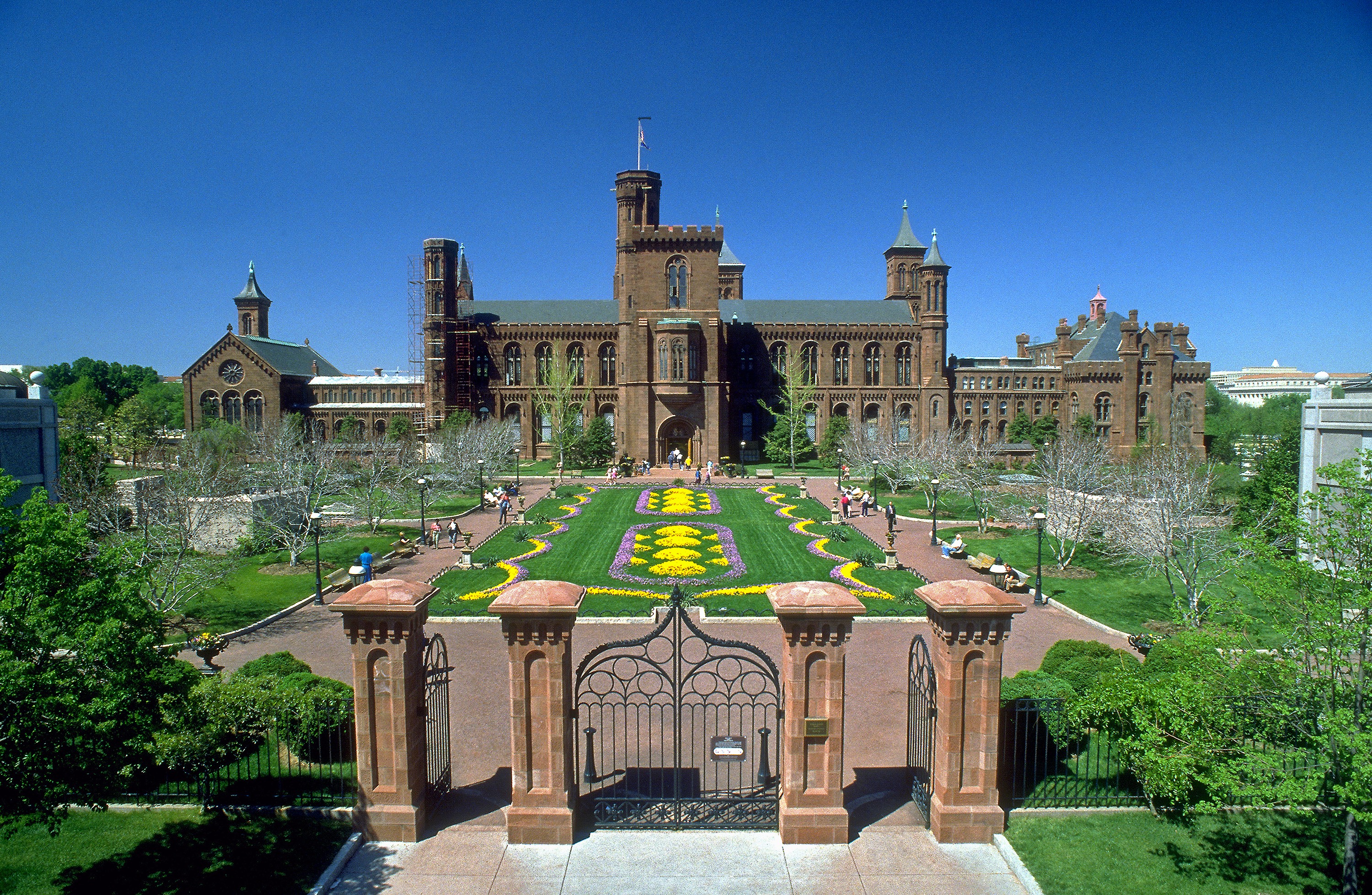
Wishing you a Trivial New Year!
- Date: January 4, 2018
- Creator: Alison Reppert Gerber
- Description: Happy National Trivia Day! January 4th is the perfect day to break out all those endless bits of knowledge stored in your noggin and share them with others. As for the history of National Trivia Day, it's thought that the creation of the game Trivial Pursuit in 1979 sparked the beginning of our fascination with trivia, and everythinge else is history, as they say. To feed our