
Results for "Smithsonian National Associates Program"
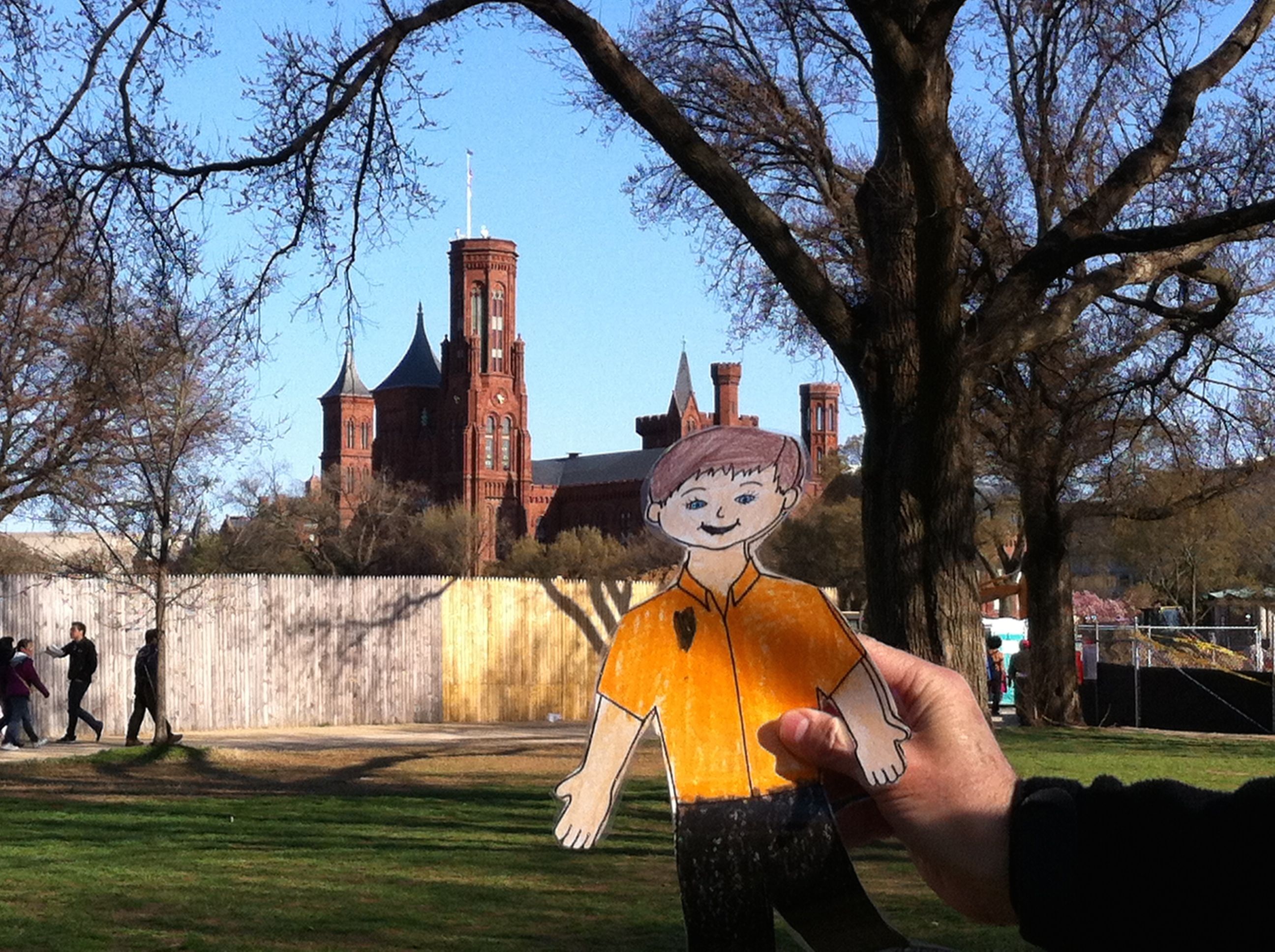
Science Service, Up Close: The Microvivarium
- Date: May 12, 2015
- Creator: Marcel Chotkowski LaFollette
- Description: Today’s science museums build on the efforts of biologist George Roemmert (1892-1952), whose “Microvivarium” projected images of amoebas and other microscopic creatures.
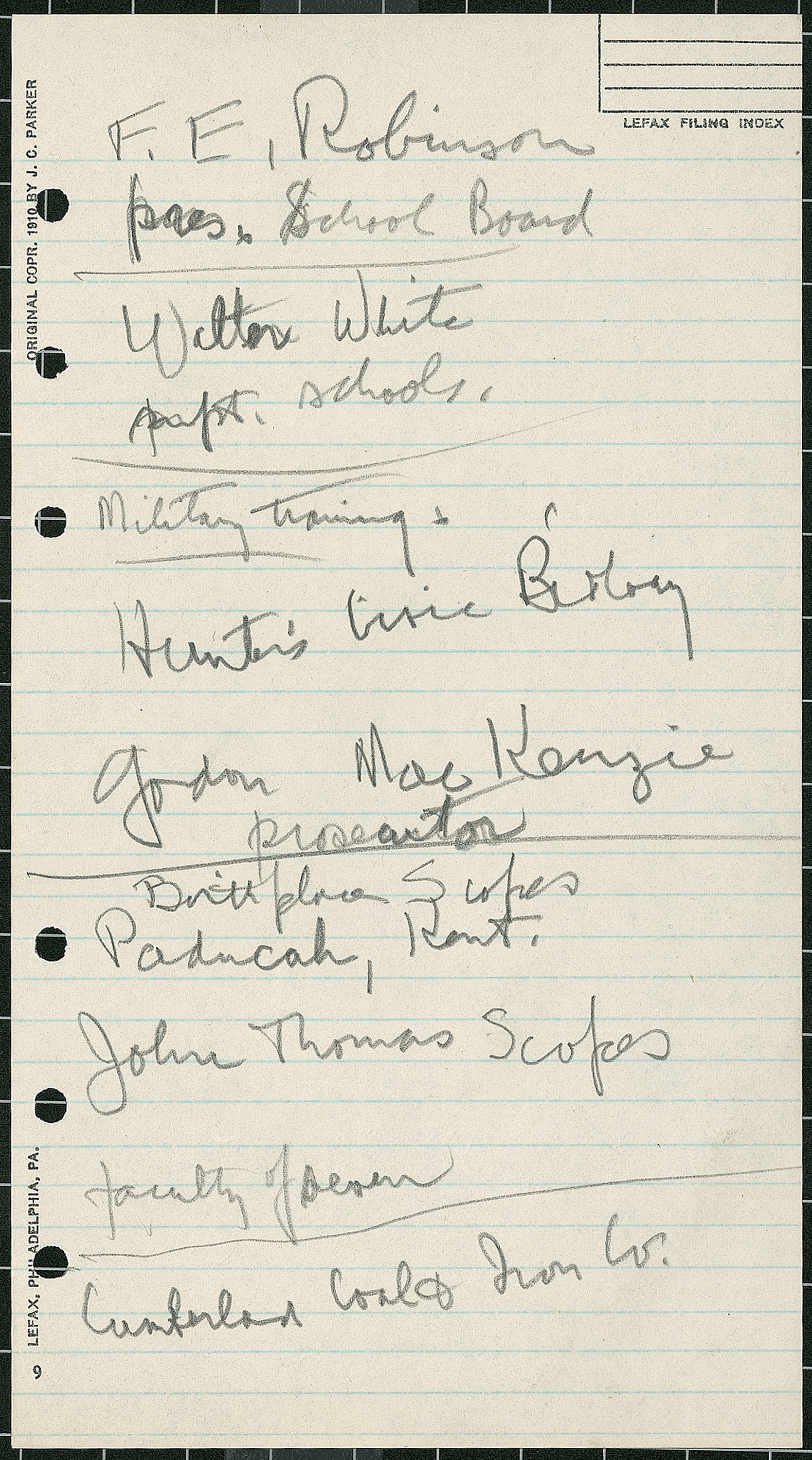
Science Service: Up Close
- Date: May 19, 2015
- Creator: Marcel Chotkowski LaFollette
- Description: Each Smithsonian Institution Archives collection has a life story. That narrative, much like the biography of a person, can explain how a collection's photographs, letters, and documents relate to each other. Closer inspection may also reveal hidden connections to other archival materials and can help in identifying photographers and writers. This new blog series will turn a

Science Service, Up Close: Journalists, Cancer Research, and Public Education
- Date: March 6, 2018
- Creator: Marcel Chotkowski LaFollette
- Description: Cancer, James T. Patterson observed in The Dread Disease, serves as a powerful metaphor in American culture, where the malady mirrors the “manifestation of social, economic, and ideological divisions” in modern life. In the decades since publication of Patterson’s book, medical research has made great strides in methods of detection and treatment. But the challenge for science
- Blog Post
Science Service, Up Close: Of Princes, Princesses, and Science
- Date: June 12, 2018
- Creator: Marcel Chotkowski LaFollette
- Description: As editor E. E. Slosson began setting up the Science Service news office, his mail was flooded with inquiries from potential contributors. Writers and photographers described their accomplishments and submitted samples of their work. One such letter, from Albert Harlingue on April 13, 1921, must have piqued Slosson’s interest, for it coincided with the Washington visit of “a
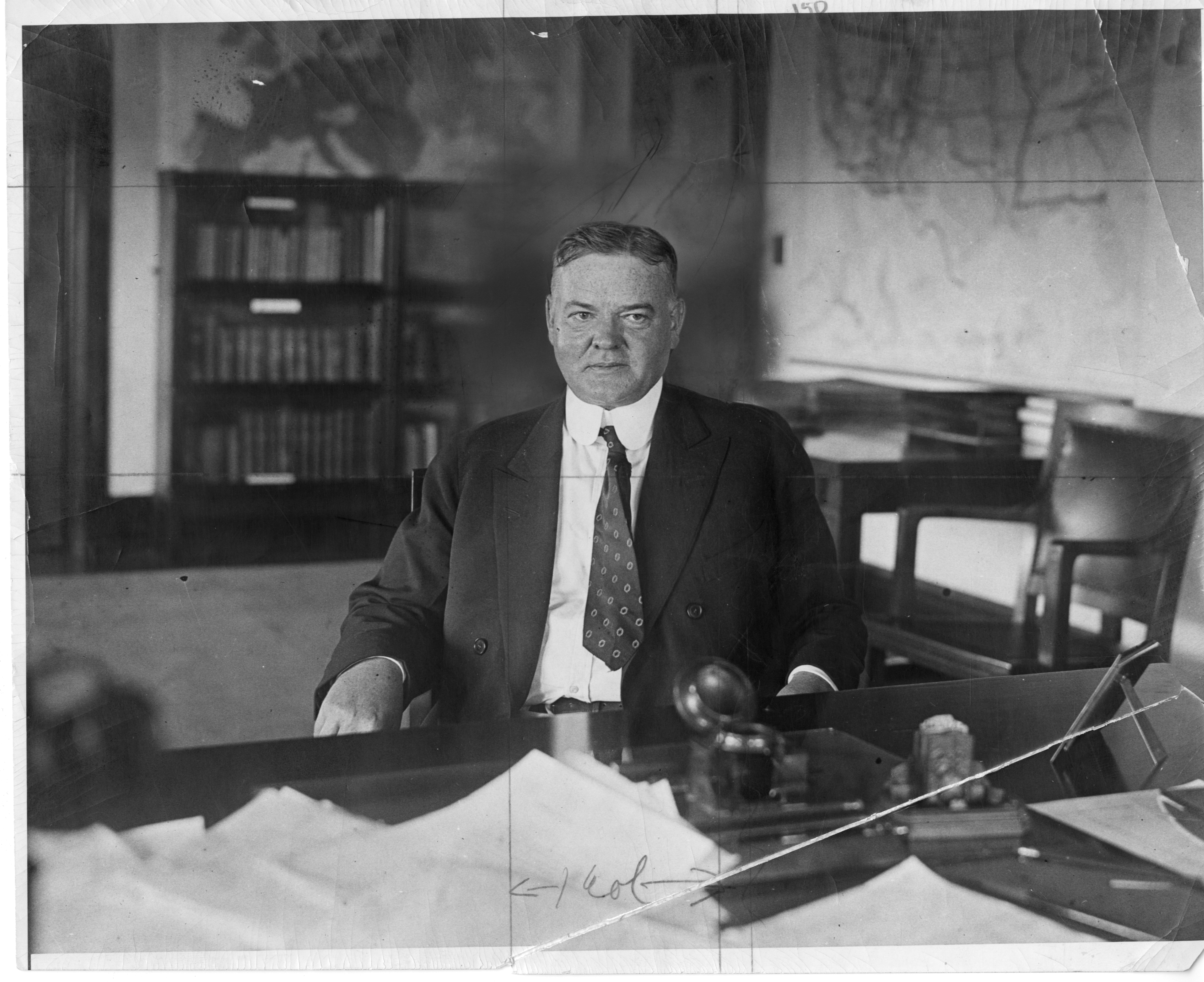
Science Service, Up Close: Herbert Clark Hoover and Radio, August 11, 1928
- Date: August 11, 2016
- Creator: Marcel Chotkowski LaFollette
- Description: Photos in the Science Service collection documenting Herbert Hoover's historic acceptance of the Presidential nomination with live radio coverage.
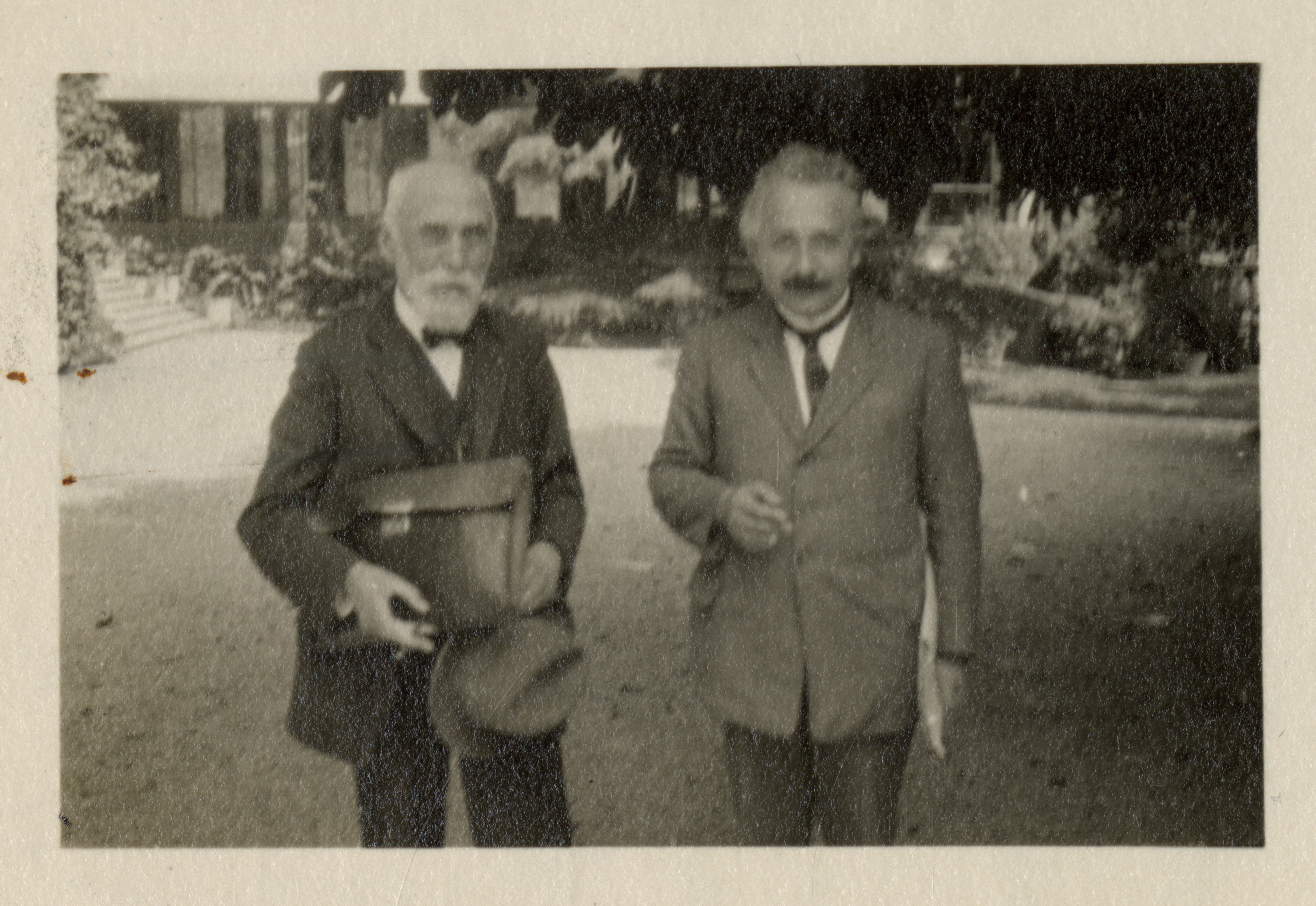
Science Service, Up Close: Informal Moments
- Date: May 8, 2018
- Creator: Marcel Chotkowski LaFollette
- Description: Formal portrait photographs of scientists tend to preserve the stiffness of the moment, rather than capture the sitter’s personality. Perhaps that is the reason that candid photographs of celebrities like Albert Einstein stick in public memory.A 1931 photograph of three Nobel laureate physicists illustrates why we tend to remember the informal photos of scientists more than
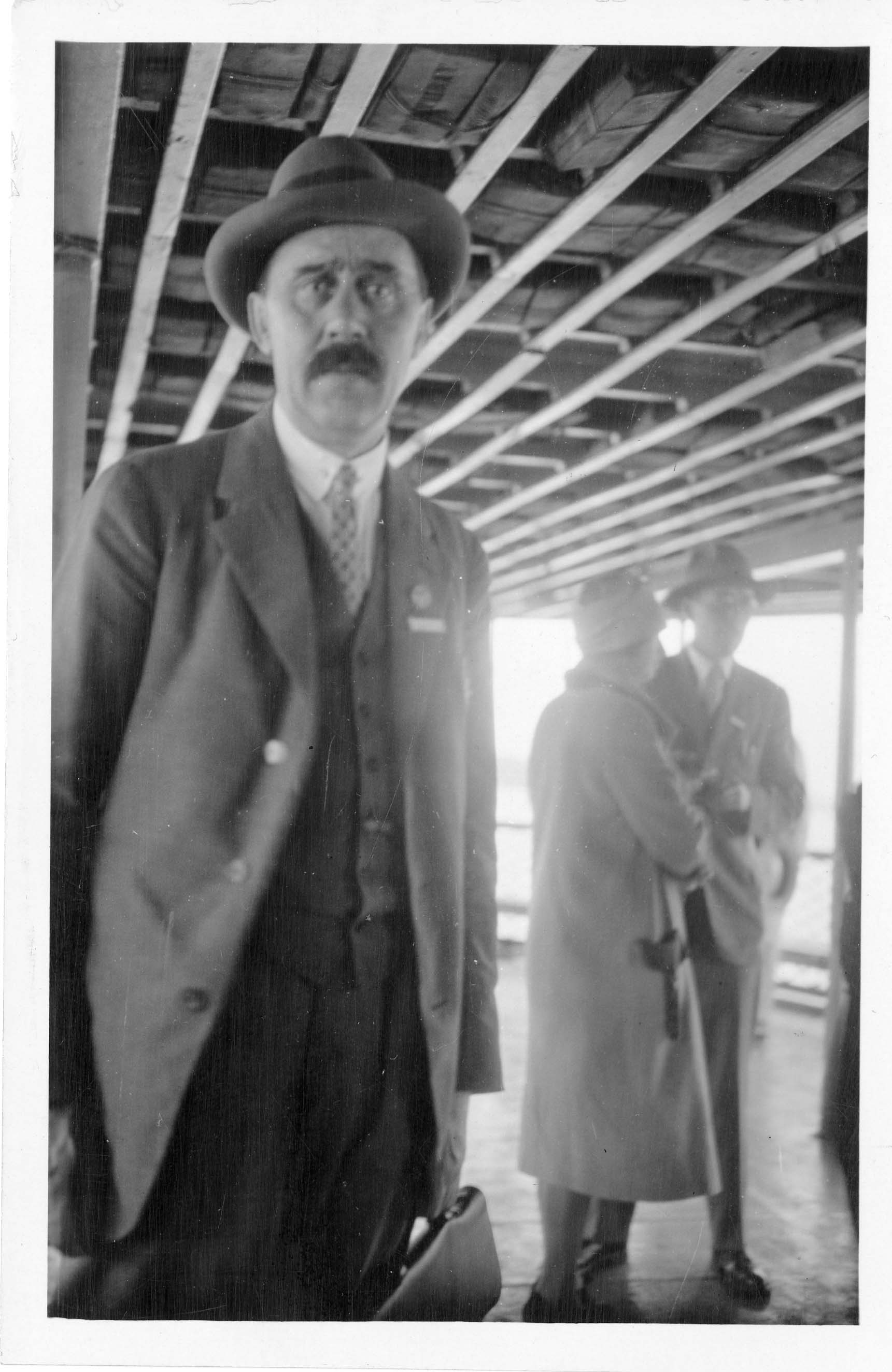
Science Service, Up Close: A Slow Boat Down the River
- Date: June 18, 2015
- Creator: Marcel Chotkowski LaFollette
- Description: Watson Davis photographed visiting scientists on a June 1927 Potomac River boat trip to Mount Vernon.
- Blog Post
Not “Just Another Doll”: Two Orchids for Miss Stafford
- Date: March 11, 2014
- Creator: Marcel Chotkowski LaFollette
- Description: The letters of Science Service medical editor Jane Stafford (1899-1991) offer a glimpse into the lives of women in the 1930s.
- Blog Post
Science Service, Up Close: Charles Bittinger and the Worlds of Science and Art
- Date: December 6, 2016
- Creator: Marcel Chotkowski LaFollette
- Description: The work of painter Charles Bittinger, bridging the worlds of science and art.

Science Service, Up Close: Science Reporters on the Hunt
- Date: April 18, 2019
- Creator: Marcel Chotkowski LaFollette
- Description: Photographs from the Science Service collections preserve behind-the-scenes glimpses of the newsgathering process for science reporters.
- Blog Post
Science Service, Up Close: John Clavon Norman, Jr. – Pathbreaking Cardiac Surgeon and Researcher
- Date: August 23, 2018
- Creator: Marcel Chotkowski LaFollette
- Description: [edan-image:id=siris_arc_395101,size=300,left]When Harvard Medical School distributed these photographs of John Clavon Norman, Jr., M.D. (1930-2014) to news services in the 1960s, Dr. Norman was at an exciting stage of his career. The young physician had already made quite a journey, but there would be even more paths to blaze. He had been born in West Virginia to parents who
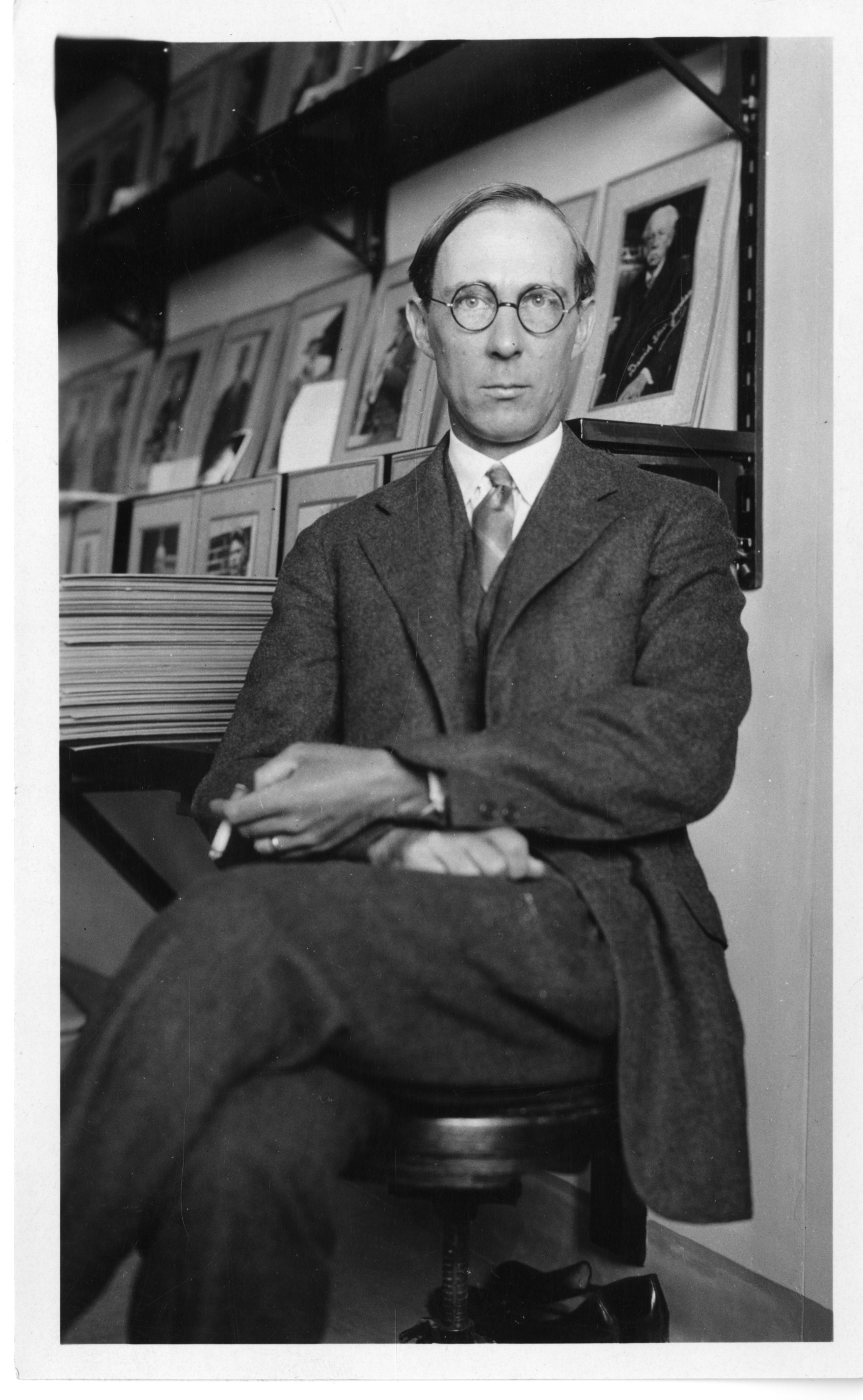
The Scientific Portraits of Julian Papin Scott, Part 1 of 2: The Photographer Behind the Lens
- Date: September 3, 2019
- Creator: Marcel Chotkowski LaFollette
- Description: In a world drowning in images, where we swipe past photos of friends, relatives, and selves in mere seconds, a set of remarkable portraits taken in the 1910s and 1920s by Julian Papin Scott (1877-1961) deserve more considered attention. Sometimes, his subjects appear immersed in work, surrounded by microscopes, beakers, or stacks of books, as if unaware of the photographer.