
Results for "Smithsonian Institution. Office of the Assistant Secretary for Public Service and Museums"
- Blog Post
Science Service, Up Close: White House Science Advisors, from Roosevelt to Nixon
- Date: May 11, 2017
- Creator: Marcel Chotkowski LaFollette
- Description: May 11 is the anniversary of establishment of the White House Office of Science and Technology Policy (OSTP). That 1976 legislation further ratified the influence of scientists on national policy, positioning them to provide ready advice to the President.
Science Service: Up Close
- Date: May 19, 2015
- Creator: Marcel Chotkowski LaFollette
- Description: Each Smithsonian Institution Archives collection has a life story. That narrative, much like the biography of a person, can explain how a collection's photographs, letters, and documents relate to each other. Closer inspection may also reveal hidden connections to other archival materials and can help in identifying photographers and writers. This new blog series will turn a
- Blog Post
Science Service, Up Close: Up in the Air for a Solar Eclipse
- Date: January 24, 2017
- Creator: Marcel Chotkowski LaFollette
- Description: On January 24, 1925, for the first time in over a century, a total solar eclipse would be visible across the northern part of the United States. How scientists used a dirigible to observe the phenomenon.
Science Service, Up Close: Covering Eclipses, Near and Far
- Date: August 15, 2017
- Creator: Marcel Chotkowski LaFollette
- Description: Spectacular natural events, like eclipses, have long been the bread-and-butter of science journalism. Science Service, too, succumbed to the lure of combining colorful, firsthand descriptions with technical explanations.
- Blog Post
Television and the Smithsonian: Worldly Success
- Date: December 18, 2012
- Creator: Marcel Chotkowski LaFollette
- Description: For six seasons, beginning in 1984, the television series Smithsonian World opened new windows on the research and scientists at the Smithsonian Institution.

Science Service, Up Close: Women in Geology and Paleontology
- Date: March 14, 2019
- Creator: Marcel Chotkowski LaFollette
- Description: To celebrate Women’s History Month, here are two examples of 20th-century women who applied their education and expertise in geology and paleontology outside traditional university career paths.
The Scientific Portraits of Julian Papin Scott, Part 1 of 2: The Photographer Behind the Lens
- Date: September 3, 2019
- Creator: Marcel Chotkowski LaFollette
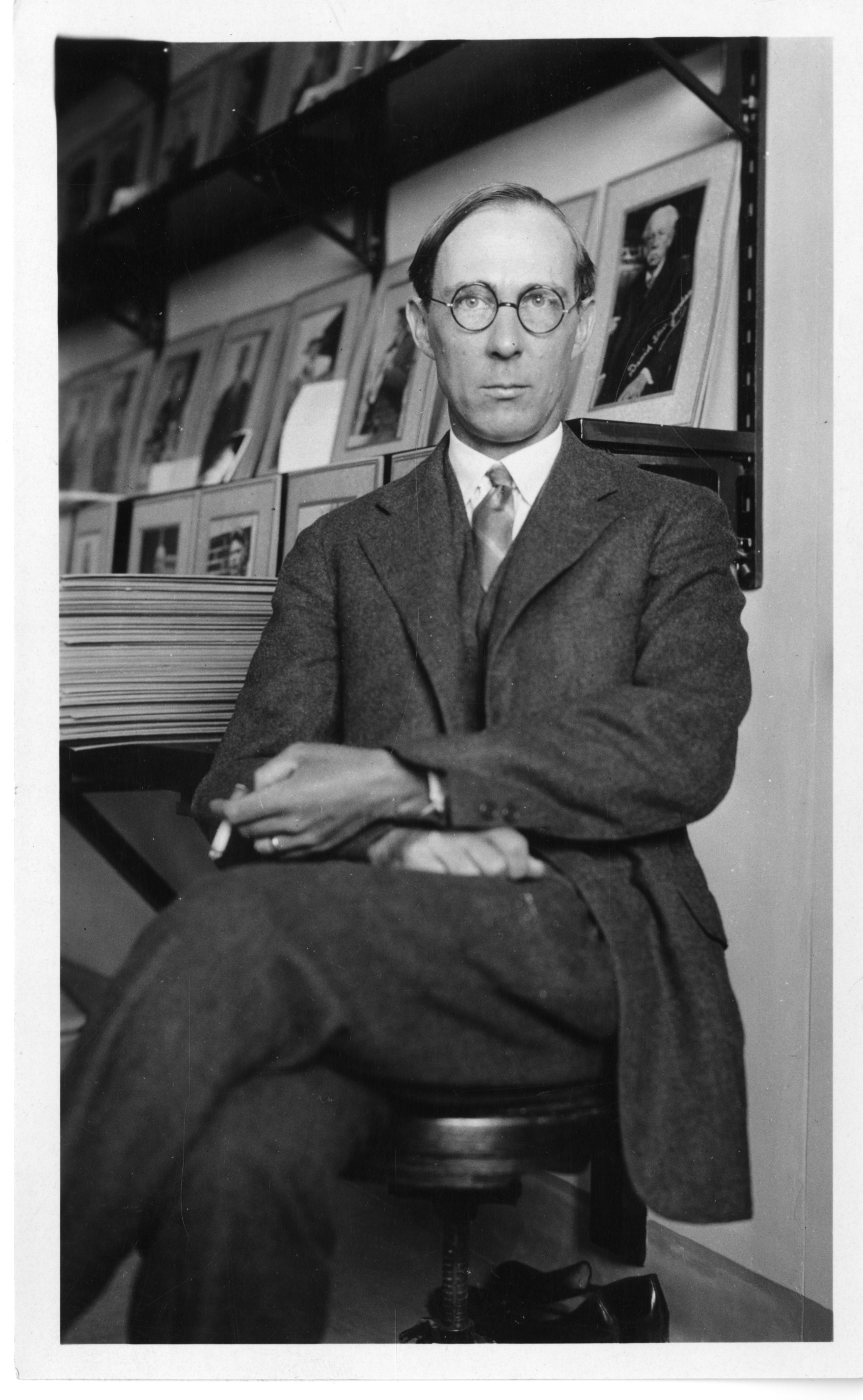
- Description: In a world drowning in images, where we swipe past photos of friends, relatives, and selves in mere seconds, a set of remarkable portraits taken in the 1910s and 1920s by Julian Papin Scott (1877-1961) deserve more considered attention. Sometimes, his subjects appear immersed in work, surrounded by microscopes, beakers, or stacks of books, as if unaware of the photographer.