
Results for "Smithsonian Institution. Office of Museum Programs"
- Blog Post
Publicity, Politics, and Physics
- Date: March 10, 2010
- Creator: Marcel Chotkowski LaFollette
- Description: Long ago and far away, before gray hairs and creaky knees, before history became my passion, I was an undergraduate physics major. Physics seemed fascinating and beautiful, if difficult. Later, after career paths led into history and science policy, I learned that physics, however elegant, did not reside in a cultural vacuum. Its people and discoveries coexisted with

Science Service, Up Close: Patent Parades, Silk Purses, and Snake Bite Remedies
- Date: March 30, 2017
- Creator: Marcel Chotkowski LaFollette
- Description: Everyone loves a parade – especially one followed by a banquet. When scientists and politicians met in Washington, D.C., on November 23, 1936, to celebrate the centennial of the U.S. patent system, they listened first to a conventional program of speeches. Then, in the afternoon, Science Service director Watson Davis arranged something different: a “Research Parade” featuring
- Blog Post
Science Service, Up Close: Up in the Air for a Solar Eclipse
- Date: January 24, 2017
- Creator: Marcel Chotkowski LaFollette
- Description: On January 24, 1925, for the first time in over a century, a total solar eclipse would be visible across the northern part of the United States. How scientists used a dirigible to observe the phenomenon.
- Blog Post
Fame ... By Any Other Name
- Date: March 20, 2012
- Creator: Marcel Chotkowski LaFollette
- Description: How social media has changed the ways that scientists, particularly women, can achieve fame in their respective fields.

Science Service, Up Close: Radio Extends the Audience, Inauguration Day, 1925
- Date: January 19, 2017
- Creator: Marcel Chotkowski LaFollette
- Description: President Calvin Coolidge's second inauguration in 1925 reaches an audience of millions, thanks to a new technological innovation--the radio.
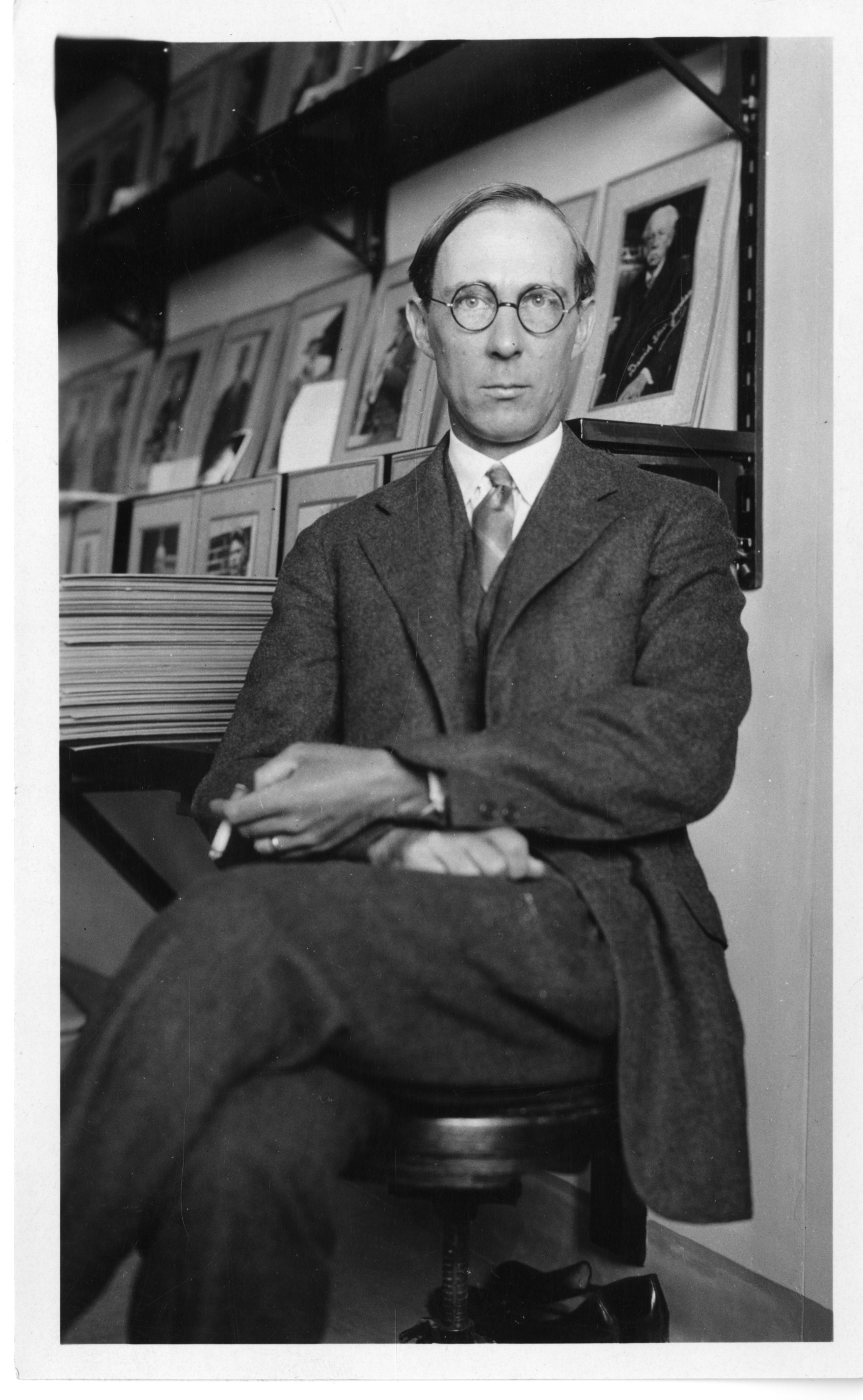
The Scientific Portraits of Julian Papin Scott, Part 1 of 2: The Photographer Behind the Lens
- Date: September 3, 2019
- Creator: Marcel Chotkowski LaFollette
- Description: In a world drowning in images, where we swipe past photos of friends, relatives, and selves in mere seconds, a set of remarkable portraits taken in the 1910s and 1920s by Julian Papin Scott (1877-1961) deserve more considered attention. Sometimes, his subjects appear immersed in work, surrounded by microscopes, beakers, or stacks of books, as if unaware of the photographer.
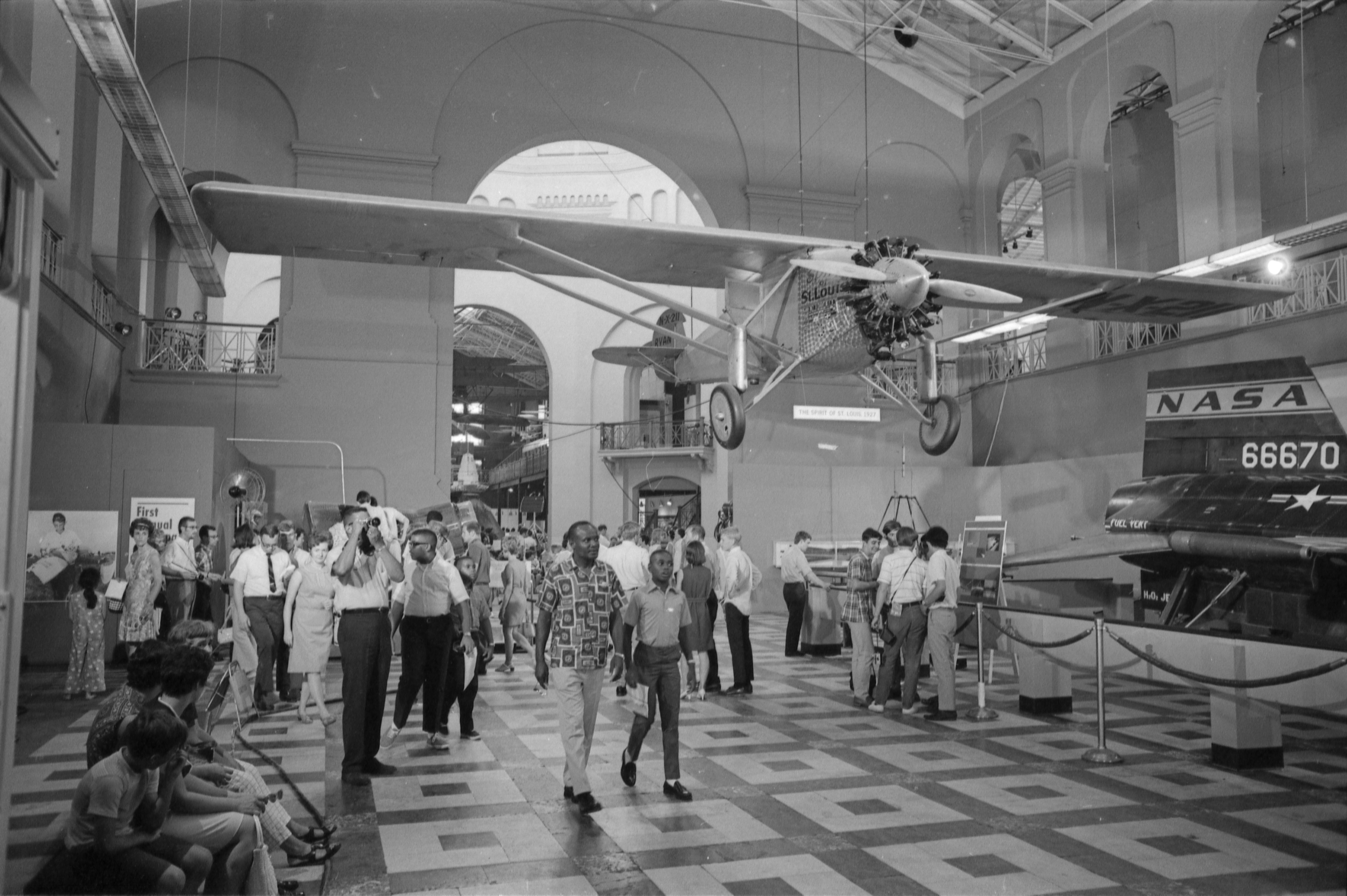
Television and the Smithsonian: The Moon Party and "Instant History"
- Date: November 27, 2012
- Creator: Marcel Chotkowski LaFollette
- Description: On July 20, 1969, television broadcasters and Smithsonian visitors joined in watching history in the making when astronauts stepped onto the Moon.

Science Service, Up Close: Covering the Atom, August 1945
- Date: August 6, 2015
- Creator: Marcel Chotkowski LaFollette
- Description: Details of Helen Miles Davis and Science Service coverage of the atomic bomb.
- Blog Post
The Inhabitants of "Defense Mansion"
- Date: July 14, 2011
- Creator: Marcel Chotkowski LaFollette
- Description: This post is the second in a series this month that honors the anniversary of the famous Scopes Trial, held in Tennessee from July 10–21, 1925, and highlights a set of rare and newly digitized photographs, from the Smithsonian Institution Archives, of witnesses at the trial collections, which have been added to the Smithsonian Flickr Commons. In tone, composition, and setting,
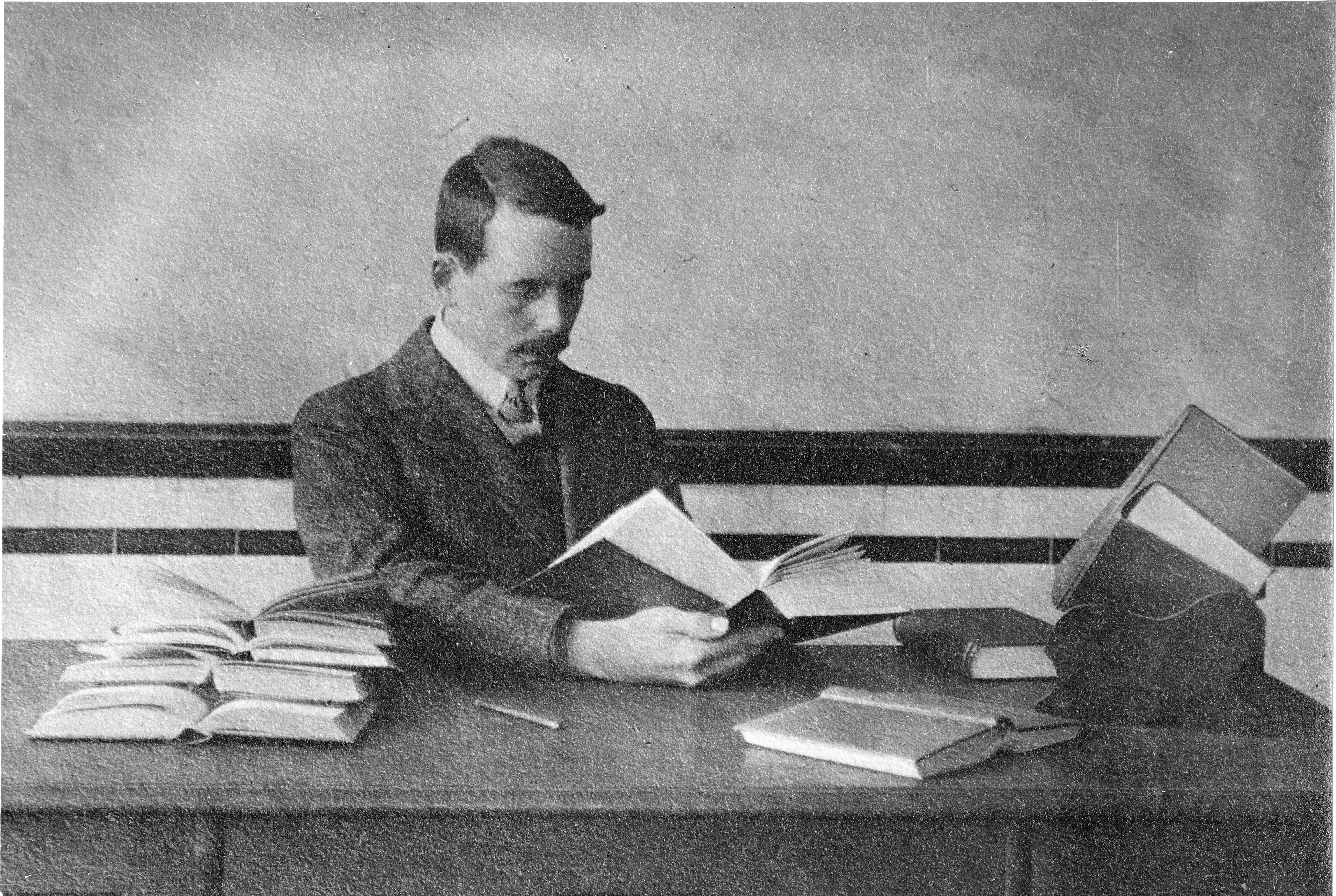
Science Service, Up Close: Two Haunting Portraits of Henry Gwyn Jeffreys Moseley
- Date: November 7, 2019
- Creator: Marcel Chotkowski LaFollette
- Description: A proud mother responded to news service’s request for a photograph of her physicist-son killed during World War I.
- Blog Post
Rediscovering Elizabeth’s Smile
- Date: November 18, 2010
- Creator: Marcel Chotkowski LaFollette
- Description: Access the official records of the Smithsonian Institution and learn about its history, key events, people, and research.
- Blog Post
Digitized Photos and Back Stories
- Date: October 22, 2015
- Creator: Marcel Chotkowski LaFollette
- Description: Discovering the “back story” behind a unique digitized image in the Science Service collections.