
Results for "Smithsonian Institution. Office of Computer Services"
- Blog Post
The Legacy of I. Michael Heyman
- Date: December 7, 2011
- Creator: Pamela M. Henson
- Description: A discussion of the legacy of I. Michael Heyman, who served as the eleventh Secretary of the Smithsonian Institution from 1994 to 1999.

“Muse of Scientific Literature”: Leila Forbes Clark
- Date: March 13, 2018
- Creator: Pamela M. Henson
- Description: In honor of Women’s History Month and the 50th anniversary of Smithsonian Libraries, let’s learn about Leila Gay Forbes Clark (1887-1964), the second woman to direct the Smithsonian’s library. She was beloved by the researchers she worked with (really loved in one case….) and began the restructuring of the many small libraries across the Smithsonian.

Connecting the Oceans: 100th Anniversary of the Panama Canal
- Date: August 14, 2014
- Creator: Pamela M. Henson
- Description: 100 years ago in August of 1914, the Panama Canal opened to commercial shipping. Smithsonian scientists knew the canal would create major environmental changes and have spent the last 100 years documenting them.
- Blog Post
The Burning of the Smithsonian
- Date: January 23, 2015
- Creator: Pamela M. Henson
- Description: One hundred fifty years ago, on January 24, 1865, a massive fire erupted in the west wing of the Smithsonian Castle.
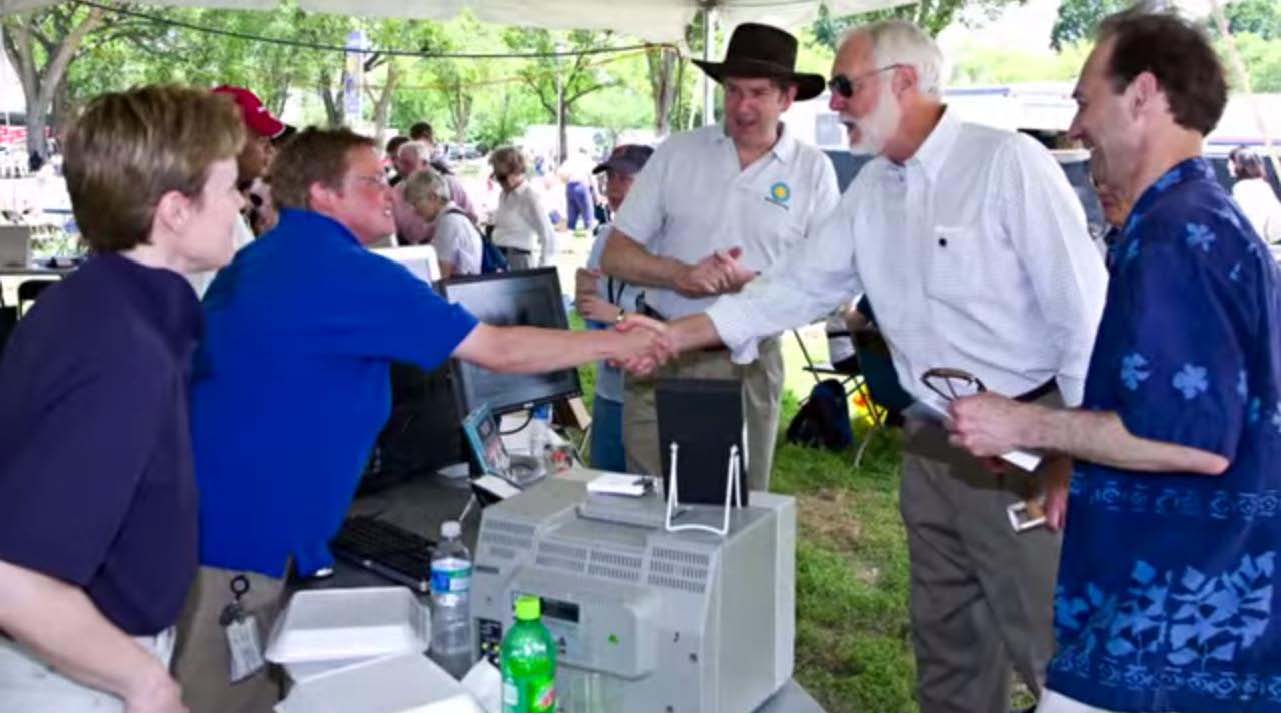
Engineering a Smithsonian for the 21st Century
- Date: December 18, 2014
- Creator: Pamela M. Henson
- Description: As the twelfth Smithsonian Secretary, G. Wayne Clough, retires, historian Pamela Henson looks back on his impact on the Smithsonian in 6 ½ short years – creating a positive dynamic, fostering environmental responsibility, and stimulating collaborations across the Institution.

The Smithsonian Secretaries: That Tall Man from New York, Part I
- Date: April 26, 2016
- Creator: Pamela M. Henson
- Description: A look at the characteristics of the thirteen individuals who have led the Smithsonian.
- Blog Post
“Smithsonian Station”: The Metro Station that Almost Wasn’t
- Date: July 5, 2016
- Creator: Pamela M. Henson
- Description: A station for the Metro, Washington DC’s subway system, was eliminated from early plans but protest by the Smithsonian ensured it would be built.

How did the Smithsonian Respond to the 1918 Pandemic?
- Date: June 11, 2020
- Creator: Pamela M. Henson
- Description: Masks and endless sanitizing again? What has the Smithsonian done during past pandemics? We’ll look back to the public health emergency in 1918.
- Blog Post
“Dependent upon the Kindness of Strangers”: Volunteers and the Smithsonian
- Date: April 10, 2012
- Creator: Pamela M. Henson
- Description: An overview of the contributions volunteers have made at the Archives and across the Smithsonian.
- Blog Post
Protecting Wildlife in Our National Parks: William Temple Hornaday and the American Bison
- Date: August 17, 2011
- Creator: Pamela M. Henson
- Description: August is National Parks Month, a time to celebrate the resources that have been preserved across the country for the public. In August of 1916, the US Congress created the National Park Service which today provides access to unparalleled natural beauty and treasured sites in American history.

The Smithsonian Castle Construction Begins
- Date: March 19, 2019
- Creator: Pamela M. Henson
- Description: The Smithsonian Institution Building, or the “Castle,” is the most iconic of all the Smithsonian’s 769 facilities, which include its nineteen museums, nine research centers, National Zoo, and all of its other establishments. The Castle was the first building constructed specifically for the Smithsonian after it was founded in 1846. On March 19, 1847, a contract was signed with
- Blog Post
Civil War Reconnaissance Takes Flight
- Date: June 18, 2011
- Creator: Pamela M. Henson
- Description: Access the official records of the Smithsonian Institution and learn about its history, key events, people, and research.