
Results for "Smithsonian Institution. Executive Resources Board"
- Blog Post
Teachers’ Night 2012
- Date: October 9, 2012
- Creator: Courtney Bellizzi
- Description: The Smithsonian Institution Archives helps celebrate education at Teachers’ Night 2012.

The Smithsonian Castle Construction Begins
- Date: March 19, 2019
- Creator: Pamela M. Henson
- Description: The Smithsonian Institution Building, or the “Castle,” is the most iconic of all the Smithsonian’s 769 facilities, which include its nineteen museums, nine research centers, National Zoo, and all of its other establishments. The Castle was the first building constructed specifically for the Smithsonian after it was founded in 1846. On March 19, 1847, a contract was signed with
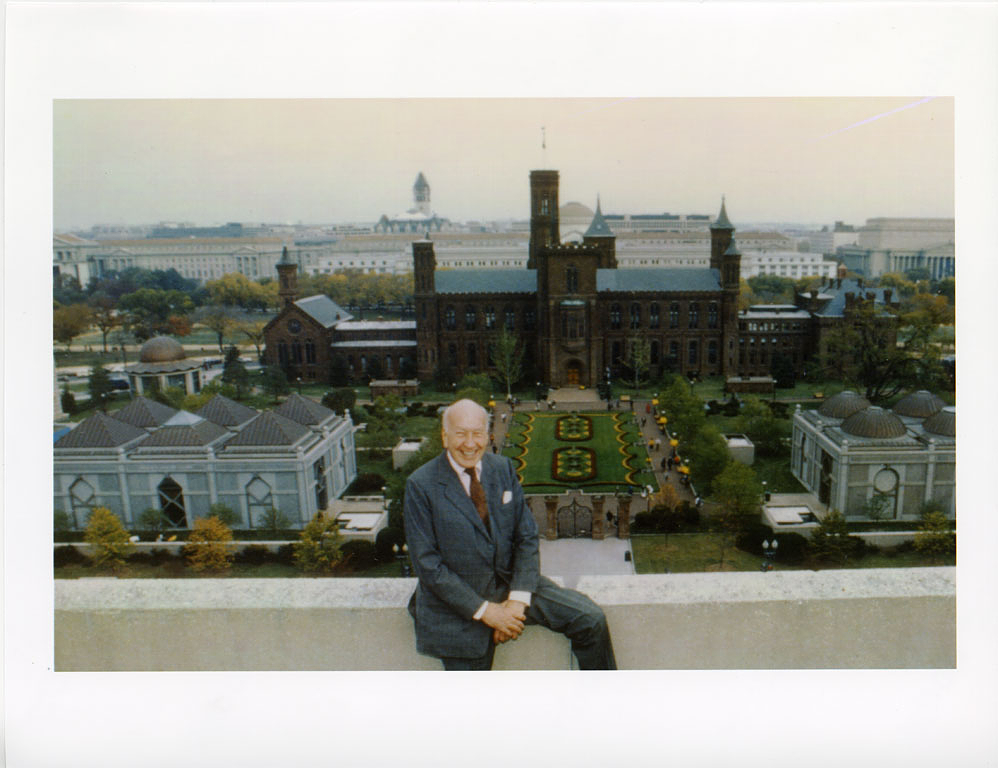
The Smithsonian Secretaries: That Tall Man from New York, Part II
- Date: April 28, 2016
- Creator: Pamela M. Henson
- Description: The 1846 legislation that established the Smithsonian Institution provided for a Secretary, appointed by the Board of Regents, who would run the day-to-day affairs of the Institution. When David Skorton became Secretary last year, he was the thirteenth person to take on that responsibility. In our last blog, we discussed the first six and now we’ll look at seven through
- Blog Post
Volunteers and the Smithsonian: A History
- Date: April 5, 2011
- Creator: Jennifer Wright
- Description: Access the official records of the Smithsonian Institution and learn about its history, key events, people, and research.
- Blog Post
Folklife Festival 2011: Smithsonian-Peace Corps Environmental Program
- Date: July 7, 2011
- Creator: Pamela M. Henson
- Description: The Smithsonian Folklife Festival will be held from June 30 to July 4 and July 7 to 11, 2011 on the National Mall. Read more about the history of the Folklife Festival here. At the Smithsonian Folklife Festival this year, the Peace Corps is celebrating its fiftieth anniversary. On March 1, 1961, President John F. Kennedy signed an Executive Order authorizing the Peace Corps to
- Blog Post
Ask the Smithsonian, Third Time’s the Charm
- Date: October 11, 2012
- Creator: Nora Lockshin
- Description: Experts from the Smithsonian Institution invite visitors to see how to and care for their own archival collections and treasures.

Wonderful Women Wednesday: Caroline Newman
- Date: October 23, 2019
- Creator: Emily Niekrasz
- Description: Caroline Newman, Executive Editor, Smithsonian Press, 1989–2008, brought many popular Smithsonian titles into publication. She also managed relationships with outside publishers seeking partnerships with the Smithsonian. #Groundbreaker
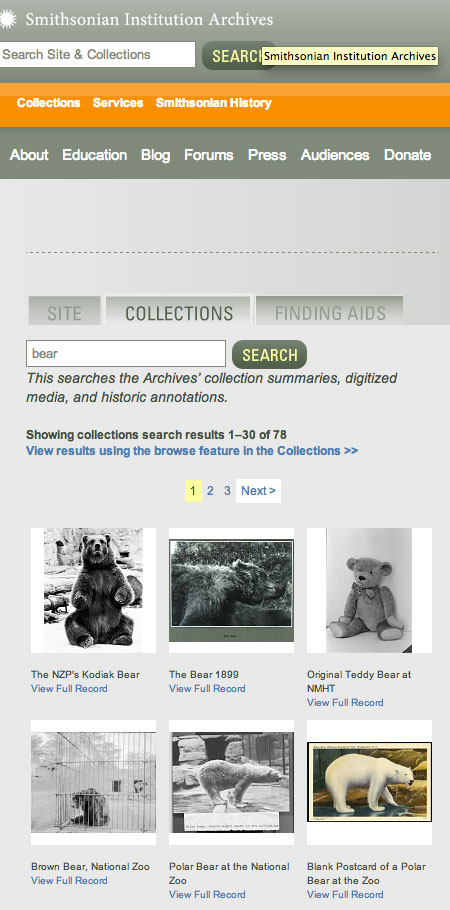
Smithsonian Institution Archives Moves to Drupal 7
- Date: September 26, 2013
- Creator: Andrew Whitesell
- Description: The Smithsonian Institution Archives recently completed an upgrade from Drupal 6 to Drupal 7.

Wonderful Women Wednesday: Dorothy Rosenberg
- Date: October 30, 2019
- Creator: Emily Niekrasz
- Description: Dorothy Rosenberg served as an administrative officer to two Smithsonian Assistant Secretaries, 1959–73, before becoming Executive Assistant to Secretary S. Dillon Ripley, 1973–80. In 1979, she earned the Secretary's Gold Medal for Exceptional Service. Following retirement, Rosenberg was a part-time consultant to Secretary Ripley and Secretary Adams and prepared an extensive
- Blog Post
Museum Computer Network and the Smithsonian Institution: The Vision
- Date: April 13, 2017
- Description: In honor of the 50th anniversary of the Museum Computer Network, this first blog explores the early interactions of MCN with the Smithsonian.
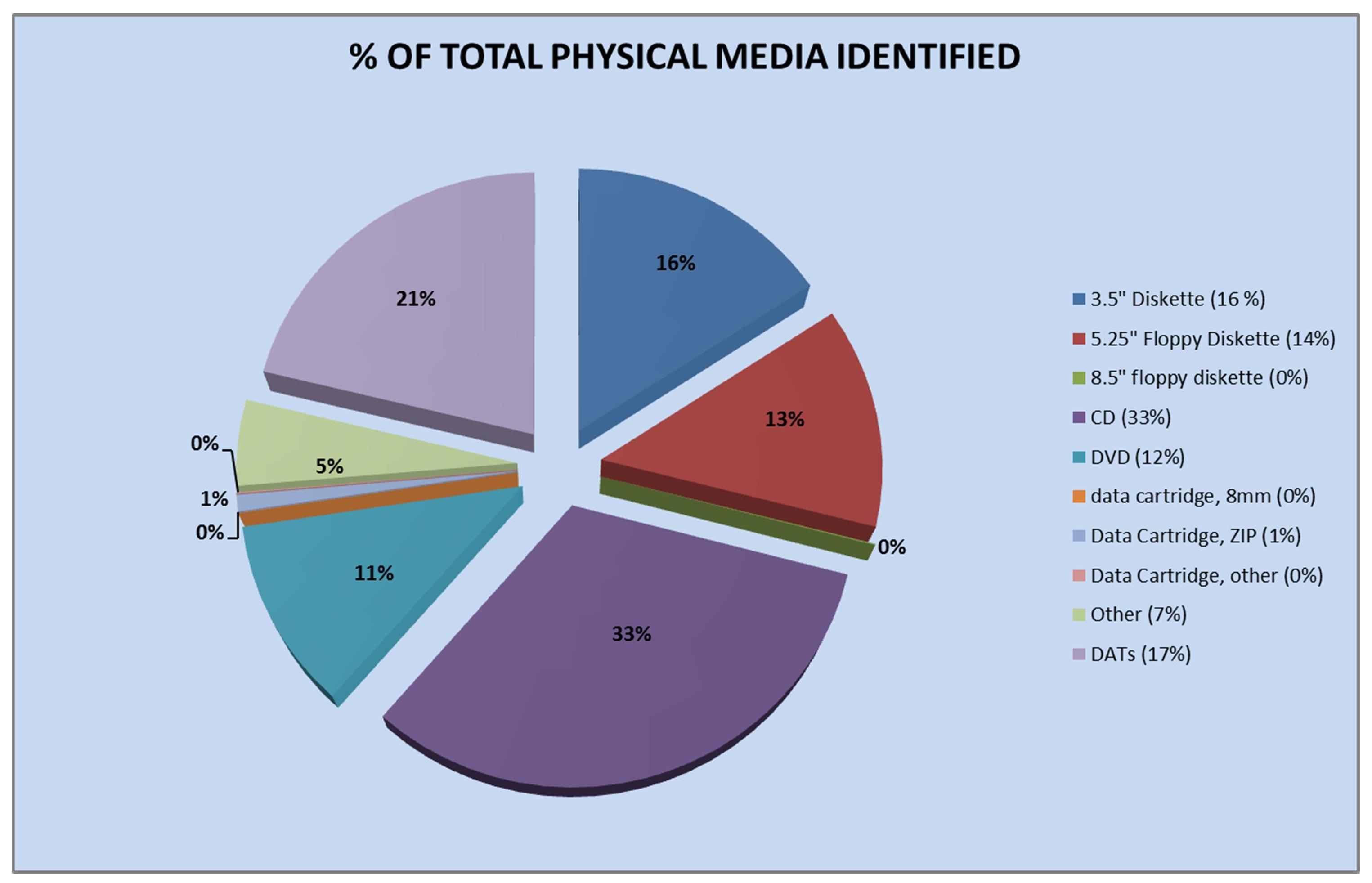
The End of the Beginning: A Born Digital Survey at the Smithsonian Institution
- Date: April 30, 2013
- Description: The CCPF’s Born Digital Survey wrapped up Phase I earlier this Spring, and has compiled the findings to paint a better picture of what rich resources remain unavailable in the Smithsonian’s collections.
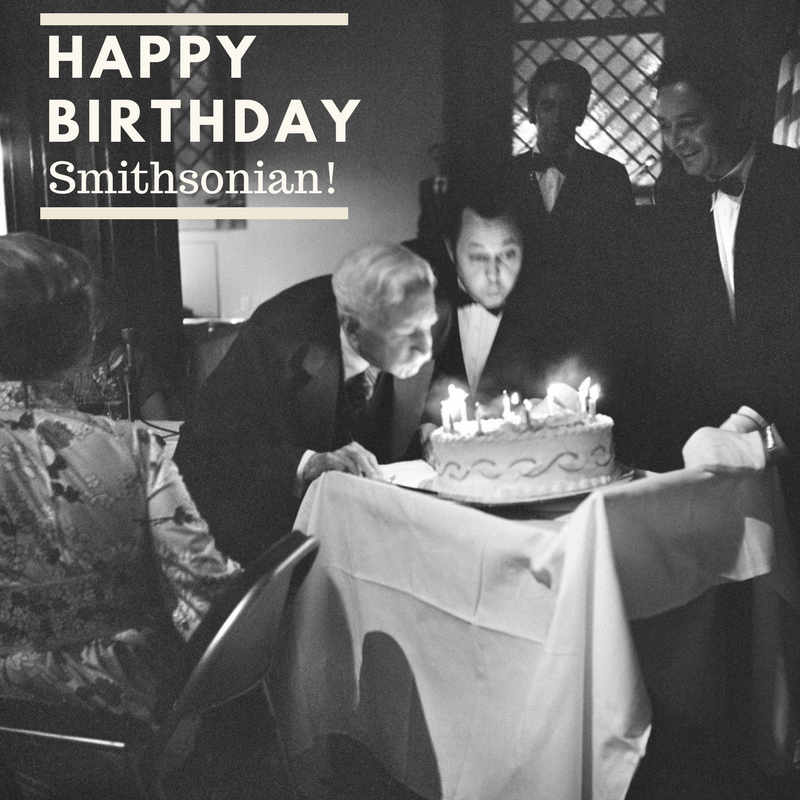
Happy 171st, Smithsonian!
- Date: August 10, 2017
- Creator: Hillary Brady
- Description: A happy 171st birthday to the Smithsonian!