
Results for "Smithsonian Institution. Educational Outreach Fund"
- Blog Post
The Inhabitants of "Defense Mansion"
- Date: July 14, 2011
- Creator: Marcel Chotkowski LaFollette
- Description: This post is the second in a series this month that honors the anniversary of the famous Scopes Trial, held in Tennessee from July 10–21, 1925, and highlights a set of rare and newly digitized photographs, from the Smithsonian Institution Archives, of witnesses at the trial collections, which have been added to the Smithsonian Flickr Commons. In tone, composition, and setting,
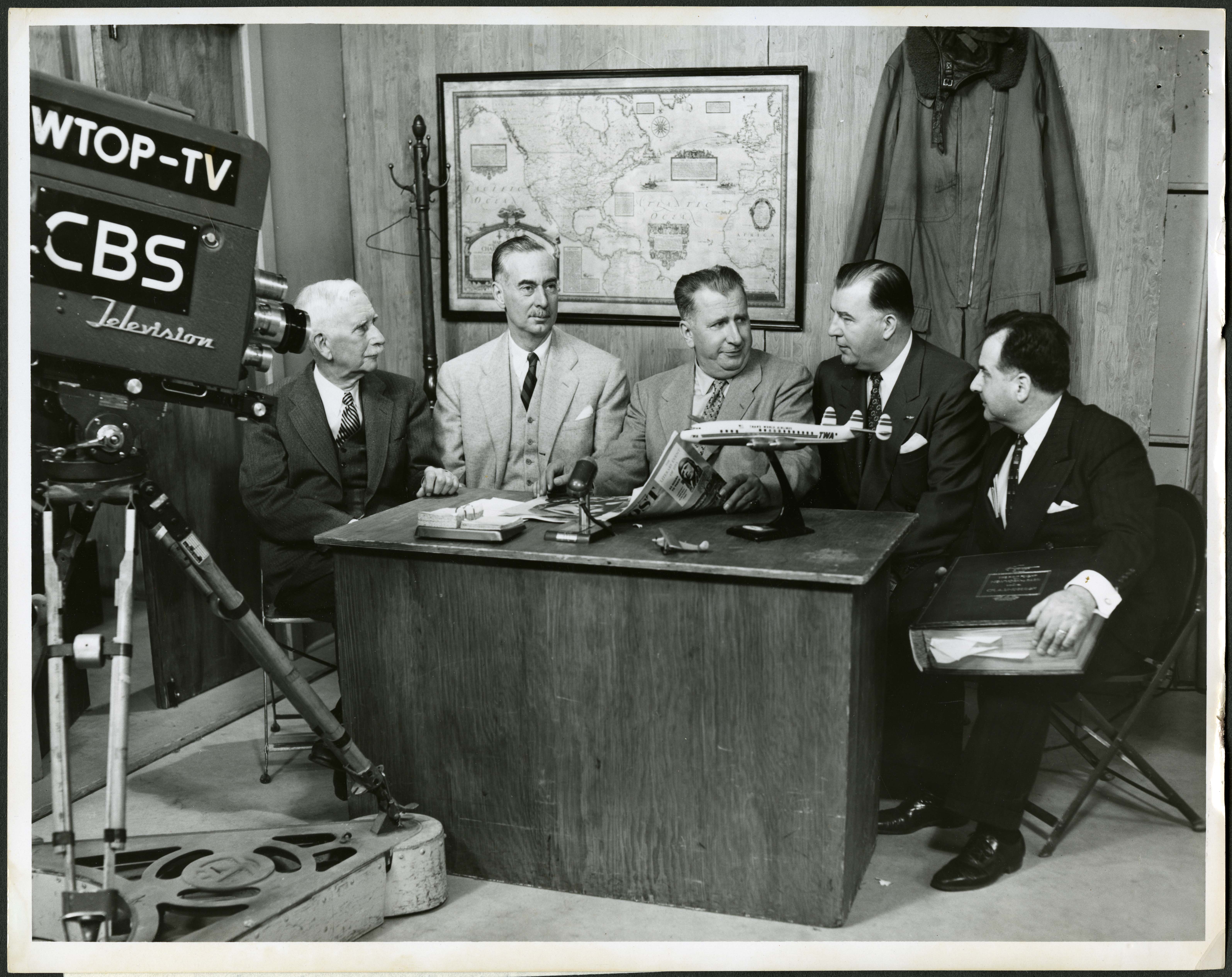
Television and the Smithsonian: The Allure of Objects
- Date: October 15, 2012
- Creator: Marcel Chotkowski LaFollette
- Description: Television often uses museum artifacts to impart reality within illusion, but the real objects retain their power and relevancy.
- Blog Post
Par for the Course
- Date: July 18, 2011
- Creator: Marcel Chotkowski LaFollette
- Description: This post is the third in a series this month that honor the anniversary of the famous Scopes Trial held in Tennessee from July 10–21, 1925. We're highlighting a set of rare and newly digitized photographs from the Smithsonian Institution Archives collections, of witnesses at the trial, which have been added to the Smithsonian Flickr Commons. On Wednesday afternoon, July 15,

Science Service, Up Close: Journalists, Cancer Research, and Public Education
- Date: March 6, 2018
- Creator: Marcel Chotkowski LaFollette
- Description: Cancer, James T. Patterson observed in The Dread Disease, serves as a powerful metaphor in American culture, where the malady mirrors the “manifestation of social, economic, and ideological divisions” in modern life. In the decades since publication of Patterson’s book, medical research has made great strides in methods of detection and treatment. But the challenge for science
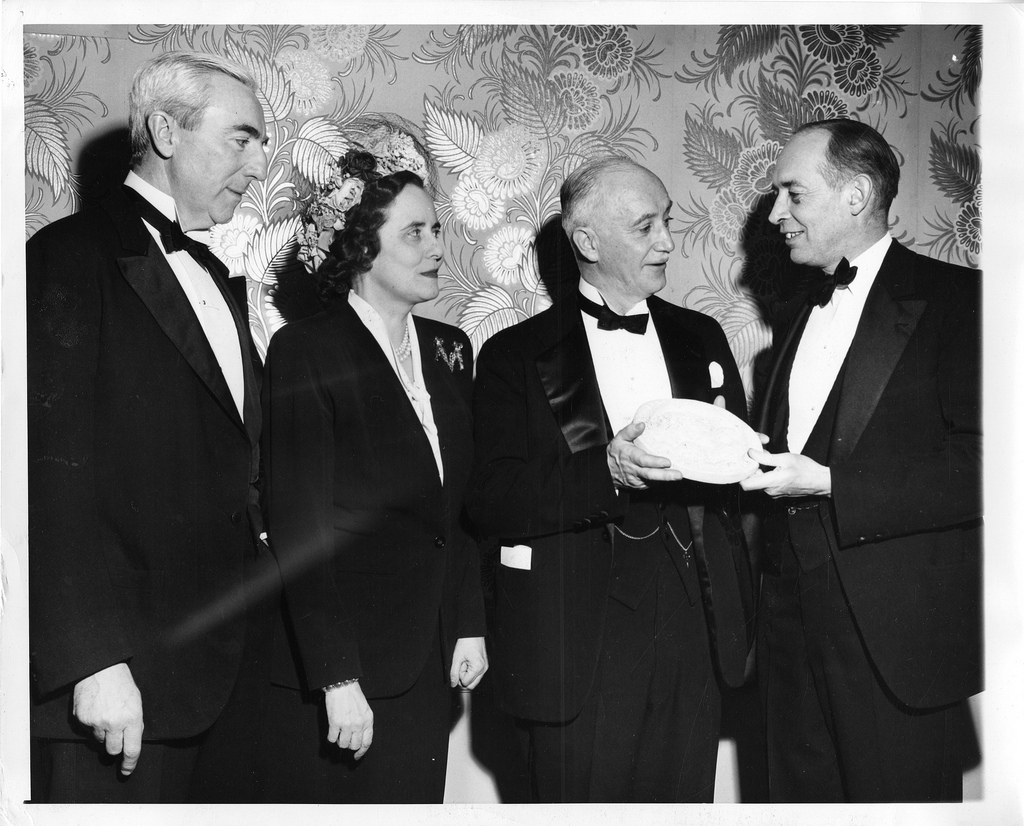
There Are Prizes . . . and There Are Winners
- Date: March 6, 2012
- Creator: Marcel Chotkowski LaFollette
- Description: Nobel prizes are not the only rewards for work improving public health and making the world a better place.

"Open Wide!": Photographs of Dentists and Dental Researchers from the Science Service Collections
- Date: October 10, 2019
- Creator: Marcel Chotkowski LaFollette
- Description: To celebrate National Dental Hygiene Month, the Smithsonian Institution Archives presents photographs of dentists and dental researchers.

Science Service, Up Close: Watson Comes Home
- Date: October 6, 2015
- Creator: Marcel Chotkowski LaFollette
- Description: After successfully completing his 1925 European business trip, 29-year-old Watson Davis headed home on the S.S. Republic, boarding at Cherbourg, France, on October 2. The science journalist had covered the annual meeting of the British Association for the Advancement of Science and discussed with Sir Richard Gregory (Editor of the journal Nature) the plausibility of
- Blog Post
Science Service, Up Close: Of Princes, Princesses, and Science
- Date: June 12, 2018
- Creator: Marcel Chotkowski LaFollette
- Description: As editor E. E. Slosson began setting up the Science Service news office, his mail was flooded with inquiries from potential contributors. Writers and photographers described their accomplishments and submitted samples of their work. One such letter, from Albert Harlingue on April 13, 1921, must have piqued Slosson’s interest, for it coincided with the Washington visit of “a

Frank Thone and a "Square Deal" on Earth Day
- Date: April 22, 2013
- Creator: Marcel Chotkowski LaFollette
- Description: A photo montage of a science journalist and a fly illustrates the man's sense of humor and attitudes toward nature.
- Blog Post
Science Service, Up Close: Up in the Air for a Solar Eclipse
- Date: January 24, 2017
- Creator: Marcel Chotkowski LaFollette
- Description: On January 24, 1925, for the first time in over a century, a total solar eclipse would be visible across the northern part of the United States. How scientists used a dirigible to observe the phenomenon.
Science Service, Up Close: The Microvivarium
- Date: May 12, 2015
- Creator: Marcel Chotkowski LaFollette
- Description: Today’s science museums build on the efforts of biologist George Roemmert (1892-1952), whose “Microvivarium” projected images of amoebas and other microscopic creatures.

Science Service, Up Close: Women in Geology and Paleontology
- Date: March 14, 2019
- Creator: Marcel Chotkowski LaFollette
- Description: To celebrate Women’s History Month, here are two examples of 20th-century women who applied their education and expertise in geology and paleontology outside traditional university career paths.