
Results for "Smithsonian Institution. Archives"
- Blog Post
Going Back to the Smithsonian’s Future
- Date: February 8, 2018
- Creator: Lisa Fthenakis
- Description: Today on The Bigger Picture, we are highlighting the anniversary of the 1927 Conference on the Future of the Smithsonian which brought together people from across the country – scientists, academics, politicians, and private citizens – to advise on the future role of the Smithsonian. For this, we bring you a piece from Smithsonian Archives Program Assistant Lisa Fthenakis,
- Blog Post
The Smithsonian’s First Garden
- Date: May 31, 2018
- Creator: Lisa Fthenakis
- Description: [edan-image:id=siris_sic_9273,size=500,center]Have you ever heard of Smithsonian Park? If you are visiting the Smithsonian today, probably not. But if you had visited the Smithsonian in the 1850s, it would have been one of the first things you experienced.Smithsonian Park occupied the area between the Smithsonian Institution Building, or the Castle, and Downtown Washington,
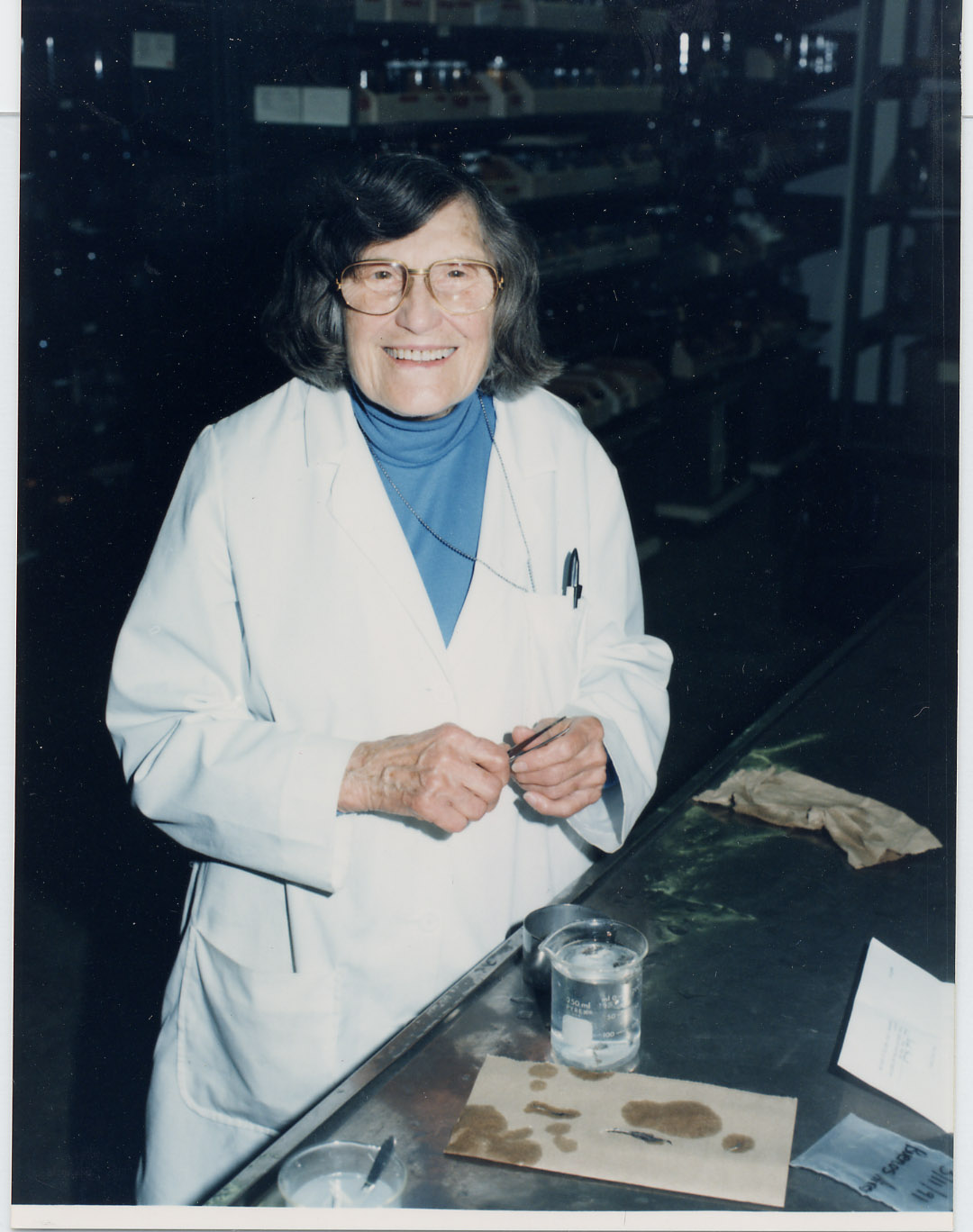
Sharing A Love of Birds: Roxie Laybourne
- Date: January 5, 2017
- Creator: Lisa Fthenakis
- Description: [edan-image:id=siris_arc_308449,size=250,left]Though Roxie Laybourne may be a well-known topic here in the Smithsonian Institution Archives, there is a good reason she is so popular. From good advice to her pioneering career to modern day inspiration, her work offers new insight each time we turn to it. Laybourne’s interest in natural history began long before she began her
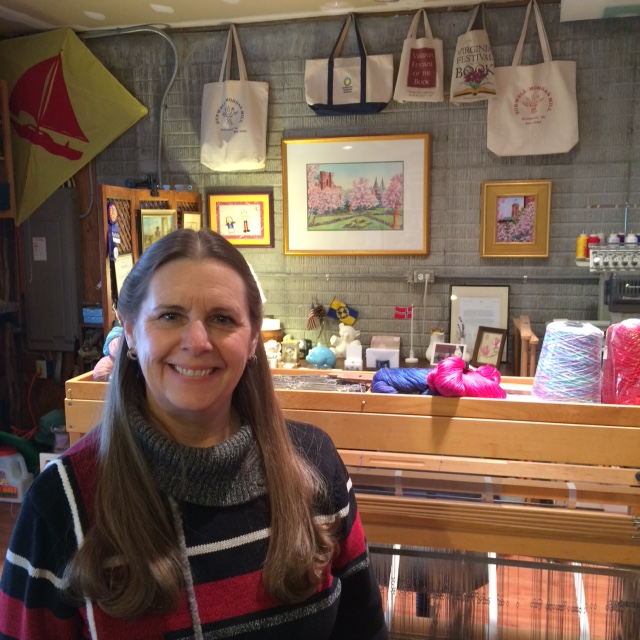
Volunteer Appreciation: Kathy Boi
- Date: April 14, 2016
- Creator: Lisa Fthenakis
- Description: We celebrate Volunteer Appreciation Month by recognizing Kathy Boi, an oral history project volunteer.

Animals Behind the Castle: The Department of Living Animals
- Date: July 18, 2017
- Creator: Lisa Fthenakis
- Description: Before Congress created the National Zoo, the Smithsonian's Department of Living Animals kept it’s collection of animals behind the Castle.
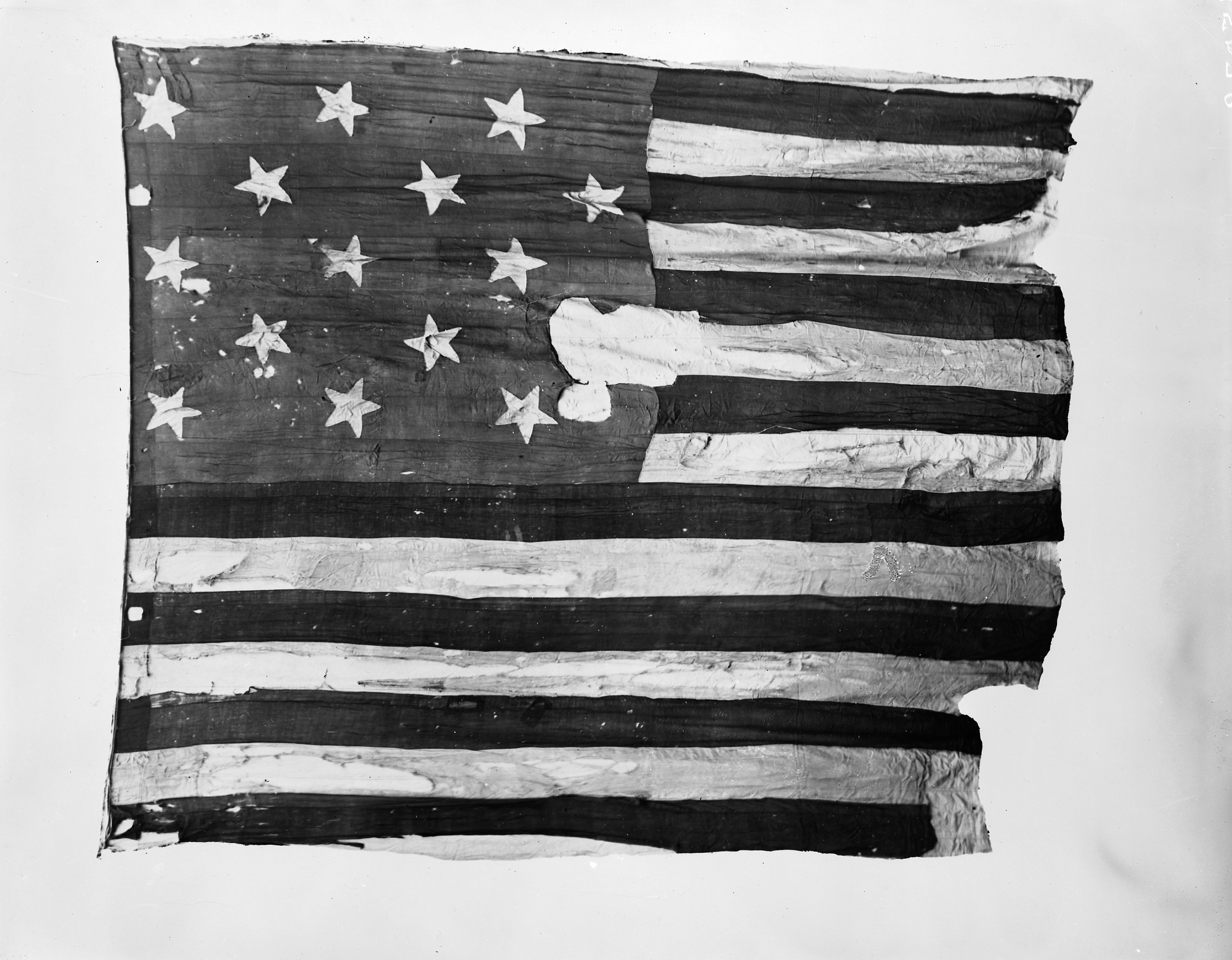
2016’s Top Ten Smithsonian History Images
- Date: December 29, 2016
- Creator: Lisa Fthenakis
- Description: The Smithsonian Institution Archives makes thousands of historic images of the exhibits, events, and happenings at the Smithsonian available online and, as the year comes to a close, we thought this would be a good time to take a look at some of the year’s most popular Smithsonian History images. You can search the History of the Smithsonian catalog at siris.si.edu to find

Volunteer Appreciation: Petrina Foti
- Date: April 11, 2017
- Creator: Lisa Fthenakis
- Description: We celebrate Volunteer Appreciation Month by recognizing Petrina Foti, whose work contributes to our oral history collections.

Wonderful Women Wednesday: Marie C. Malaro
- Date: September 12, 2018
- Creator: Lisa Fthenakis
- Description: Marie C. Malaro was a lawyer in the Smithsonian's Office of General Counsel and published two landmark books on ethics and legal issues facing museums. #Groundbreaker

Smithsonian in Wartime – A New Web Exhibit!
- Date: August 9, 2016
- Creator: Lisa Fthenakis
- Description: Announcing a new web exhibit exploring the Smithsonian’s role in the nation’s war efforts.
- Blog Post
50 Years of Folklife
- Date: June 29, 2017
- Creator: Lisa Fthenakis
- Description: [edan-image:id=siris_sic_10193,size=175,left]Fifty years ago the Smithsonian embarked on a new venture to bring the culture on display in the museum to life with the first Smithsonian Folklife Festival. Then called the Festival of American Folklife, it set out to show that the crafts shown inside museums are also still alive and well across the country.

Camera Craze Comes to the Smithsonian
- Date: April 26, 2018
- Creator: Lisa Fthenakis
- Description: It would be hard to imagine stepping into a Smithsonian museum today and not seeing a single camera. Digital cameras and smart phones with cameras are so completely a part of today’s museum-going experience that - unless a flash goes off in your face – you probably wouldn’t notice the camera next to you. However, in 1938, you would have seen a very different sight. On August

Welcome Secretary Skorton!
- Date: October 20, 2015
- Creator: Lisa Fthenakis
- Description: The Smithsonian Institution welcomes it’s thirteenth Secretary, David J. Skorton with an installation ceremony.