
Results for "Smithsonian Institution. Administrative Service Center"
- Blog Post
Science Service, Up Close: John Clavon Norman, Jr. – Pathbreaking Cardiac Surgeon and Researcher
- Date: August 23, 2018
- Creator: Marcel Chotkowski LaFollette
- Description: [edan-image:id=siris_arc_395101,size=300,left]When Harvard Medical School distributed these photographs of John Clavon Norman, Jr., M.D. (1930-2014) to news services in the 1960s, Dr. Norman was at an exciting stage of his career. The young physician had already made quite a journey, but there would be even more paths to blaze. He had been born in West Virginia to parents who
- Blog Post
The Inhabitants of "Defense Mansion"
- Date: July 14, 2011
- Creator: Marcel Chotkowski LaFollette
- Description: This post is the second in a series this month that honors the anniversary of the famous Scopes Trial, held in Tennessee from July 10–21, 1925, and highlights a set of rare and newly digitized photographs, from the Smithsonian Institution Archives, of witnesses at the trial collections, which have been added to the Smithsonian Flickr Commons. In tone, composition, and setting,

Science Service, Up Close: Women in Geology and Paleontology
- Date: March 14, 2019
- Creator: Marcel Chotkowski LaFollette
- Description: To celebrate Women’s History Month, here are two examples of 20th-century women who applied their education and expertise in geology and paleontology outside traditional university career paths.

Science Service, Up Close: The Periodic Chart
- Date: January 3, 2017
- Creator: Marcel Chotkowski LaFollette
- Description: Henry David Hubbard (1870-1943), a physicist at the U.S. National Bureau of Standards, designed the first edition of the "Periodic Chart of the Atoms" in 1924. The chart is still in use today, continually updated to reflect new elements.
- Blog Post
Science Service, Up Close: The “Porcupine” Letters
- Date: October 17, 2019
- Creator: Marcel Chotkowski LaFollette
- Description: A 1936 exchange of letters about the prickly porcupine preserves both a contemporary scientific debate and the wit and wisdom of a young Utah girl with a beloved pet.
- Blog Post
Science Service, Up Close: Field Work at Yellowstone
- Date: July 2, 2015
- Creator: Marcel Chotkowski LaFollette
- Description: Who is the man at right, standing in Yellowstone National Park with Dutch geologist Henrik Albertus Brouwer?
- Blog Post
Science Service, Up Close: White House Science Advisors, from Roosevelt to Nixon
- Date: May 11, 2017
- Creator: Marcel Chotkowski LaFollette
- Description: May 11 is the anniversary of establishment of the White House Office of Science and Technology Policy (OSTP). That 1976 legislation further ratified the influence of scientists on national policy, positioning them to provide ready advice to the President.

Science Service, Up Close: The Sleeplessness Study, Part 1 - Insomniacs
- Date: August 18, 2015
- Creator: Marcel Chotkowski LaFollette
- Description: In 1925, seven George Washington University students volunteered to stay awake for sixty hours, and drove, danced, sang, and swam in an effort to remain alert.
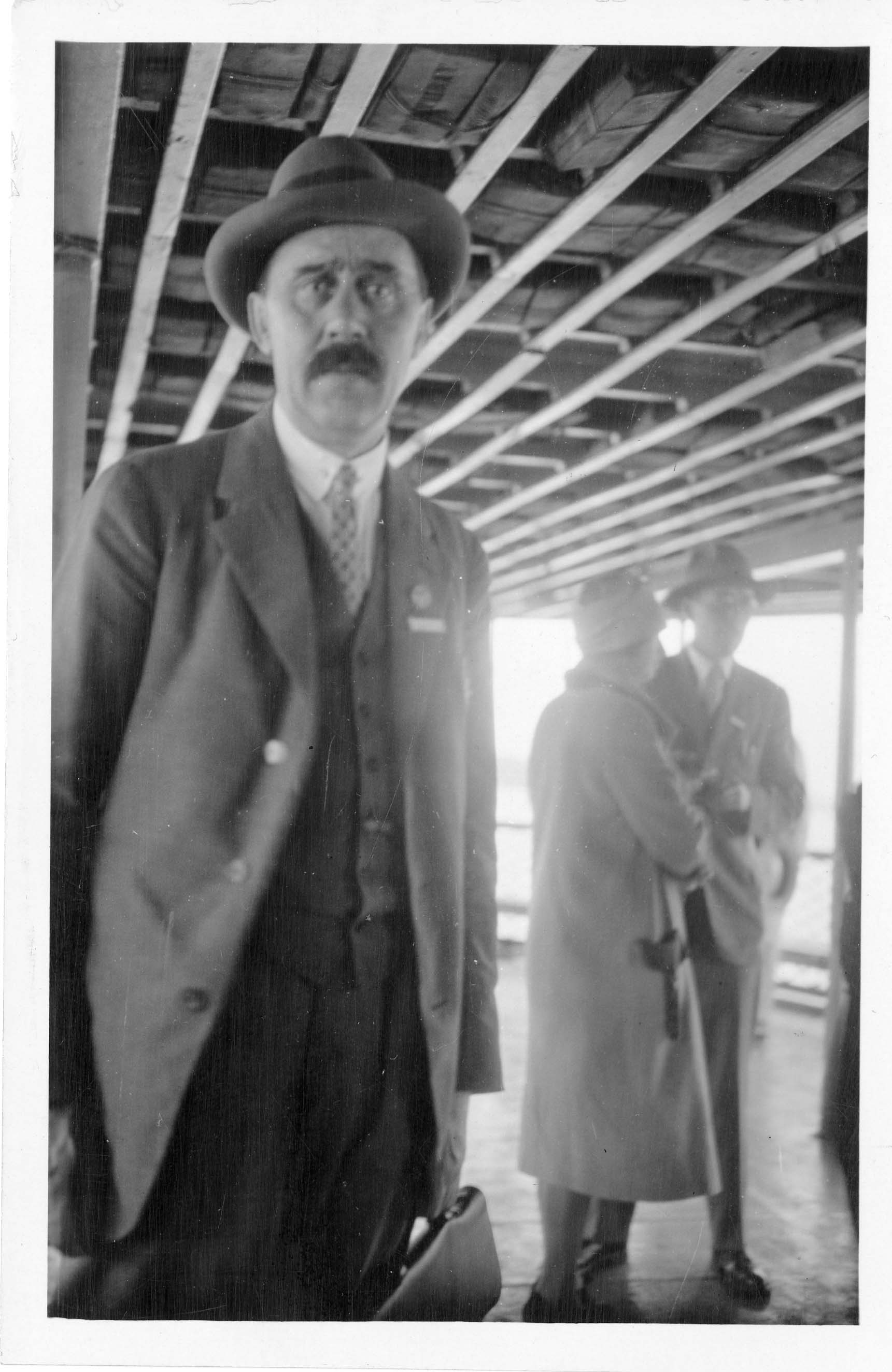
Science Service, Up Close: A Slow Boat Down the River
- Date: June 18, 2015
- Creator: Marcel Chotkowski LaFollette
- Description: Watson Davis photographed visiting scientists on a June 1927 Potomac River boat trip to Mount Vernon.
- Blog Post
Science Service, Up Close: Father’s Day “Gene-ius”
- Date: June 13, 2019
- Creator: Marcel Chotkowski LaFollette
- Description: To celebrate Father’s Day 2019, here are three photographs of famous fathers and sons in biology and physics.
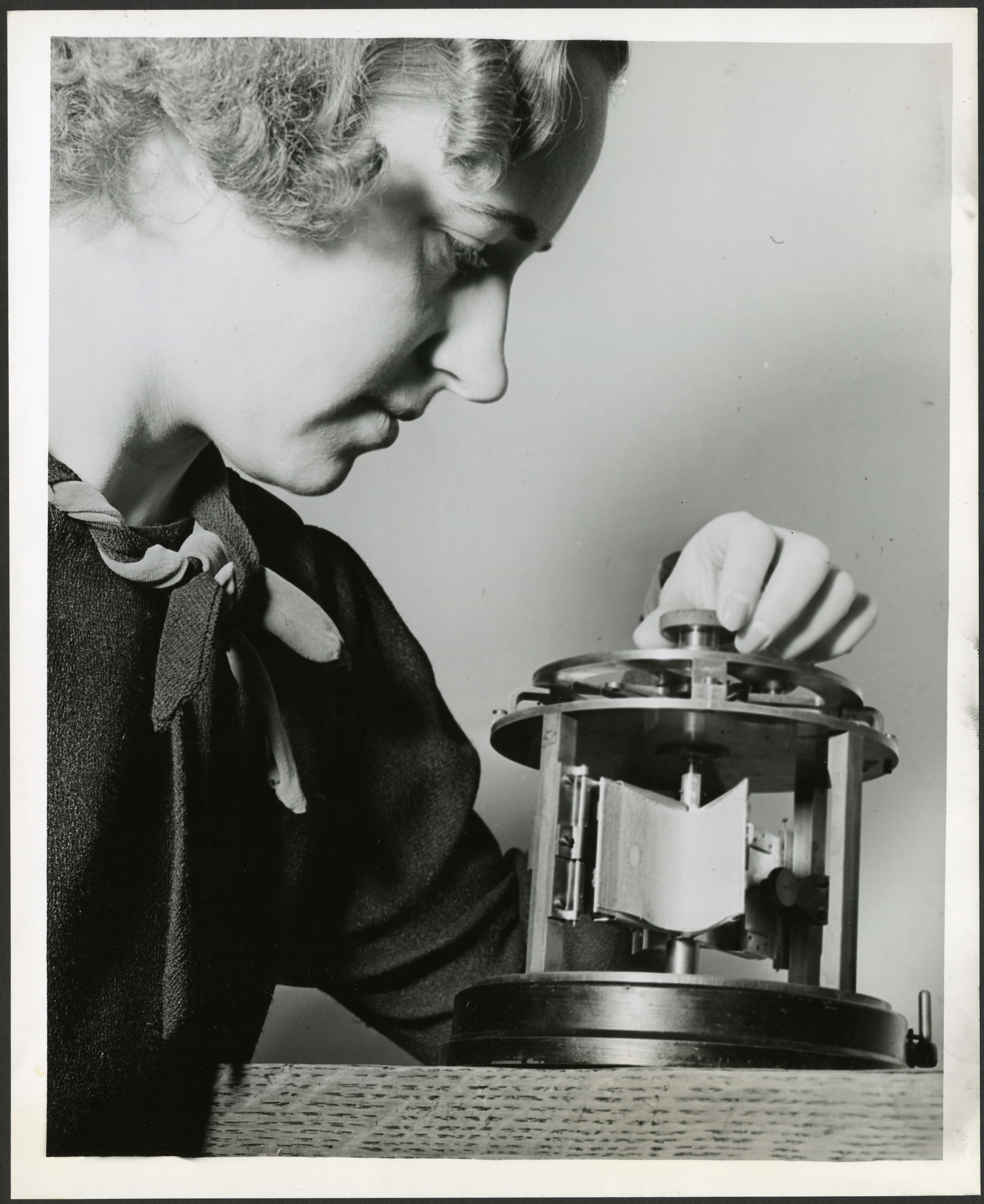
Science Service, Up Close: Ruby K. Worner
- Date: November 12, 2015
- Creator: Marcel Chotkowski LaFollette
- Description: A look at the brilliant work and sharp insight of a trailblazing woman chemist, Ruby K. Worner.
- Blog Post
Science Service, Up Close: Charles Bittinger and the Worlds of Science and Art
- Date: December 6, 2016
- Creator: Marcel Chotkowski LaFollette
- Description: The work of painter Charles Bittinger, bridging the worlds of science and art.