
Results for "Smithsonian Institution yesterday & today (Monograph : 1984)"
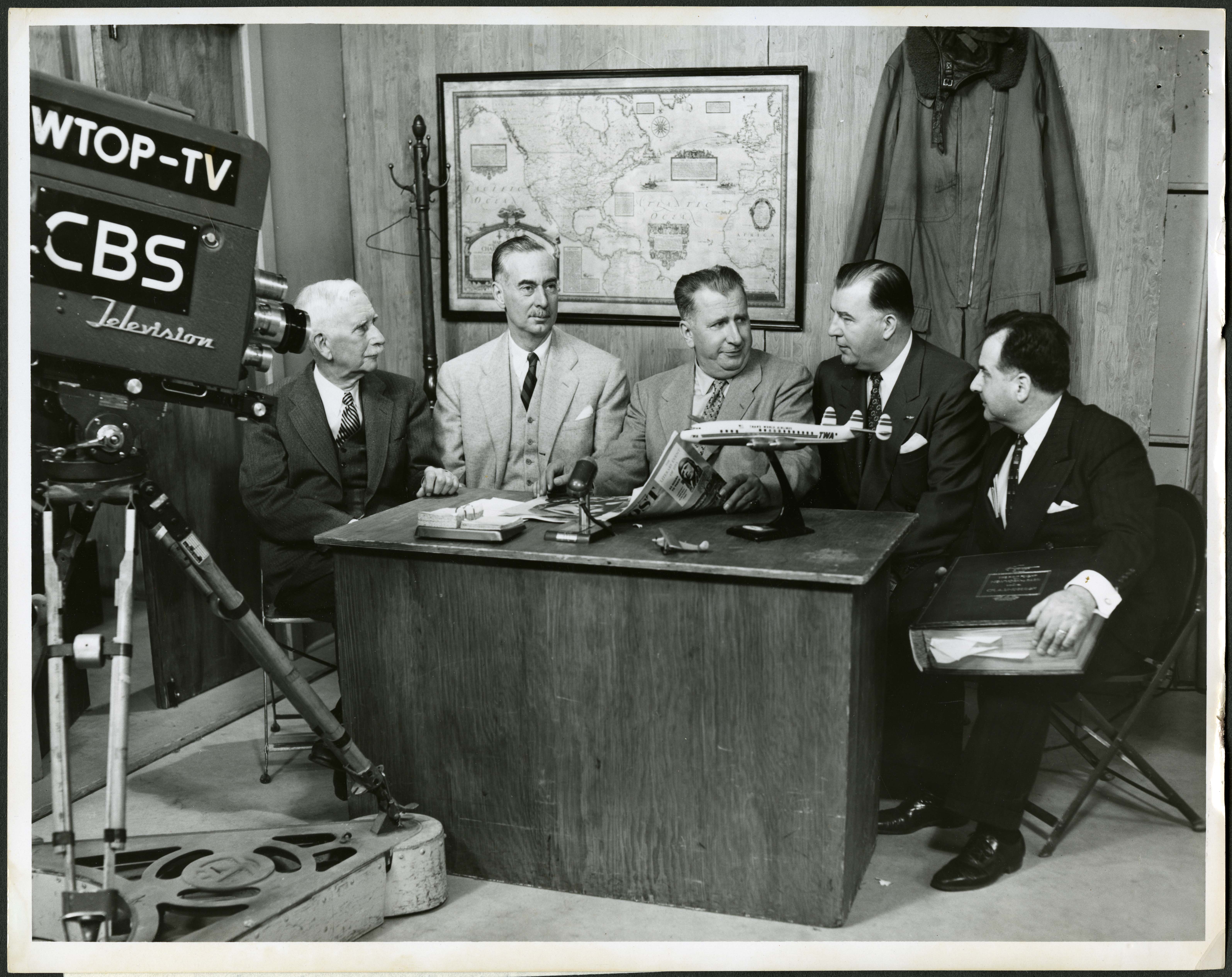
Television and the Smithsonian: The Allure of Objects
- Date: October 15, 2012
- Creator: Marcel Chotkowski LaFollette
- Description: Television often uses museum artifacts to impart reality within illusion, but the real objects retain their power and relevancy.
- Blog Post
Television and the Smithsonian: Worldly Success
- Date: December 18, 2012
- Creator: Marcel Chotkowski LaFollette
- Description: For six seasons, beginning in 1984, the television series Smithsonian World opened new windows on the research and scientists at the Smithsonian Institution.
- Blog Post
Par for the Course
- Date: July 18, 2011
- Creator: Marcel Chotkowski LaFollette
- Description: This post is the third in a series this month that honor the anniversary of the famous Scopes Trial held in Tennessee from July 10–21, 1925. We're highlighting a set of rare and newly digitized photographs from the Smithsonian Institution Archives collections, of witnesses at the trial, which have been added to the Smithsonian Flickr Commons. On Wednesday afternoon, July 15,
- Blog Post
Scientists Arrive in Dayton...and Find a Mansion
- Date: July 11, 2011
- Creator: Marcel Chotkowski LaFollette
- Description: Access the official records of the Smithsonian Institution and learn about its history, key events, people, and research.

Science Service, Up Close: The Periodic Chart
- Date: January 3, 2017
- Creator: Marcel Chotkowski LaFollette
- Description: Henry David Hubbard (1870-1943), a physicist at the U.S. National Bureau of Standards, designed the first edition of the "Periodic Chart of the Atoms" in 1924. The chart is still in use today, continually updated to reflect new elements.
- Blog Post
Fame ... By Any Other Name
- Date: March 20, 2012
- Creator: Marcel Chotkowski LaFollette
- Description: How social media has changed the ways that scientists, particularly women, can achieve fame in their respective fields.

Science Service, Up Close: Elegant Transparency
- Date: May 26, 2016
- Creator: Marcel Chotkowski LaFollette
- Description: A slide show of photographs of laboratory interiors from the Science Service collection.
- Blog Post
Science Service, Up Close: Stuff Matters
- Date: September 3, 2015
- Creator: Marcel Chotkowski LaFollette
- Description: Science Service photographs, while having good identifying information, can still be helped by the cybercommunity to fill in some of the mission information.
- Blog Post
Science Service, Up Close: Of Princes, Princesses, and Science
- Date: June 12, 2018
- Creator: Marcel Chotkowski LaFollette
- Description: As editor E. E. Slosson began setting up the Science Service news office, his mail was flooded with inquiries from potential contributors. Writers and photographers described their accomplishments and submitted samples of their work. One such letter, from Albert Harlingue on April 13, 1921, must have piqued Slosson’s interest, for it coincided with the Washington visit of “a
- Blog Post
Publicity, Politics, and Physics
- Date: March 10, 2010
- Creator: Marcel Chotkowski LaFollette
- Description: Long ago and far away, before gray hairs and creaky knees, before history became my passion, I was an undergraduate physics major. Physics seemed fascinating and beautiful, if difficult. Later, after career paths led into history and science policy, I learned that physics, however elegant, did not reside in a cultural vacuum. Its people and discoveries coexisted with

Science Service, Up Close: George Sarton, Watson Davis, and “Panache”
- Date: June 23, 2016
- Creator: Marcel Chotkowski LaFollette
- Description: For historians of science, the name “Sarton” resonates like a deep-throated bell. Isis, the international journal that chemist and mathematician George Sarton (1884-1956) founded in Belgium in 1913, is now the premier publication of the History of Science Society. The field he envisioned is flourishing as well as continually responding to changes in science and its social
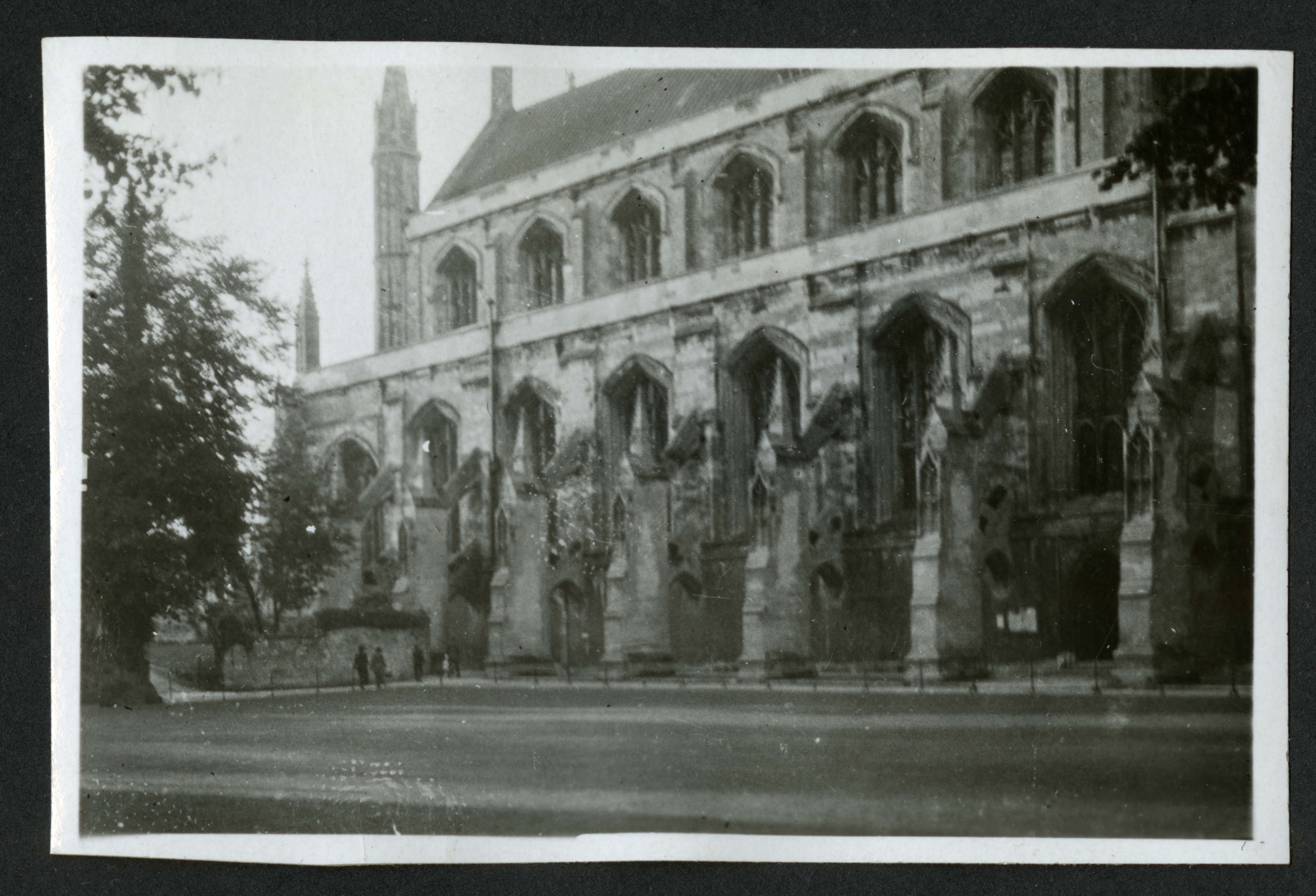
Science Service, Up Close: Where Was Watson?
- Date: September 15, 2015
- Creator: Marcel Chotkowski LaFollette
- Description: Help the Smithsonian Institution Archives identify the locations of Watson Davis’s vacation photographs from August and September 1925.