
Results for "Smithsonian Institution yesterday & today (Monograph : 1984)"
- Blog Post
Science Service, Up Close: Of Princes, Princesses, and Science
- Date: June 12, 2018
- Creator: Marcel Chotkowski LaFollette
- Description: As editor E. E. Slosson began setting up the Science Service news office, his mail was flooded with inquiries from potential contributors. Writers and photographers described their accomplishments and submitted samples of their work. One such letter, from Albert Harlingue on April 13, 1921, must have piqued Slosson’s interest, for it coincided with the Washington visit of “a

Introducing the Science Media Group YouTube Playlist
- Date: June 29, 2021
- Description: The Smithsonian Institution Archives YouTube channel has a new dedicated playlist for the Science Media Group Collection, which features videos from the Smithsonian Astrophysical Observatory program that was active from 1989 to 2013.
- Blog Post
Publicity, Politics, and Physics
- Date: March 10, 2010
- Creator: Marcel Chotkowski LaFollette
- Description: Long ago and far away, before gray hairs and creaky knees, before history became my passion, I was an undergraduate physics major. Physics seemed fascinating and beautiful, if difficult. Later, after career paths led into history and science policy, I learned that physics, however elegant, did not reside in a cultural vacuum. Its people and discoveries coexisted with

Embracing the Crowd
- Date: April 15, 2014
- Creator: Effie Kapsalis
- Description: When I started working with museums in 2005, the concept of crowdsourcing was in its infancy. That year, James Surowiecki ‘s book, “The Wisdom of Crowds,” was published and there were tiny experiments in crowdsourcing occurring in the cultural heritage sector. There were hesitations and objections about the whole concept within the GLAM (gallery, library, archive, museum)
- Blog Post
Records and Information Management Month: The Registrar
- Date: April 23, 2010
- Creator: Jennifer Wright
- Description: Did you know that April is Records and Information Management Month? What is records and information management? Glad you asked! [caption id="" align="alignleft" width="240" caption="Dan Brown Books, by Federico Filacchione, Creative Commons: Attribution 2.0."][/caption] Information is collected data, thoughts, ideas, or memories. Records are documents that contain information
2017 Top Blog Posts
- Date: December 19, 2017
- Creator: Effie Kapsalis
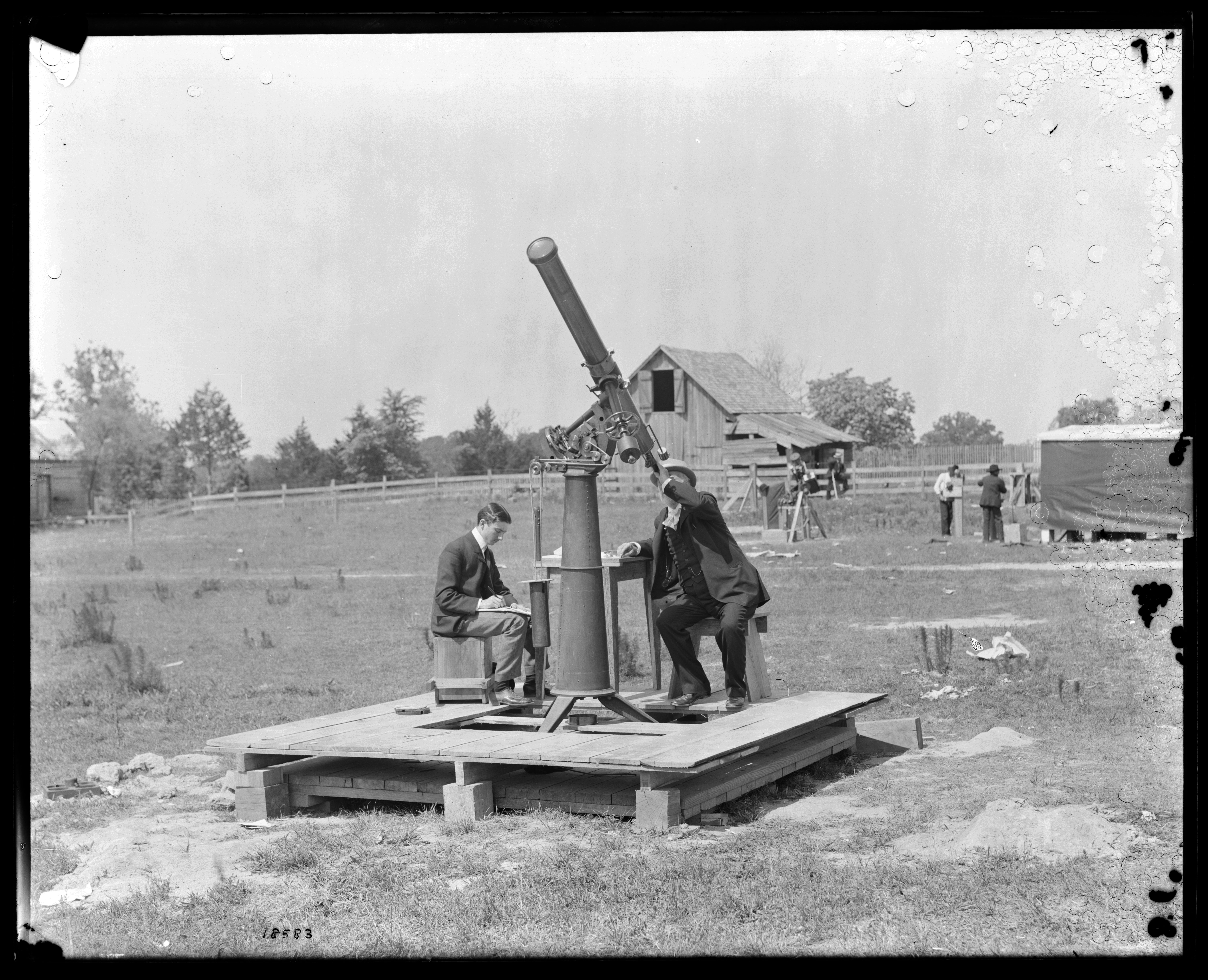
- Description: It's interesting to look back and see what resonated with you, our readers, this past year. Clearly, we along with many of you were fascinated by the solar eclipse of 2017 that was viewable from many parts of the U.S. Three of the top 10 were about solar eclipses. You also were captivated by our efforts to bring more attention to women in science. Three of the posts have to do

Link Love: 9/5/2014
- Date: September 5, 2014
- Creator: Mitch Toda
- Description: Link Love: a weekly blog feature with links to interesting videos and stories regarding archival issues, the Smithsonian, and history.
Women in the Office of Protection Services
- Date: March 12, 2019
- Creator: Lisa Fthenakis
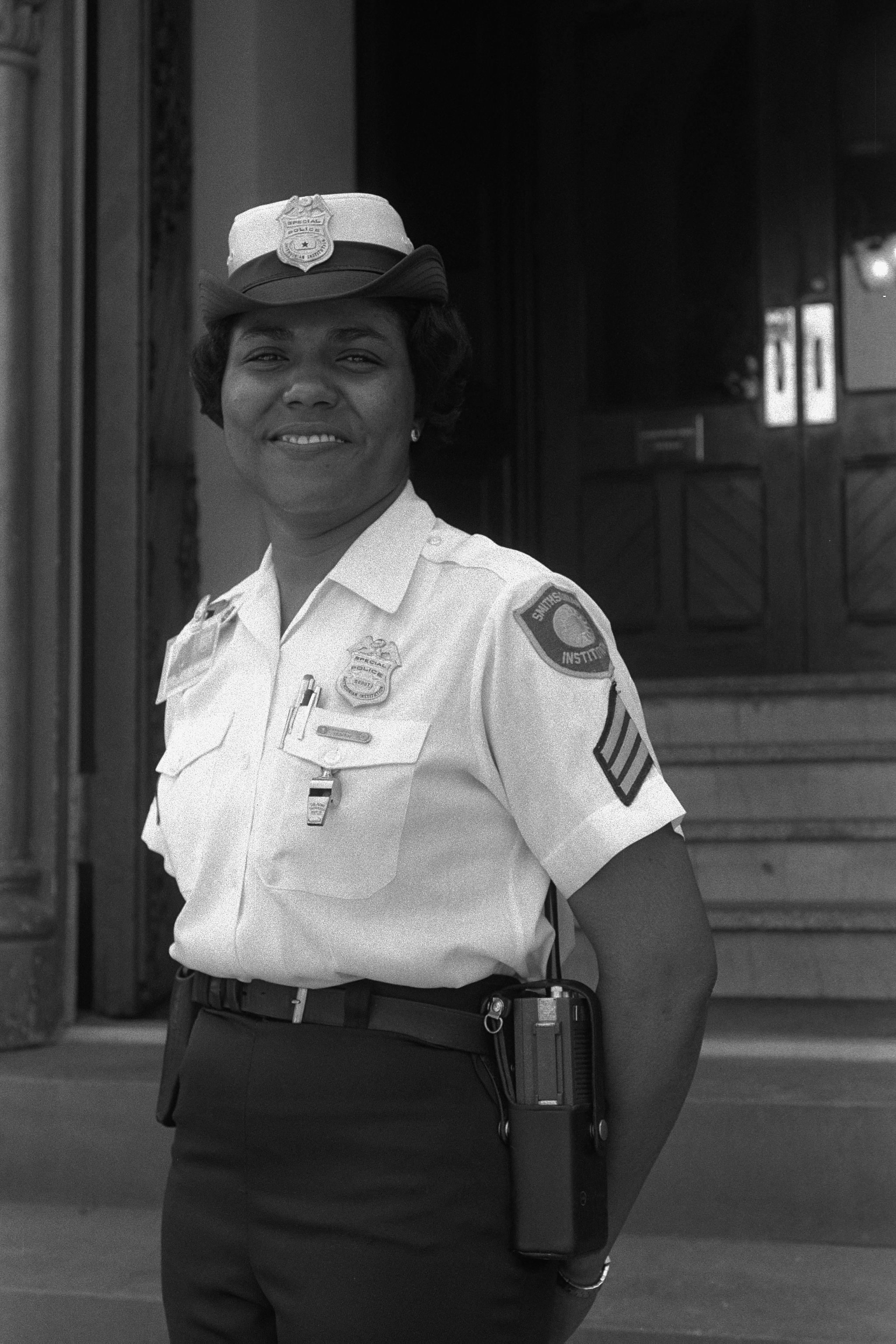
- Description: In 1974, women joined the Smithsonian security force and they have been rising through the ranks ever since.
- Blog Post
Cherry Blossoms, Travel Logs, and Colonial Connections: Eliza Scidmore’s Contributions to the Smithsonian
- Date: August 18, 2020
- Description: Eliza Scidmore was a lifelong photographer, writer, and world traveler. In addition to facilitating a gift of cherry blossom trees from Japan to the U.S. capital, Scidmore donated her time, photographs, and some artifacts to the Smithsonian’s collections. She also accessed the world through colonial channels that she reinforced with her writings.
- Blog Post
Smithson’s Bequest to London’s East End
- Date: October 23, 2014
- Creator: Pamela M. Henson
- Description: When James Smithson wrote his will on October 23, 1826, he made several bequests to people before adding the contingent clause that created the Smithsonian Institution. One bequest was to a resident of London’s notorious East End.
Link Love: 4/22/16
- Date: April 22, 2016
- Creator: Effie Kapsalis
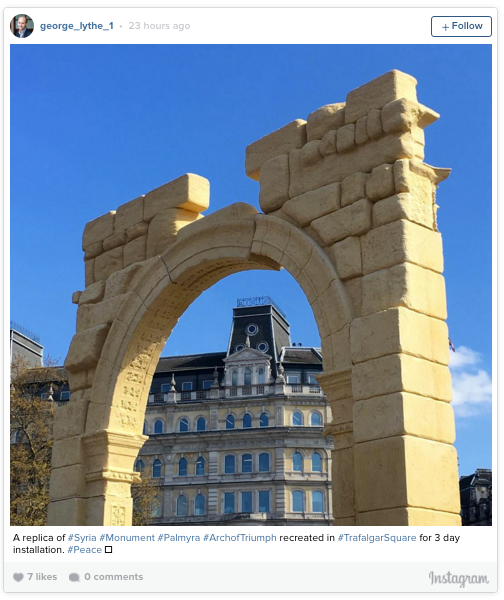
- Description: Palmyra's Arch de Triumph (recreated) stands again in London, brought to you by 3D tech. [via Hyperallergic]New digital collection available; Cold War archives. [via InfoDocket]A new book of Pablo Neruda poetry found by archivists is about to be published. [via Link Love: a weekly blog feature with links to interesting videos and stories regarding archival issues, the
- Blog Post
Call for Entries! Seeing Other Worlds
- Date: May 8, 2009
- Creator: Catherine Shteynberg
- Description: How can photography help us see things that would otherwise go unnoticed in our everyday lives? How does photography change our perception of the world? If you have ideas about this, consider contributing your image and story to the new click! photography changes everything call for entry: "Seeing Other Worlds." While you’re at it, check out some of our click!