
Results for "Smithsonian Institution Sesquicentennial (1996: Washington, D.C.)"

Science Service, Up Close: “Charlie Is My Darling” — Lindbergh in Washington, June 1927
- Date: February 2, 2017
- Creator: Marcel Chotkowski LaFollette
- Description: On June 11, 1927, 25-year-old Charles Lindbergh, and his plane Spirit of St. Louis, arrived back in the United States, and Washington, D.C. threw a party.
- Blog Post
Rediscovering Elizabeth’s Smile
- Date: November 18, 2010
- Creator: Marcel Chotkowski LaFollette
- Description: Access the official records of the Smithsonian Institution and learn about its history, key events, people, and research.
- Blog Post
Science Service, Up Close: Telephone Books, Wax Turkeys, and Talking Chickens
- Date: March 8, 2016
- Creator: Marcel Chotkowski LaFollette
- Description: In the U.S. Department of Agriculture (USDA) Office of Exhibits, Margaret Jane Russell Roller (1888-1973) had begun to specialize in fabricating lifelike wax models of food and animals.
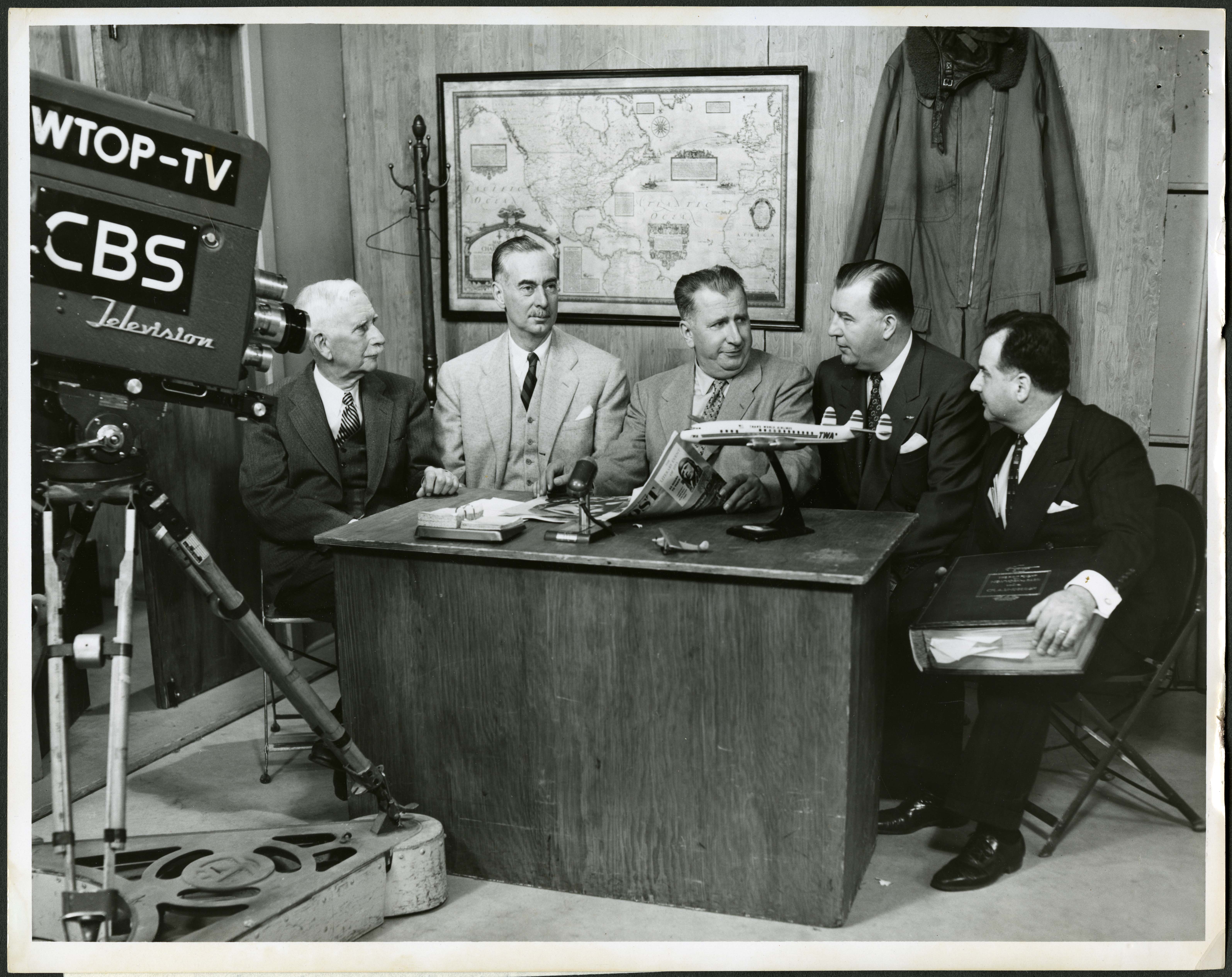
Television and the Smithsonian: The Allure of Objects
- Date: October 15, 2012
- Creator: Marcel Chotkowski LaFollette
- Description: Television often uses museum artifacts to impart reality within illusion, but the real objects retain their power and relevancy.
- Blog Post
Scientists Arrive in Dayton...and Find a Mansion
- Date: July 11, 2011
- Creator: Marcel Chotkowski LaFollette
- Description: Access the official records of the Smithsonian Institution and learn about its history, key events, people, and research.
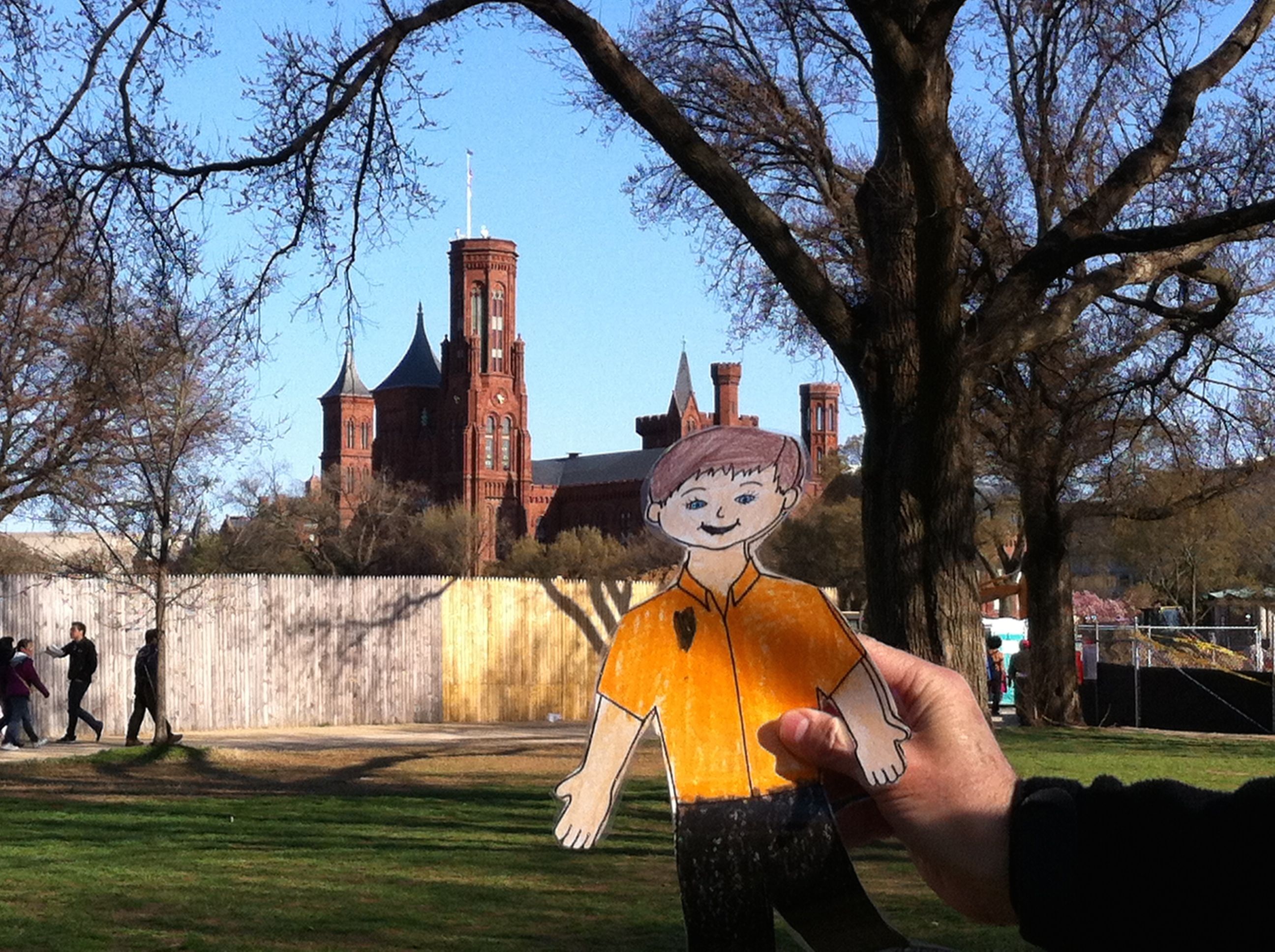
Science Service, Up Close: The Microvivarium
- Date: May 12, 2015
- Creator: Marcel Chotkowski LaFollette
- Description: Today’s science museums build on the efforts of biologist George Roemmert (1892-1952), whose “Microvivarium” projected images of amoebas and other microscopic creatures.

Science Service, Up Close: Patent Parades, Silk Purses, and Snake Bite Remedies
- Date: March 30, 2017
- Creator: Marcel Chotkowski LaFollette
- Description: Everyone loves a parade – especially one followed by a banquet. When scientists and politicians met in Washington, D.C., on November 23, 1936, to celebrate the centennial of the U.S. patent system, they listened first to a conventional program of speeches. Then, in the afternoon, Science Service director Watson Davis arranged something different: a “Research Parade” featuring
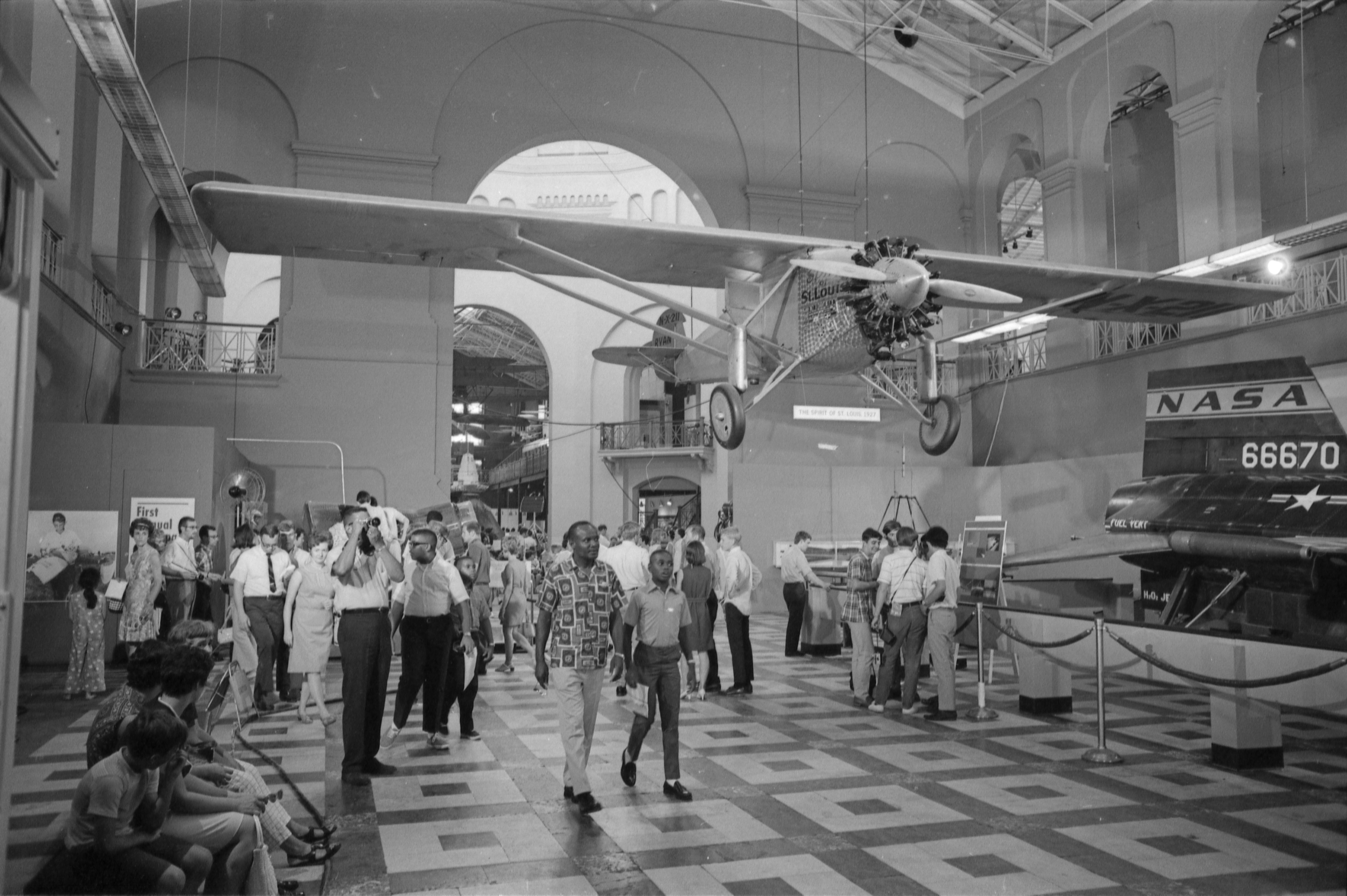
Television and the Smithsonian: The Moon Party and "Instant History"
- Date: November 27, 2012
- Creator: Marcel Chotkowski LaFollette
- Description: On July 20, 1969, television broadcasters and Smithsonian visitors joined in watching history in the making when astronauts stepped onto the Moon.
- Blog Post
Science Service, Up Close: Charles Bittinger and the Worlds of Science and Art
- Date: December 6, 2016
- Creator: Marcel Chotkowski LaFollette
- Description: The work of painter Charles Bittinger, bridging the worlds of science and art.
- Blog Post
Science Service, Up Close: Emma Reh Paints Fruits and Flowers with Words
- Date: July 10, 2018
- Creator: Marcel Chotkowski LaFollette
- Description: [edan-image:id=siris_arc_306419,size=200,left]During World War II, Science Service correspondent Emma Reh (1896-1982) spent several years living and working in Paraguay. Her letters home, like the ones written when she worked in Mexico and the American West, typically combined personal and professional news with her colorful descriptions of the countryside and people.Emma had

Science Service, Up Close: Radio Extends the Audience, Inauguration Day, 1925
- Date: January 19, 2017
- Creator: Marcel Chotkowski LaFollette
- Description: President Calvin Coolidge's second inauguration in 1925 reaches an audience of millions, thanks to a new technological innovation--the radio.

Science Service, Up Close: Covering the Atom, August 1945
- Date: August 6, 2015
- Creator: Marcel Chotkowski LaFollette
- Description: Details of Helen Miles Davis and Science Service coverage of the atomic bomb.