
Results for "Smithsonian Environmental Research Center"
- Blog Post
Smithsonian Scientists at Work
- Date: April 20, 2017
- Description: [view:sia_slideshow==75408]Scientific research has been integral to the Smithsonian, from its founding to today. The Smithsonian's founder, Englishman James Smithson, saw in the U.S. (according to his biographer, Heather Ewing) "a place of the future" that could support "science and progress for humanity." He believed that scientists were "citizens of the world" and that the
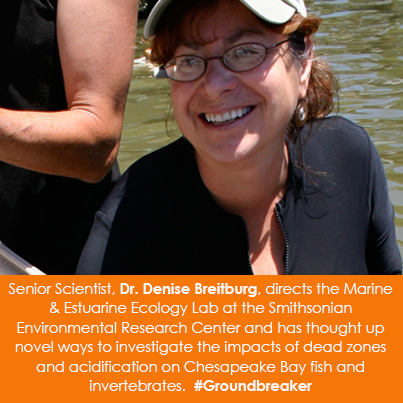
Women in Science Wednesday: Dr. Denise Breitburg
- Date: January 28, 2015
- Creator: Effie Kapsalis
- Description: Senior Scientist, Denise Breitburg, directs the Marine & Estuarine Ecology Lab at the Smithsonian Environmental Research Center, and has developed novel ways to investigate the impacts of dead zones and acidification on Chesapeake Bay fish and invertebrates. #Groundbreaker
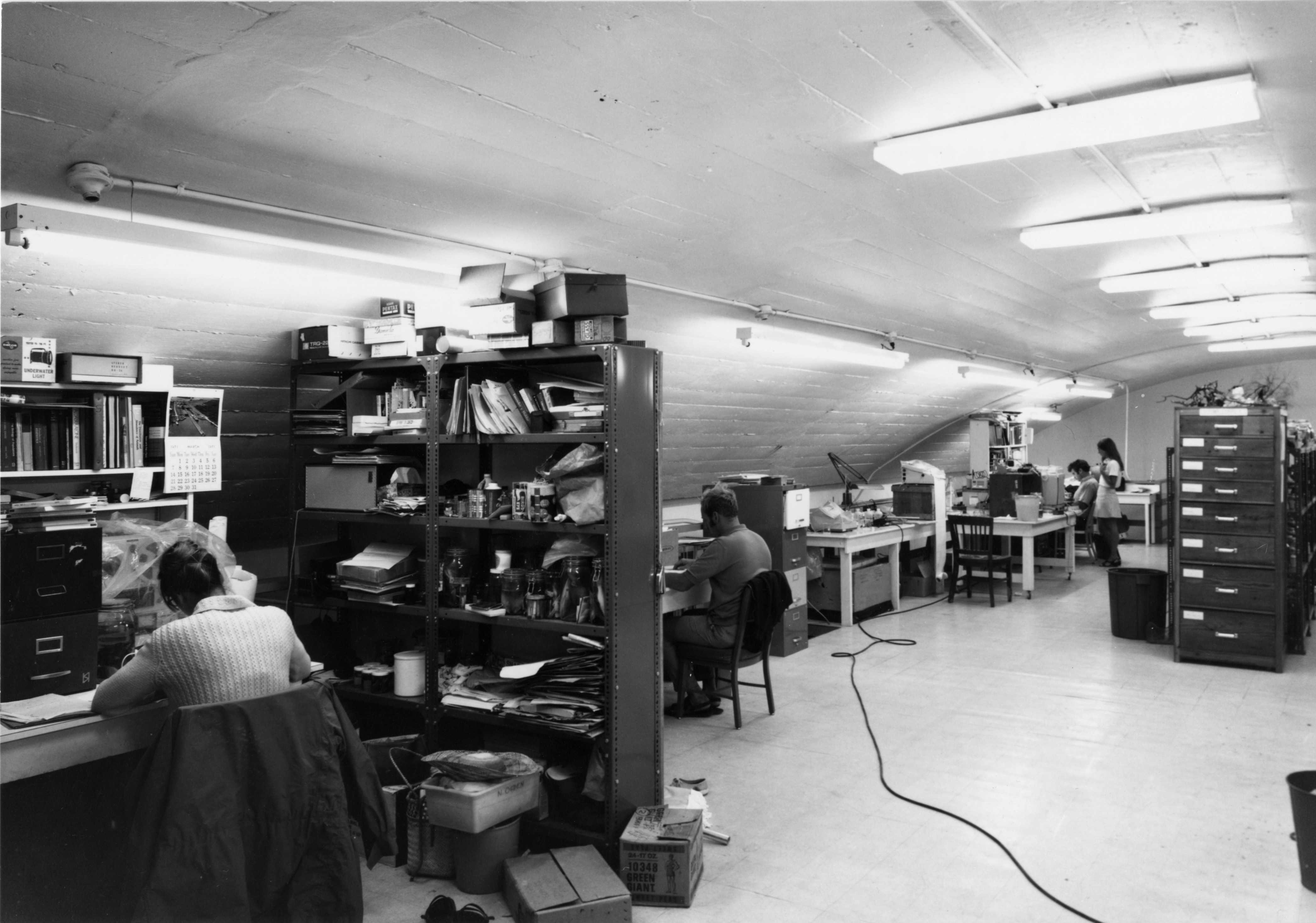
Wonderful Women Wednesday: Roberta W. Rubinoff
- Date: August 19, 2020
- Creator: Emily Niekrasz
- Description: Roberta Wolff Rubinoff was a biologist at the Smithsonian Tropical Research Institute in Panama between 1965 and 1979. In 1980, she was appointed the assistant director of the Office of Fellowships and Grants in Washington, D.C., and from 1986 to 2001, she served in the top role as director of the office.In Panama, Rubinoff served as the marine sciences coordinator and

Link Love: 3/20/2020
- Date: March 20, 2020
- Description: Link Love: a weekly post with links to interesting videos and stories about archival issues, technology and culture, and Washington D.C. and American history.
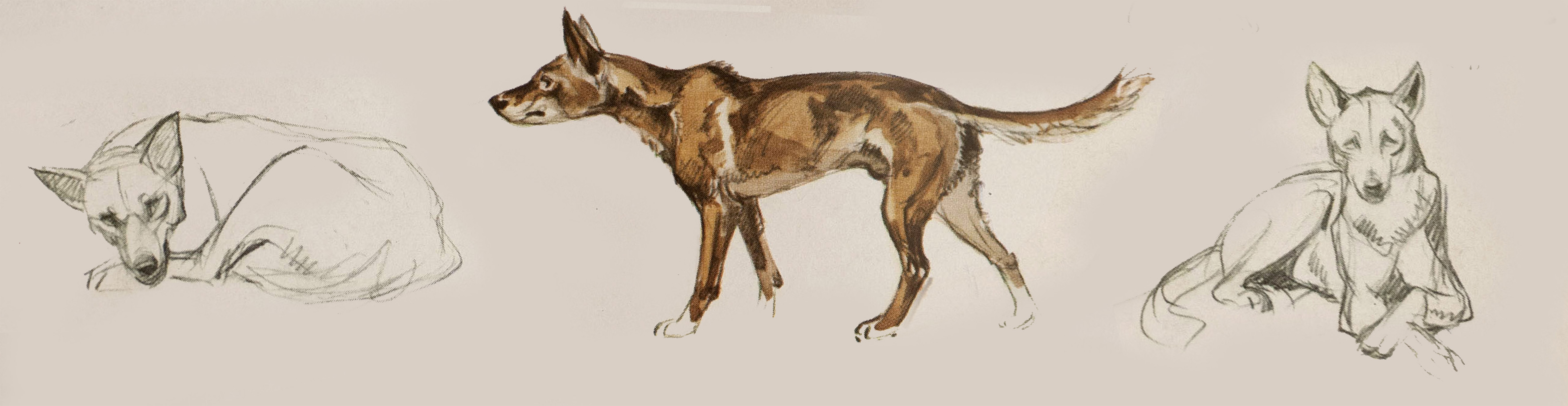
International Travels of the Australian Canis Dingo: Part I
- Date: June 13, 2017
- Description: The cultural history of the Australian dingo and the species’ connection to the National Zoo.
- Blog Post
The Smithsonian’s First Garden
- Date: May 31, 2018
- Creator: Lisa Fthenakis
- Description: [edan-image:id=siris_sic_9273,size=500,center]Have you ever heard of Smithsonian Park? If you are visiting the Smithsonian today, probably not. But if you had visited the Smithsonian in the 1850s, it would have been one of the first things you experienced.Smithsonian Park occupied the area between the Smithsonian Institution Building, or the Castle, and Downtown Washington,

Secretary Adams: A Fascination with Fieldwork
- Date: September 13, 2018
- Creator: Lisa Fthenakis
- Description: Learn more about Secretary Robert Adams through his oral histories, which are newly available for research.
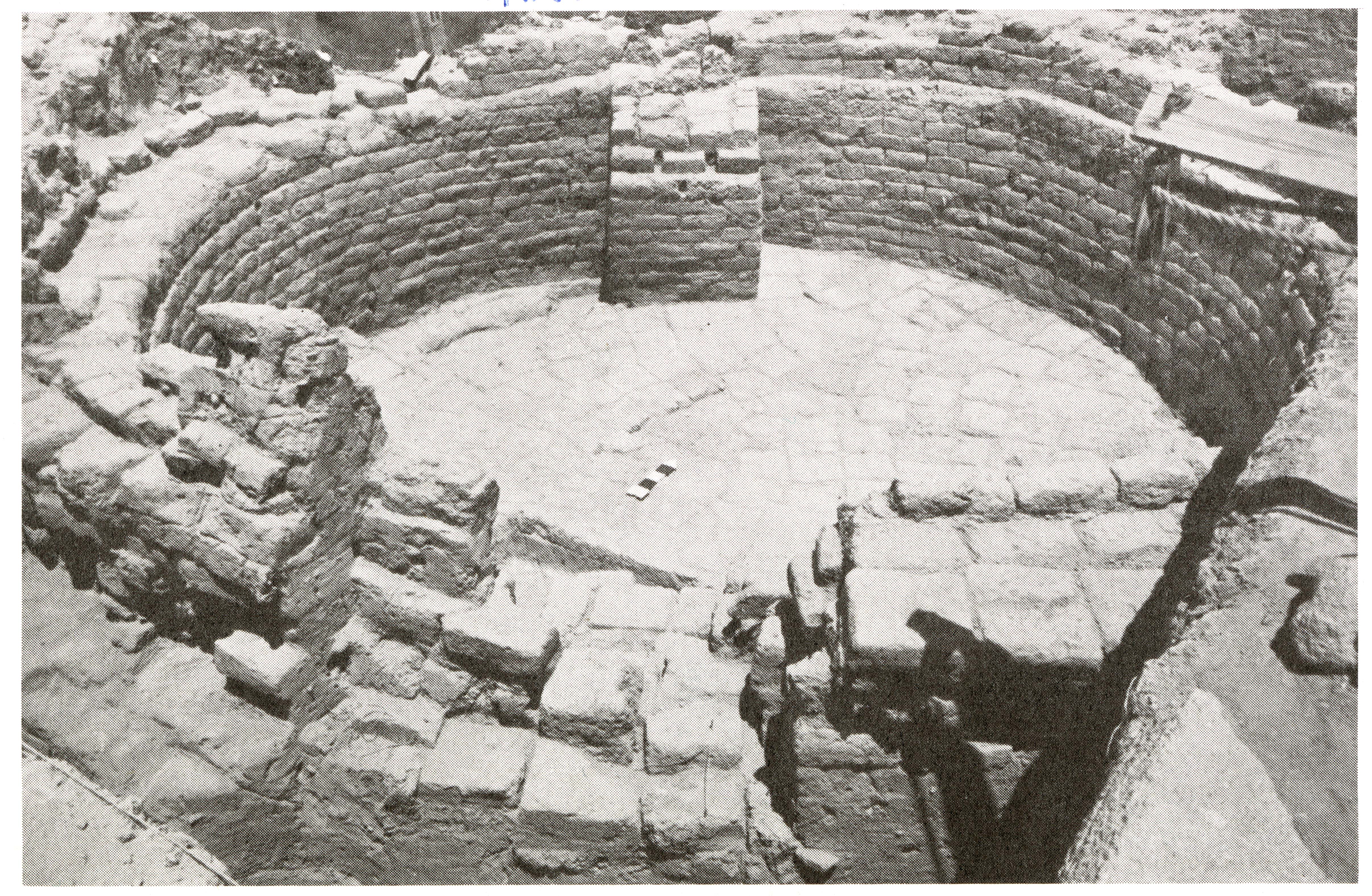
Miscellaneous Adventures: Exploring Lost Worlds
- Date: January 13, 2015
- Creator: Kira M. Sobers
- Description: This installment of Miscellaneous Adventures brings us to Record Unit 416 and the adventures in Smithsonian research across the world.
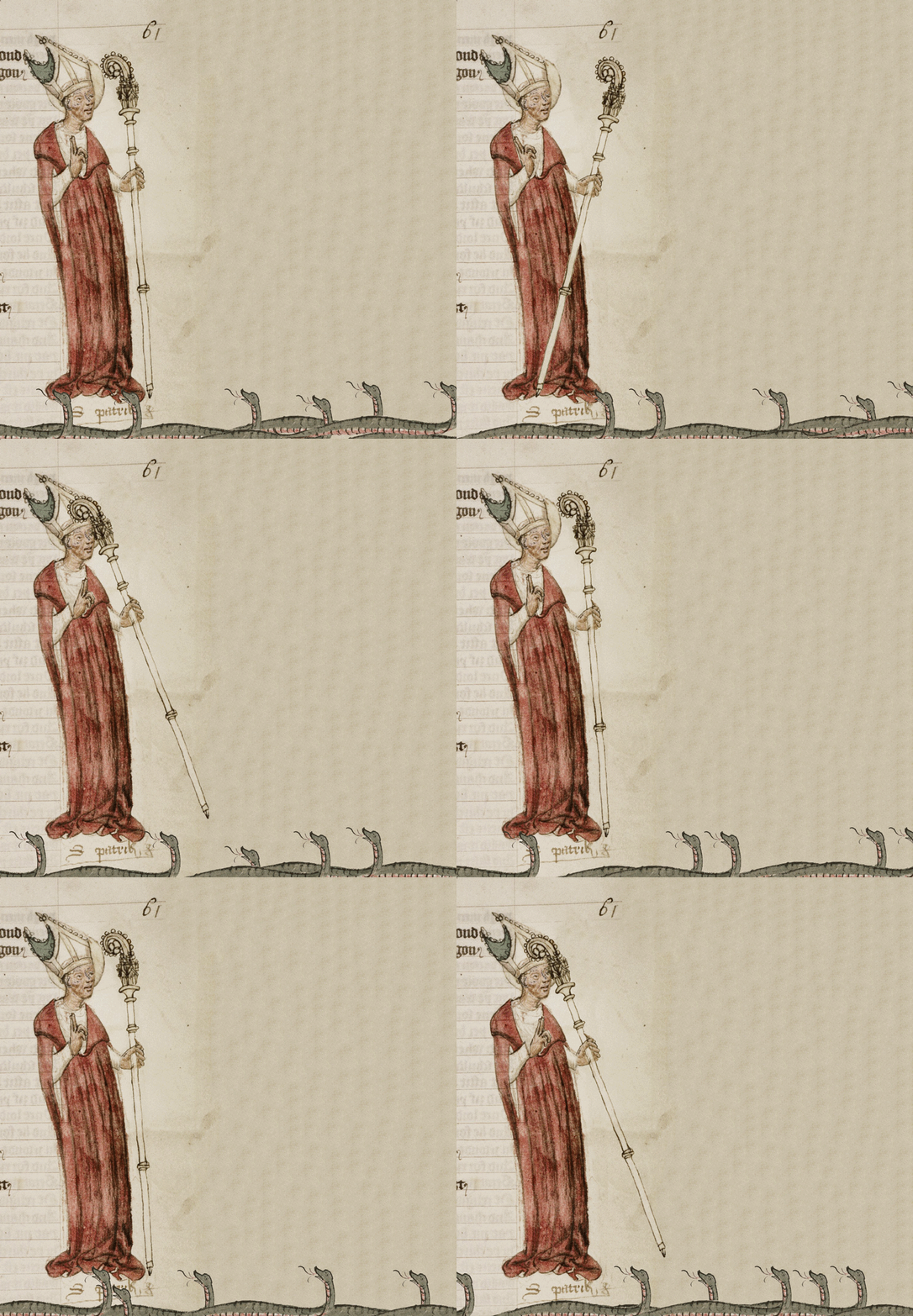
Link Love: 4/14/2017
- Date: April 14, 2017
- Creator: Effie Kapsalis
- Description: Breathing new life into medieval manuscripts at Bodelain Library. [via Adam Koszary/Medium]Over 600 new rights-free videos and other media showing embryos, robots, and bouncing water droplets! [via Wikimedia Open Access Report]The Smithsonian is gathering thought leaders in environmental and species conservation on Earth Day for their 1st Earth Optimism Summit, and our own Pam
- Blog Post
Smithsonian Digitization Update
- Date: April 14, 2009
- Creator: Effie Kapsalis
- Description: Even if you have visited the Smithsonian in person, you probably don’t know that it’s comprised of 19 museums and 9 research centers. You can’t see it all by visiting the Mall in Washington D.C. since there are museums in New York and research centers in Maryland, Massachusetts, and Panama. Each museum and research center researches and collects around different topics, from
- Blog Post
“A Wildlife Paradise”: International Collaboration on the DMZ Ecology in the 1960s
- Date: November 12, 2019
- Description: The DMZ ecology project reveals the Smithsonian’s commitment to ecological research programs as well as the complexity and contingency of an international collaboration.

Smithsonian Marine Biology Station in Florida
- Date: October 16, 2018
- Creator: Pamela M. Henson
- Description: Did you know the Smithsonian has a Marine Station at Fort Pierce, Florida, where visiting researchers can study marine organisms onsite?