
Results for "Science Service"
- Blog Post
Science Service, Up Close: White House Science Advisors, from Roosevelt to Nixon
- Date: May 11, 2017
- Creator: Marcel Chotkowski LaFollette
- Description: May 11 is the anniversary of establishment of the White House Office of Science and Technology Policy (OSTP). That 1976 legislation further ratified the influence of scientists on national policy, positioning them to provide ready advice to the President.
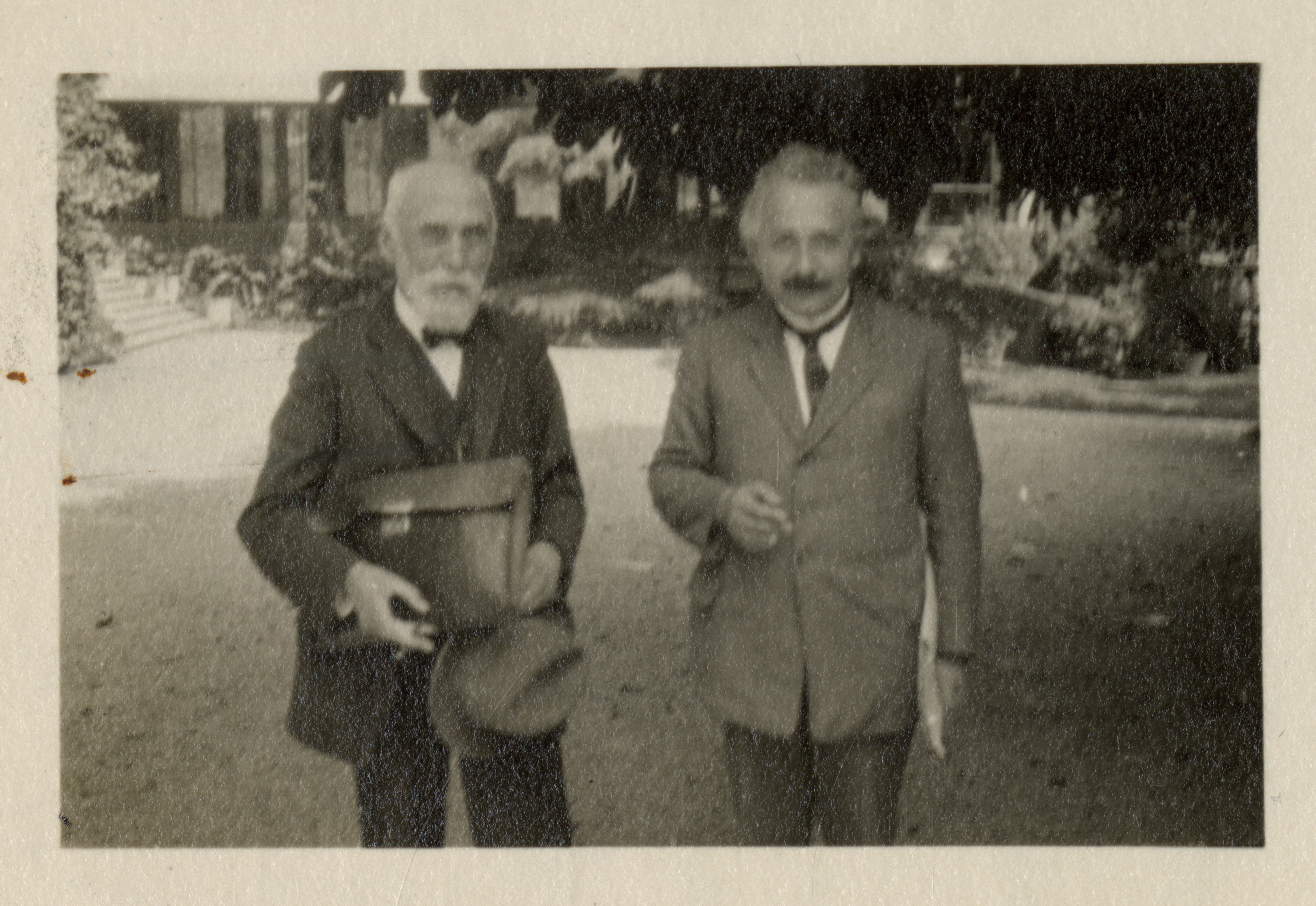
Science Service, Up Close: Informal Moments
- Date: May 8, 2018
- Creator: Marcel Chotkowski LaFollette
- Description: Formal portrait photographs of scientists tend to preserve the stiffness of the moment, rather than capture the sitter’s personality. Perhaps that is the reason that candid photographs of celebrities like Albert Einstein stick in public memory.A 1931 photograph of three Nobel laureate physicists illustrates why we tend to remember the informal photos of scientists more than
- Blog Post
Science Service, Up Close: The “Porcupine” Letters
- Date: October 17, 2019
- Creator: Marcel Chotkowski LaFollette
- Description: A 1936 exchange of letters about the prickly porcupine preserves both a contemporary scientific debate and the wit and wisdom of a young Utah girl with a beloved pet.
- Blog Post
Science Service, Up Close: Field Work at Yellowstone
- Date: July 2, 2015
- Creator: Marcel Chotkowski LaFollette
- Description: Who is the man at right, standing in Yellowstone National Park with Dutch geologist Henrik Albertus Brouwer?

Science Service, Up Close: Women in Geology and Paleontology
- Date: March 14, 2019
- Creator: Marcel Chotkowski LaFollette
- Description: To celebrate Women’s History Month, here are two examples of 20th-century women who applied their education and expertise in geology and paleontology outside traditional university career paths.
- Blog Post
Science Service, Up Close: Summer Road Trips for Science, 1935
- Date: July 24, 2018
- Creator: Marcel Chotkowski LaFollette
- Description: In 1935, Beloit College in Wisconsin began allowing female students to join the annual summer archeological expeditions.
- Blog Post
Science Service, Up Close: Up in the Air for a Solar Eclipse
- Date: January 24, 2017
- Creator: Marcel Chotkowski LaFollette
- Description: On January 24, 1925, for the first time in over a century, a total solar eclipse would be visible across the northern part of the United States. How scientists used a dirigible to observe the phenomenon.

Science Service, Up Close: Technology and Political Conventions
- Date: July 19, 2016
- Creator: Marcel Chotkowski LaFollette
- Description: In a Presidential election year, political news coverage can sometimes seem almost too instantaneous and continuous. Thanks to smartphones with cameras and microphones, journalists and citizens can relay images and sound from almost anywhere inside campaign activities. There was a time, however, when live broadcasting from political conventions and rallies was novel.Starting
- Blog Post
From the Science Service Collection: Dr. John Thomas, Jr.
- Date: February 22, 2018
- Creator: Matt Peterson
- Description: [edan-image:id=siris_arc_392292,size=800,center]Dr. John Thomas, Jr., M.D. was a renowned clinician, epidemiologist, and research scholar who taught at Meharry Medical College for more than half century. When this photograph was made, he had just been appointed Research Collaborator at Brookhaven National Laboratory, where he was engaged in a study of the precursors of

Science Service, Up Close: The Sleeplessness Study, Part 1 - Insomniacs
- Date: August 18, 2015
- Creator: Marcel Chotkowski LaFollette
- Description: In 1925, seven George Washington University students volunteered to stay awake for sixty hours, and drove, danced, sang, and swam in an effort to remain alert.
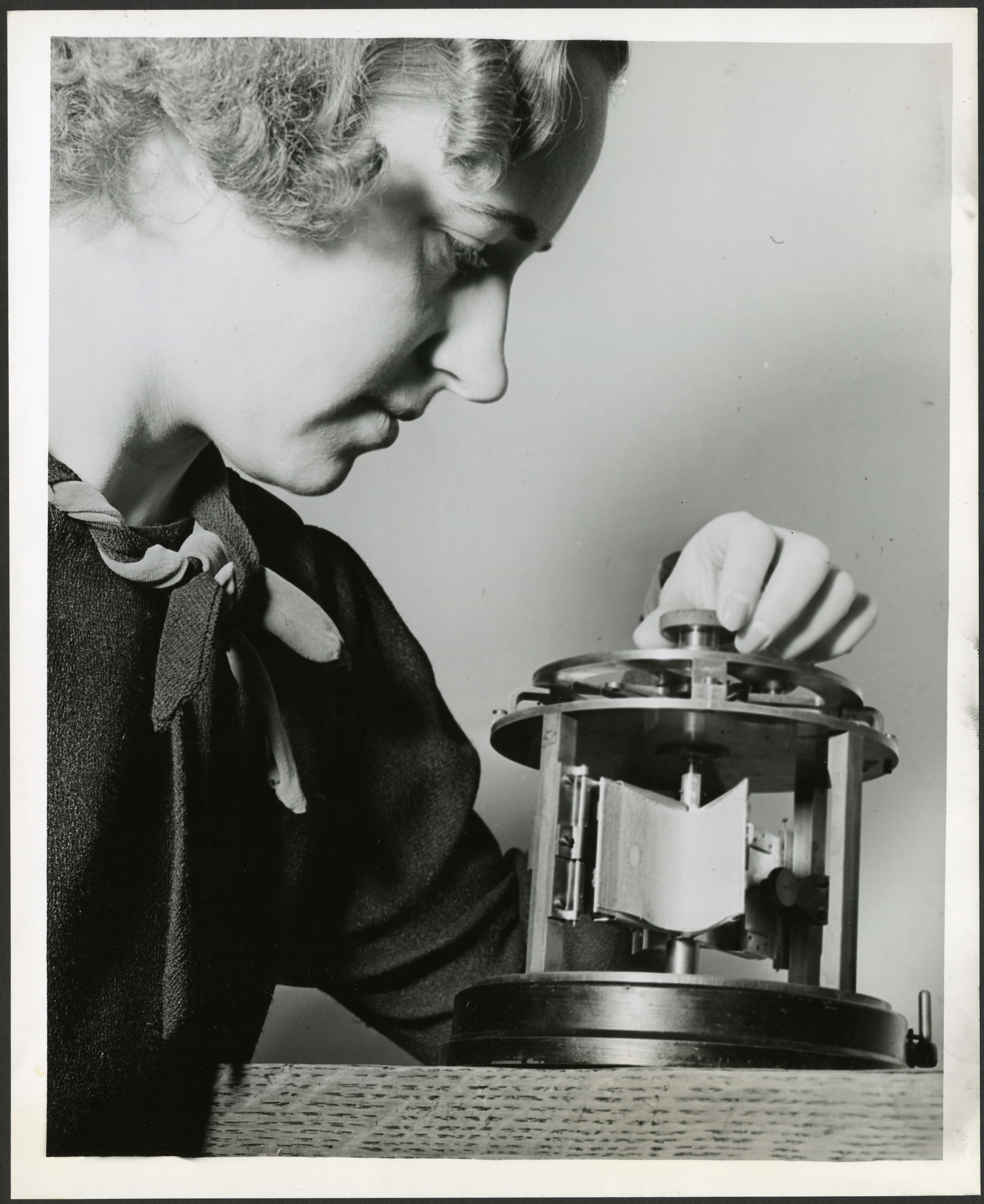
Science Service, Up Close: Ruby K. Worner
- Date: November 12, 2015
- Creator: Marcel Chotkowski LaFollette
- Description: A look at the brilliant work and sharp insight of a trailblazing woman chemist, Ruby K. Worner.
- Blog Post
Science Service, Up Close: Father’s Day “Gene-ius”
- Date: June 13, 2019
- Creator: Marcel Chotkowski LaFollette
- Description: To celebrate Father’s Day 2019, here are three photographs of famous fathers and sons in biology and physics.