
Results for "Science Service"

Science Service, Up Close: Patent Parades, Silk Purses, and Snake Bite Remedies
- Date: March 30, 2017
- Creator: Marcel Chotkowski LaFollette
- Description: Everyone loves a parade – especially one followed by a banquet. When scientists and politicians met in Washington, D.C., on November 23, 1936, to celebrate the centennial of the U.S. patent system, they listened first to a conventional program of speeches. Then, in the afternoon, Science Service director Watson Davis arranged something different: a “Research Parade” featuring

Science Service, Up Close: The Sleeplessness Study, Part 2 - Adventurers
- Date: August 20, 2015
- Creator: Marcel Chotkowski LaFollette
- Description: In 1925, seven George Washington University students volunteered to stay awake for sixty hours, and drove, danced, sang, and swam in an effort to remain alert.
- Blog Post
Science Service, Up Close: Before DNA Made Them Famous - Crick, Wilkins, and Watson
- Date: February 27, 2018
- Creator: Marcel Chotkowski LaFollette
- Description: [edan-image:id=siris_arc_391843,size=300,center]By the 1960s, Science Service had been acquiring photographs of scientists, obscure as well as famous, for over four decades. Portraits of Edison or Einstein were always in demand, but experience had also shown that bright, accomplished young people might someday be awarded a major prize or make a discovery deemed
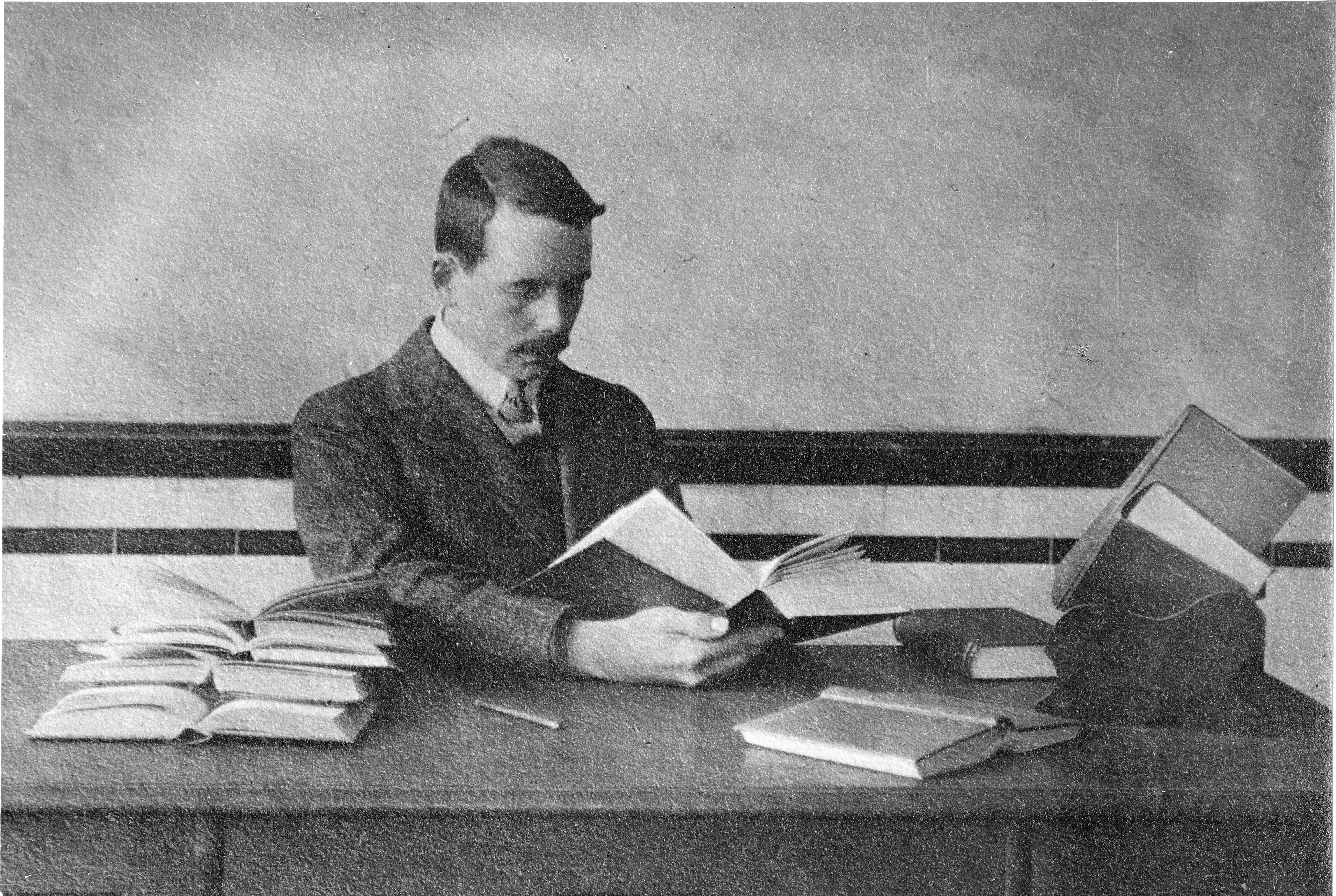
Science Service, Up Close: Two Haunting Portraits of Henry Gwyn Jeffreys Moseley
- Date: November 7, 2019
- Creator: Marcel Chotkowski LaFollette
- Description: A proud mother responded to news service’s request for a photograph of her physicist-son killed during World War I.
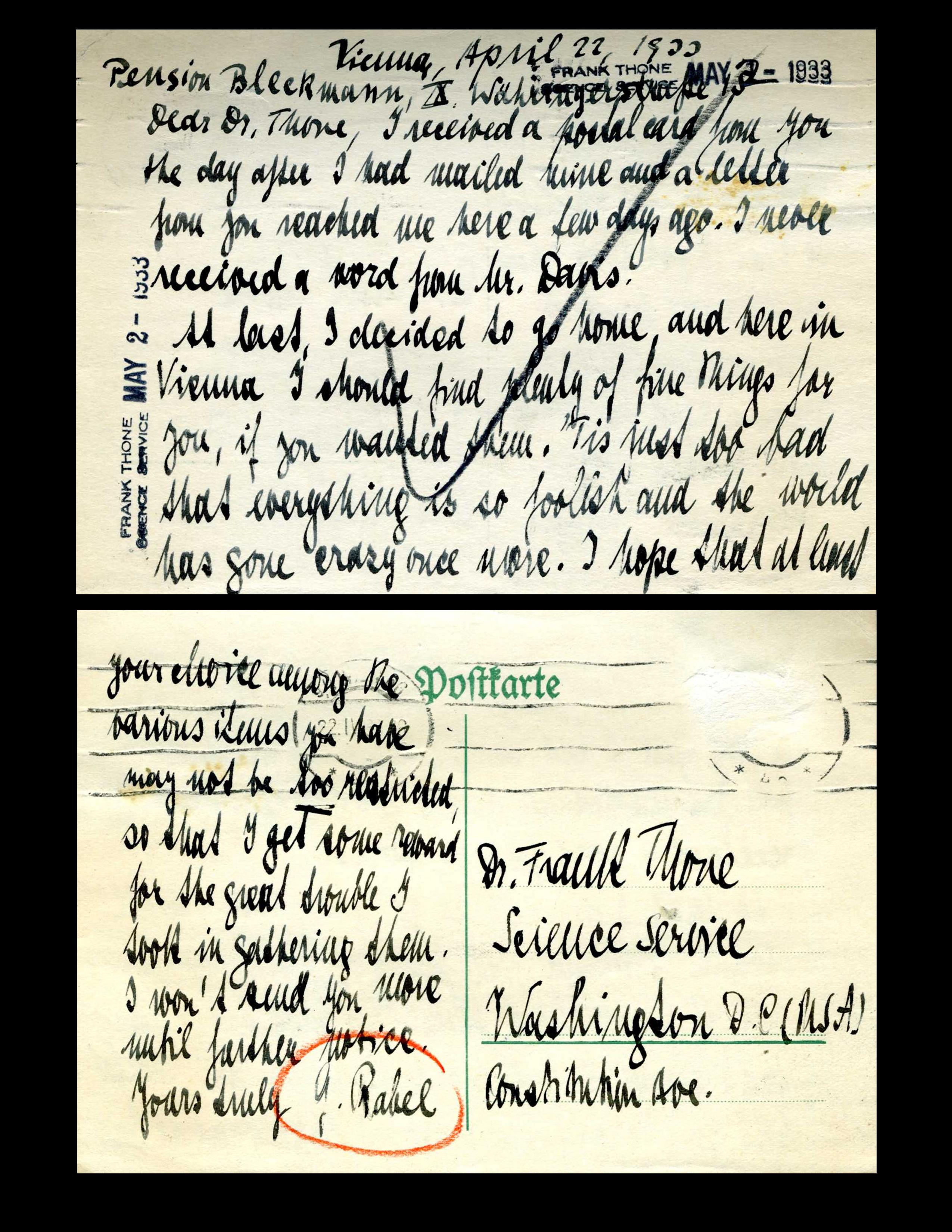
A Rabel with a Cause: Gabriele Rabel, biologist, philosopher, author, and contributor to Science Service
- Date: March 31, 2015
- Description: A brief biographical sketch of Dr. Gabriele Rabel, Austrian born phyisist, biologist, philosopher, author, and stringer for Science Service in the 1930’s.
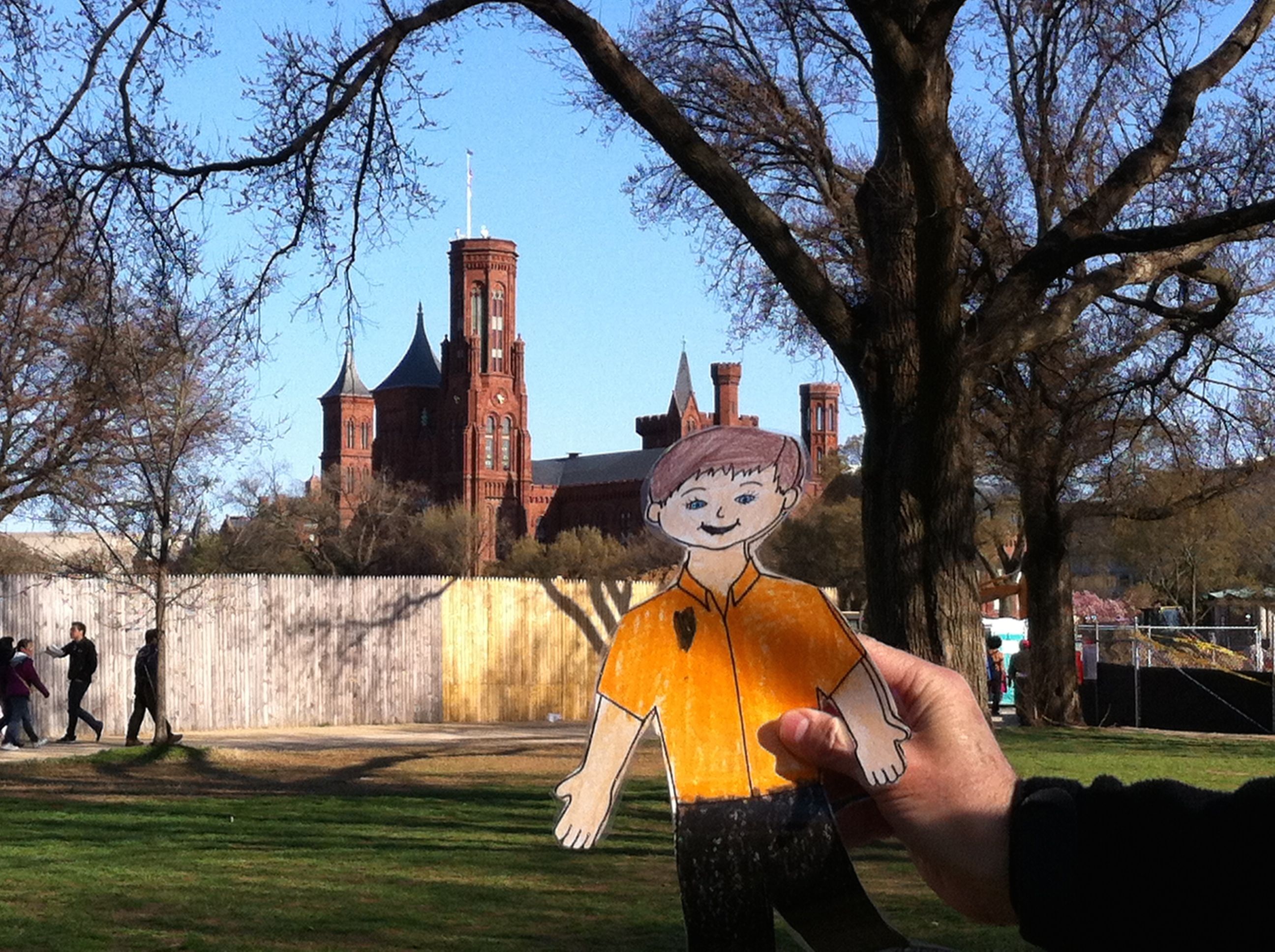
Science Service, Up Close: The Microvivarium
- Date: May 12, 2015
- Creator: Marcel Chotkowski LaFollette
- Description: Today’s science museums build on the efforts of biologist George Roemmert (1892-1952), whose “Microvivarium” projected images of amoebas and other microscopic creatures.
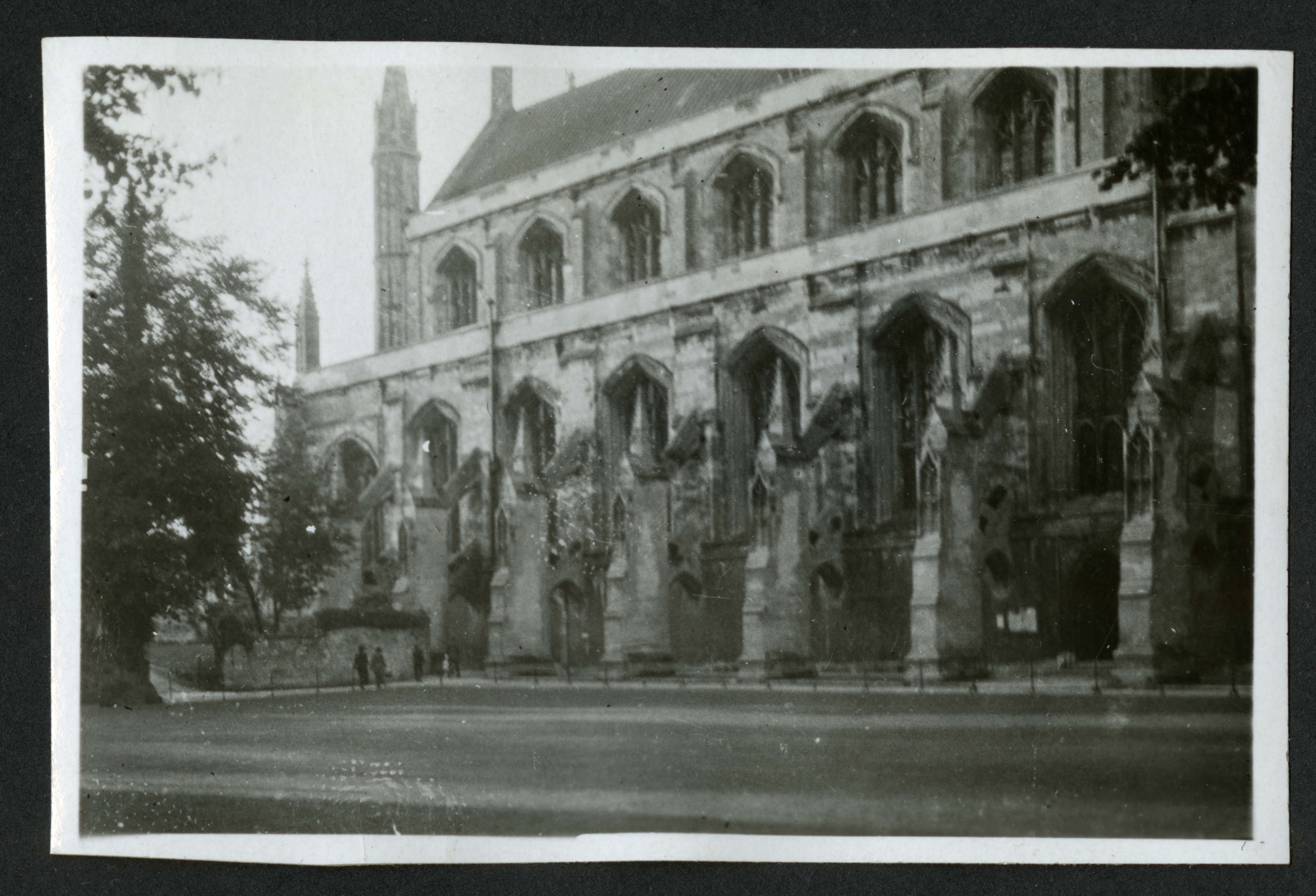
Science Service, Up Close: Where Was Watson?
- Date: September 15, 2015
- Creator: Marcel Chotkowski LaFollette
- Description: Help the Smithsonian Institution Archives identify the locations of Watson Davis’s vacation photographs from August and September 1925.

Science Service, Up Close: George Sarton, Watson Davis, and “Panache”
- Date: June 23, 2016
- Creator: Marcel Chotkowski LaFollette
- Description: For historians of science, the name “Sarton” resonates like a deep-throated bell. Isis, the international journal that chemist and mathematician George Sarton (1884-1956) founded in Belgium in 1913, is now the premier publication of the History of Science Society. The field he envisioned is flourishing as well as continually responding to changes in science and its social
- Blog Post
Science Service, Up Close: Charles Bittinger and the Worlds of Science and Art
- Date: December 6, 2016
- Creator: Marcel Chotkowski LaFollette
- Description: The work of painter Charles Bittinger, bridging the worlds of science and art.
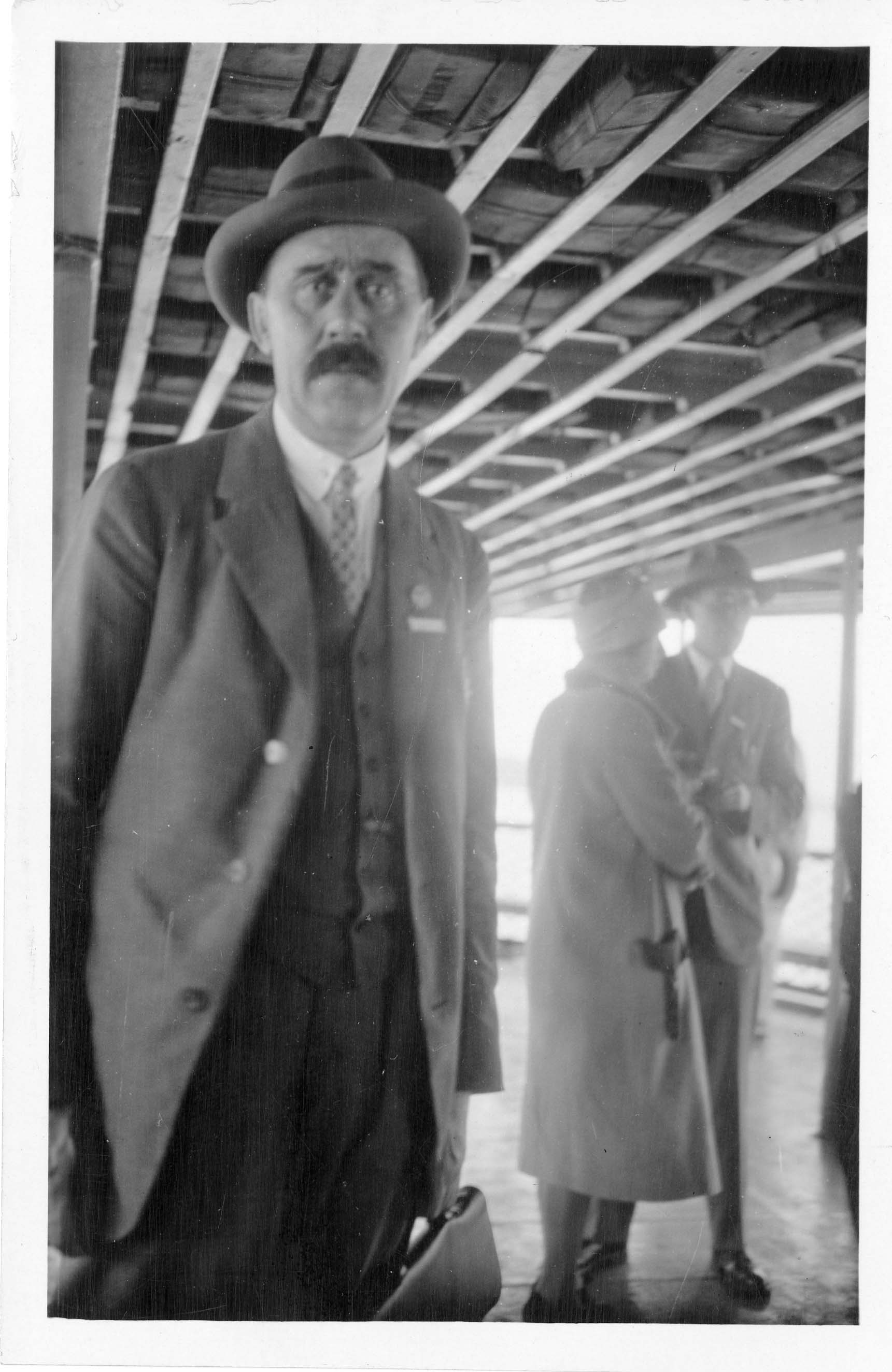
Science Service, Up Close: A Slow Boat Down the River
- Date: June 18, 2015
- Creator: Marcel Chotkowski LaFollette
- Description: Watson Davis photographed visiting scientists on a June 1927 Potomac River boat trip to Mount Vernon.

Science Service, Up Close: The Periodic Chart
- Date: January 3, 2017
- Creator: Marcel Chotkowski LaFollette
- Description: Henry David Hubbard (1870-1943), a physicist at the U.S. National Bureau of Standards, designed the first edition of the "Periodic Chart of the Atoms" in 1924. The chart is still in use today, continually updated to reflect new elements.

Science Service, Up Close: Journalists, Cancer Research, and Public Education
- Date: March 6, 2018
- Creator: Marcel Chotkowski LaFollette
- Description: Cancer, James T. Patterson observed in The Dread Disease, serves as a powerful metaphor in American culture, where the malady mirrors the “manifestation of social, economic, and ideological divisions” in modern life. In the decades since publication of Patterson’s book, medical research has made great strides in methods of detection and treatment. But the challenge for science