
Results for "S. Dillon Ripley Center (Smithsonian Institution)"
Goodbye, 2019. Hello, 2020!
- Date: December 31, 2019
- Creator: Emily Niekrasz
- Description: Before the Archives gears up for new projects in 2020, we’re looking back at our accomplishments and highlights in 2019.

Science Service, Up Close: Journalists, Cancer Research, and Public Education
- Date: March 6, 2018
- Creator: Marcel Chotkowski LaFollette
- Description: Cancer, James T. Patterson observed in The Dread Disease, serves as a powerful metaphor in American culture, where the malady mirrors the “manifestation of social, economic, and ideological divisions” in modern life. In the decades since publication of Patterson’s book, medical research has made great strides in methods of detection and treatment. But the challenge for science
- Blog Post
Posing a Thoughtful Question….and Answers (Action, Direction)
- Date: December 17, 2019
- Creator: Tad Bennicoff
- Description: Excited to research at the Archives, but don’t know where to start? Below are a few tips about details you should include in your inquiry that will help us help you.
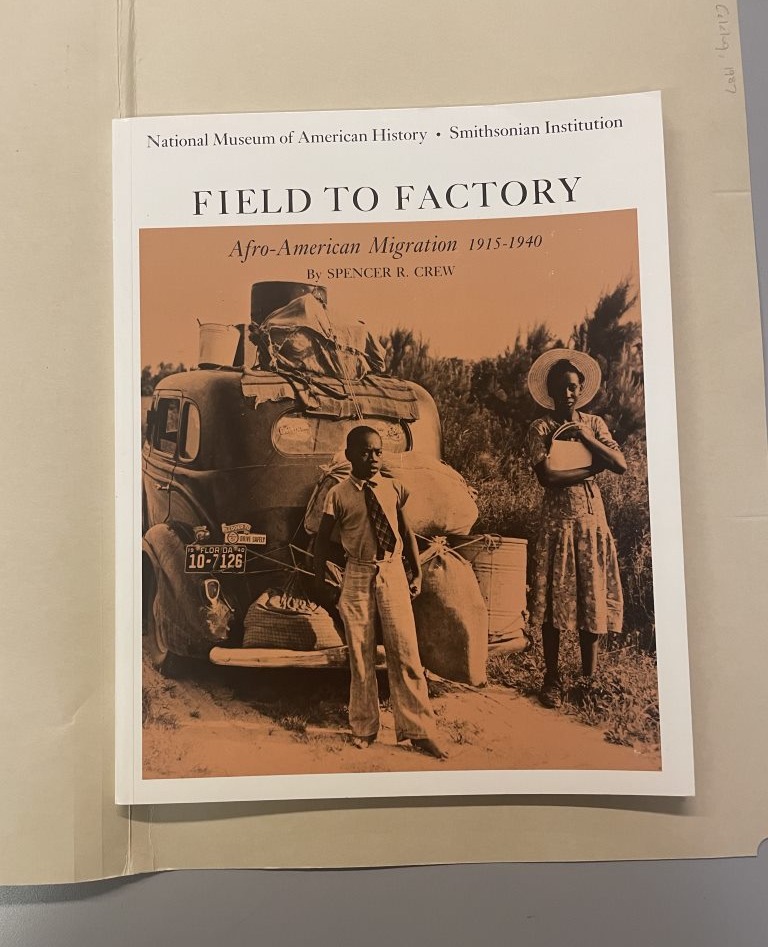
The Women Behind the "Field to Factory" Exhibition
- Date: October 6, 2022
- Creator: Ricc Ferrante
- Description: Current headlines about war and the impact of forced migration on women are stark reminders of historic migrations and how women adapted and took on new roles.In 1987, Field to Factory: Afro-American Migration 1915-1940 premiered at the National Museum of American History.
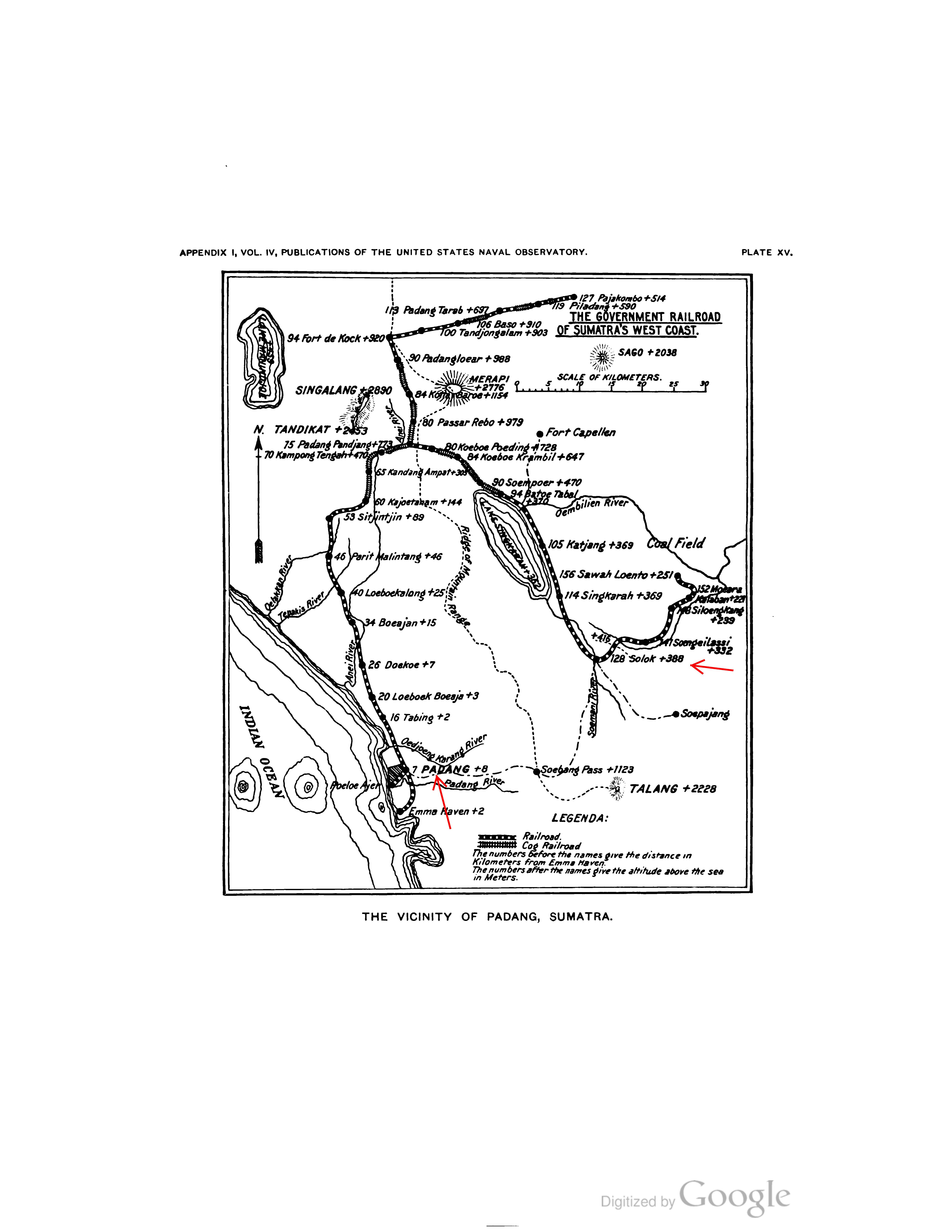
The Best-Laid Plans of Mice and Astronomers Often Go Awry: The 1901 Sumatra Eclipse Expedition
- Date: August 17, 2017
- Creator: Pamela M. Henson
- Description: Astronomers travel far and wide to see solar eclipses but sometimes their best laid plans don’t work out..

Recent Acquisition - Records from Martin Harwit, Director, NASM, 1986-1995
- Date: April 24, 2014
- Creator: Mitch Toda
- Description: Looking at a recently acquired collection records created and maintained by former National Air and Space Museum director, Martin Harwit, that relate to the Enola Gay, its exhibition, and the controversy that ensued.

Otterly Awesome Otter Day Post
- Date: May 20, 2021
- Creator: Andrew Whitesell
- Description: Taking time to appreciate these mustelids is something we otter do.
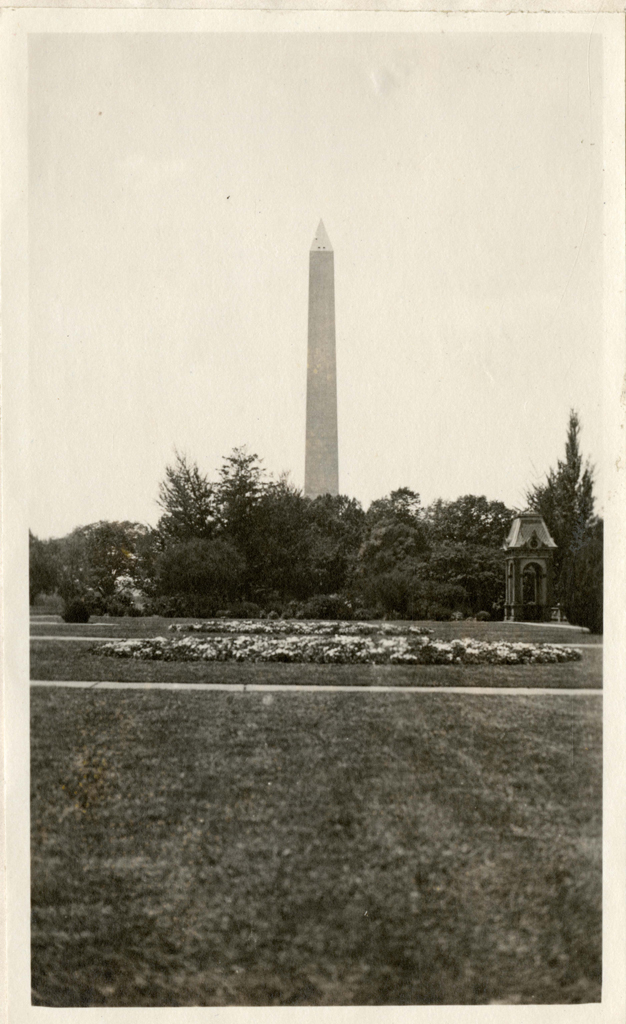
Many Happy Returns to the Washington Monument!
- Date: October 22, 2013
- Creator: Lynda Schmitz Fuhrig
- Description: The Washington Monument marks its 125th anniversary on October 9, 2013.

The World Is Yours: Flying the Ocean
- Date: June 23, 2020
- Creator: Kira M. Sobers
- Description: Take a listen to clips from the episode of The World Is Yours titled Flying the Ocean.

An Undersea Invertebrates Update: Treatment Progress on Bartsch’s Nudibranchs Field Book
- Date: May 18, 2017
- Creator: William Bennett
- Description: Treatment continues on Paul Bartsch’s field book documenting nudibranchs—see our progress!

Celebrating Handwriting with the Hungerford Deed
- Date: January 21, 2021
- Creator: William Bennett
- Description: Handwriting is a personal passion of mine, despite it having become something of a lost art. Today, when most people think of handwriting at all, it is as a greatly individual method of writing recognizable characters, regardless of the writing system, but in the past, when you could make a living as a scribe, there were highly standardized styles.

Science Service, Up Close: Patent Parades, Silk Purses, and Snake Bite Remedies
- Date: March 30, 2017
- Creator: Marcel Chotkowski LaFollette
- Description: Everyone loves a parade – especially one followed by a banquet. When scientists and politicians met in Washington, D.C., on November 23, 1936, to celebrate the centennial of the U.S. patent system, they listened first to a conventional program of speeches. Then, in the afternoon, Science Service director Watson Davis arranged something different: a “Research Parade” featuring