
Results for "Rochester Museum and Science Center"

Hot Topics in Archival Research
- Date: December 8, 2015
- Creator: Mary Markey
- Description: Quarterly post on research at the Smithsonian Institution Archives.
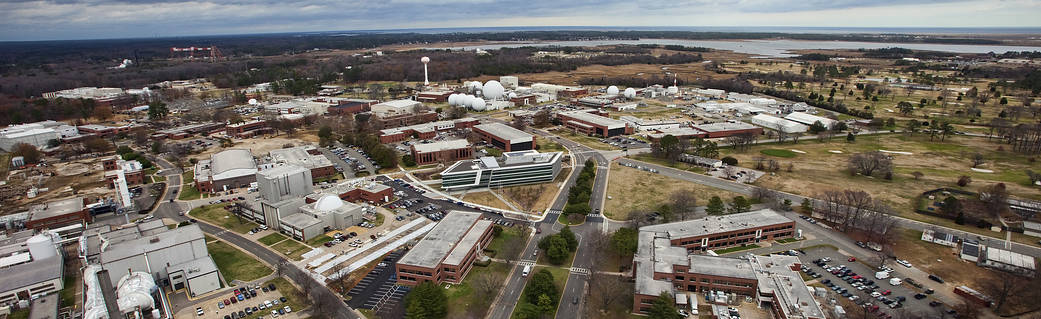
Getting Your Due, Samuel Pierpont Langley
- Date: November 28, 2017
- Creator: Ricc Ferrante
- Description: It can be so frustrating to put great effort into something, and then to have your work and achievements called into question. I can't begin to imagine how frustrated Samuel Pierpont Langley was in 1903. By that time, he had spent over forty years studying astrophysics and aerodynamics. His work on astronomically-derived time measurement in the late 1860's is the heart of the

Link Love: 5/15/2015
- Date: May 15, 2015
- Creator: Mitch Toda
- Description: Link Love: a weekly blog feature with links to interesting videos and stories regarding archival issues, the Smithsonian, and history.

Margaret Collins: Scholar, Civil Rights Activist, and Mentor
- Date: March 27, 2018
- Creator: Lisa Fthenakis
- Description: During this Women’s History Month, the Smithsonian Transcription Center has been highlighting projects from women around the Smithsonian. Among these women is Margaret Collins, a pioneering scientist and civil rights activist. While her fieldwork has been written about previously, that is clearly just one part of a full and distinguished career.Collins’ interest in science

Link Love: 10/16/2015
- Date: October 16, 2015
- Creator: Mitch Toda
- Description: Link Love: a weekly blog feature with links to interesting videos and stories regarding archival issues, the Smithsonian, and history.
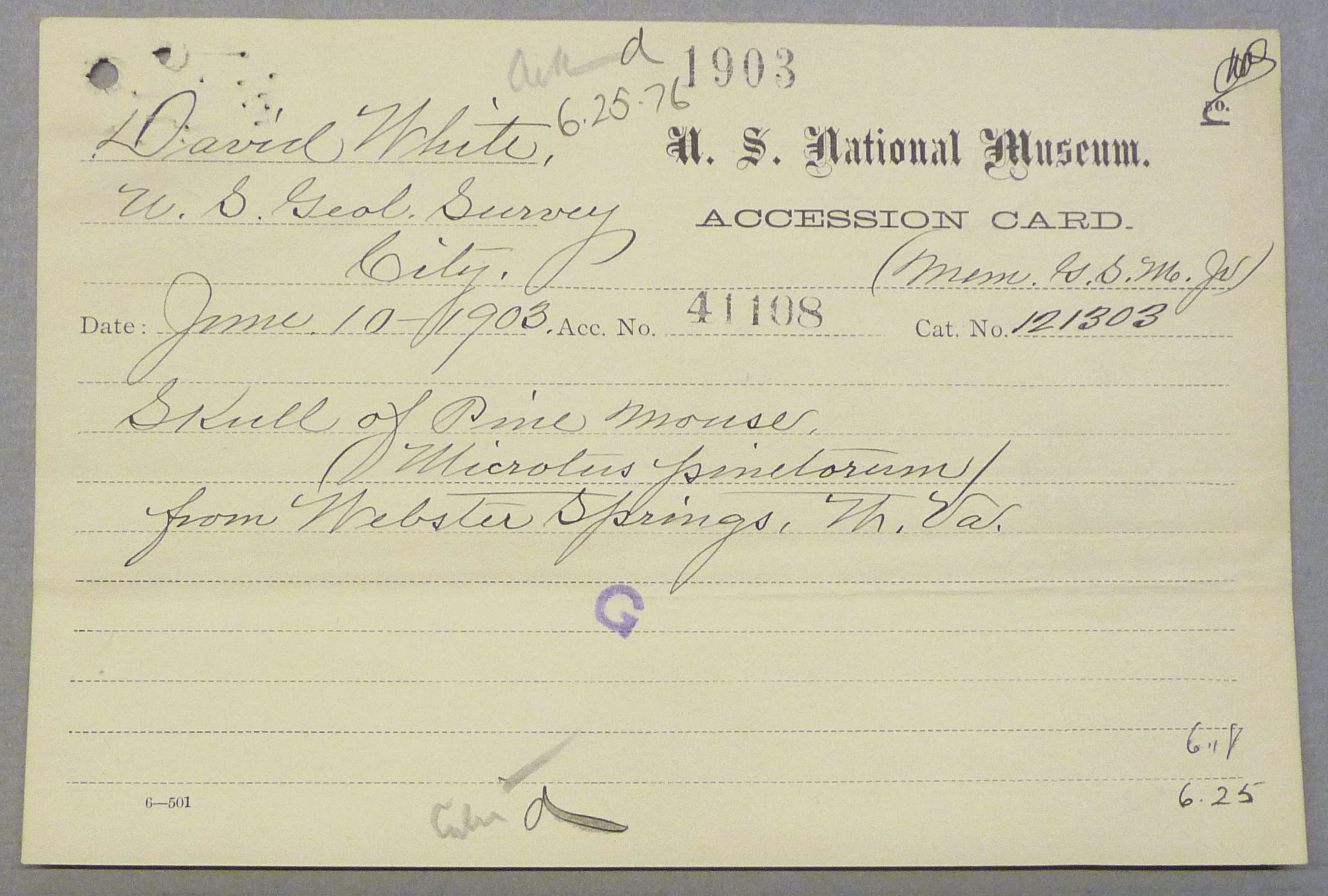
Scared to Death?: The Curious Case of a Pine Mouse
- Date: August 14, 2012
- Description: “Can a Rattlesnake hypnotize a Pine Mouse to death”? Questions from a typical day of treatment for a Pre-Program Paper Conservation Intern.
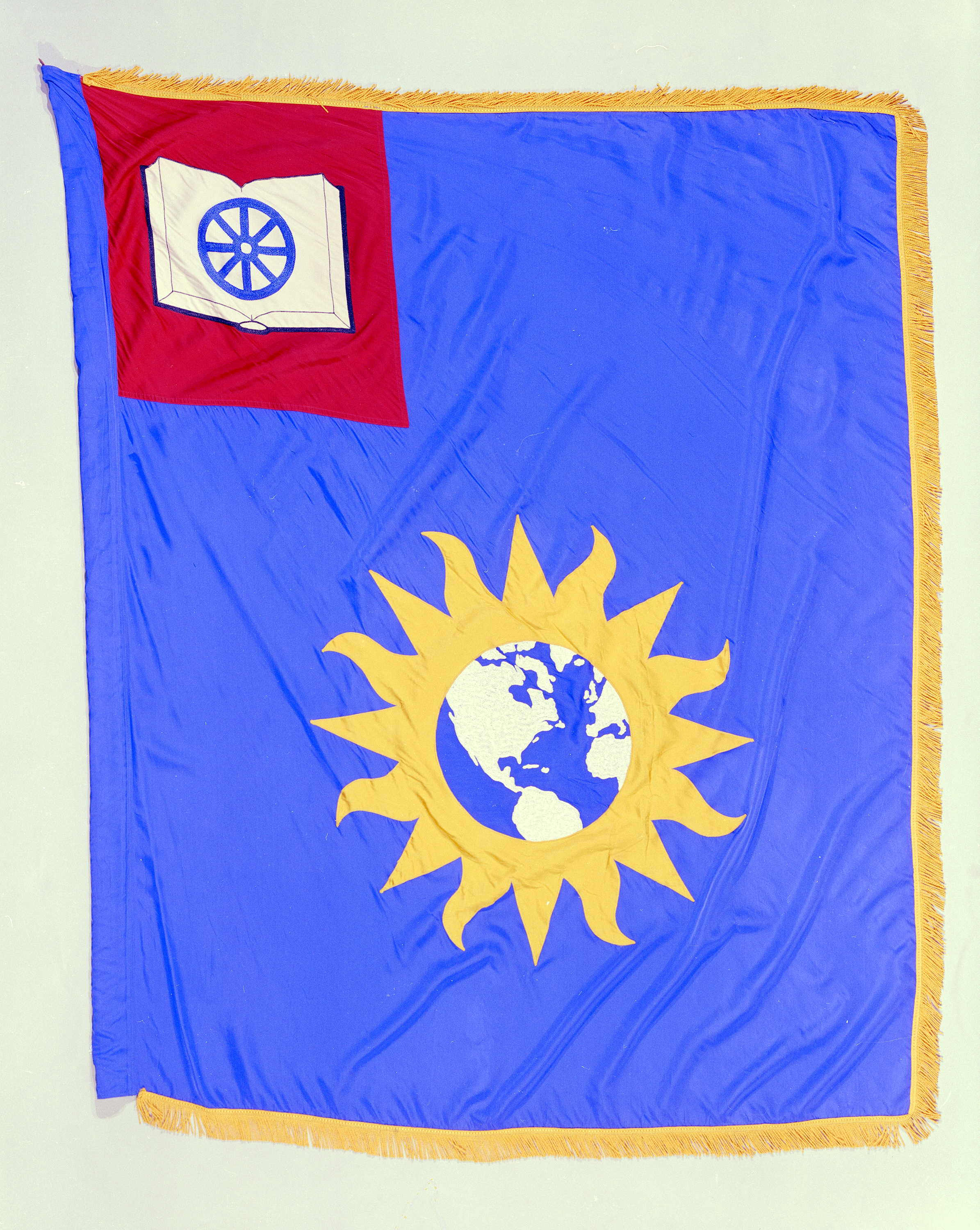
Happy 100th Flag Day!
- Date: June 14, 2016
- Creator: Hillary Brady
- Description: In celebration of Flag Day, a look at the series of flags designed for the Smithsonian’s museums and research centers, 1965.
- Blog Post
Science Service, Up Close: Up in the Air for a Solar Eclipse
- Date: January 24, 2017
- Creator: Marcel Chotkowski LaFollette
- Description: On January 24, 1925, for the first time in over a century, a total solar eclipse would be visible across the northern part of the United States. How scientists used a dirigible to observe the phenomenon.

Link Love: 6/19/2015
- Date: June 19, 2015
- Creator: Mitch Toda
- Description: Link Love: a weekly blog feature with links to interesting videos and stories regarding archival issues, the Smithsonian, and history.

Rapid Capture Digitization to bring the Smithsonian's Board of Regents Minutes Online
- Date: September 8, 2015
- Creator: Ricc Ferrante
- Description: Digitizing the Smithsonian Institution's Board of Regents minutes to make them available online.
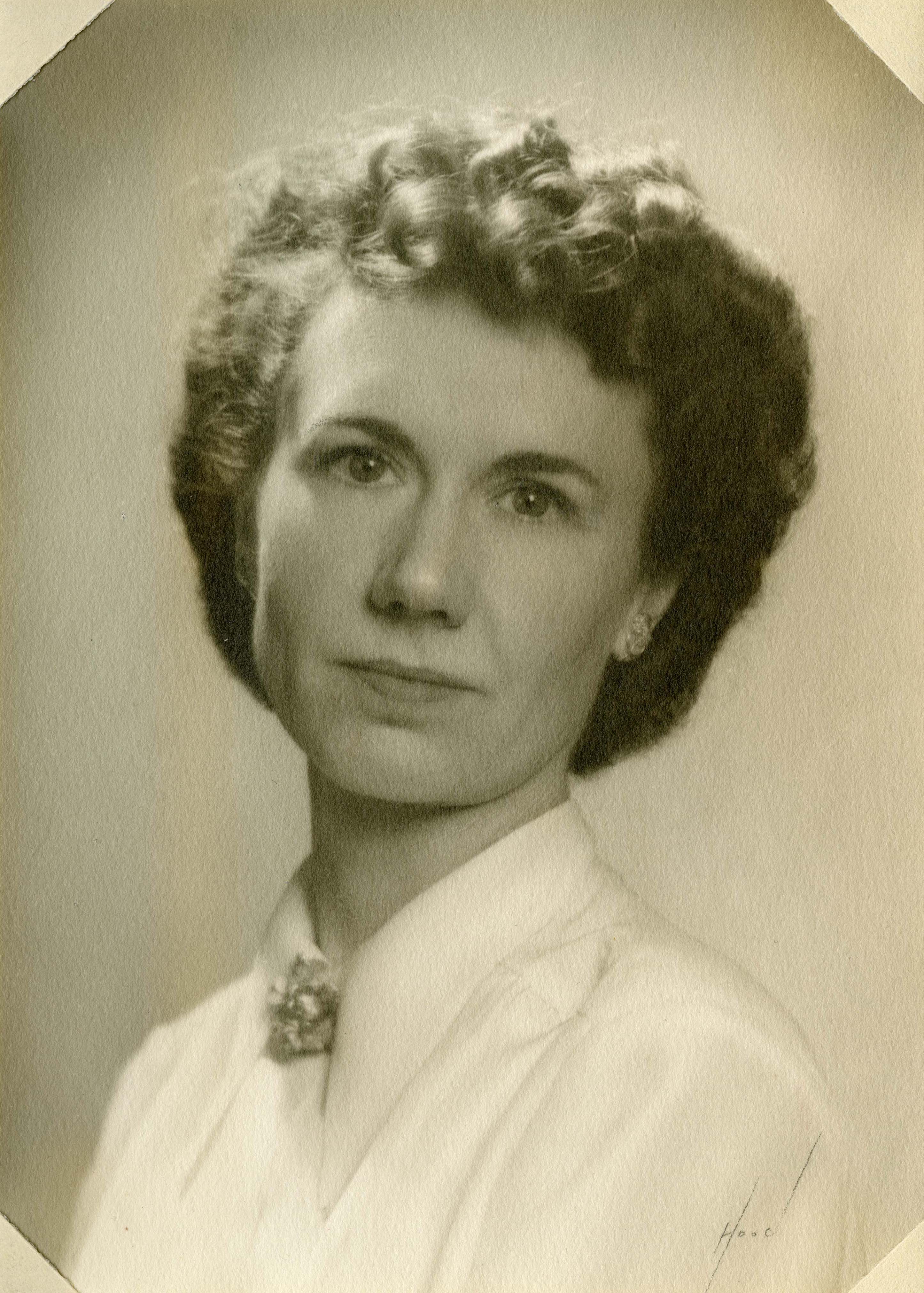
"The whole Smithsonian was like one big family . . . "
- Date: March 12, 2013
- Creator: Pamela M. Henson
- Description: For forty years, Miss Helena Weiss kept the Smithsonian running smoothly as a clerk, stenographer, director of the Office of Correspondence and Documents, and Registrar. When she retired, her position was divided into seven separate jobs.

Link Love: 5/11/2012
- Date: May 11, 2012
- Creator: Catherine Shteynberg
- Description: Link Love: a weekly blog feature with links to interesting videos and stories regarding archival issues, the Smithsonian, and history.