
Results for "Plants"

Hot Topix in Archival Research, Spring 2022
- Date: April 28, 2022
- Creator: Deborah Shapiro
- Description: Think your archival research is on hold while our reading room is closed? Think again!
- Blog Post
The Archives of Visibility
- Date: February 11, 2010
- Description: Access the official records of the Smithsonian Institution and learn about its history, key events, people, and research.

Crafting the Archives Way!
- Date: December 8, 2010
- Creator: Effie Kapsalis
- Description: I’ve been inspired by the snowflakes Wilson A. Bentley photographed through a microscope in the late 1800's ever since I first saw them in the Archives. Bentley donated 500 of his photographs to the Smithsonian in 1903 (you can read more about them in a post by Archives colleague, Courtney Esposito). The images capture nature at its most creative, mathematical, and elegant.

Hot Topics in Archives Research
- Date: February 18, 2014
- Creator: Mary Markey
- Description: Quarterly post on research at the Smithsonian Institution Archives.

Operation Reindeer
- Date: December 22, 2010
- Creator: Courtney Bellizzi
- Description: You have probably heard of Dasher, Dancer, Prancer, and Vixen. Even Comet, Cupid, Donder and Blitzen. And I know you have heard of Rudolph. But do you recall the Smithsonian’s National Zoo’s most famous reindeers of all? “Operation Reindeer” was the most publicized event of 1958. Fourteen reindeer and one caribou made their way, sans the open sleigh, to Washington, D.C., for
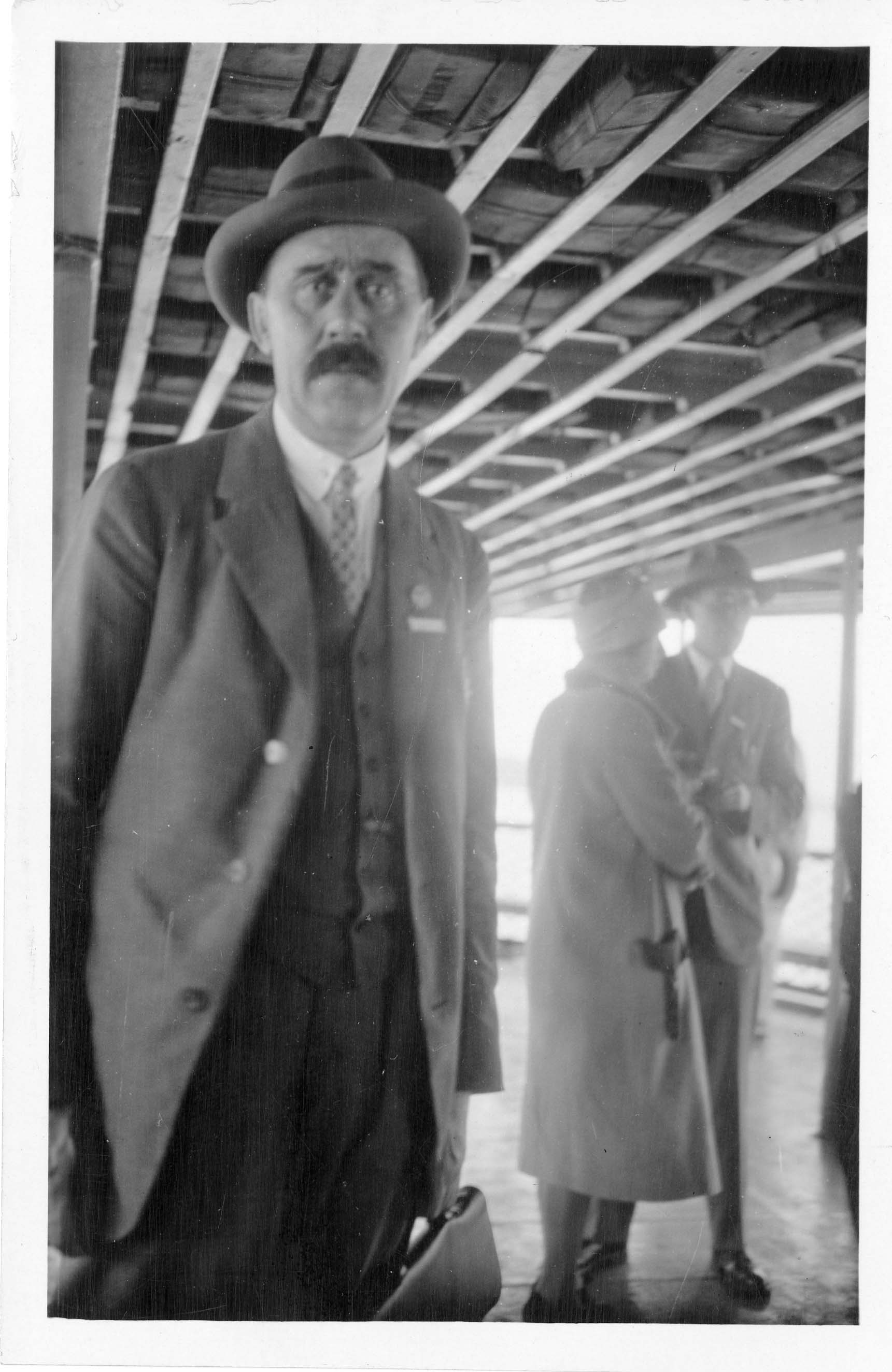
Science Service, Up Close: A Slow Boat Down the River
- Date: June 18, 2015
- Creator: Marcel Chotkowski LaFollette
- Description: Watson Davis photographed visiting scientists on a June 1927 Potomac River boat trip to Mount Vernon.
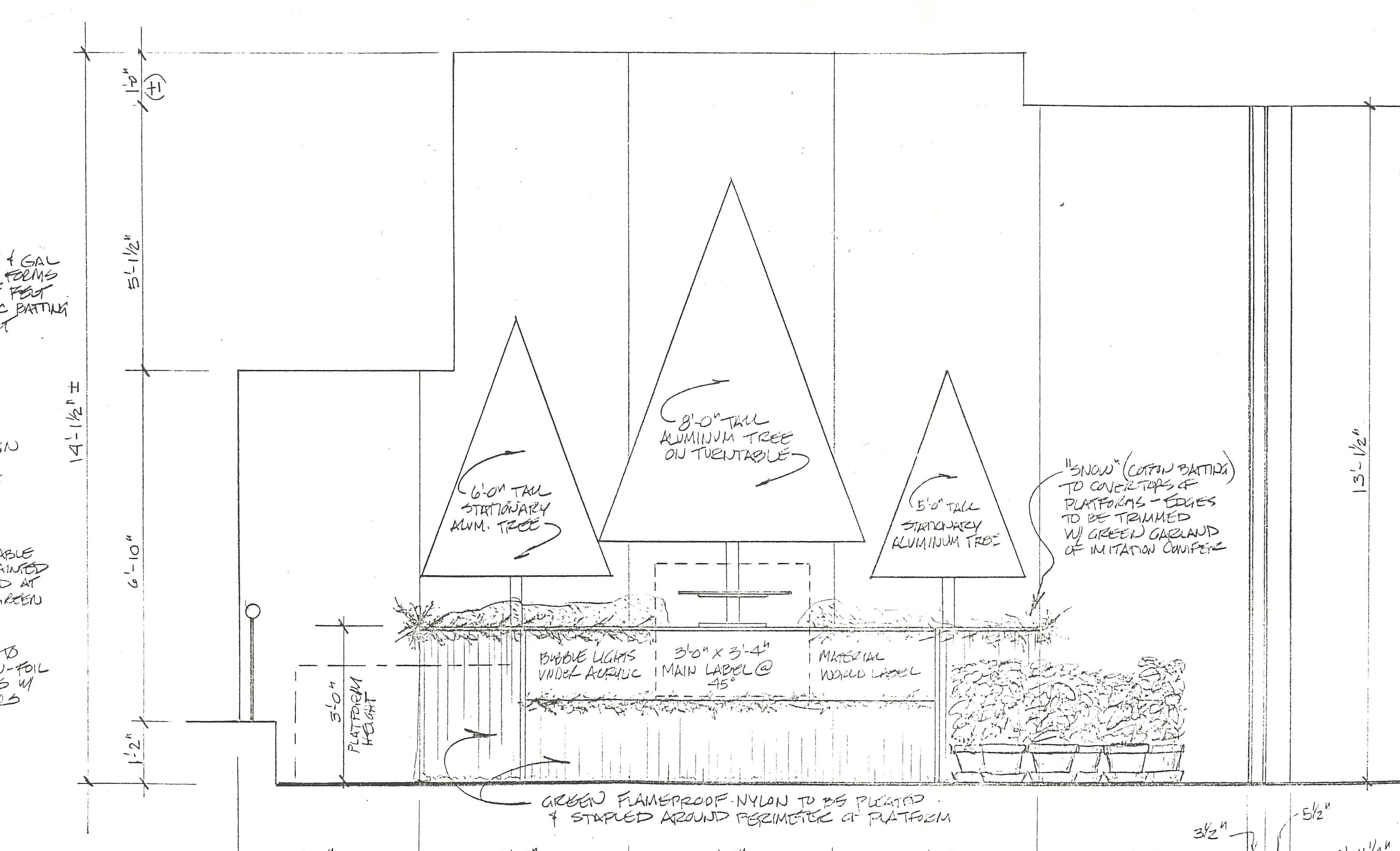
Trees of Christmas
- Date: December 19, 2019
- Creator: Mitch Toda
- Description: On December 19, 1977 the Trees of Christmas exhibition opened at the National Museum of History and Technology (now the National Museum of American History). This was the first exhibition of the Office of Horticulture (now Smithsonian Gardens) and featured trees with handcrafted ornaments representing a variety of countries and cultural traditions.
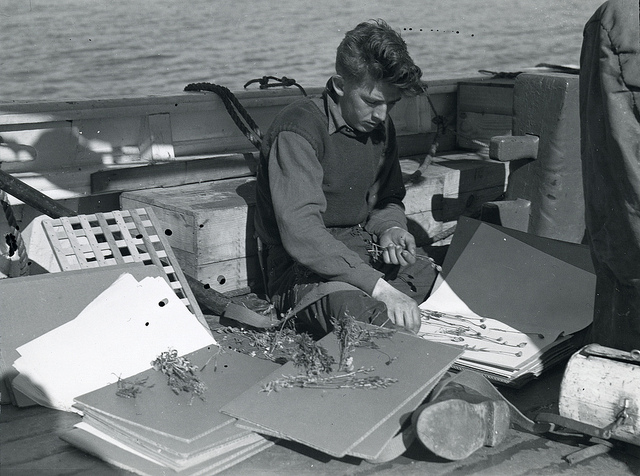
Another Milestone Met: Reminiscing about the Field Book Project and Looking Forward
- Date: February 21, 2019
- Creator: Ricc Ferrante
- Description: The intense efforts that started the Field Book Project and have kept it in high gear are slowing down to a sustainable pace. After almost ten years, grant funding for the Field Book Project has drawn to a close, but there is still plenty more to look forward to that will benefit researchers for years to come.
- Blog Post
A Quirk, a Chase and the Power of a Crowd
- Date: March 13, 2014
- Creator: Ricc Ferrante
- Description: People everywhere are helping the Smithsonian Institution Archives make more of its collections deeply accessible through helping transcribe field books, journals, and diaries in our collections.
- Blog Post
Solomon G. Brown, Renaissance Man
- Date: February 1, 2011
- Creator: Courtney Bellizzi
- Description: The Smithsonian Institution Archives will be celebrating African American History Month throughout February with a series of related posts on THE BIGGER PICTURE. “I have engaged in almost Every Branch of work that is usual and unusual about S.I.”[edan-image:id=siris_sic_5597,size=150,left] These words, written by Solomon G. Brown to Secretary Spencer F. Baird on August 12,
- Blog Post
Smithsonian Scientists at Work
- Date: April 20, 2017
- Description: [view:sia_slideshow==75408]Scientific research has been integral to the Smithsonian, from its founding to today. The Smithsonian's founder, Englishman James Smithson, saw in the U.S. (according to his biographer, Heather Ewing) "a place of the future" that could support "science and progress for humanity." He believed that scientists were "citizens of the world" and that the
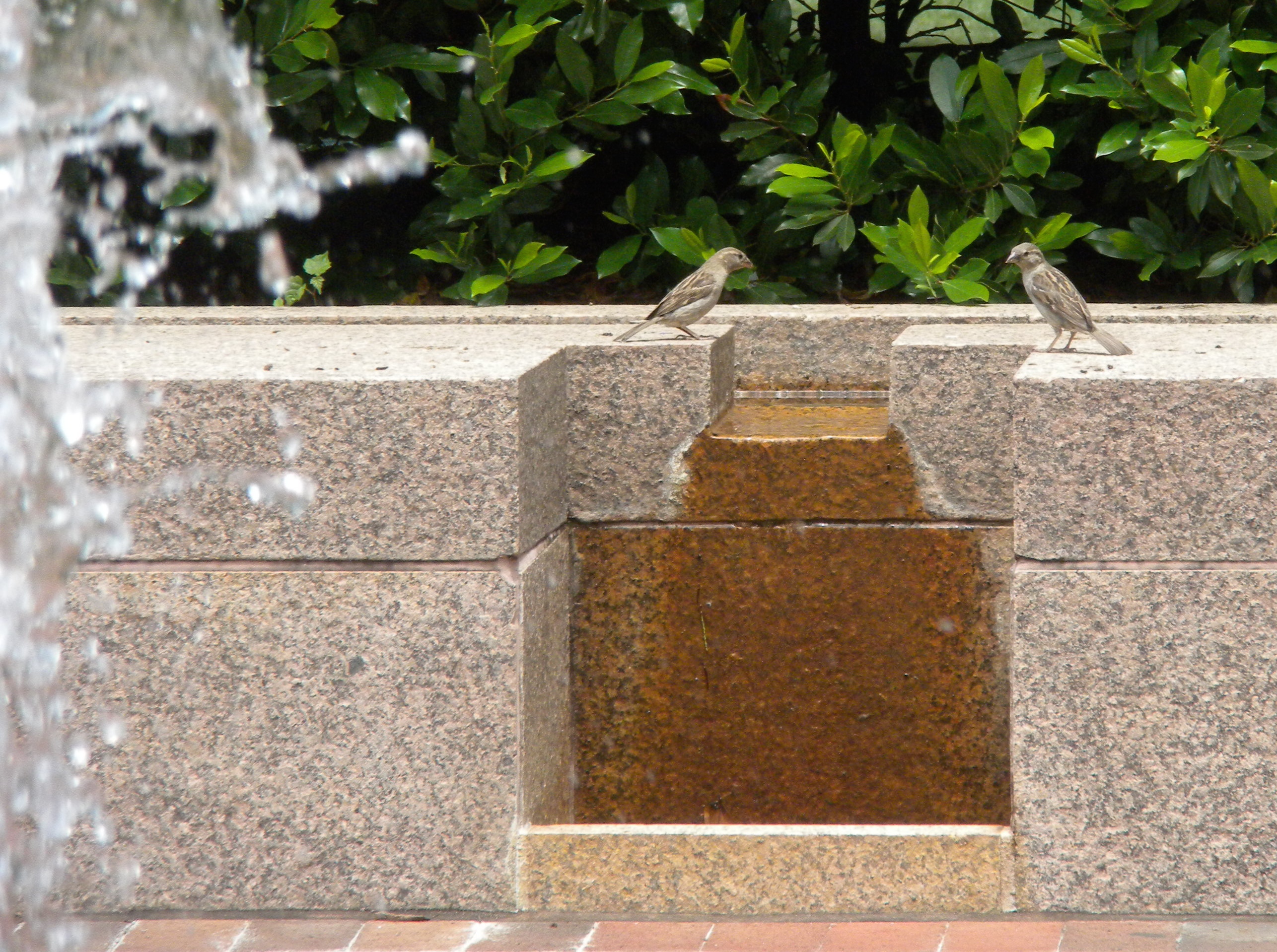
Meet the Birds of the National Mall
- Date: July 3, 2014
- Description: Have you noticed that the Mall is aflutter with birds? Dive into the history of the Smithsonian’s interactions with our avian neighbors.