
Results for "Paper -- Preservation"
- Blog Post
Passwords and Paper Printouts: Preserving the Electronic Records of the Devra Kleiman Papers
- Date: July 28, 2011
- Description: In the course of my internship at the Smithsonian Archives’ Digital Services Division I’ve worked with myriad digital records, converting both new material and past accessions into formats that can be more easily preserved. But the most exciting part of my time here came when I was given my very own accession, the Devra G. Kleiman Papers, to work on. My task was to copy all of
- Webpage
How do I keep old family papers preserved?
- Date: September 2, 2011
- Description: I have old family papers that I would like to keep safe. Can you give me advice about how to keep them preserved?
- Webpage
Preservation
- Date: April 18, 2011
- Description: Access the official records of the Smithsonian Institution and learn about its history, key events, people, and research.
- Webpage
Preservation
- Date: April 14, 2017
- Description: The Smithsonian Institution Archives cares for many different materials, from paper documents and photographs, to audio and video recordings and film. In addition, born digital holdings such as email, websites, social media, and other items such as exhibit CAD drawings can also be found in our collections (see more at Digital Curation). Both analog and digital holdings require

We Are Not Alone: Progress in the Digital Preservation Community
- Date: October 2, 2018
- Creator: Ricc Ferrante
- Description: An international community of researchers and practitioners are driving the professional practice of digital preservation towards greater maturity and opening doors to new levels of access.
- Webpage
Case Study: Preservation Photocopying
- Date: May 5, 2017
- Description: The preservation photocopy, a reformatting format, arose in the mid-20th century when new forms of business documents - such as those produced by thermal printing (e.g. faxes and receipts) - suffered from “inherent vice,” or instability that included fading and other signs of deterioration.The National Archives and Records Administration recommended the use of copying by the
- Webpage
Recommended Preservation Formats for Electronic Records
- Date: April 26, 2017
- Description: This document is intended for Smithsonian staff responsible for organizing and managing electronic records. It describes Smithsonian Institution Archives’ guidelines regarding file formats used for the long-term preservation of electronic records.

Pennywise Preservation: Oversized Prints and Drawings
- Date: December 13, 2016
- Creator: Alison Reppert Gerber
- Description: Providing suitable housing for collections can sometimes be cost-prohibitive. When the Archives received a large collection of oversized drawings, a cost-savings approach had to be employed while still achieving an appropriate housing strategy for long-term preservation.

What Our Experts Want You to Know About Preservation
- Date: April 29, 2021
- Creator: Emily Niekrasz
- Description: For Preservation Week, our team answered our burning, often ignorant questions about their biggest challenges, what they consider when treating objects, and beyond.
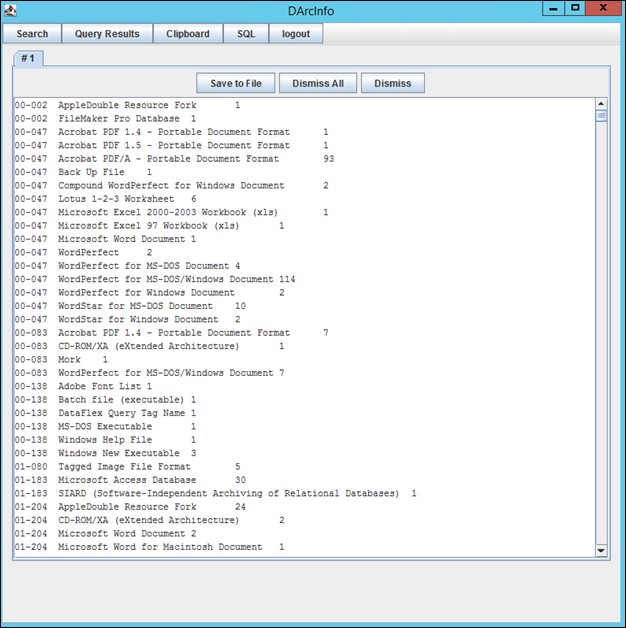
Assessing File Format Risk for Born-Digital Preservation Planning
- Date: August 3, 2021
- Description: In addition to physical damage and deterioration of storage media, the technological complexity and dependency of electronic records make them uniquely vulnerable to loss, corruption, and alteration (both accidental and malicious). To achieve long-term preservation of fragile born-digital materials, digital archivists need a plan.
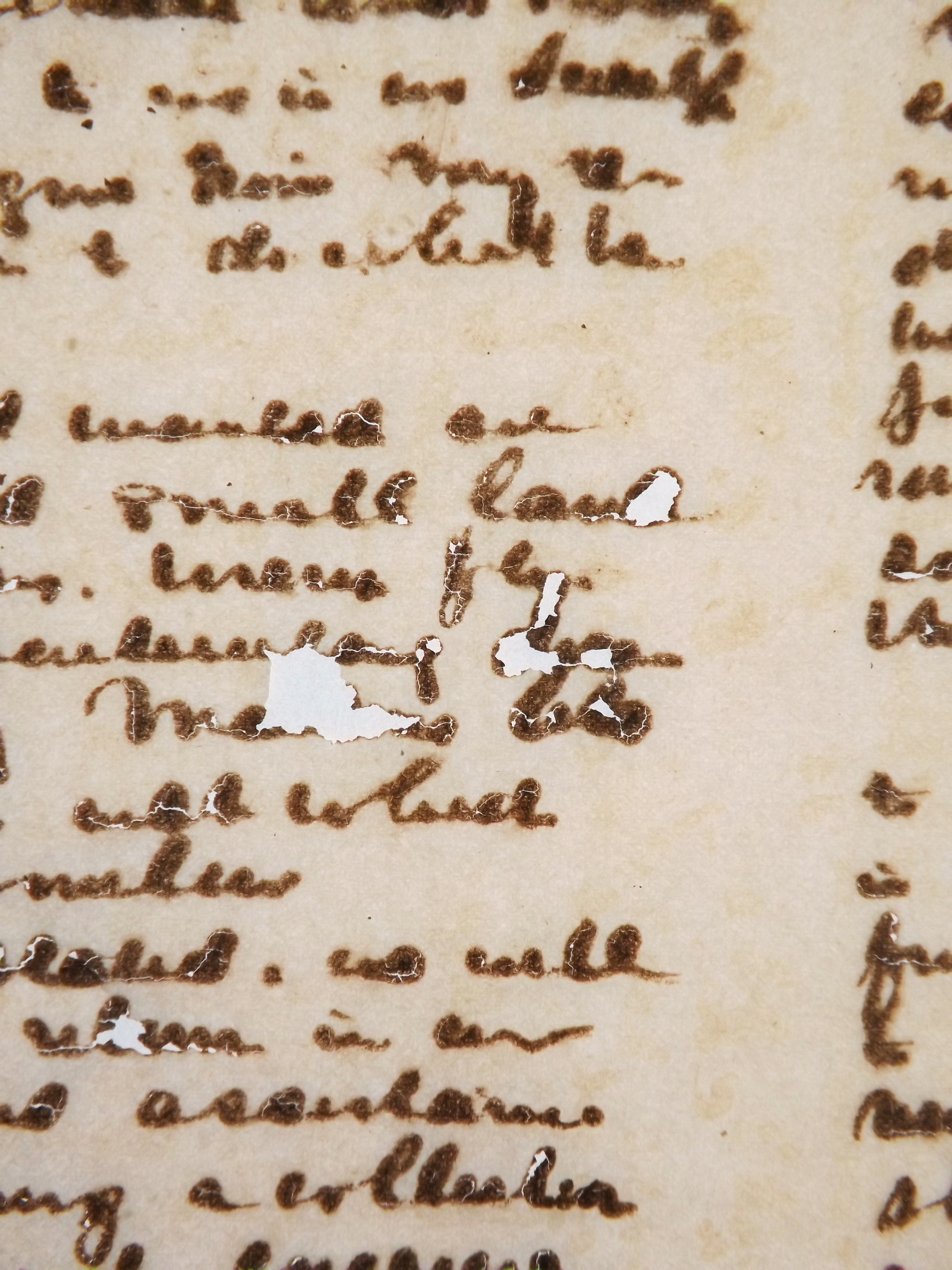
Further Research in the Conservation and Preservation of Letterpress Copybooks
- Date: January 26, 2016
- Description: Postgraduate Fellow Laura Dellapiana presents new research outcomes for stabilization of letterpress copybooks with significant damage.
- Document
Recognizing Digitization as a Preservation Reformatting Methond